



A 2026 Guide by Sellingantiques
Large numbers appeared during the eighteenth century. Room layouts became flexible.
Pull an occasional chair into the centre of the room. Earlier seating sat rigidly against the skirting boards, making conversations across a large floor plan difficult.
Wealthy households ordered dozens of them. Inventories show sets split up across different reception rooms.
Victorian examples reflect changes in women's fashion. Lower seat heights accommodated the heavier skirts worn during the later nineteenth century.
Thomas Chippendale supplied various lightweight chairs. His firm provided them for specific drawing room commissions during the mid-eighteenth century.
Gillows of Lancaster produced hundreds of antique occasional chairs during the late eighteenth century.
Howard & Sons made well regarded low seating. Late Victorian frames from this firm often feature stamped castors on the front legs.
The 2026 retail price guide for Antique Occasional Chairs is drawn from a proprietary archive of over 1.1 million retail prices indexed by Sellingantiques since 2003. This guide relies exclusively on their own internal data; no external sources or auction records are used.
Analysing nearly 25 years of UK antique market history alongside current retail values, the data indicates that typical UK retail prices for Antique Occasional Chairs range between £300 and £1,400. Entry-level prices generally fall under £300 and premium examples upwards of £1,400.
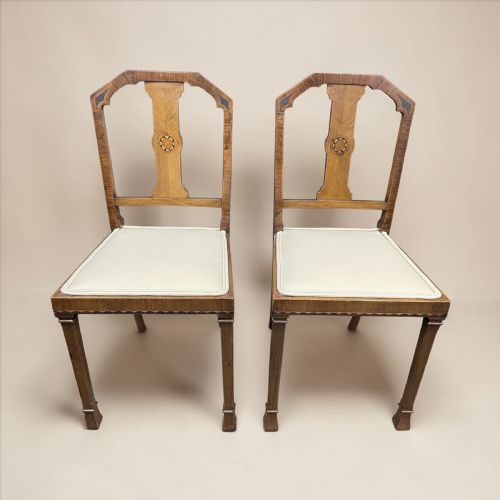
An open back is standard. Solid upholstered backs make a frame far heavier.
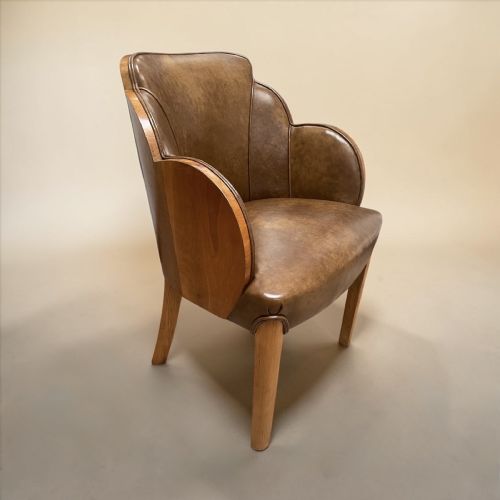
Drop-in or overstuffed seats. They sit slightly lower than standard dining proportions.
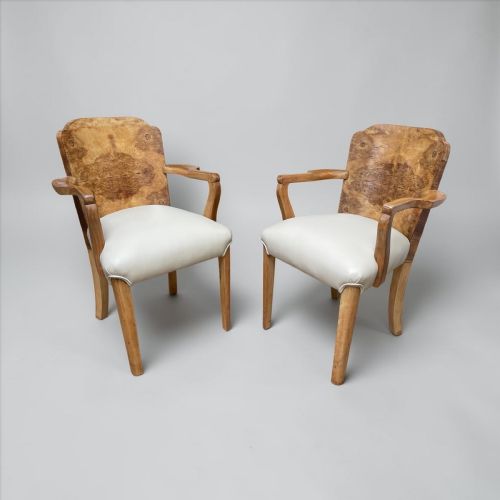
Proportions are deliberately scaled down. The front legs remain slender, and armrests are frequently omitted to save valuable floor space.
Mortise and tenon joints hold the seat rails to the upright legs. Good frames rely on tight joinery here rather than glue alone.
Screwed or pegged corner blocks. These add vital rigidity to a delicate shape.
Pierced fretwork requires a steady hand and a fine coping saw. The decorative methods change with the period.
"Loose protective covers shipped with many of them. These slipcovers preserved the expensive silk upholstery for decades."
"You'll find the low height of nursing chairs makes them practical bedroom seats today."
"Small handles sometimes appear carved right into the top rail. This clever detail made lifting them with one hand much easier."
Based on almost 25 years of Sellingantiques UK antique market data, Antique Occasional Chairs appeared 954 times (out of 1,100,000 antiques) which gives it a rarity score of 83/100.
This score measures scarcity within the Sellingantiques archive only and is not a survey of the entire antiques market, so these statistics may not be indicative of the general availability of Antique Occasional Chairs elsewhere.
Dust the frame with a soft, dry cloth. You can use a mild beeswax polish every few months to feed the timber and build a protective surface.
Avoid spray polishes. They contain silicones that leave a stubborn film on the wood and eventually trap dirt in the grain.
Stripping old fabric does leave holes in the seat rails. A careful upholsterer tries to use the existing holes rather than driving fresh tacks into new wood.
If the frame gets too compromised from decades of recovering, they might glue thin strips of fresh beech over the rails. This gives the new tacks a solid ground to bite into without splitting the original carcase.
Antique occasional chairs were built for short-term seating. They lack the bulky structural support found in a heavy armchair.
They handle daily domestic use if the joints are tight. Just don't tilt back on the rear legs.
Hand-carved furniture almost always shows slight variations. A craftsman working with a chisel will never produce a mirror image across a pair.
These small differences are standard for eighteenth and nineteenth-century pieces. It shows the work was done by eye rather than a machine router.
Please note: This Antique Occasional Chairs guide and its associated pricing data are provided for general informational purposes only. It does not constitute formal financial, investment, or appraisal advice and should not be relied upon as the sole basis for any commercial activity, purchasing, or sales decisions. Sellingantiques.co.uk accepts no liability for any actions taken in reliance on this information. Always consult with a qualified professional or independent appraiser.
