





A 2026 Guide by Sellingantiques
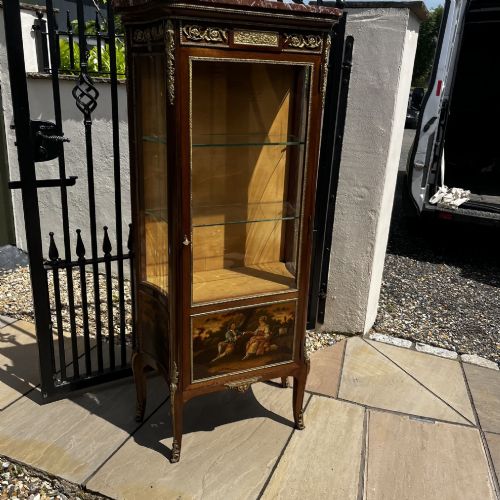
Superb Quality Antique Victorian French Kingwood Display Cabinet, 1880
Priced at £1,850 from Unique Antiques by Emma Jade
Look at provincial armoires. They dominated rural France from the seventeenth century onwards, acting as the main storage for dowry linens.
Regional variations dictated the style of an antique French cabinet. Normandy pieces look quite different to those from Brittany or Provence.
Parisian workshops focused more on decorative veneers rather than solid provincial timber.
The wealthy commissioned specific sizes to fit the panelled rooms of a chateau.
Guilds controlled the Parisian trade tightly. Master ébénistes stamped their work from the mid-eighteenth century.
Jean-François Oeben produced sophisticated veneered pieces in Paris during the Louis XV period.
Provincial makers remain mostly anonymous. Rural carpenters rarely stamped the solid wood antique French cabinets they built for local families.
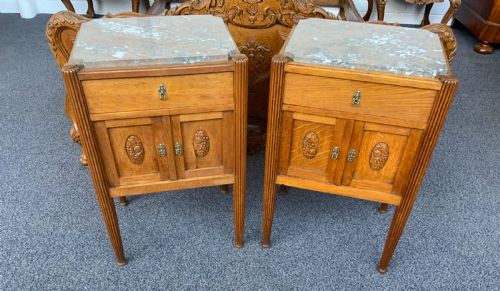
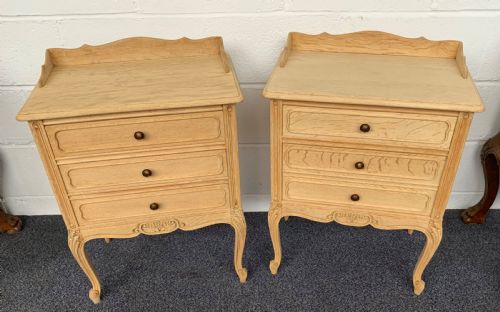
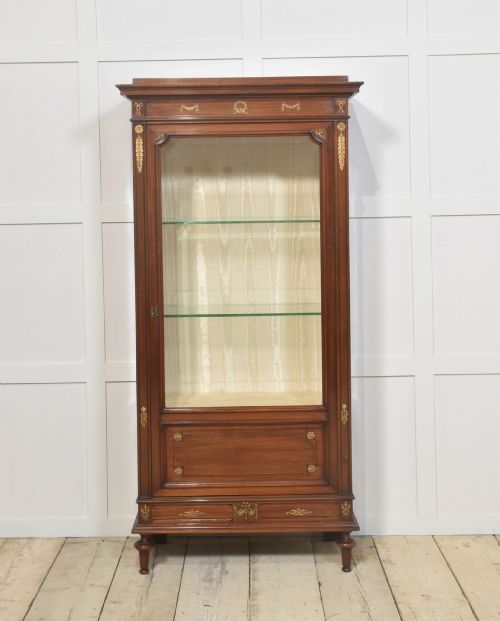
Pair of French Walnut Bedside Cabinets, 1900
Priced at £775 from Philip Hunt Antiques
The 2026 retail price guide for Antique French Cabinets is drawn from a proprietary archive of over 1.1 million retail prices indexed by Sellingantiques since 2003. This guide relies exclusively on their own internal data; no external sources or auction records are used.
Analysing nearly 25 years of UK antique market history alongside current retail values, the data indicates that typical UK retail prices for Antique French Cabinets range between £600 and £4,500. Entry-level prices generally fall under £600 and premium examples upwards of £4,500.
Notice the large escutcheons. Steel or brass keyhole covers draw the eye on most antique French cabinets.
Deep cornices sit across the top. Many peg into the frame rather than being glued.
Fielded panels. The doors often feature these raised wooden sections to allow for seasonal movement.

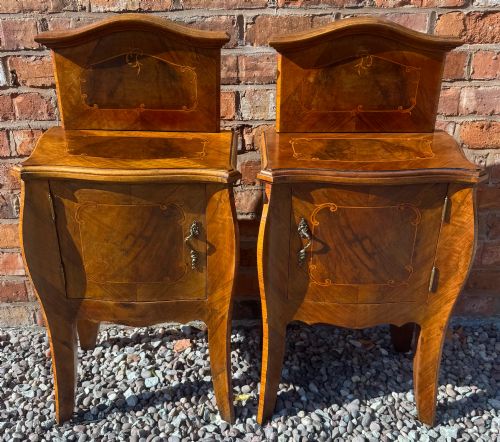
Pair of French Satinwood Bedside Cabinets, 1900
Priced at £1,995 from Shackladys Antiques
Pegged mortise and tenon joints hold provincial antique French cabinets together. Wood shrinks over time to lock the dowel tight.
Pull out a drawer. Hand-cut dovetails join the fronts to the sides in the better workshops.
Bookmatched veneers. Parisian makers sliced expensive imported timber thinly and opened it like a book to mirror the grain.
"Many large provincial armoires dismantle into flat sections. The maker built them to peg together so families could move them up narrow stairs."
"Hidden compartments. Small secret drawers sometimes sit behind the central dividing pillar."
"Notice the internal hinges. They allow the doors to fold back flat against the cabinet sides."
Based on almost 25 years of Sellingantiques UK antique market data, Antique French Cabinets appeared 6873 times (out of 1,100,000 antiques) which gives it a rarity score of 25/100.
This score measures scarcity within the Sellingantiques archive only and is not a survey of the entire antiques market, so these statistics may not be indicative of the general availability of Antique French Cabinets elsewhere.
Use a good quality clear beeswax polish. Apply it sparingly with a soft cloth and leave it to harden for an hour.
Buff it off with a clean duster. You only need to wax an antique French cabinet once or twice a year.
The smell usually comes from the unfinished timber inside the carcase absorbing moisture over the years. Leave the doors wide open on a dry day to let the air circulate.
Wiping the interior boards with a weak solution of white vinegar and water can help. Make sure the cloth is barely damp. Let the wood dry out before you close it up again.
People do paint them. You see a lot of later pine or plain oak examples painted in pale chalk colours.
It changes the character of the piece. A heavily carved provincial cabinet loses some of its depth when the grain gets covered.
Slide a small wooden wedge or offcut under the front feet. You need to tilt the whole structure back slightly until it sits level.
The doors carry a lot of weight. If the cabinet tips forward, gravity pulls them open. Levelling the feet takes the strain off the hinges.
Please note: This Antique French Cabinets guide and its associated pricing data are provided for general informational purposes only. It does not constitute formal financial, investment, or appraisal advice and should not be relied upon as the sole basis for any commercial activity, purchasing, or sales decisions. Sellingantiques.co.uk accepts no liability for any actions taken in reliance on this information. Always consult with a qualified professional or independent appraiser.
