



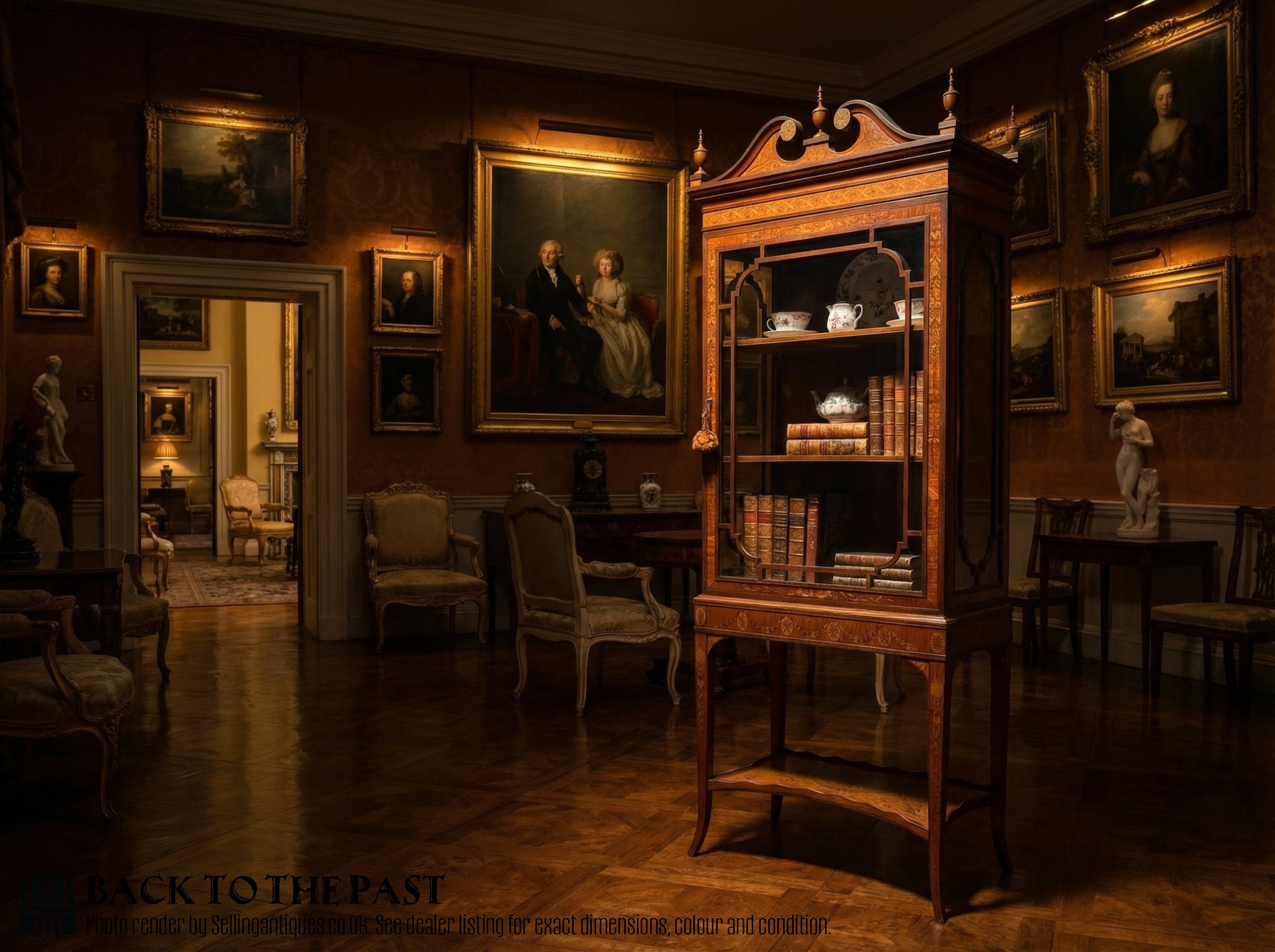
A 2026 Guide by Sellingantiques
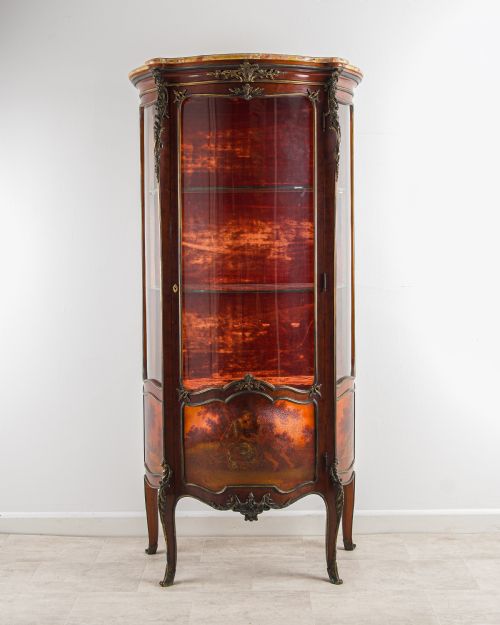
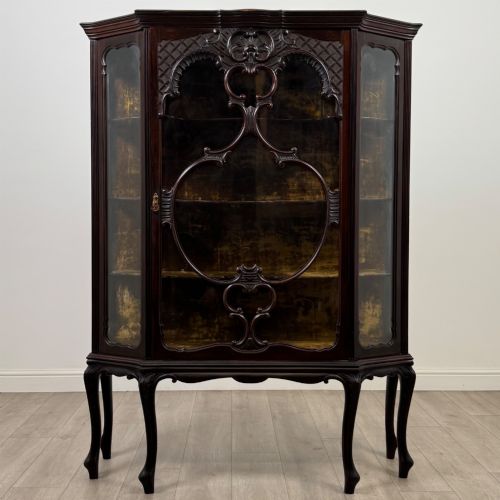
Edwardian Sheraton Revival Display Cabinet, Circa 1900, Edwardian
Priced at £8,500 from Patrick Moorhead Antiques
Early examples grew from simple cupboards fitted with glass panes. Glass was heavily taxed and hard to cast in large sheets.
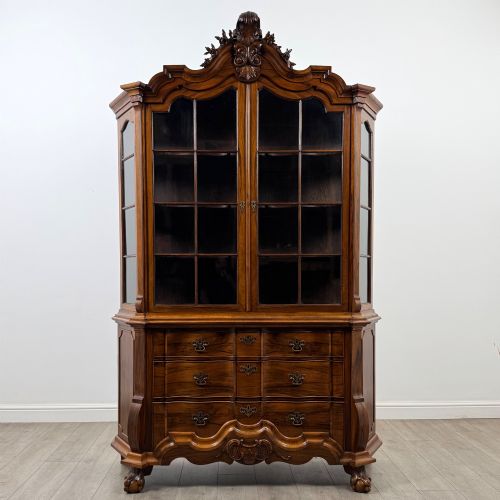
Look at eighteenth-century antique display cabinets. You will often see multiple small panes held within complex wooden glazing bars.
A shift during the Victorian period. Plate glass became cheaper, leading to large single-pane doors that offered an unbroken view of the objects inside.
Collecting porcelain drove the demand. Wealthy households needed dedicated spaces to show off imported ceramics without risking breakages.
Thomas Chippendale supplied large glazed breakfront cabinets for aristocratic libraries and drawing rooms. His published patterns heavily influenced regional tradesmen.
The firm of Edwards and Roberts. They produced high-quality inlaid antique display cabinets during the late nineteenth century, often stamping their name on the drawer linings.
Gillows of Lancaster built substantial display furniture. Their pieces often rely on well-chosen solid mahogany rather than fussy surface decoration.
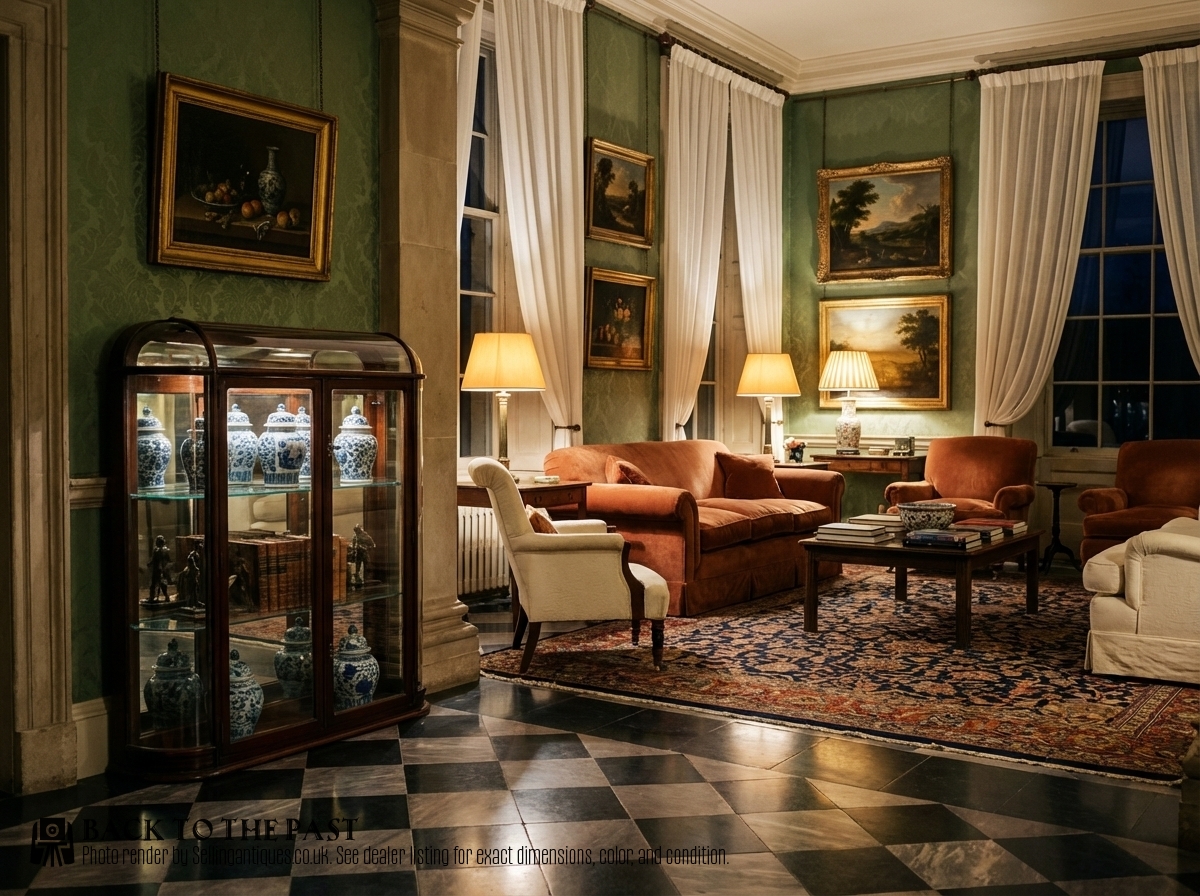
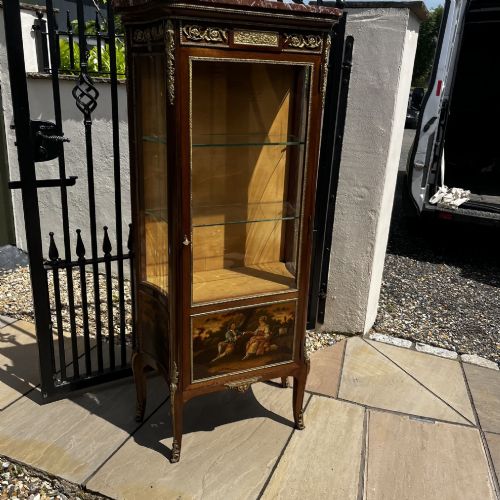
Stunning Victorian Mahogany Shop Display Shelves, 1890
Priced at £6,450 from David Griffith Antiques
The 2026 retail price guide for Antique Display Cabinets is drawn from a proprietary archive of over 1.1 million retail prices indexed by Sellingantiques since 2003. This guide relies exclusively on their own internal data; no external sources or auction records are used.
Analysing nearly 25 years of UK antique market history alongside current retail values, the data indicates that typical UK retail prices for Antique Display Cabinets range between £600 and £4,000. Entry-level prices generally fall under £600 and premium examples upwards of £4,000.
Open the doors and inspect the shelving. Most antique display cabinets feature velvet or silk linings applied over wooden shelves to cushion delicate china.
Mirrored back panels. These turn up in later nineteenth-century examples to reflect light and show the hidden rear sides of porcelain figures.
Lock and key mechanisms were standard. Keeping valuable collections secure from servants and children was a primary concern for the original owners.
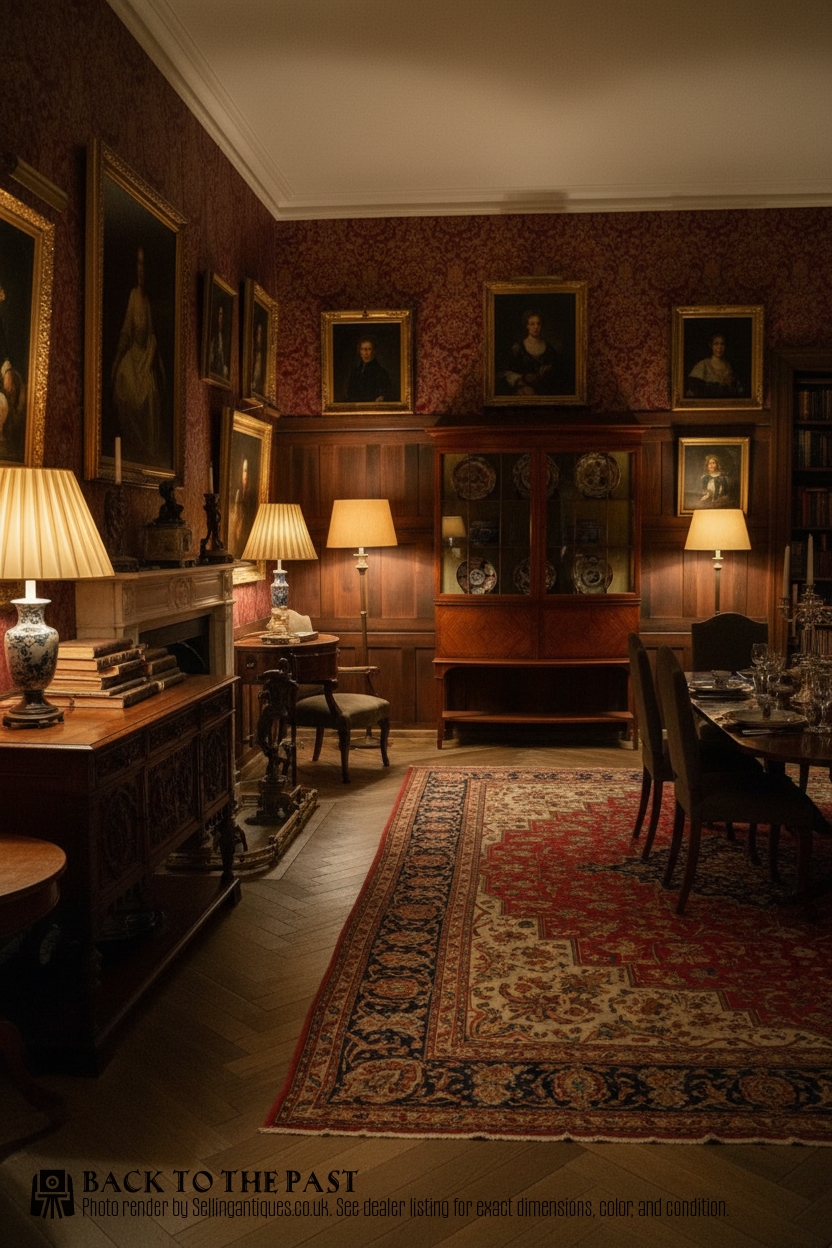
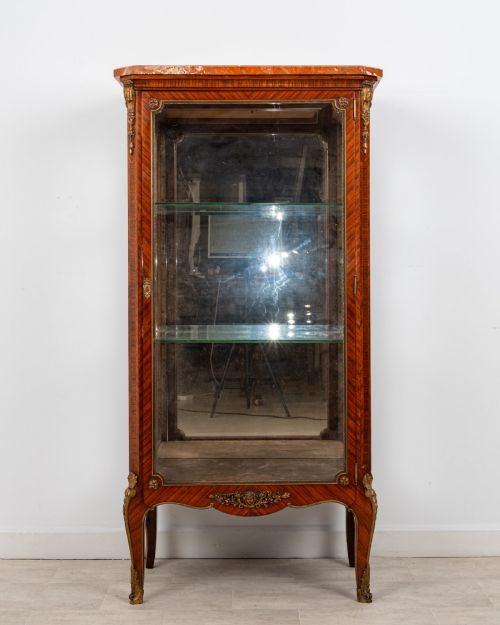
Edwardian Satinwood Display Cabinet, Edwardian
Priced at £950 from Sinclairs Antiques and Interiors
Hand-cut dovetail joints secure the drawers in the base section. These joints bind the solid timber sides to the front panel without metal fixings.
Tap the shelves. Fixed wooden shelving provides structural rigidity to the main carcase of an antique display cabinet, stopping the tall sides from bowing.
Complex veneer work. Stringing and crossbanding were laid into the flat surfaces around the glass to create borders and visual contrast.
"Many started life as bookcases. The solid wooden doors on the lower half were replaced with glass when tastes changed."
"Notice the shallow depth. These pieces were intentionally built narrow to fit into crowded drawing rooms without blocking walkways."
"Hidden velvet colours. Removing a fixed shelf will sometimes reveal the vivid original dye of the fabric backing where the sun never reached."
Based on almost 25 years of Sellingantiques UK antique market data, Antique Display Cabinets appeared 12710 times (out of 1,100,000 antiques) which gives it a rarity score of 8/100.
This score measures scarcity within the Sellingantiques archive only and is not a survey of the entire antiques market, so these statistics may not be indicative of the general availability of Antique Display Cabinets elsewhere.
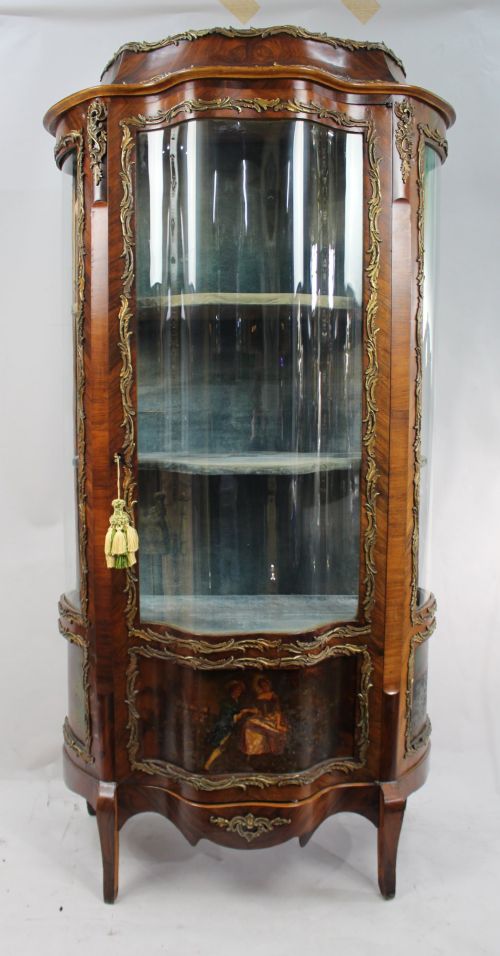
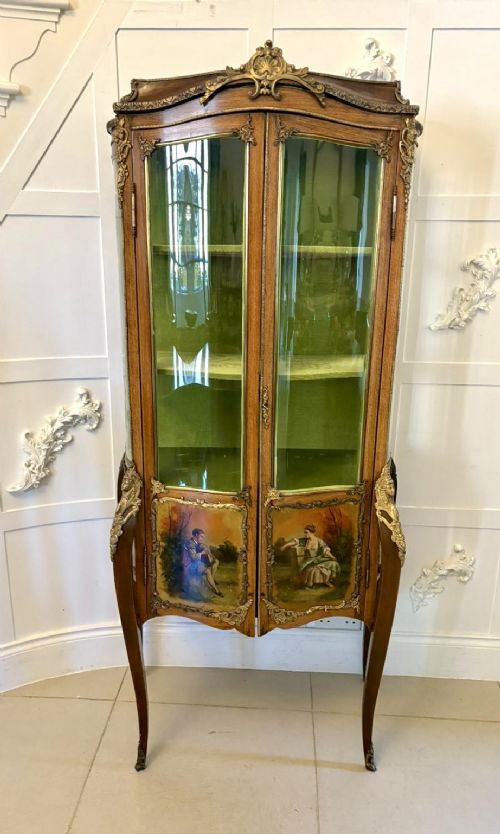
A vitrine is a specific type of antique display cabinet designed with glass on the sides and sometimes the top, as well as the front. The name comes from the French word for glass.
They were built to display items from multiple angles at once. You often find them standing on tall legs, holding small silver items or snuff boxes.
Yes, you can replace the interior. Stripping out old torn fabric and cutting new glass or wooden shelves is a standard part of restoring an antique display cabinet.
Many dealers do this before putting a piece in their showroom. Choosing a neutral linen or a soft velvet will give the interior a clean backdrop for whatever you decide to put inside.
Remove the shelves and lock the doors. If they do not lock, tape them shut with low-tack tape.
Carry the piece upright. Twisting the carcase on its side can crack the old glass.
Smoke odours cling to the porous interior woods and fabrics. If the cabinet is lined with cloth, that fabric will almost certainly need to be replaced. Cloth absorbs and holds smells tightly.
For the bare wood, leaving a bowl of bicarbonate of soda inside with the doors closed can draw out the stale smell. Wiping the woodwork down with a mild solution of white vinegar and water also helps neutralise the surface.
Sometimes you just need to leave the doors open in a dry, well-ventilated room for a few weeks.
Please note: This Antique Display Cabinets guide and its associated pricing data are provided for general informational purposes only. It does not constitute formal financial, investment, or appraisal advice and should not be relied upon as the sole basis for any commercial activity, purchasing, or sales decisions. Sellingantiques.co.uk accepts no liability for any actions taken in reliance on this information. Always consult with a qualified professional or independent appraiser.
