
A 2026 Guide by Sellingantiques

Rare 18th Century German Dutch Brass Copper Tobacco Tin Battle of Minden 1759, 18th Century
Priced at £290 from Queens Antiques and Collectables
Seamen and merchants first brought the habit back to European ports in the late sixteenth century.
Good seals stopped the leaf drying out before a pipe was packed.
Georgian gentlemen routinely passed heavy silver or brass versions around the tavern table after dinner, making these objects highly social focal points in an era when pipe smoking dominated evening entertainment.
Look for the shift in scale when mass-produced cigarettes changed smoking habits in the early twentieth century.
Antique tobacco boxes shrank over time, moving away from the shared parlour table and migrating directly into the individual waistcoat pocket.
Pieter Holm sold deeply stamped brass navigation boxes out of his Amsterdam shop in the mid-eighteenth century.
Birmingham silver marks help track down specific Victorian silversmiths like Hilliard & Thomason.
Most base metal examples are anonymous products of regional cottage industries scattered across Europe.

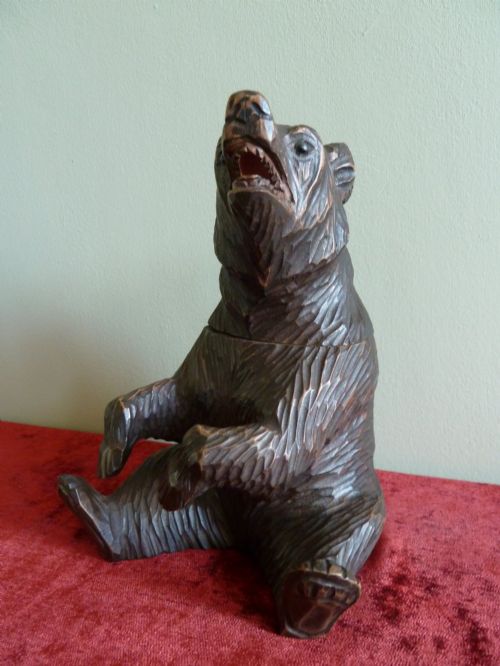
19th Century Dutch Fruitwood Table Tobacco Box, 19th Century
Priced at £495 from Baggott & Co.
The 2026 retail price guide for Antique Tobacco Boxes is drawn from a proprietary archive of over 1.1 million retail prices indexed by Sellingantiques since 2003. This guide relies exclusively on their own internal data; no external sources or auction records are used.
Analysing nearly 25 years of UK antique market history alongside current retail values, the data indicates that typical UK retail prices for Antique Tobacco Boxes range between £200 and £1,300. Entry-level prices generally fall under £200 and premium examples upwards of £1,300.
Tight hinges matter. The lid has to close flush to keep the contents fresh for smoking.
Engraved surfaces feature heavily on metal examples, showing everything from perpetual calendars to crude shipping scenes.
Internal compartments turn up in the larger table boxes to separate different blends of loose leaf.
Coppersmiths hammered out the main bodies from flat sheet metal before brazing the seams together.
Wooden carcases relied on fine hand-cut dovetails to stop the corners splitting when internal moisture levels fluctuated.
Turn it over and examine the hinge pins. Early craftsmen rolled the metal plate itself to form the barrel.
"Miners carried specially adapted brass tins with complex locking dials, mandated for use underground."
"Thick lead lining inside wooden table boxes doubles as a naturally cool interior surface."
"Sailors engraved blank metal boxes during long voyages using sharpened ship nails or heavy sail needles."
Based on almost 25 years of Sellingantiques UK antique market data, Antique Tobacco Boxes appeared 947 times (out of 1,100,000 antiques) which gives it a rarity score of 83/100.
This score measures scarcity within the Sellingantiques archive only and is not a survey of the entire antiques market, so these statistics may not be indicative of the general availability of Antique Tobacco Boxes elsewhere.
Leave the heavy tarnish alone. The dark grey or brown skin on old brass forms over decades and collectors look for this untouched surface.
Just wipe the metal with a dry cotton cloth to remove loose dust. If the hinges are stiff, apply a single drop of light machine oil to the pin and work it gently.
That dull grey metal is lead. Box makers used it to create a stable microclimate for loose leaf.
Do not try to polish it. Lead oxidises to that flat grey colour naturally. Rubbing it will just spread toxic dust and ruin the historical integrity of the piece.
Leave it exactly as you found it. Keep the lid shut to preserve the internal lining from further atmospheric wear.
Some larger table sets include a small blunt metal tool. Smokers used it to pack the loose leaf down into the pipe bowl.
You often find them built into the lid or slotted into a side compartment alongside the main storage area.
Those are likely navigation tables or perpetual calendars. Dutch sailors relied on these specific boxes during the eighteenth century to calculate tides and moon phases at sea.
Heavy wear is standard. These lived in working pockets and saw daily handling in harsh saltwater conditions.
You can sometimes trace the specific almanac used for the design. The dates usually commemorate the year the original brass stamp was cut rather than the year your specific box was made.
Please note: This Antique Tobacco Boxes guide and its associated pricing data are provided for general informational purposes only. It does not constitute formal financial, investment, or appraisal advice and should not be relied upon as the sole basis for any commercial activity, purchasing, or sales decisions. Sellingantiques.co.uk accepts no liability for any actions taken in reliance on this information. Always consult with a qualified professional or independent appraiser.
