


A 2026 Guide by Sellingantiques
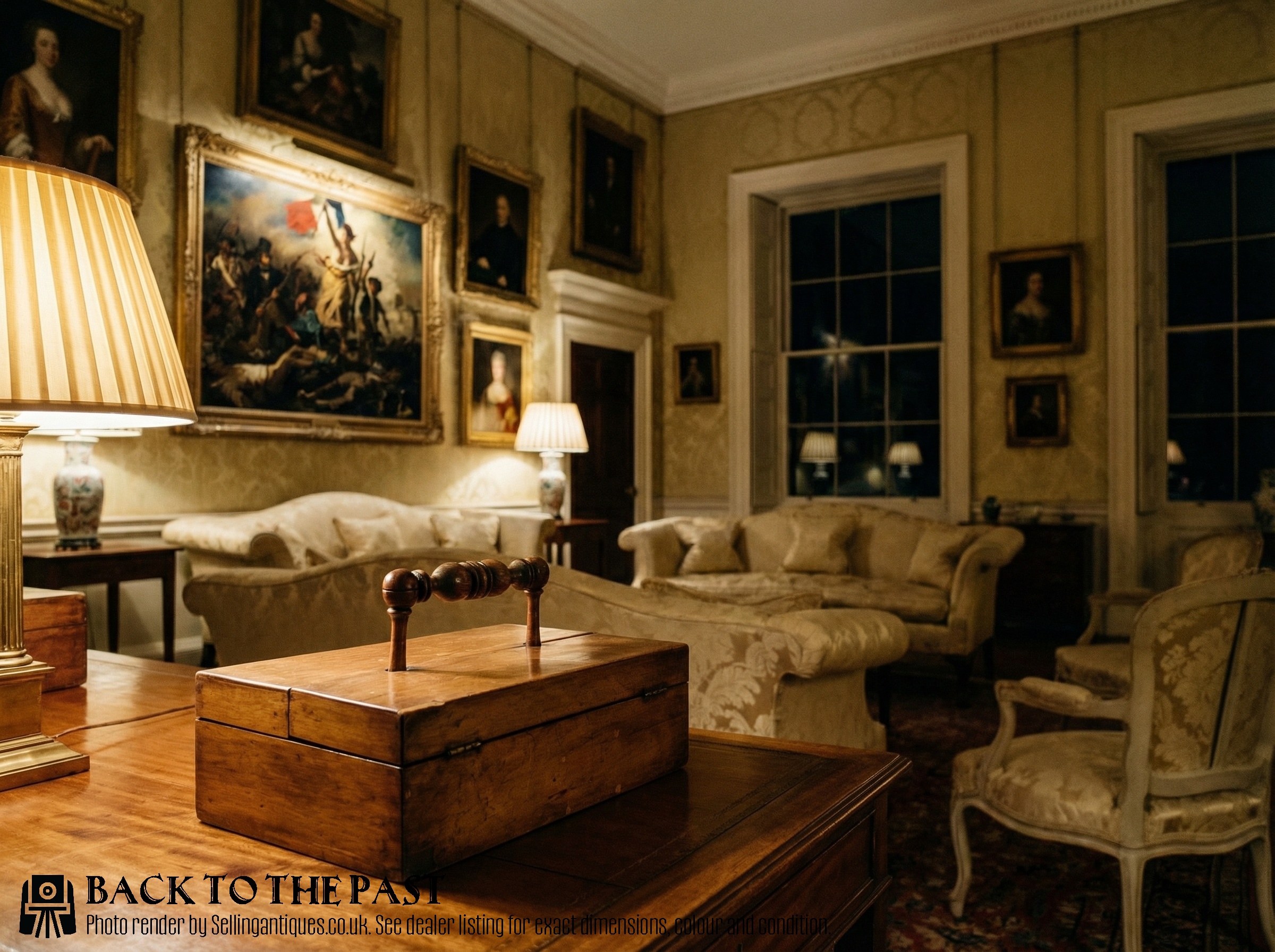
Unusual Antique Mahogany Stationary Box, 1880
Priced at £265 from Rebecca Sarah Antiques
A fixture of drawing rooms rather than private studies before 1850.
Postal reforms in the mid-nineteenth century sparked a boom in letter writing.
Keep in mind that a dedicated antique stationery box only became standard desktop equipment after envelopes replaced folded paper.
Designs shifted toward upright cabinets with double doors by the late Victorian period.
They fell out of favour when telephones reduced the need for daily written correspondence.
Halstaff and Hannaford operated in London between 1825 and 1908, producing complex desktop equipment.
You occasionally find pieces stamped by Betjemann and Sons, active from the 1850s, who specialised in brass-bound walnut boxes.
Most of the everyday boxes carry no mark at all, coming instead from nameless regional cabinet makers.
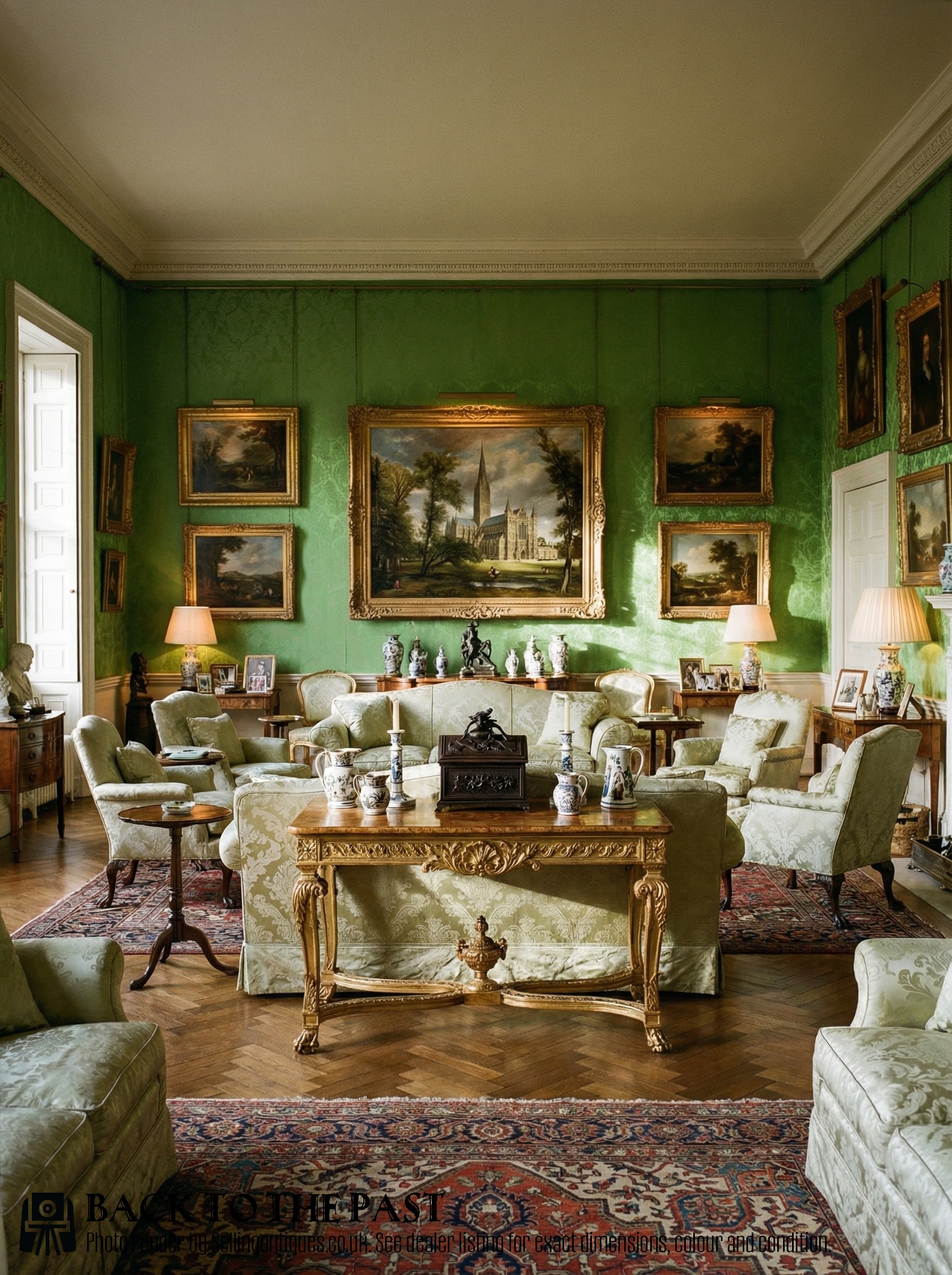
Rare Quality Antique Black Forest Stationary Box, 1860
Priced at £695 from Unique Antiques by Emma Jade
The 2026 retail price guide for Antique Stationery Boxes is drawn from a proprietary archive of over 1.1 million retail prices indexed by Sellingantiques since 2003. This guide relies exclusively on their own internal data; no external sources or auction records are used.
Analysing nearly 25 years of UK antique market history alongside current retail values, the data indicates that typical UK retail prices for Antique Stationery Boxes range between £300 and £1,300. Entry-level prices generally fall under £300 and premium examples upwards of £1,300.
Sloping front panels drop down to form a flat writing surface on some models, blurring the line with lap desks.
Stepped wooden compartments sit inside, sized specifically to separate visiting cards and writing paper.
Look at the small glass ink bottles tucked into square slots near the hinges.
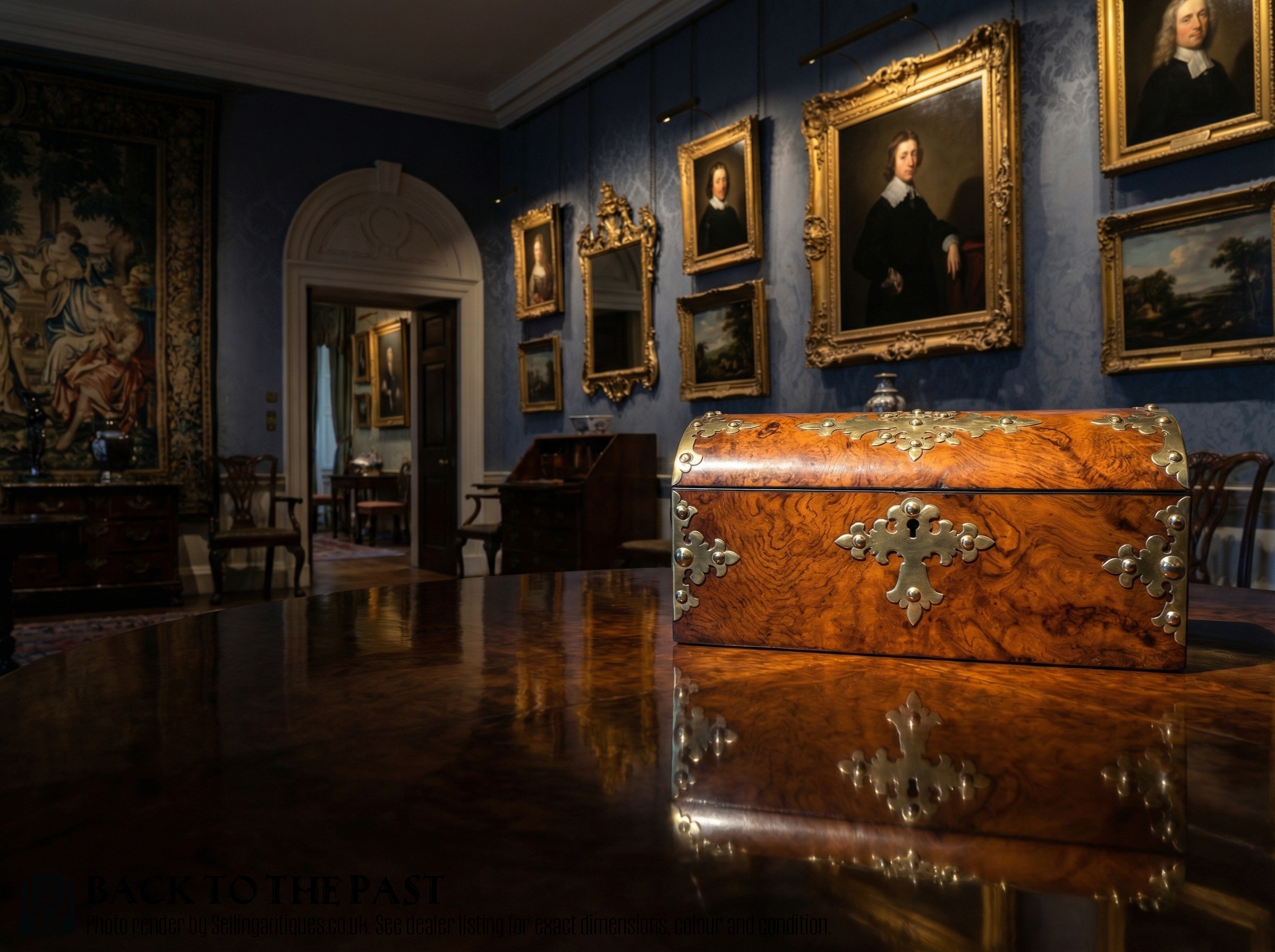
Victorian Walnut Brass Bound Stationery Box C 1880 28cm in Excellent Condition, Victorian
Priced at £295 from Robert Bush Antiques
Early nineteenth-century examples rely on simple hand-cut dovetails at the corners for structural strength.
As the Victorian era progressed, cabinet makers began hiding the joints beneath thin layers of decorative burr walnut veneer.
Notice how machine-cut screws replaced hand-filed versions in the brass hinges by the 1880s.
"Hidden compartments in the base often slide out smoothly on polished mahogany runners."
"The stepped dividers inside act as a practical way to display modern photographs on a desk today."
"Many boxes feature heavy brassware that polishes up to a bright gold colour with very little effort."
Based on almost 25 years of Sellingantiques UK antique market data, Antique Stationery Boxes appeared 939 times (out of 1,100,000 antiques) which gives it a rarity score of 83/100.
This score measures scarcity within the Sellingantiques archive only and is not a survey of the entire antiques market, so these statistics may not be indicative of the general availability of Antique Stationery Boxes elsewhere.
Brush it gently with a soft, dry bristle brush. Dust gathers in the bottom of the compartments over the years.
Never use water on watered silk or old velvet. Moisture stains the fabric and dissolves the animal glue holding it to the wood.
Leave stubborn marks alone. Aggressive cleaning will tear the old fabric.
Yes, a good locksmith can cut a replacement. Box locks use simple warded mechanisms.
You need to take the box to them so they can measure the pin and file the key blank to fit. Do not try to force modern keys into the hole.
Those held the inkwells. They usually sit near the front edge.
Most boxes originally came with matching glass bottles. If they are missing, the empty space is obvious.
The line between the two forms is blurry. If the drop-down front rests flat to form a writing surface, it shares DNA with a lap desk.
A dedicated stationery cabinet usually stands upright and focuses primarily on paper storage. Those hybrid boxes try to do both jobs at once.
Please note: This Antique Stationery Boxes guide and its associated pricing data are provided for general informational purposes only. It does not constitute formal financial, investment, or appraisal advice and should not be relied upon as the sole basis for any commercial activity, purchasing, or sales decisions. Sellingantiques.co.uk accepts no liability for any actions taken in reliance on this information. Always consult with a qualified professional or independent appraiser.
