It was listed by Regent Antiques. Sold pieces stay on Sellingantiques as a record of what has passed through, and the next one is rarely far away.
Regent Antiques has dated this piece to the 19th Century.
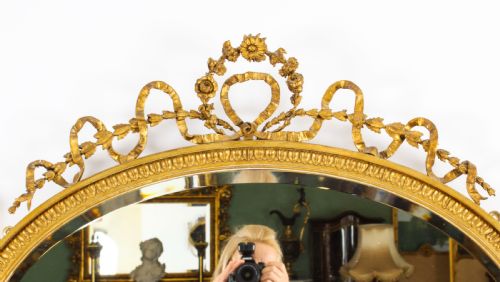
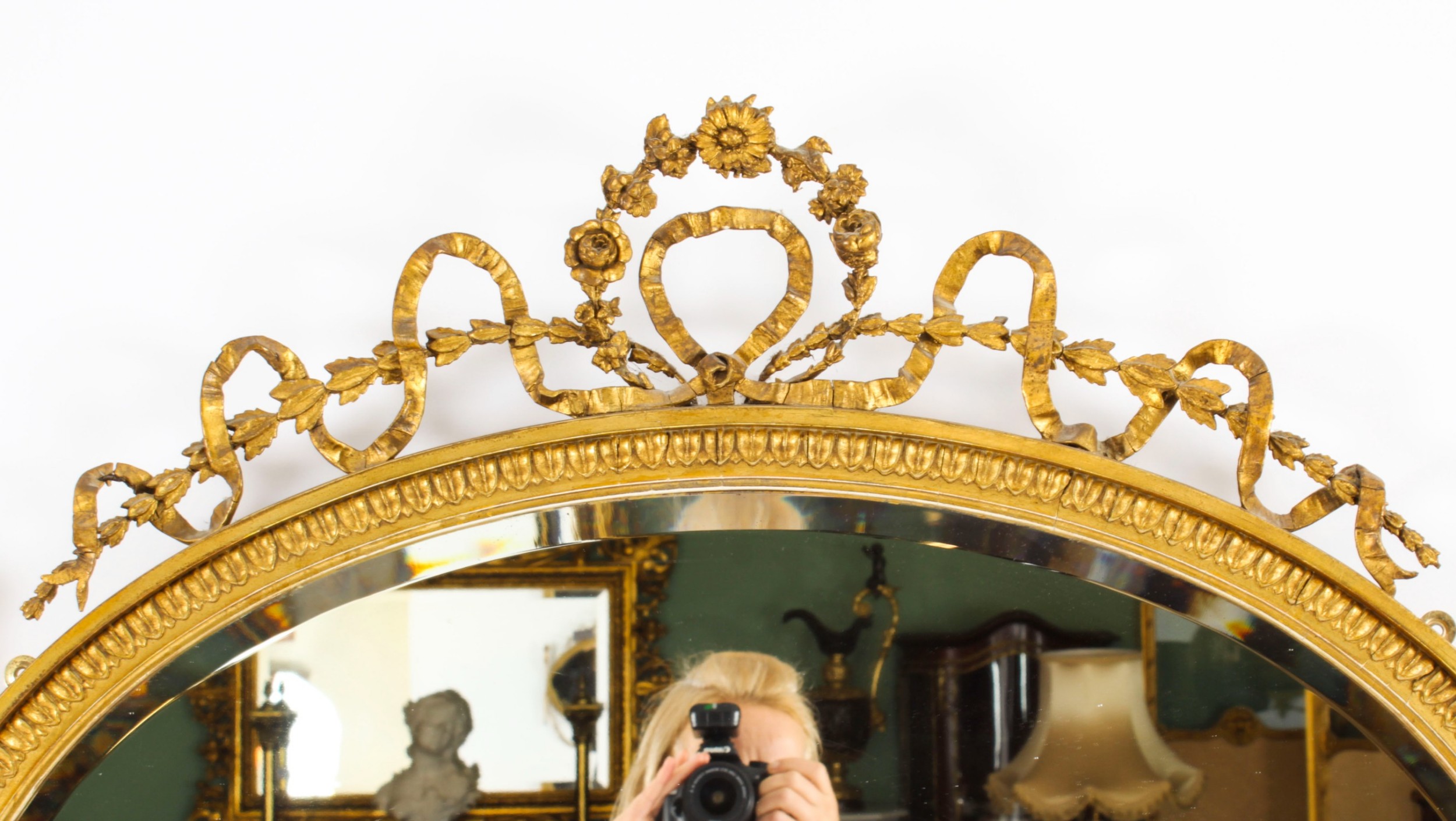
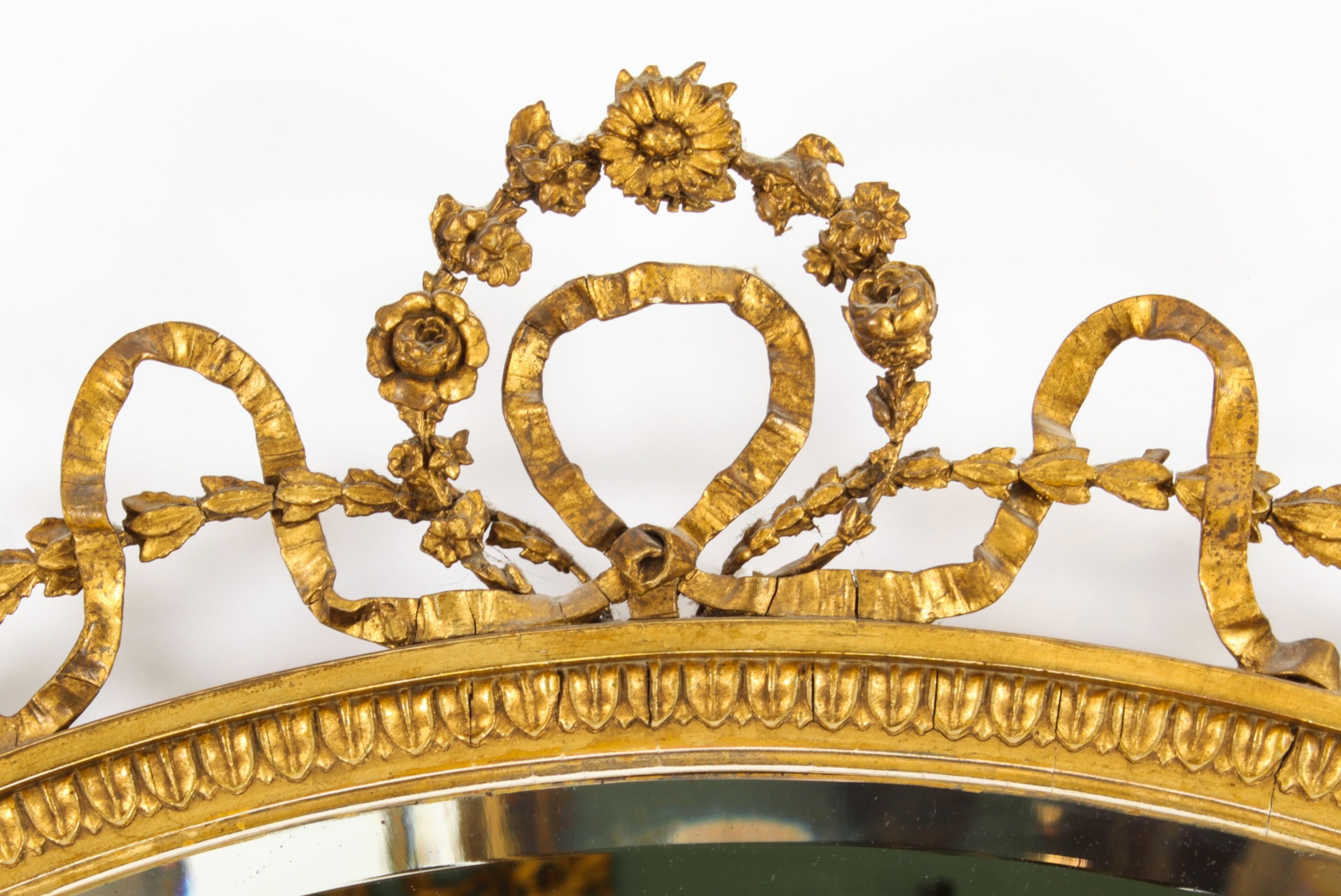
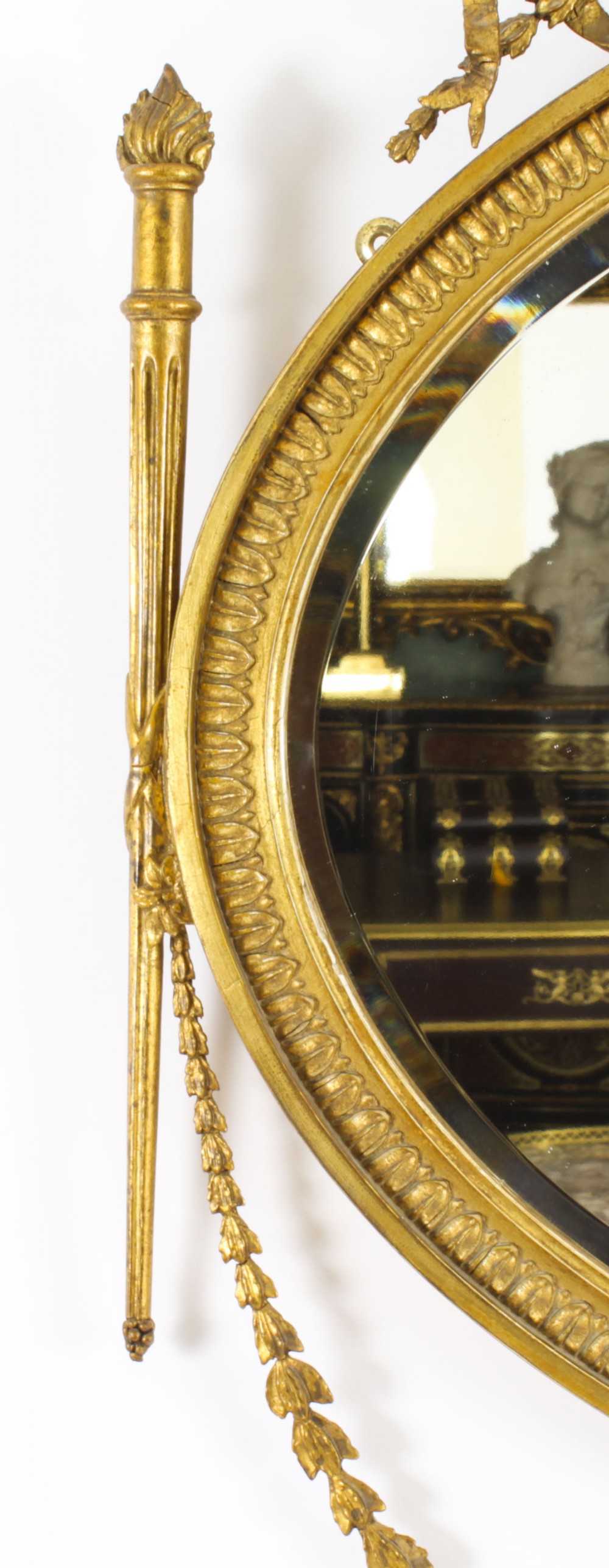
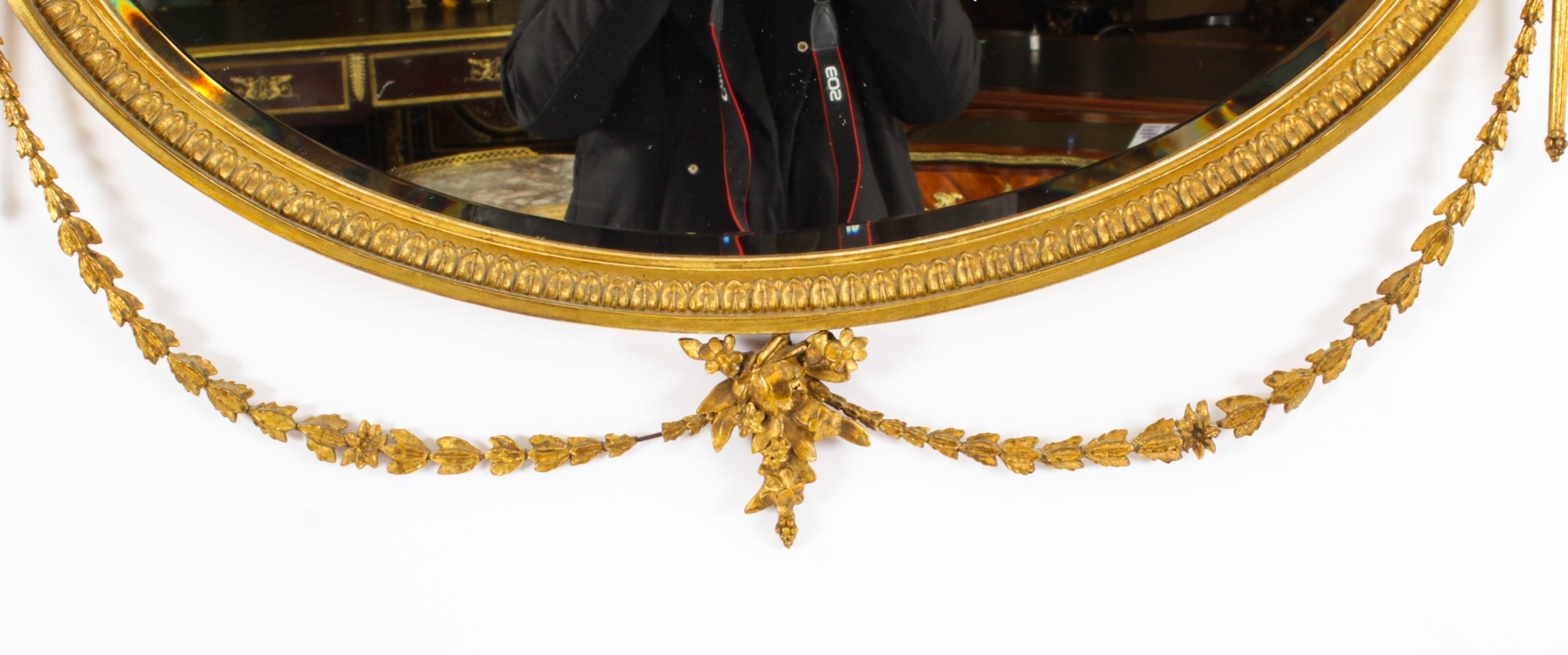
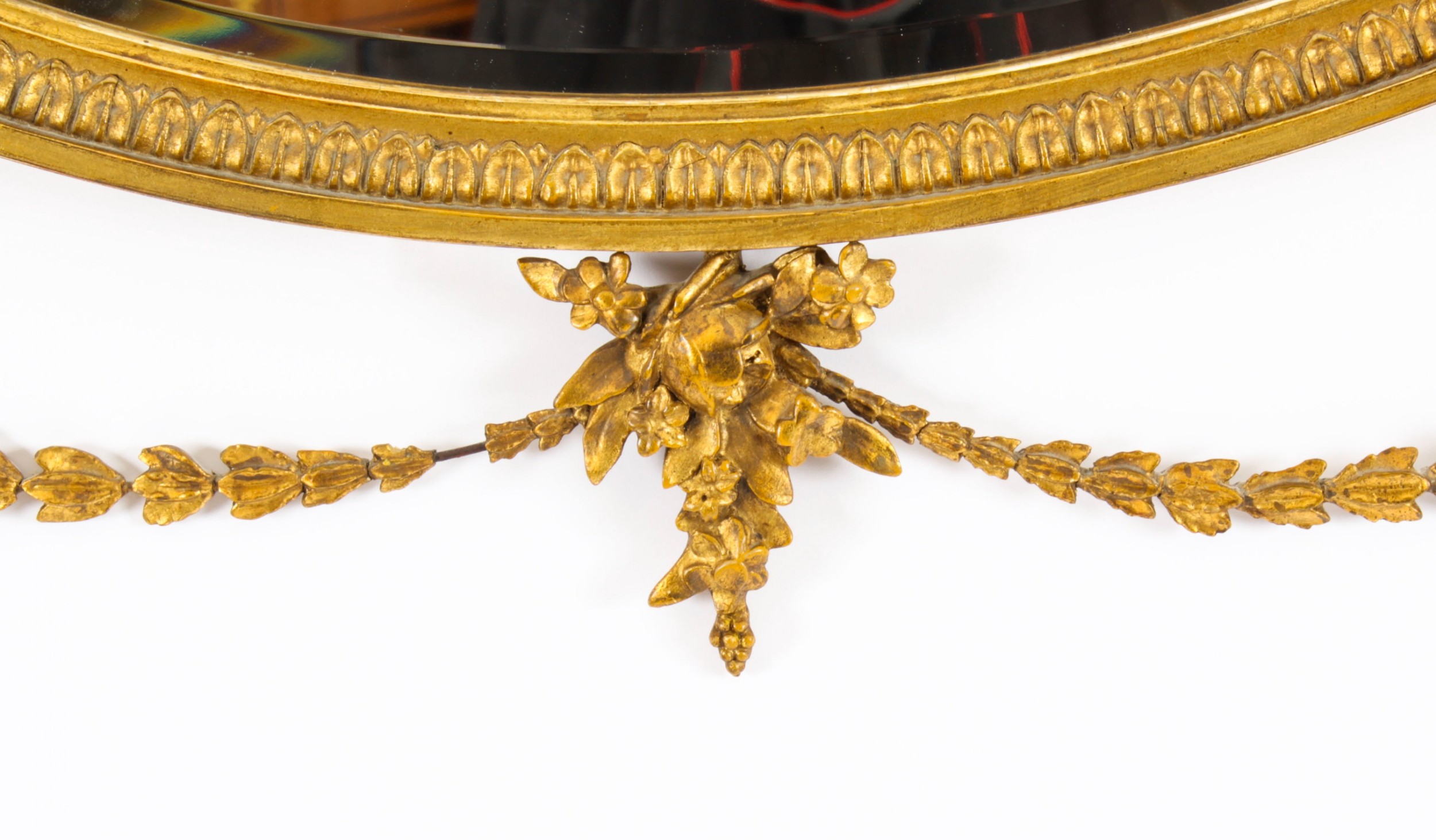
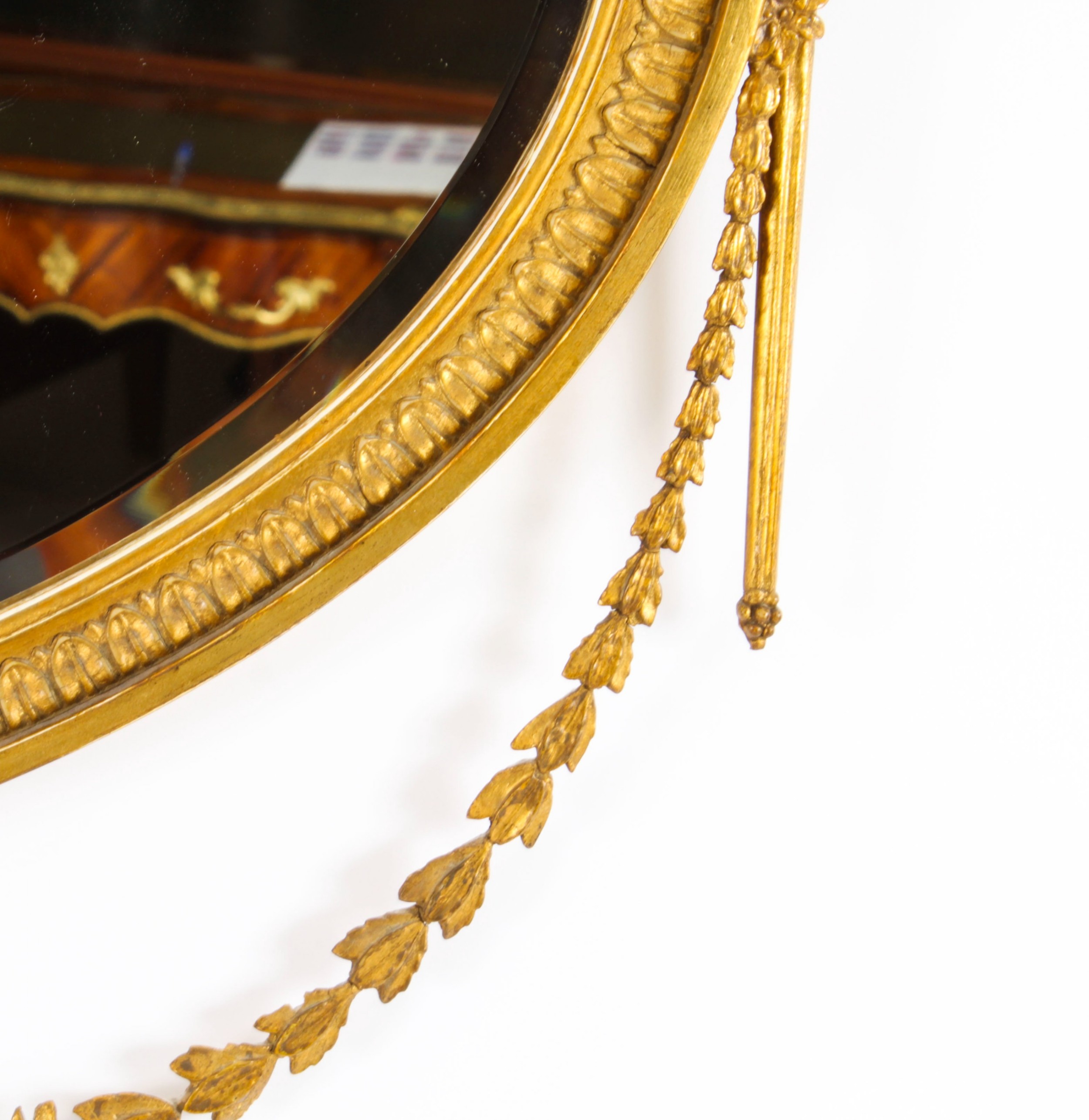
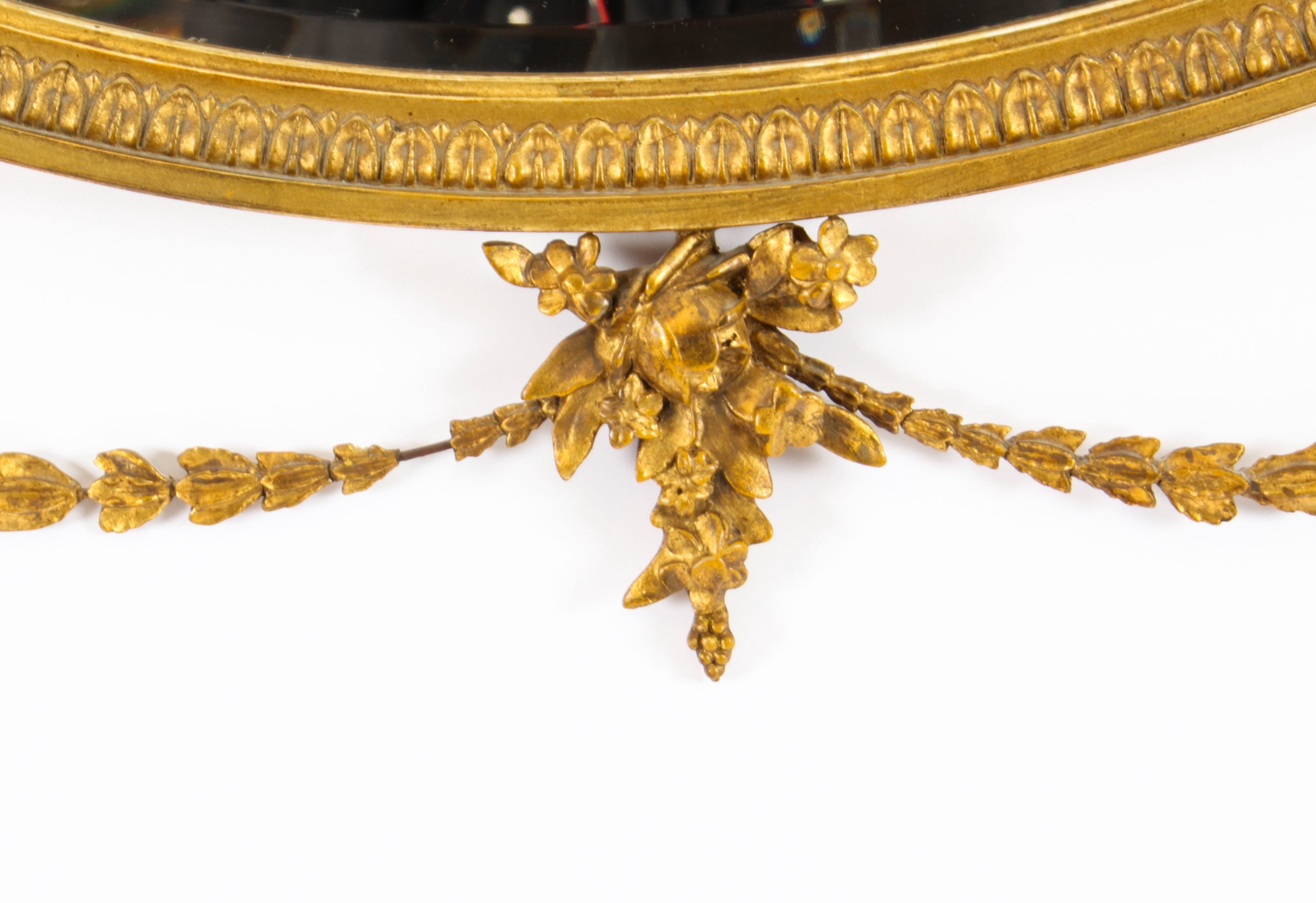
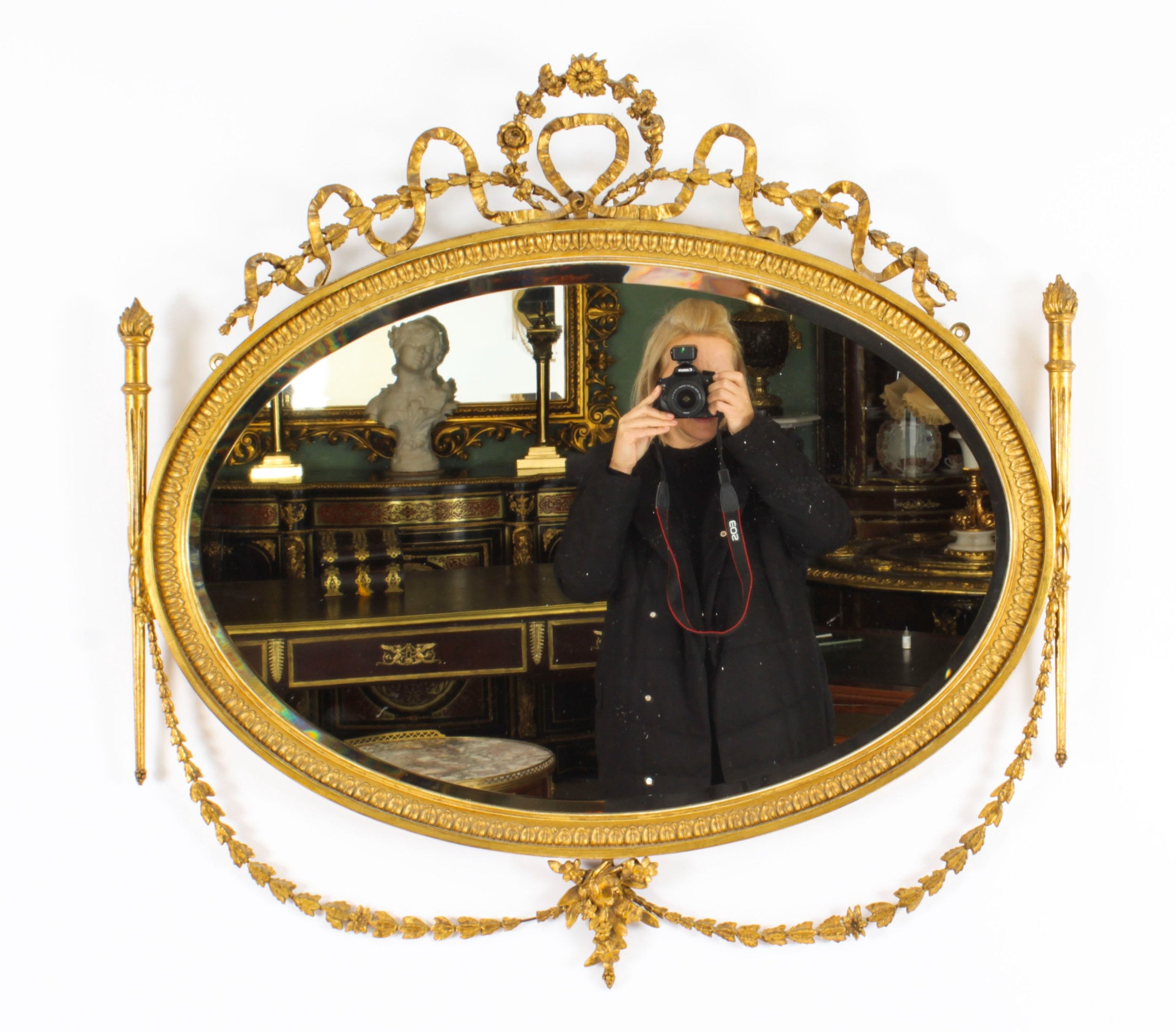
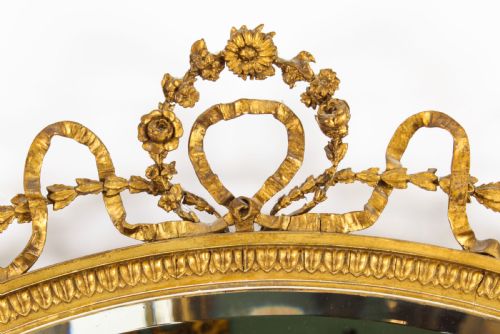
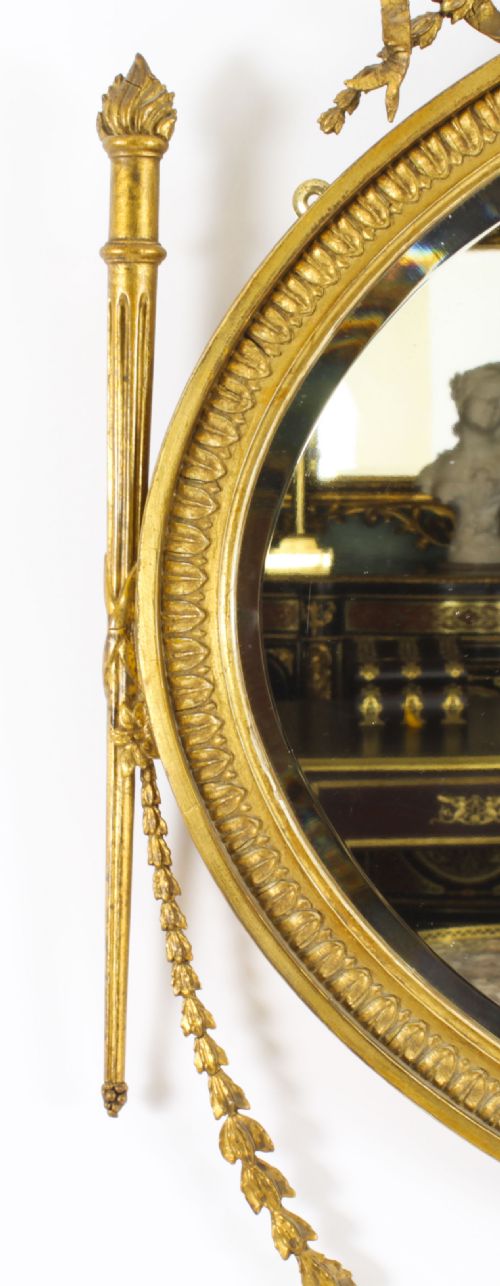
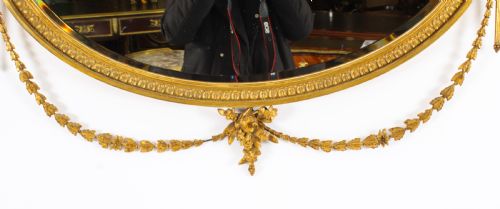
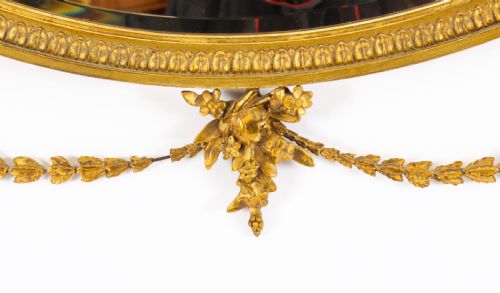
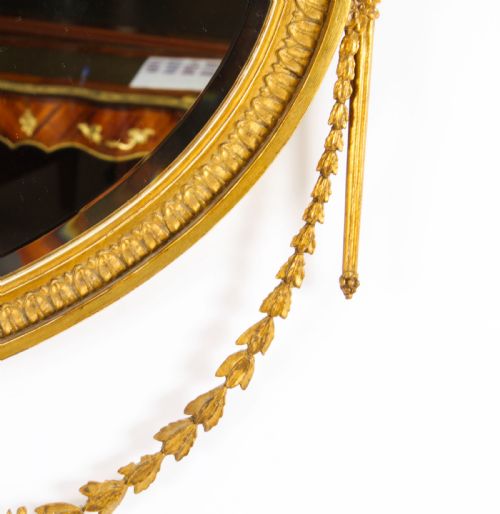
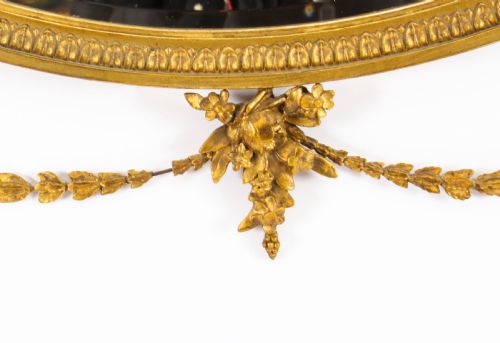
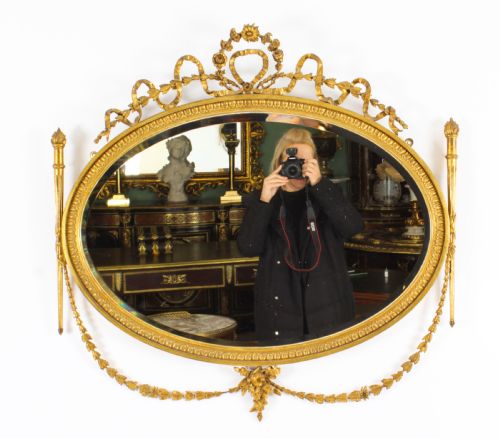
The frame was hand carved from beech wood and then gilded.
There is no mistaking the unique quality and design of this stunning mirror and it will soon become the centrepiece of your home’s decorative hangings.
Condition:
In excellent condition, please see photos for confirmation.
Dimensions in cm:
Height 84 x Width 85 x Depth 3.5
Dimensions in inches:
Height 2 foot, 9 inches x Width 2 foot, 9 inches x Depth 1 inch
Thomas Sheraton
(1751 - 1806) was an English cabinetmaker and one of the leading exponents of Neoclassicism. Sheraton gave his name to a style of furniture characterised by a feminine refinement of late Georgian styles and became the most powerful source of inspiration behind the furniture of the late 18th century. His four-part Cabinet-Maker and Upholsterers’ Drawing Book greatly influenced English and American design.
Sheraton was apprenticed to a cabinetmaker, but he became better known as an inventor, artist, mystic, and religious controversialist. Initially he wrote on theological subjects, describing himself as a “mechanic, one who never had the advantage of collegiate or academical education.” He settled in London c. 1790, and his trade card gave his address as Wardour Street, Soho.
Supporting himself mainly as an author, Sheraton wrote Drawing Book (1791), the first part of which is devoted to somewhat naive, verbose dissertations on perspective, architecture, and geometry and the second part, on which his reputation is certainly based, is filled with plates that are admirable in draftsmanship, form, and proportion.
In 1803 Sheraton, who had been ordained a Baptist minister in 1800, published his Cabinet Dictionary (with plates), containing An Explanation of All Terms Used in the Cabinet, Chair and Upholstery Branches with Dictionary for Varnishing, Polishing and Gilding.
Some of the designs in this work, venturing well into the Regency style, are markedly unconventional. That he was a fashionable cabinetmaker is remarkable, for he was poor, his home of necessity half shop. It cannot be presumed that he was the maker of those examples even closely resembling his plates.
Although Sheraton undoubtedly borrowed from other cabinetmakers, most of the plates in his early publications are supposedly his own designs. The term Sheraton has been recklessly bestowed upon vast quantities of late 18th-century painted and inlaid satinwood furniture, but, properly understood and used in a generic sense, Sheraton is an appropriate label recognizing a mastermind behind the period. The opinion that his lack of success was caused by his assertive character is hypothetical.
Our reference: A2997
Regent Antiques has dated this piece to the 19th Century.
We specialise in english and continental furniture, silver, porcelain and decorative items.
You can view the stock and full dealer information on the Regent Antiques Profile Page
Regent Antiques is a registered member of LAPADA CINOA
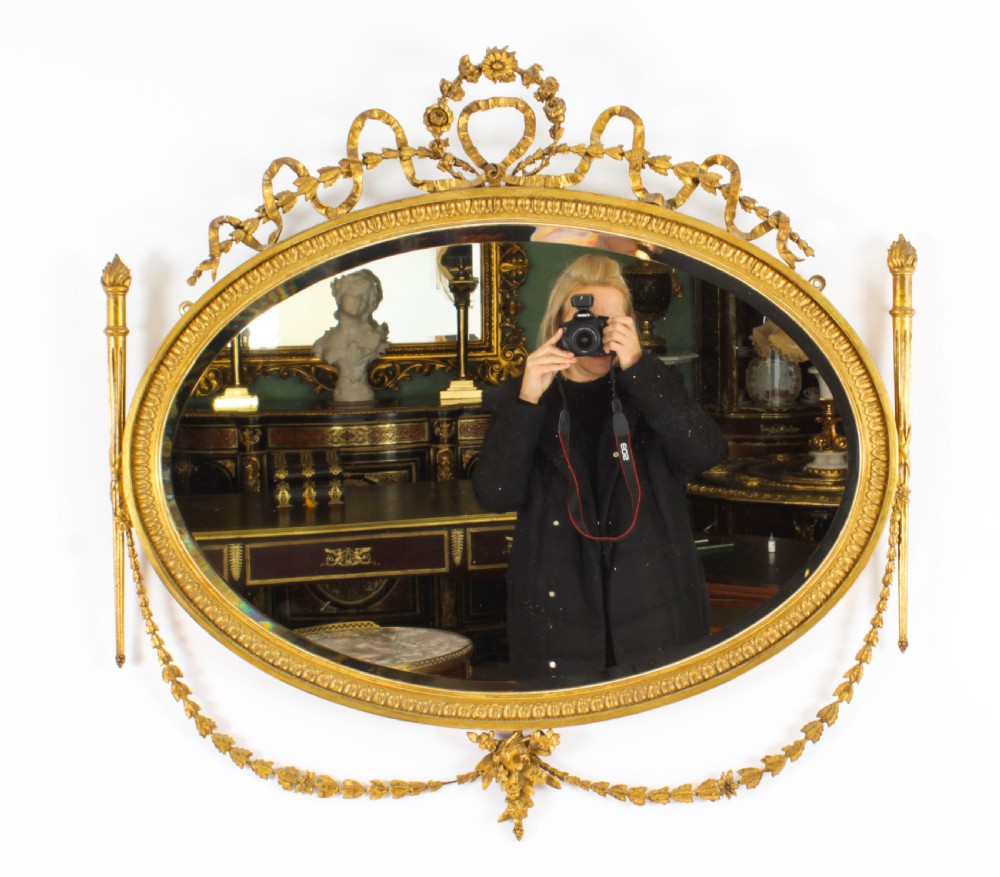
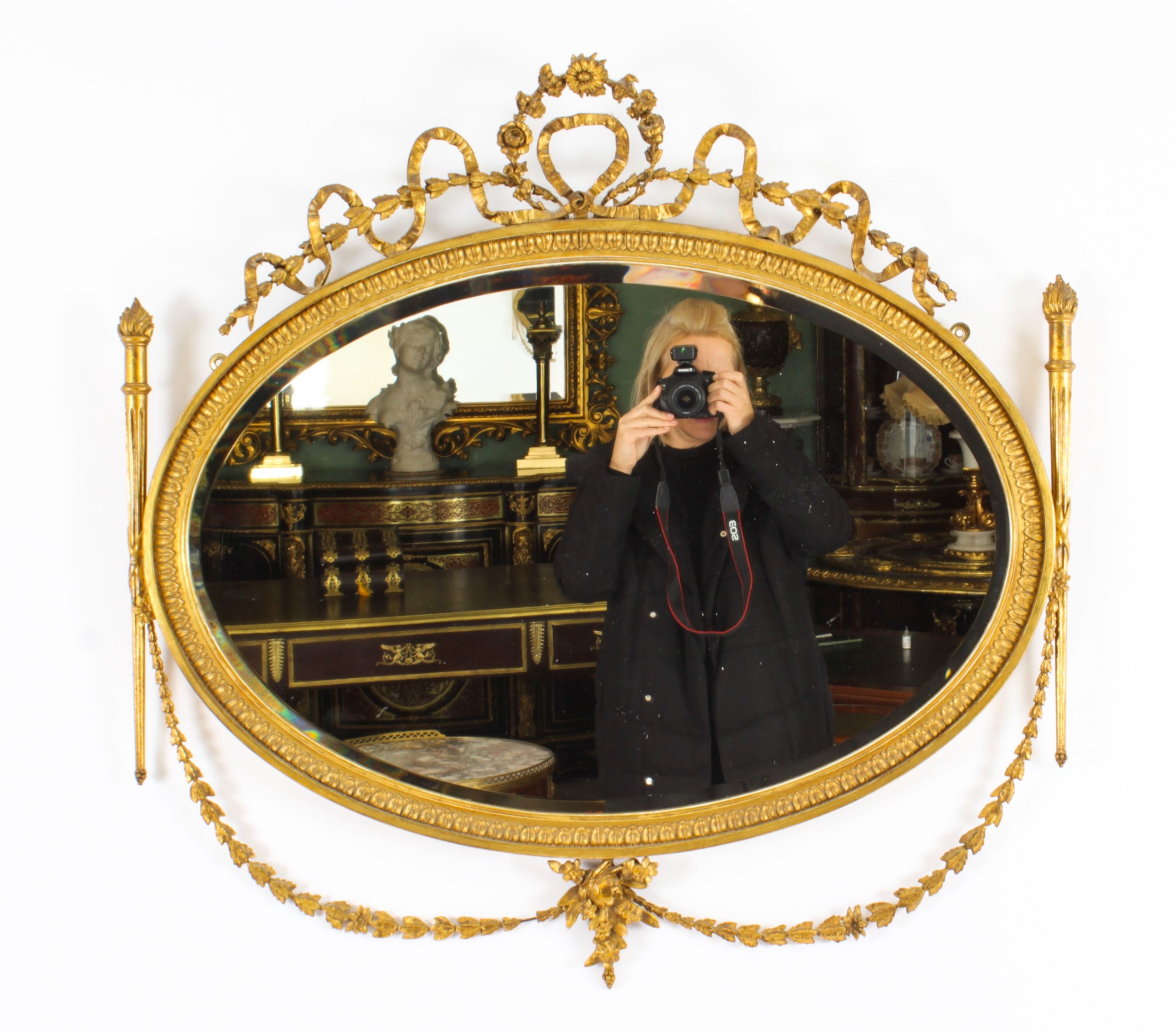
Antique Sheraton Revival Hand Carved Giltwood Oval Mirror 19th Century