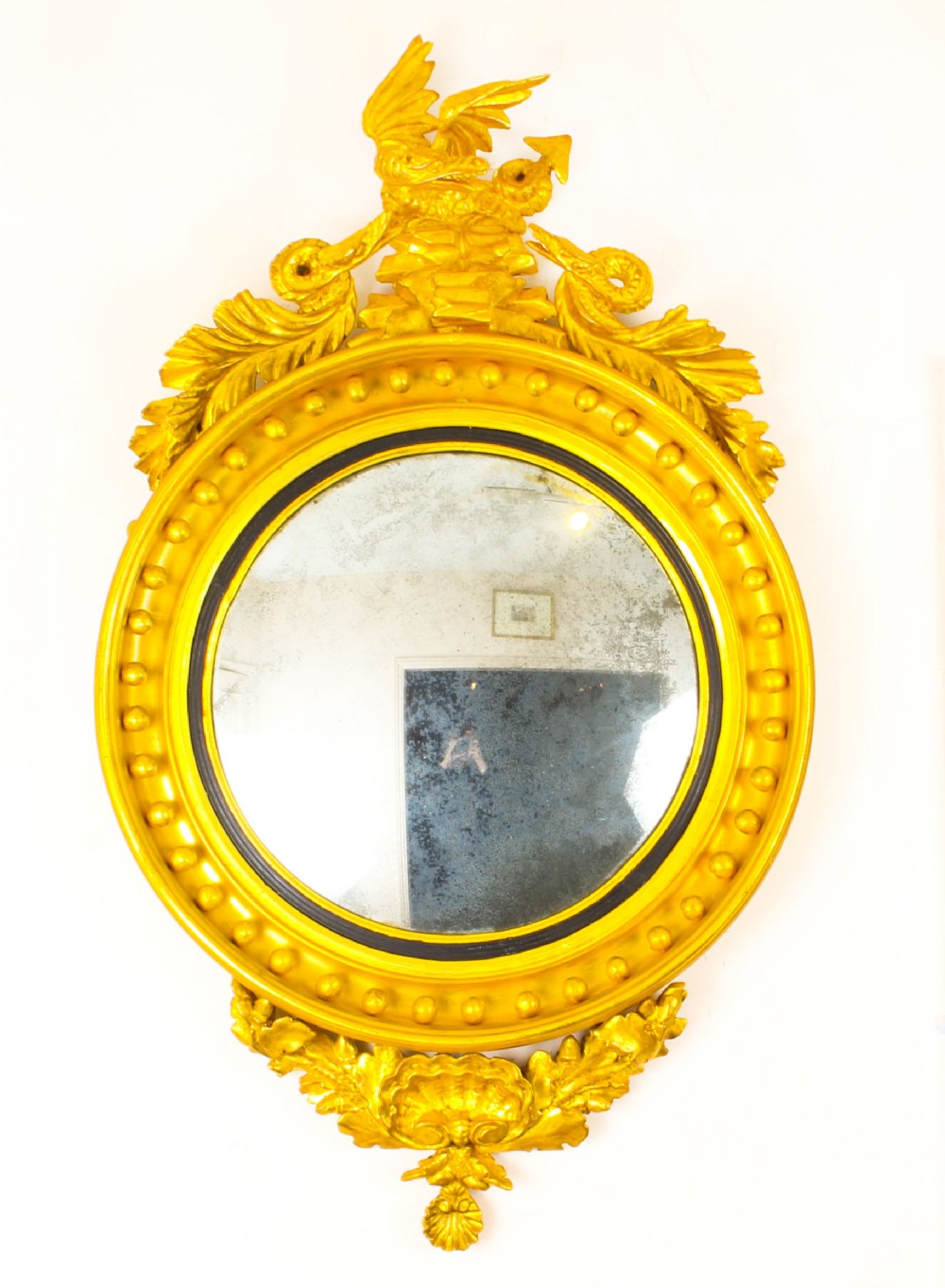
Regent Antiques has dated this piece to the 19th Century.
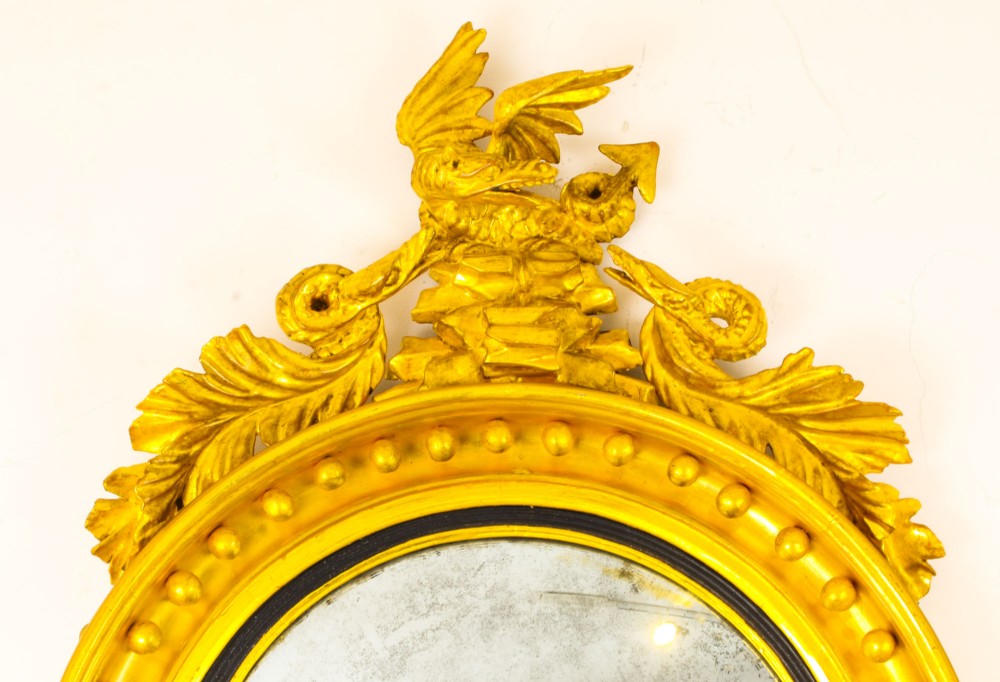
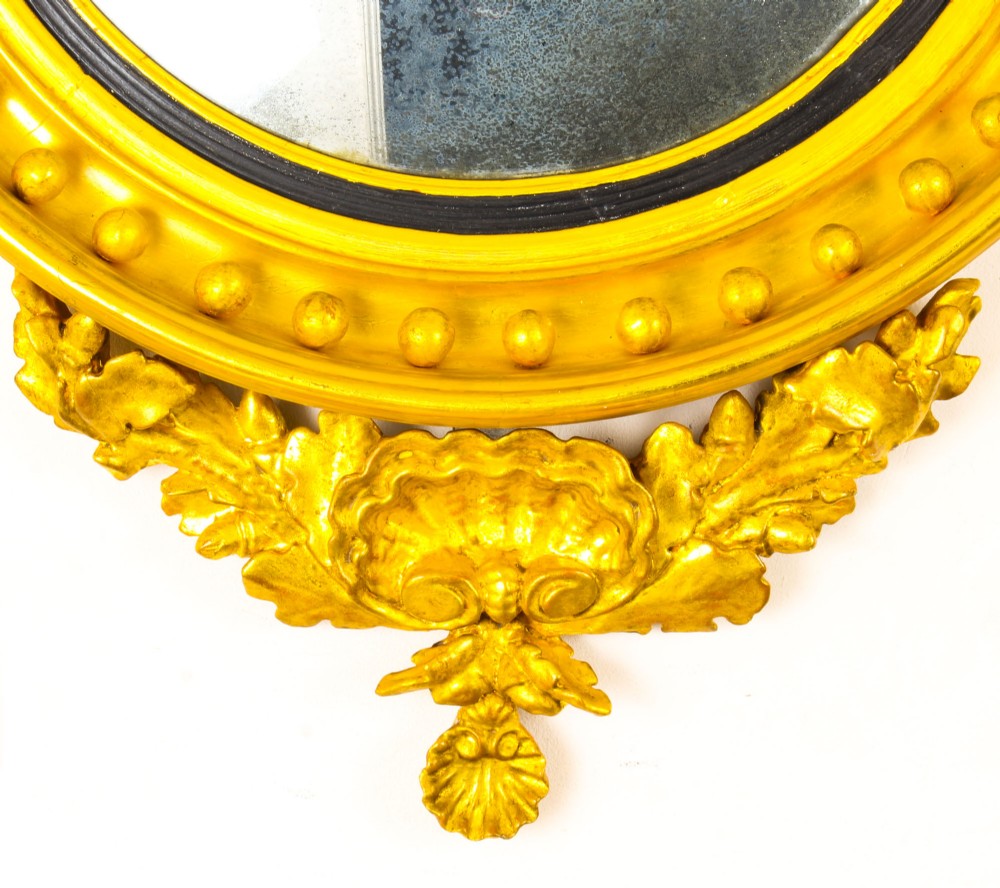
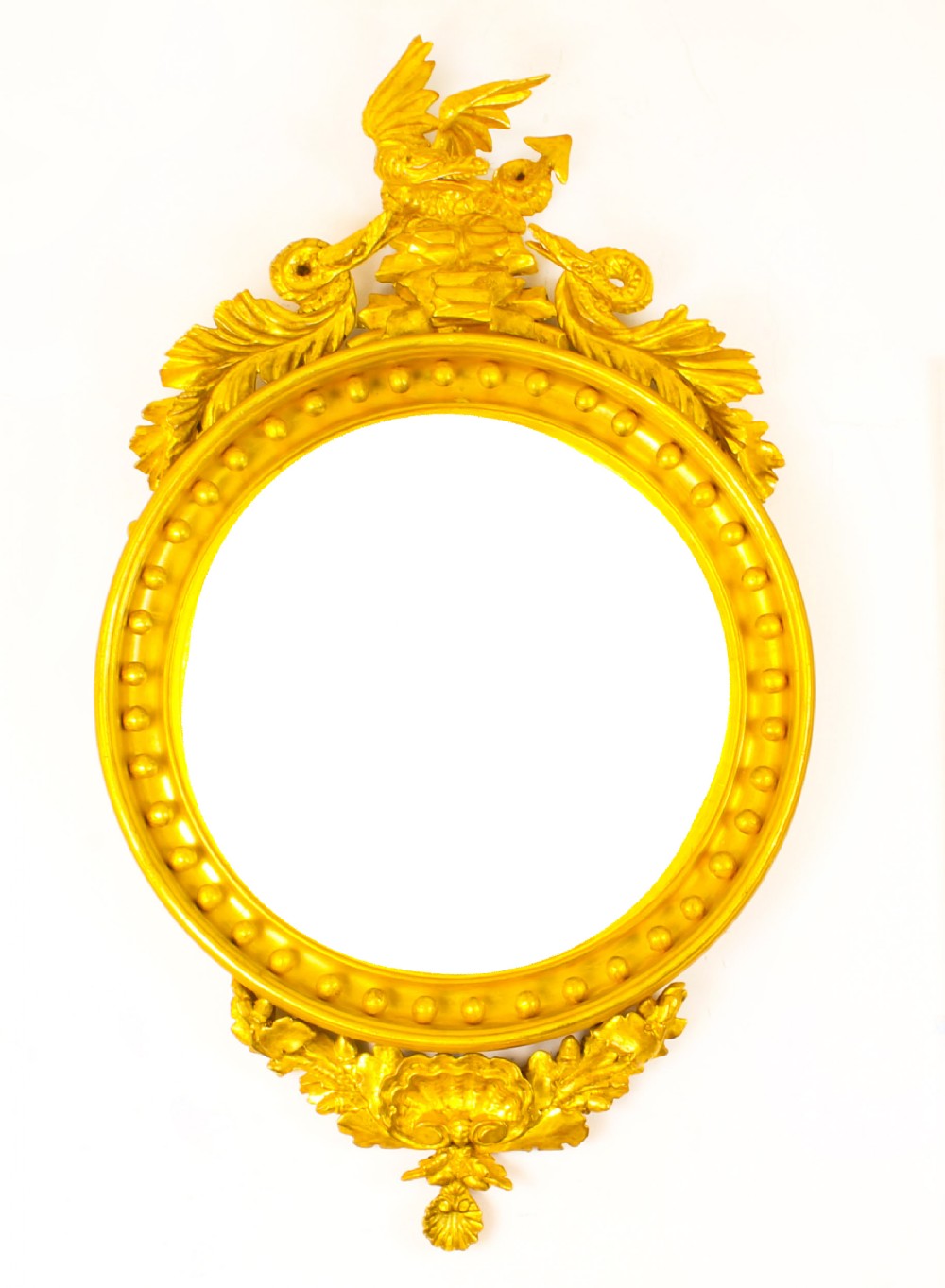
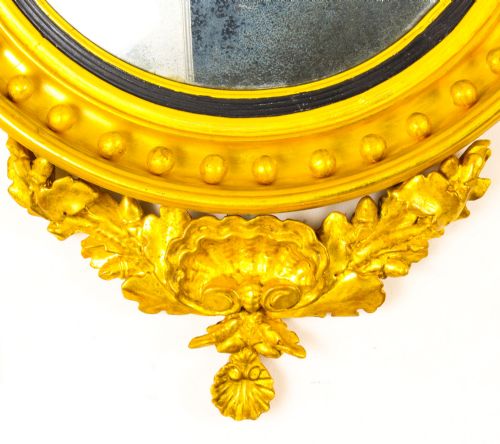
The carved top pendant features a carved dragon with a pair of serpents on rocks and a shell pendant finial to the bottom.
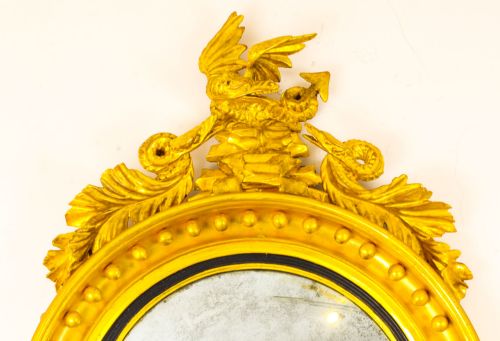
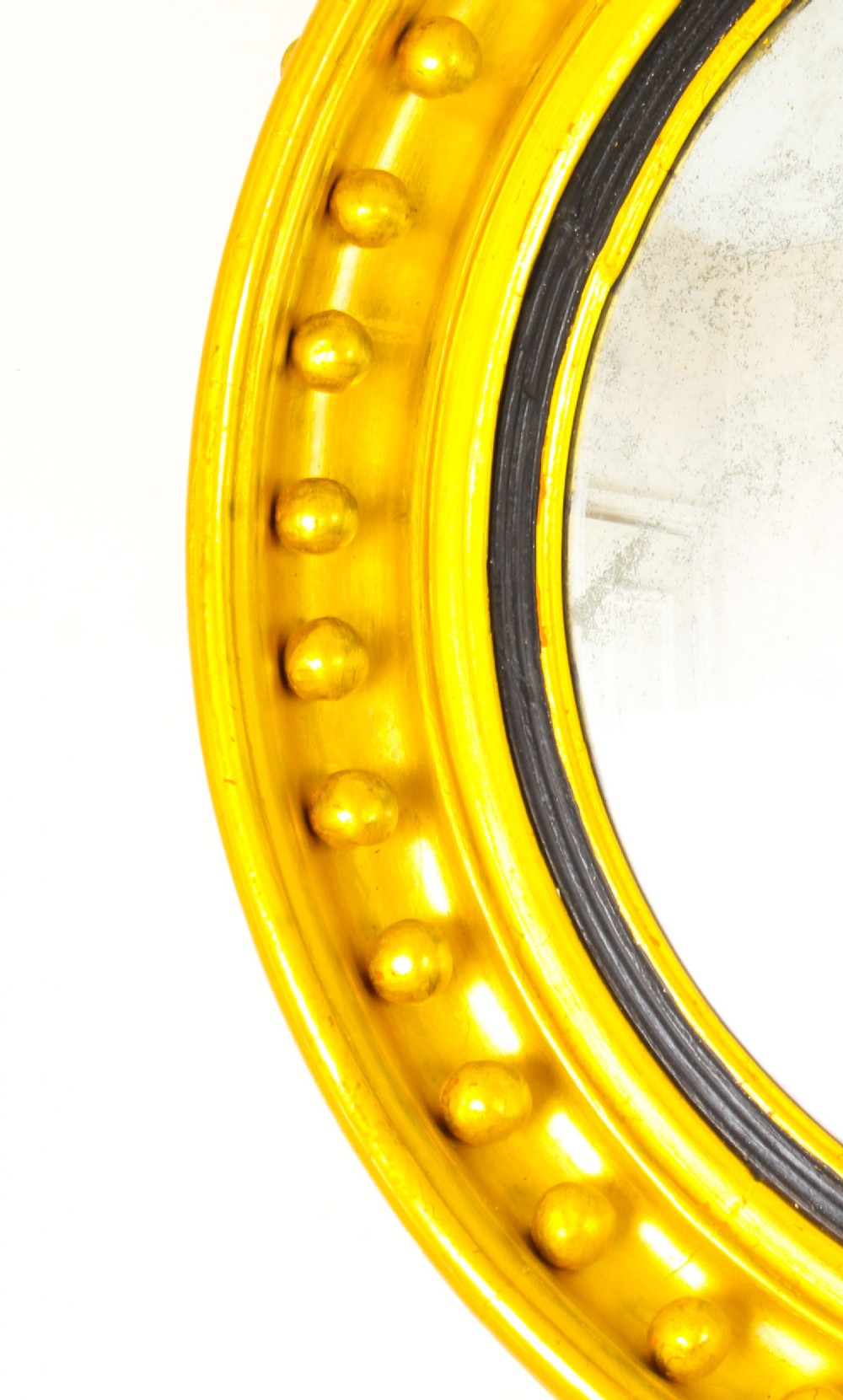
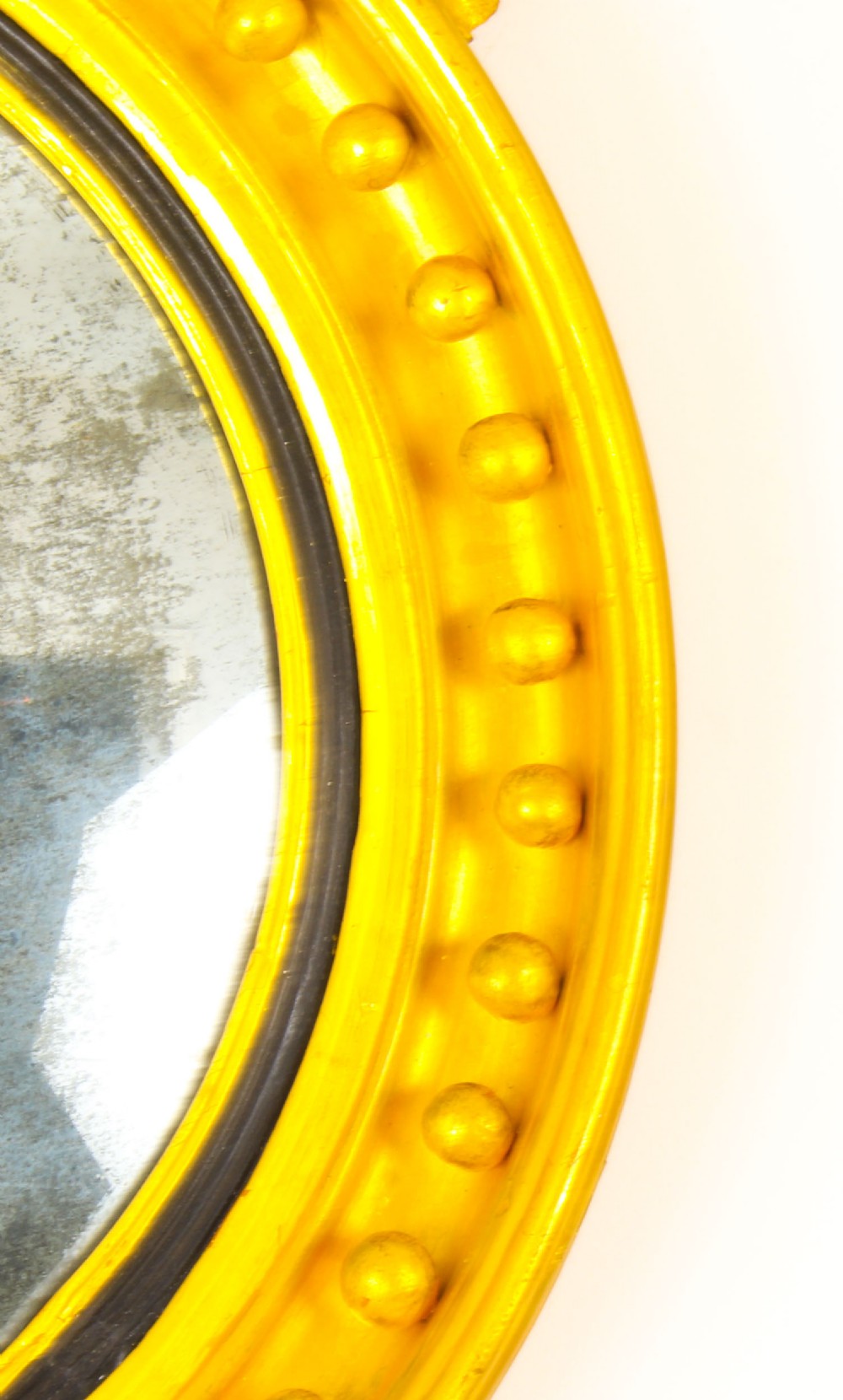
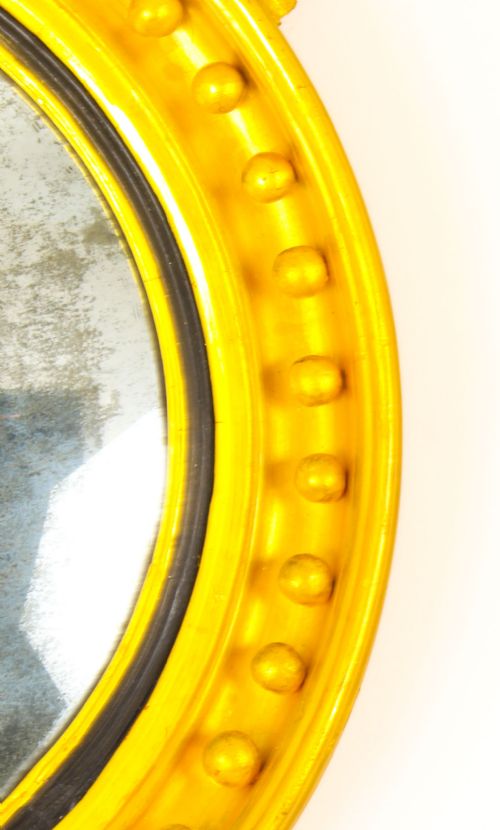
The quality and craftsmanship of this stunning piece are absolutely superb, and it has it's original convex mirror plate.
Add a touch of class to a special corner of your home with this fantastic mirror.
Condition:
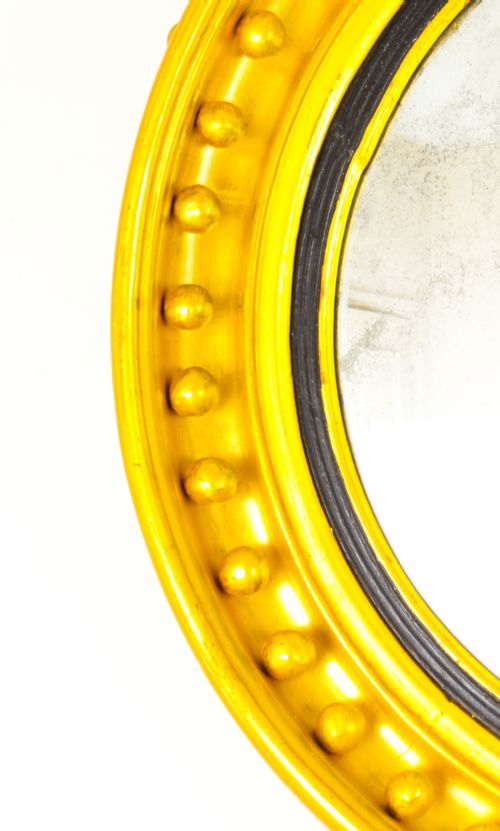
In excellent condition having been beautifully cleaned in our workshops. As antique items, the mirror shows signs of use commensurate with age, these minor condition issues are mentioned for accuracy and, as seen in the accompanying photographs, the mirror displays beautifully.
Dimensions in cm:
Height 115 x Width 66 x Depth 9
Dimensions in inches:
Height 45.3 x Width 26.0 x Depth 3.5
The purpose of gilding is to give the appearance of solid gold, a practice that began over 4,000 years ago in Egypt. Paintings from Egyptian tombs from around 2000 B.C. show workers pounding gold into thin sheets to apply to pieces of furniture and coffins. The Greeks applied gilding to statues in around 400 B.C.E., and gilding techniques have continued to be used in Europe, South America, Spain, Britain and the United States.
During the 18th century, Louis XIV of France flaunted his wealth with gilded furnishings, framed artwork and architectural detailing, marking France as a leader in the decorative arts.
Our reference: 08138
Regent Antiques has dated this piece to the 19th Century.
We specialise in english and continental furniture, silver, porcelain and decorative items.
You can view the stock and full dealer information on the Regent Antiques Profile Page
Regent Antiques is a registered member of LAPADA CINOA
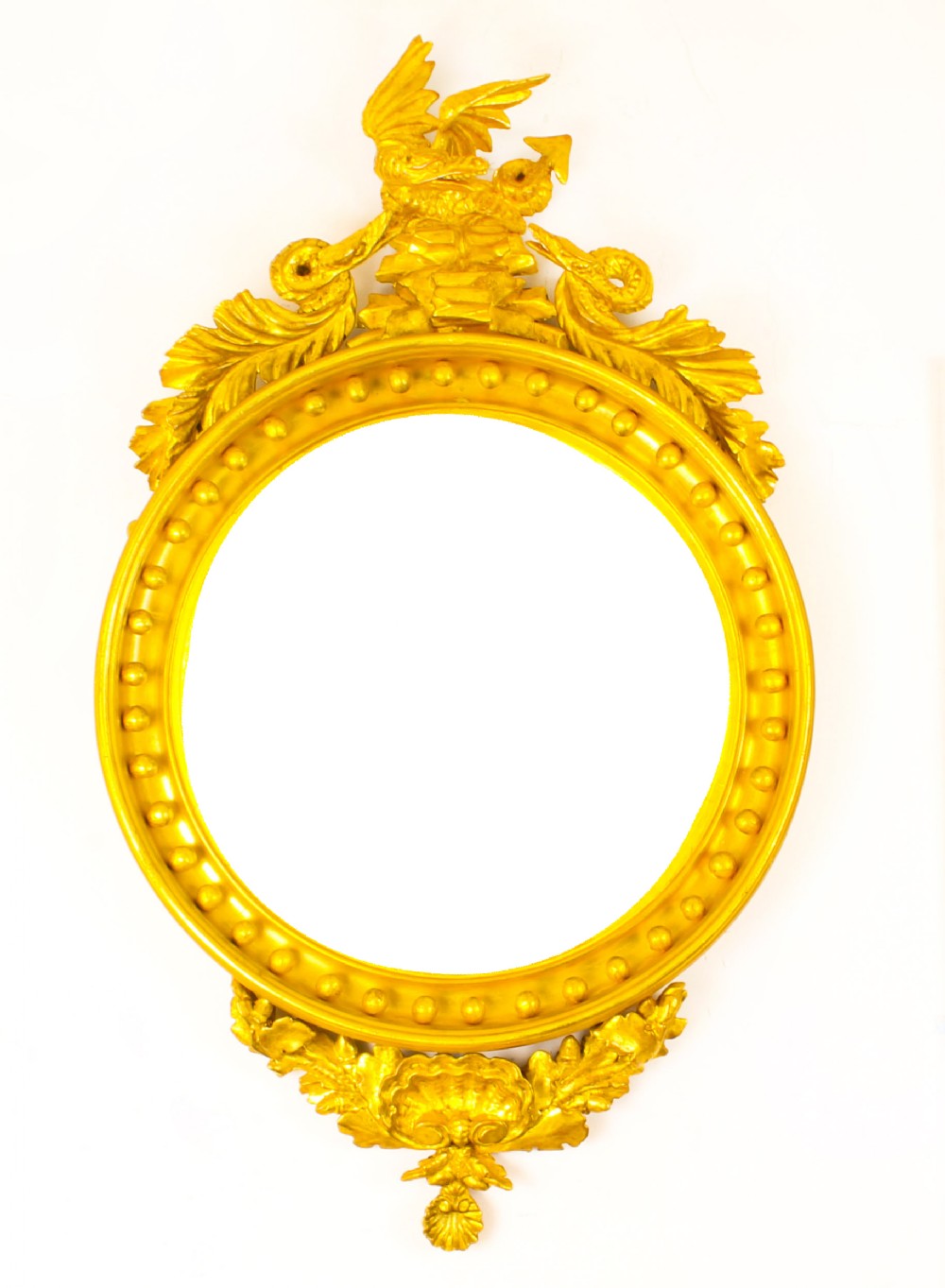
Antique English Regency Giltwood Convex Mirror C1820 19th Century