


A 2026 Guide by Sellingantiques
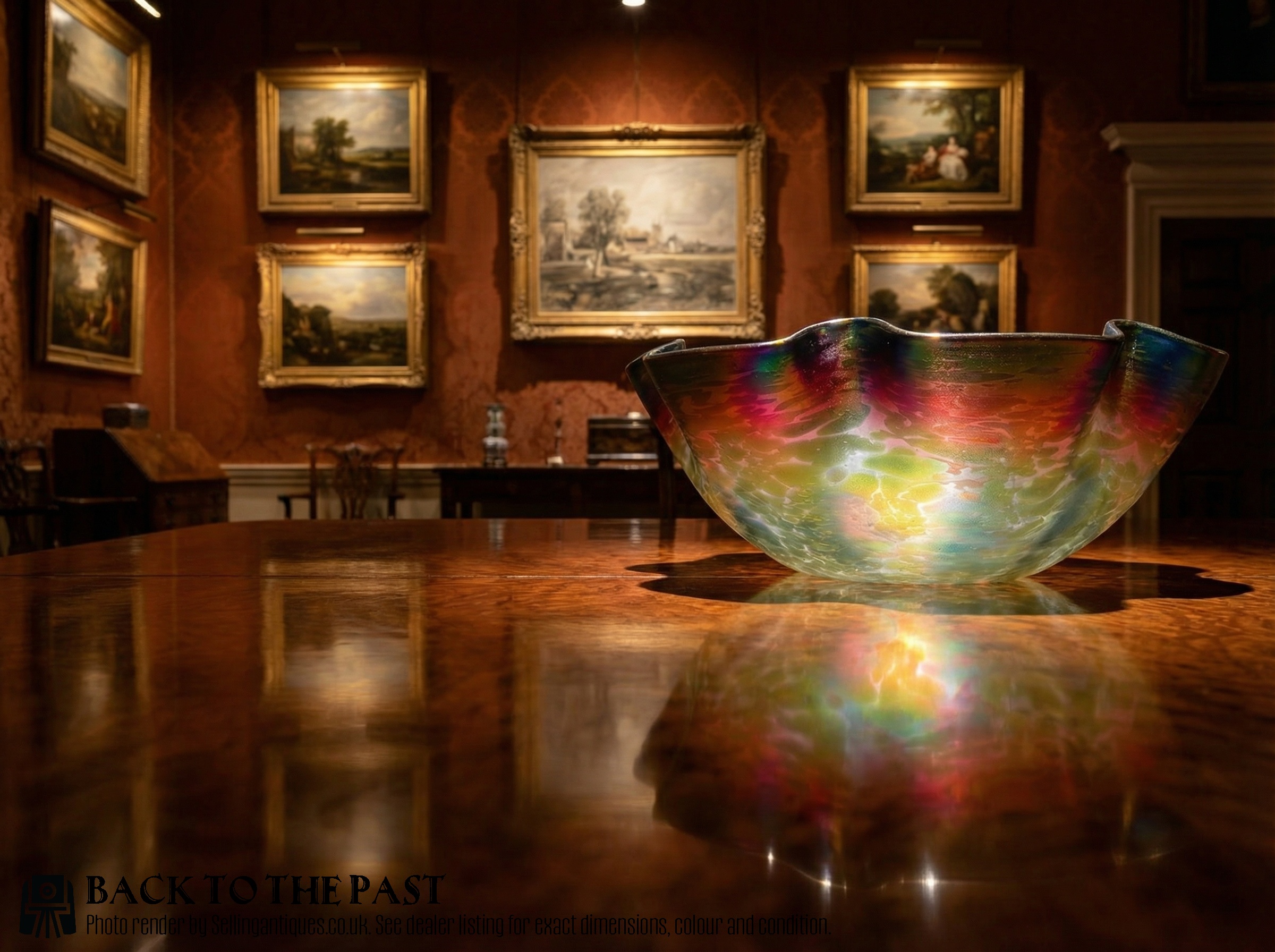
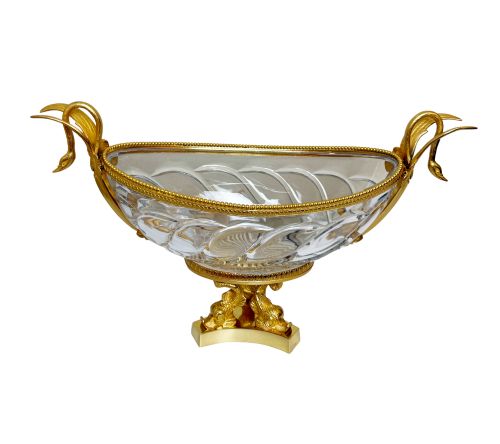
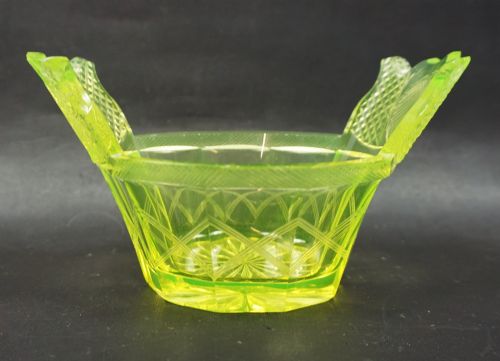
A Stunning Bohemian Art Glass Iridescent Bowl from the Loetz Factory, 1900
Priced at £675 from Robert Belcher Antiques
Early domestic examples often served functional roles in wealthy households before glass became a cheaper commodity.
The introduction of lead crystal changed the trade entirely. Heavier blanks allowed cutters to carve deeper patterns.
Look for pressed glass arriving in the nineteenth century. Factories started turning out patterned tableware for the masses.
Antique glass bowls soon became standard fixtures in middle-class dining rooms.
Waterford operated in Ireland during the late eighteenth and early nineteenth centuries. They produced thick, deeply cut tableware.
René Lalique transitioned from jewellery to glass in the early twentieth century. His frosted bowls often feature moulded natural motifs.
James Powell and Sons in London turned out quality blown vessels. They often produced distinct rippled and optic ribbed forms.
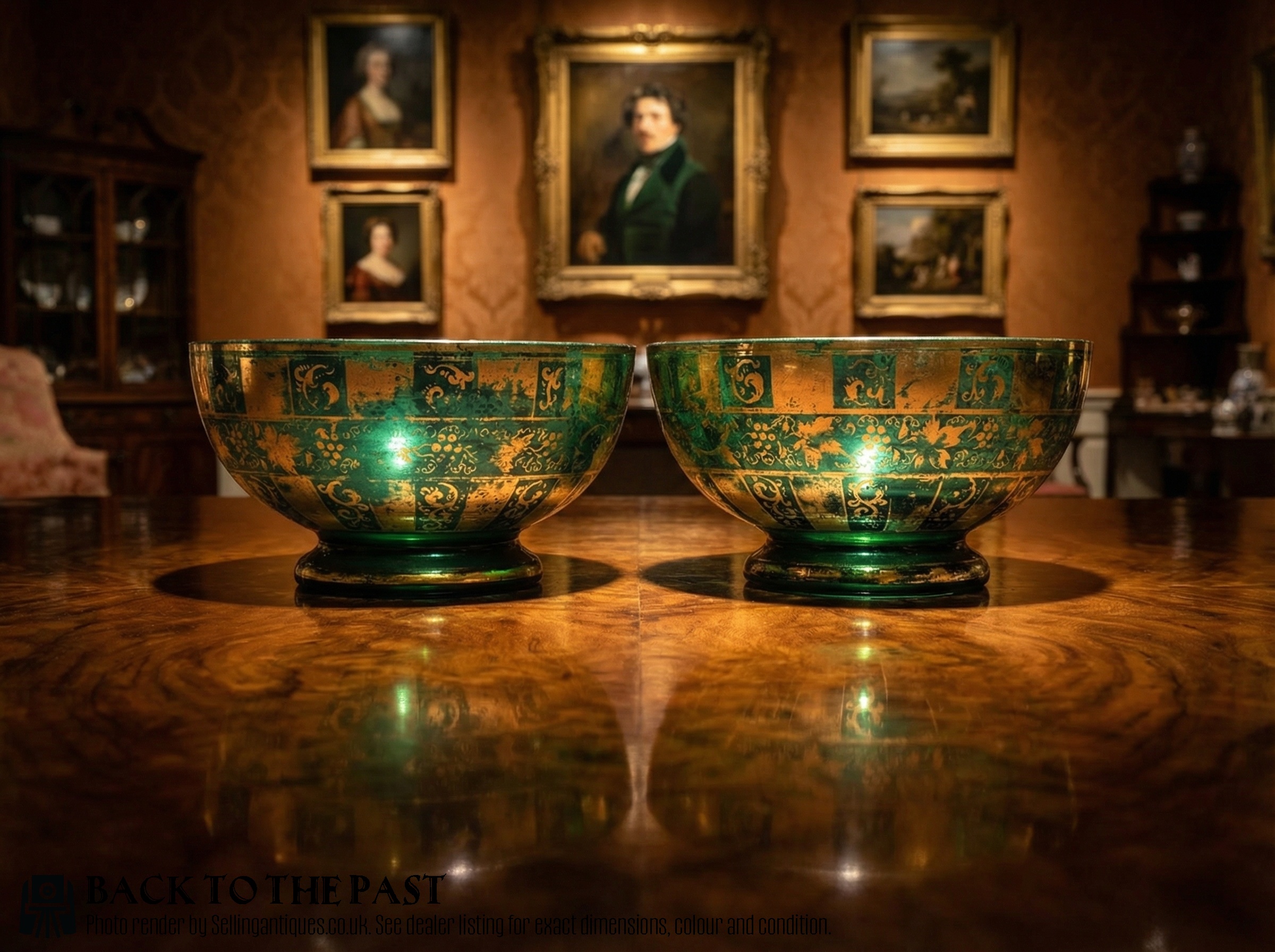
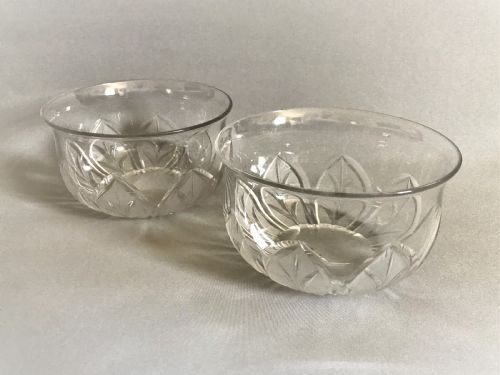
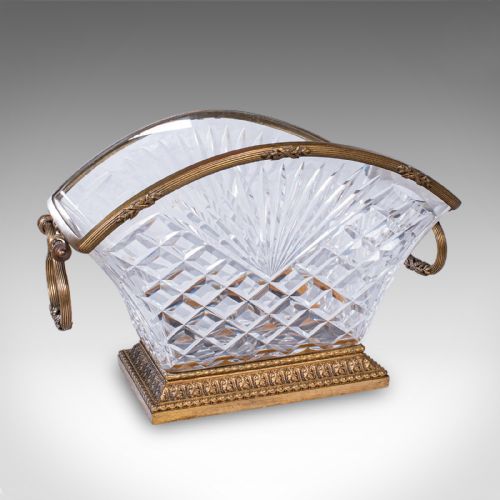
Bohemian Glass Bowls, 1900
Priced at £260 from Rue des Fontenelles
The 2026 retail price guide for Antique Glass Bowls is drawn from a proprietary archive of over 1.1 million retail prices indexed by Sellingantiques since 2003. This guide relies exclusively on their own internal data; no external sources or auction records are used.
Analysing nearly 25 years of UK antique market history alongside current retail values, the data indicates that typical UK retail prices for Antique Glass Bowls range between £100 and £900. Entry-level prices generally fall under £100 and premium examples upwards of £900.
Cut rims are a strong indicator of hand work. Scalloped edges or castellations break up the top line.
Turn the bowl over to check the base. A polished pontil mark points to a blown blank.
Thick walls usually suggest an intent to cut heavy facets into the sides of the antique glass bowl.
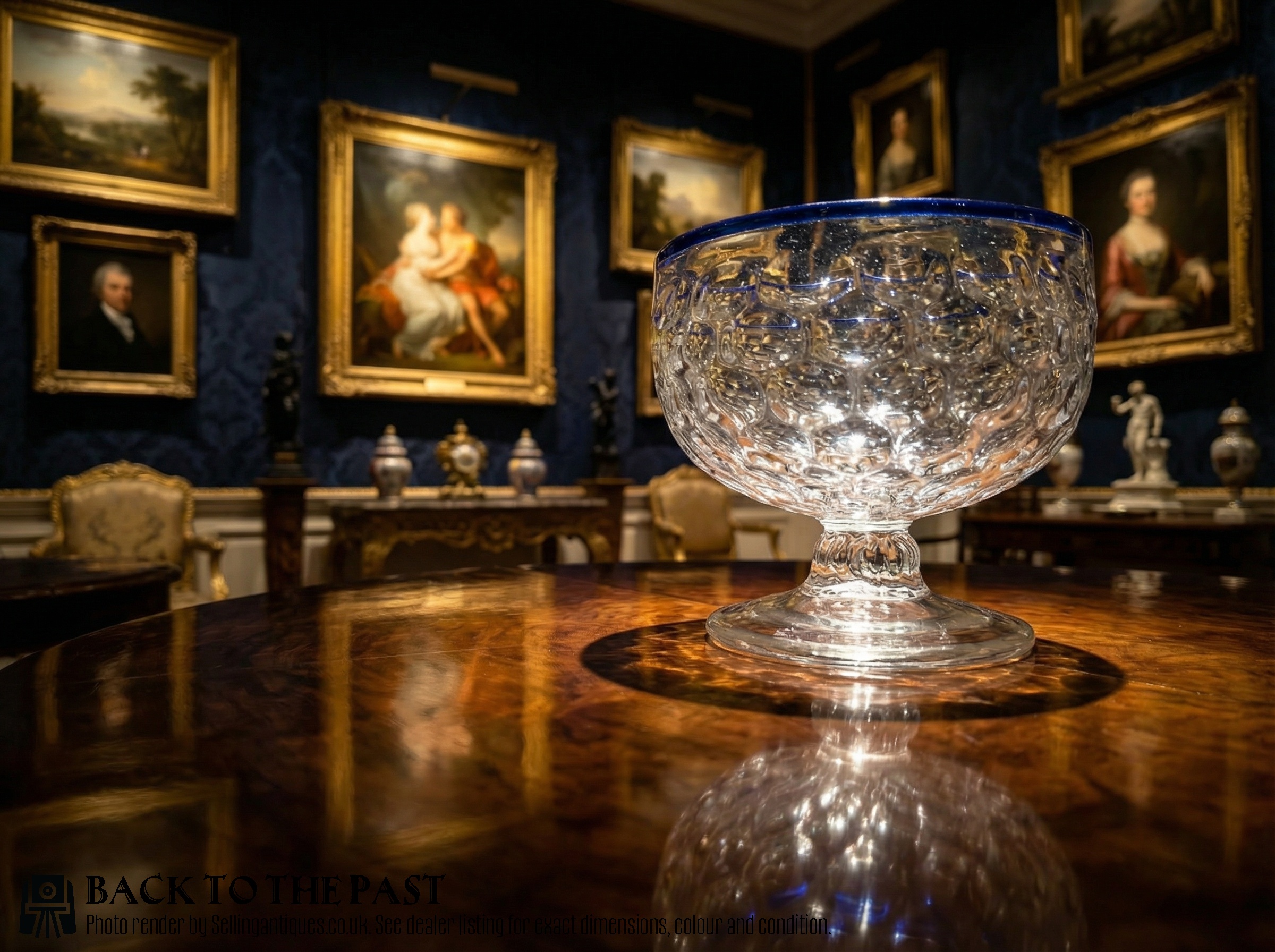
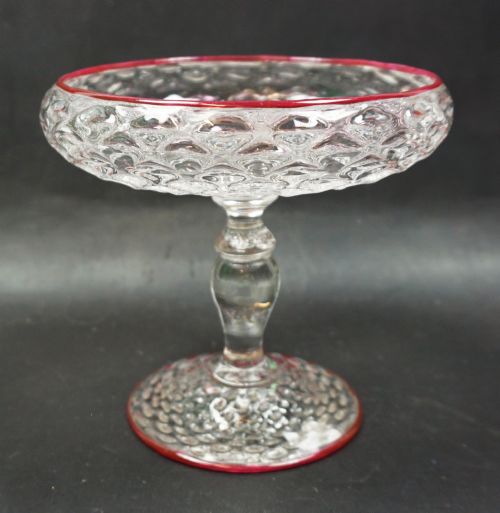
A Rare 18th Century Blue Rim Sugar Bowl, 18th Century
Priced at £165 from Jeff Sims Antiques
Blowing into a mould speeds up production. It gives a uniform shape while letting the surface remain smooth.
Cutting wheels start with coarse stone to rough out the pattern. Wooden wheels then polish those deep grooves back to clear glass.
Sometimes decorators applied enamel paint directly onto the finished surface before firing it in a low kiln.
"Uranium oxide was sometimes added to the batch. The resulting green bowls glow brightly under ultraviolet light."
"Makers frequently left tiny bubbles trapped inside the walls. These small flaws give hand-blown items character."
"Some large punch bowls ring like a bell when tapped gently with a fingernail."
Based on almost 25 years of Sellingantiques UK antique market data, Antique Glass Bowls appeared 2728 times (out of 1,100,000 antiques) which gives it a rarity score of 58/100.
This score measures scarcity within the Sellingantiques archive only and is not a survey of the entire antiques market, so these statistics may not be indicative of the general availability of Antique Glass Bowls elsewhere.
Manganese was often used to clarify the glass mix. Over many decades, exposure to ultraviolet rays in sunlight causes the manganese to react.
This slow chemical shift turns the clear glass a pale amethyst shade. It happens most frequently to pieces left sitting on bright windowsills.
Run your thumb firmly over the patterned edges. Hand-cut facets feel sharp and precise because they were ground on a wheel.
Pressed glass patterns usually feel slightly rounded or blunt. You will often find faint mould seams running through the design on a pressed piece.
Warm water and mild soap are safe. Just keep the temperature moderate.
Avoid sudden temperature changes. Plunging a cold piece into hot water can shock the material and cause it to crack.
You are describing cameo glass. Makers applied a layer of opaque white glass over a dark blue body.
A craftsman then carved away the white layer to leave those raised figures standing out against the background. It takes great skill to cut away the casing without breaching the base colour.
Please note: This Antique Glass Bowls guide and its associated pricing data are provided for general informational purposes only. It does not constitute formal financial, investment, or appraisal advice and should not be relied upon as the sole basis for any commercial activity, purchasing, or sales decisions. Sellingantiques.co.uk accepts no liability for any actions taken in reliance on this information. Always consult with a qualified professional or independent appraiser.
