
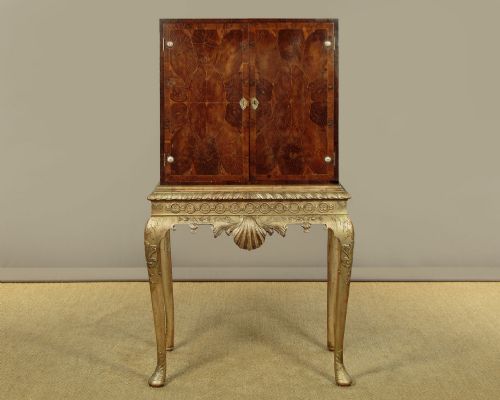
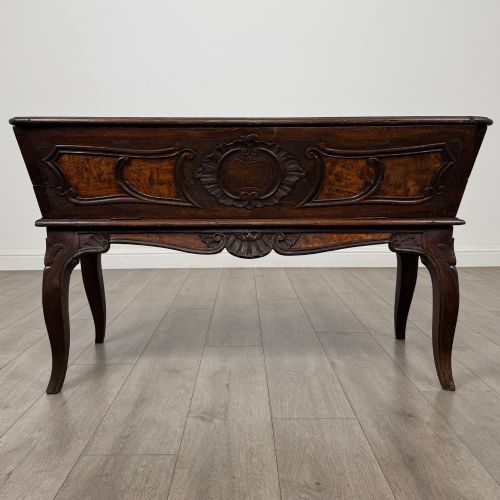
A 2026 Guide by Sellingantiques
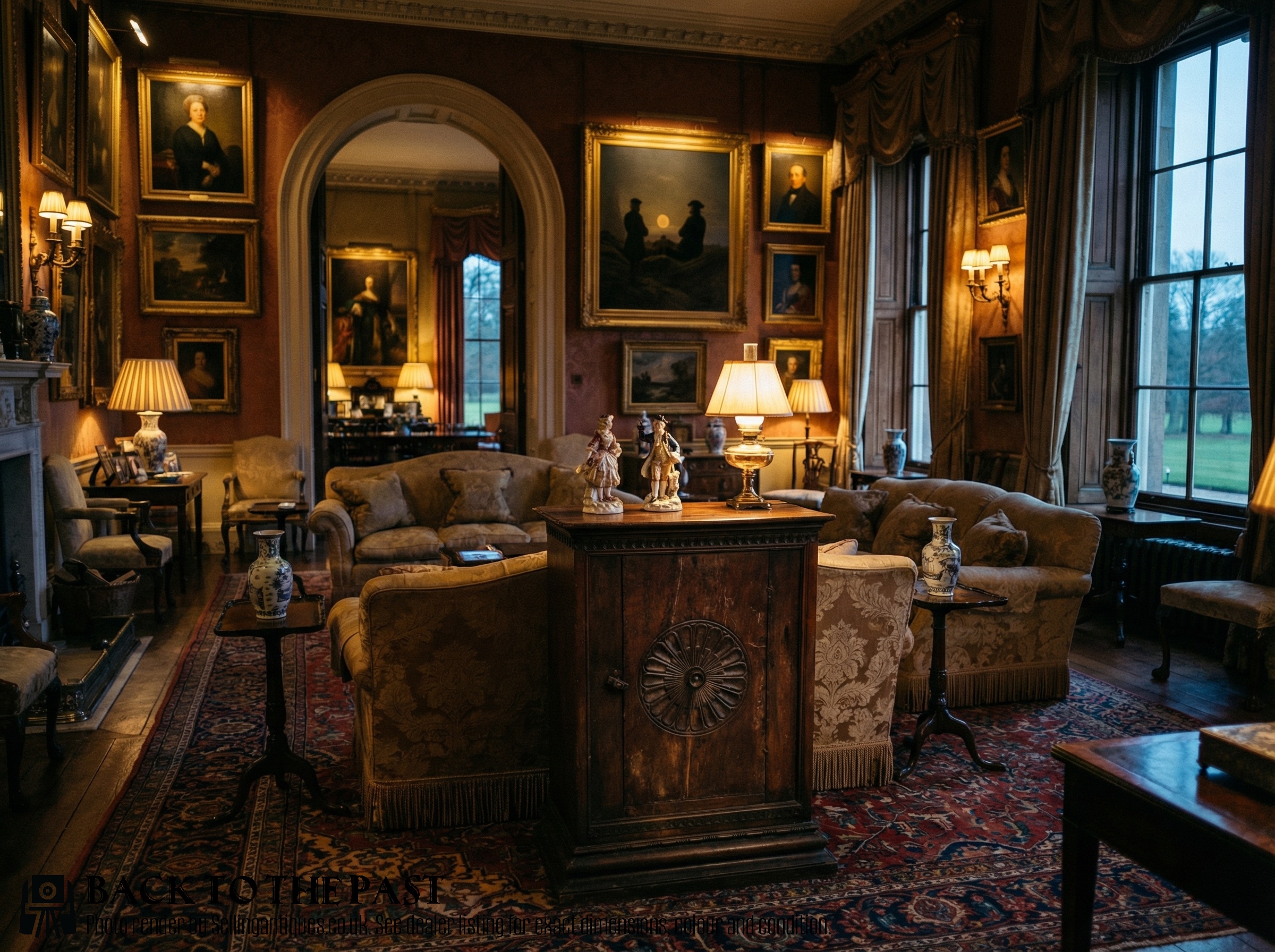
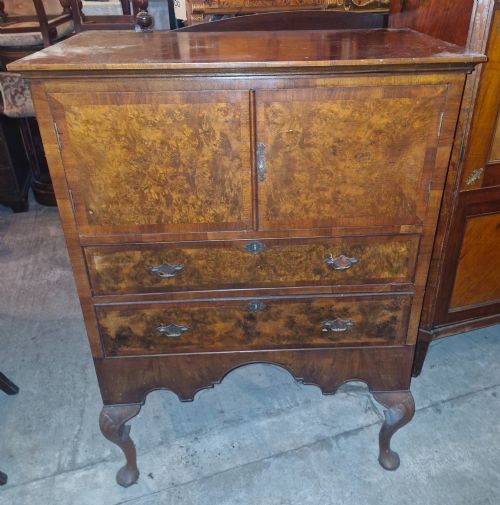
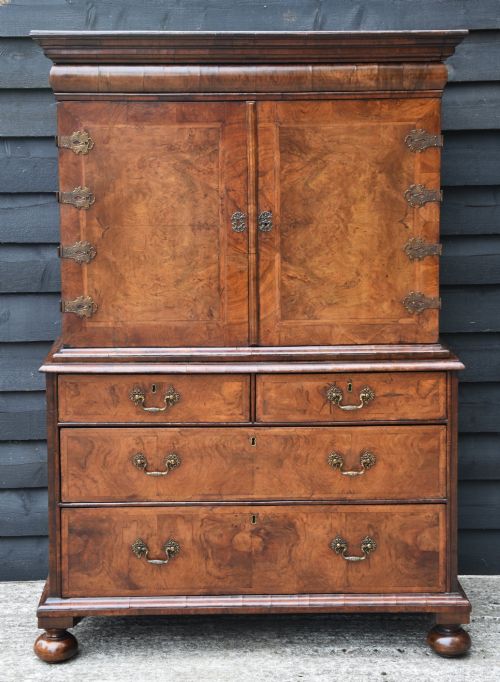
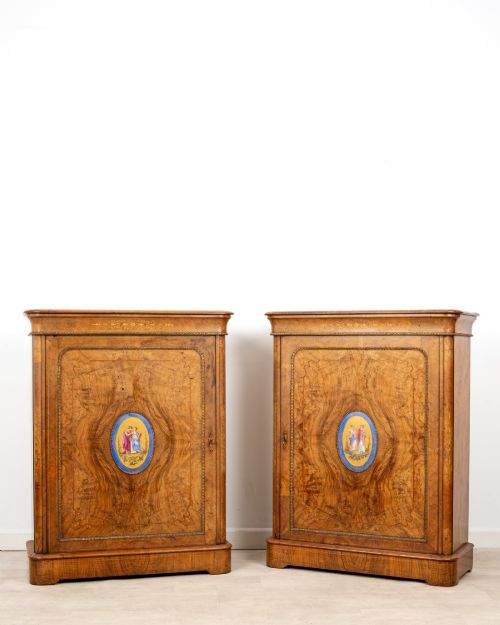
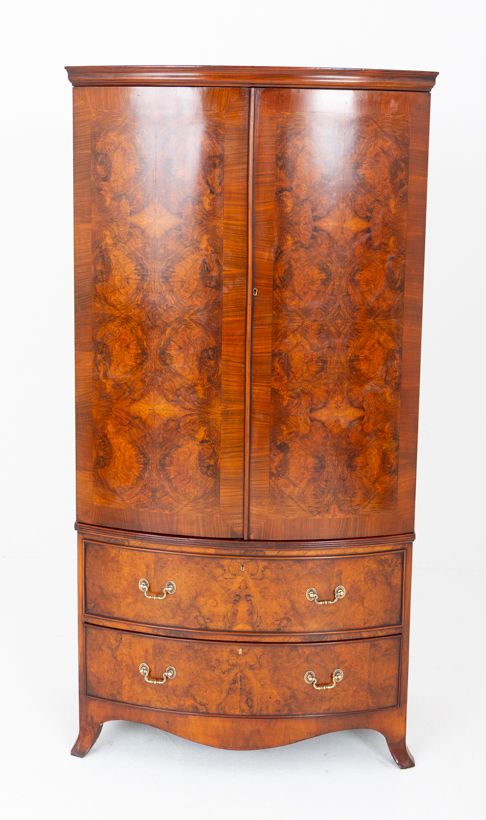
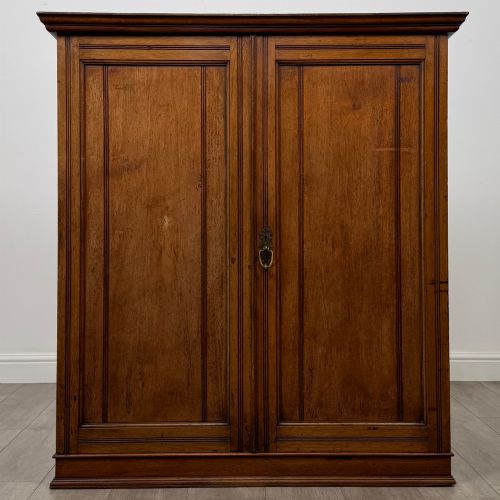
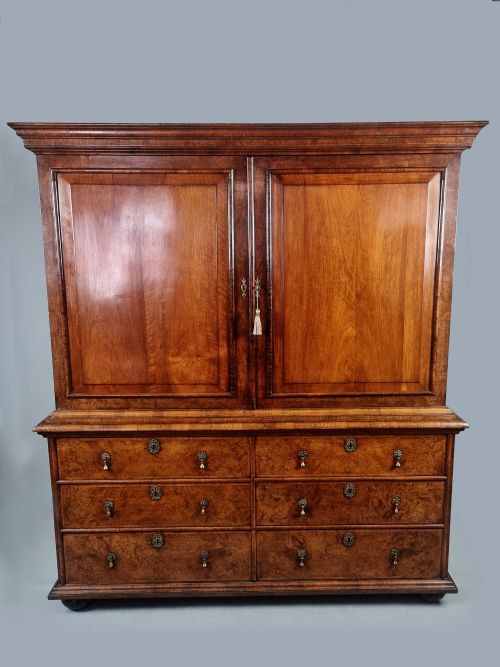
Early C18th Italian Tuscan Walnut Pedestal Cupboard., 18th Century
Priced at £1,150 from M Lees and Sons
English makers embraced the timber during the late seventeenth century. It replaced oak as the favoured wood for fashionable storage.
Most antique walnut cupboards held folded textiles. Hanging clothes on rails became common much later.
Look closely at continental pieces. Dutch and German workshops produced large press cupboards throughout the eighteenth century.
Country cabinetmakers adopted the style decades after London workshops. You'll often find rustic versions constructed later than their design suggests.
Few antique walnut cupboards bear a maker's stamp. The trade relied heavily on anonymous journeymen working in regional centres.
London firms like Giles Grendey produced veneered examples during the early Georgian period.
Provincial craftsmen adapted the fashionable forms. They simplified the complex bookmatching techniques used by city cabinetmakers.
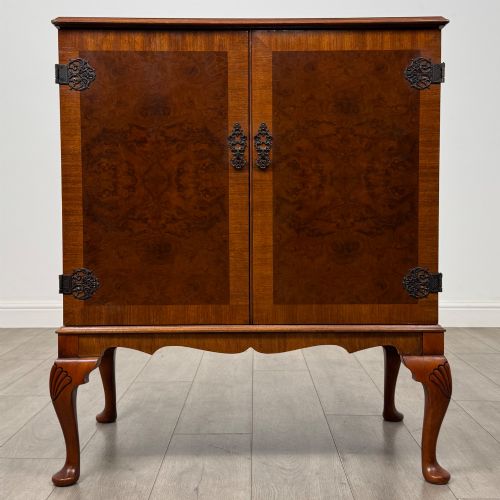
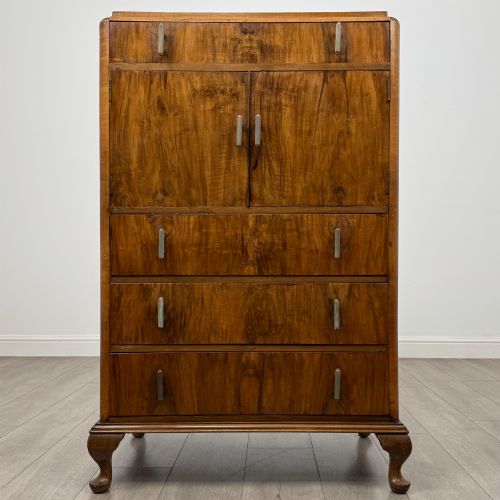
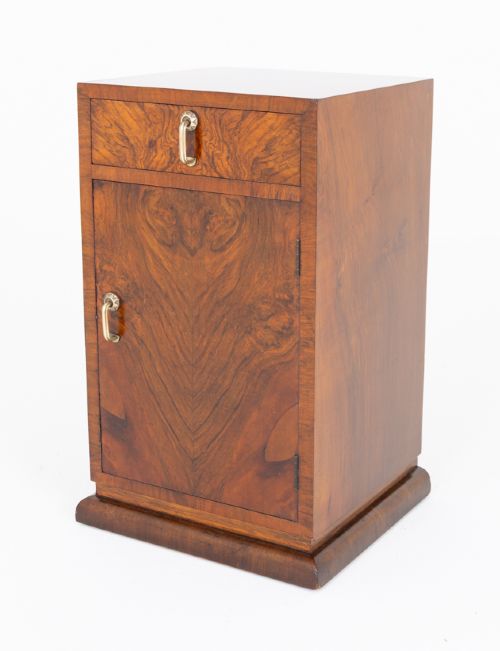
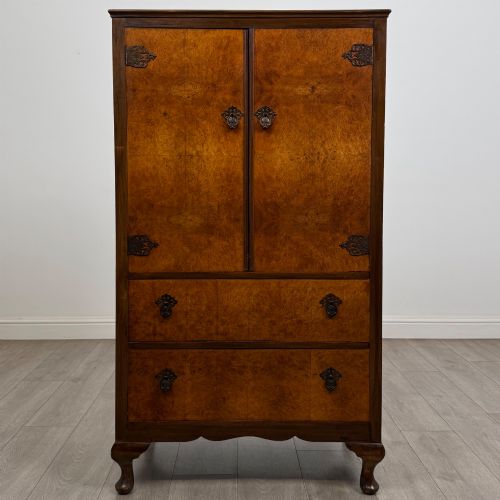
Figured Walnut Press Cupboard, 1920
Priced at £2,975 from Shackladys Antiques
The 2026 retail price guide for Antique Walnut Cupboards is drawn from a proprietary archive of over 1.1 million retail prices indexed by Sellingantiques since 2003. This guide relies exclusively on their own internal data; no external sources or auction records are used.
Analysing nearly 25 years of UK antique market history alongside current retail values, the data indicates that typical UK retail prices for Antique Walnut Cupboards range between £600 and £3,200. Entry-level prices generally fall under £600 and premium examples upwards of £3,200.
Prominent cornices often cap the top section. They project outward to give the piece visual weight.
Panelled doors frame symmetrical grain patterns. Bookmatching the veneers creates mirrored designs across the front of the antique walnut cupboard.
Hardware usually consists of brass drop handles or shaped escutcheons. They're set into the inner door edges.
Early examples rely on heavy solid panels secured with pegged mortise and tenon joints.
Saw-cut veneers allowed cabinetmakers to use the wildest grain. These thick sheets were laid down using hot animal glue and heavy cauls.
Turn the drawers over to see the dovetails. Later eighteenth-century pins are noticeably finer than those cut in earlier decades.
"The wood lightens naturally over time when exposed to sunlight. A golden honey tone indicates decades of gentle fading."
"Crushed walnut shells were sometimes boiled down to create stains. Makers used this wash to unify the colour of the timber before polishing."
"Burrs are actually irregular growths on the tree trunk. Cabinetmakers sought them out specifically for their swirled patterns."
Based on almost 25 years of Sellingantiques UK antique market data, Antique Walnut Cupboards appeared 3463 times (out of 1,100,000 antiques) which gives it a rarity score of 50/100.
This score measures scarcity within the Sellingantiques archive only and is not a survey of the entire antiques market, so these statistics may not be indicative of the general availability of Antique Walnut Cupboards elsewhere.
They're substantial pieces of furniture. A typical early eighteenth-century press cupboard can weigh over a hundred kilograms. The oak or pine carcase wood makes up most of this mass.
You usually need two or three strong people to move one safely. Some break down into an upper and lower section to make transport easier. Always check if the top lifts off the base before trying to shift the whole thing.
Altering the proportions damages the integrity of the piece. The feet are an essential part of the design and cutting them throws off the visual balance.
Look for a slightly smaller antique walnut cupboard instead. Regional makers often built lower versions specifically for farmhouses and country cottages with low beams. Taking the cornice off is sometimes possible as it may just sit on locating pins.
Dust the surface regularly with a dry cloth. Use a soft duster that won't catch on any lifted edges of veneer.
Apply a good beeswax polish twice a year. Buff it along the grain. Avoid liquid aerosol sprays because they often contain silicones that cloud the old finish.
Flight holes are normal in period furniture. Woodworm beetles favoured the softer pine and sapwood used for the backboards and drawer linings. The harder walnut surface usually remains untouched.
Most holes you see are historic and long inactive. A light tap on the surrounding wood will dislodge fine dust if there's still active movement inside. Treat the unseen carcase wood with a proprietary fluid if you have doubts.
Please note: This Antique Walnut Cupboards guide and its associated pricing data are provided for general informational purposes only. It does not constitute formal financial, investment, or appraisal advice and should not be relied upon as the sole basis for any commercial activity, purchasing, or sales decisions. Sellingantiques.co.uk accepts no liability for any actions taken in reliance on this information. Always consult with a qualified professional or independent appraiser.
