
A 2026 Guide by Sellingantiques
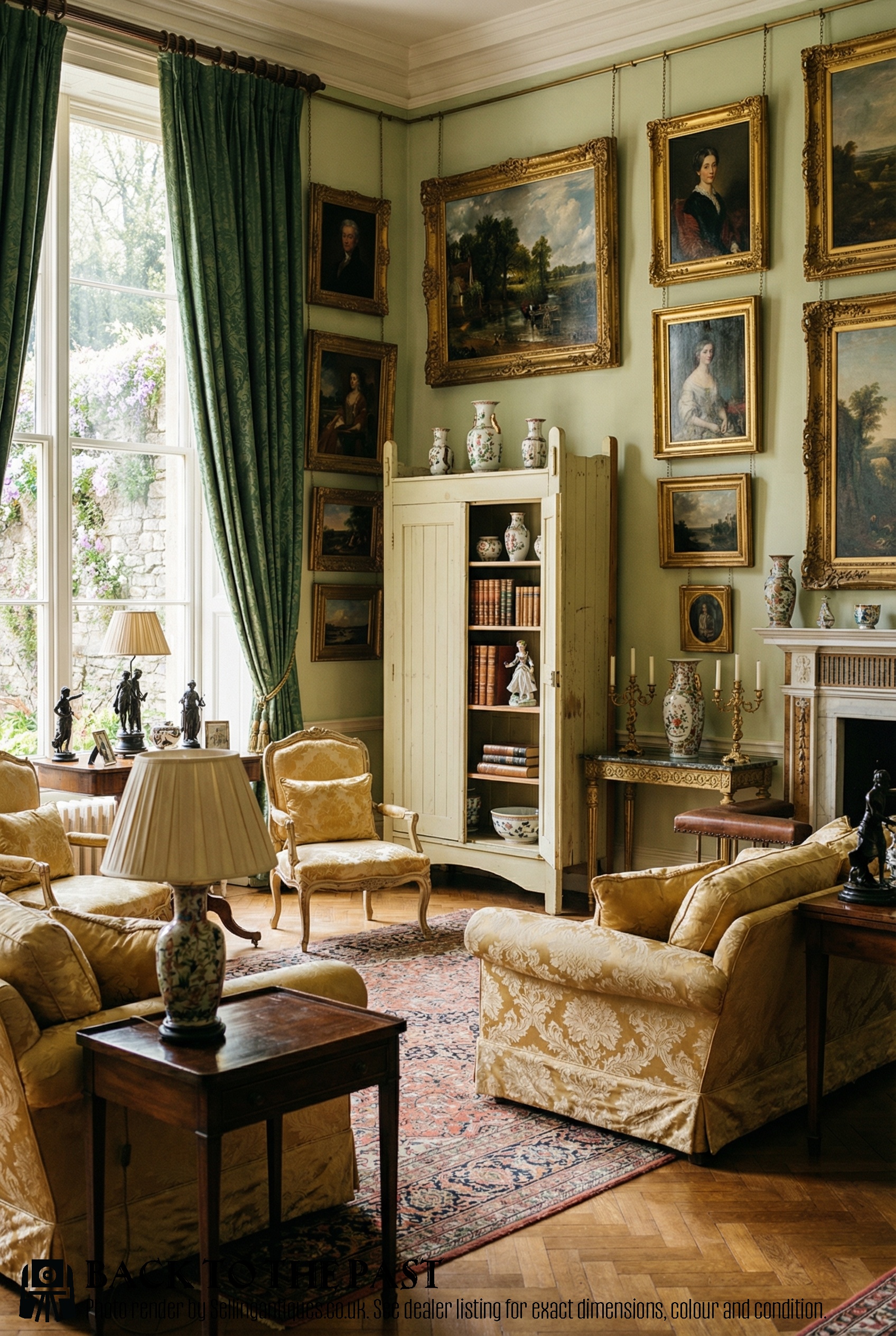
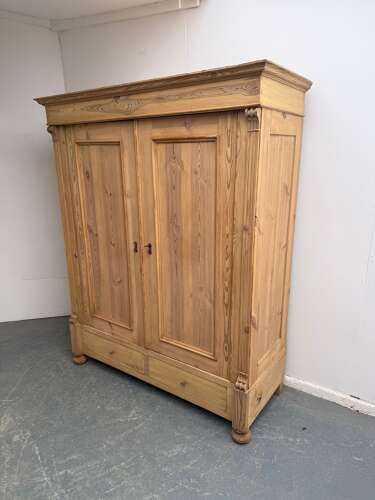
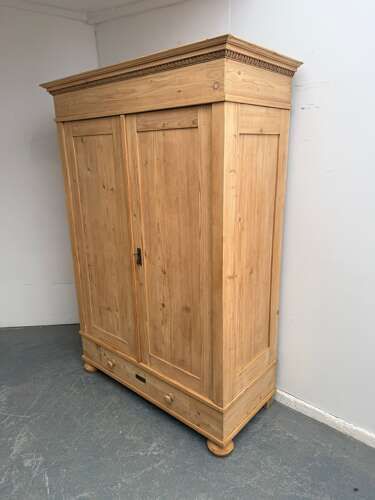
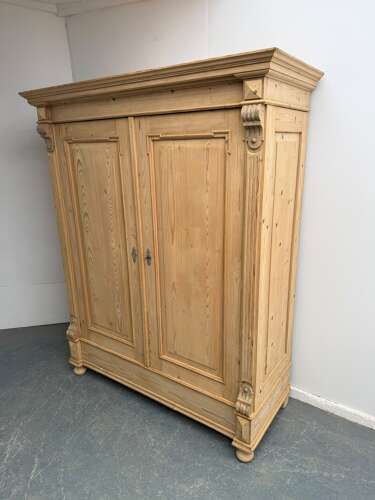
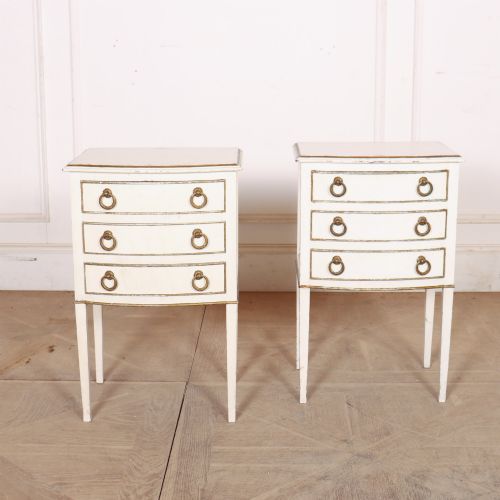
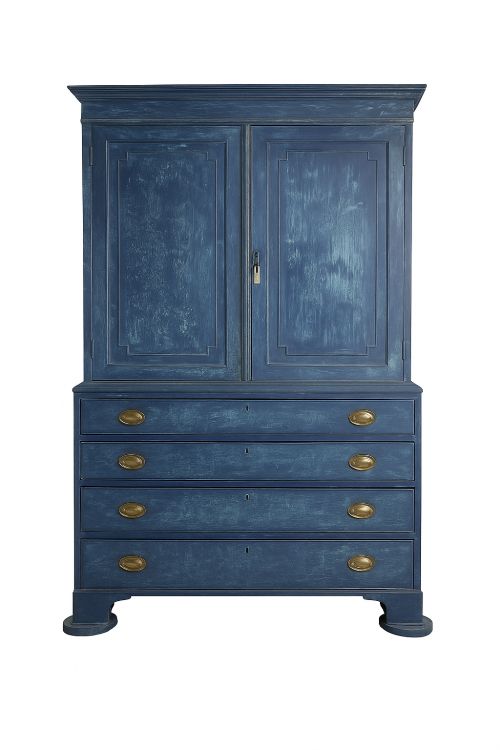
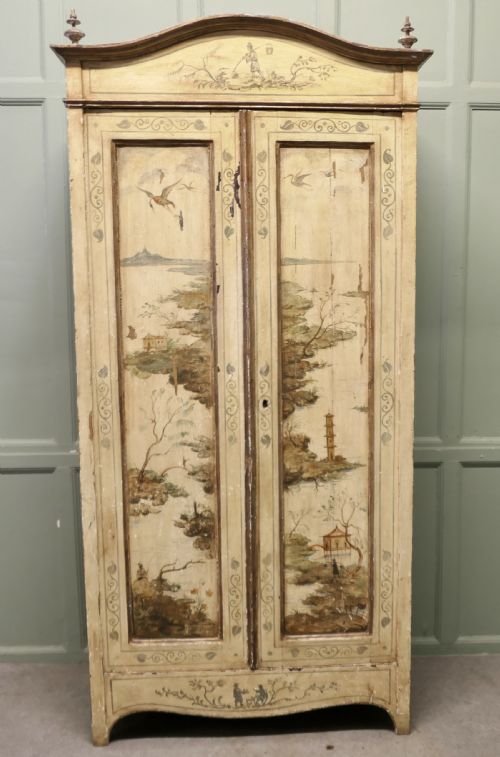
Useful Painted 2 Door Housekeepers Cupboard., Edwardian
Priced at £365 from Rupert Hitchcox Antiques
Early examples started life in rural farmhouses. They held everyday household goods.
Distinct local styles emerged for these antique painted cupboards. Patterns often mimicked expensive veneers.
Look at the social standing of the original owner. Wealthier households commissioned hardwood while poorer families settled for painted pine.
During the nineteenth century, factory production replaced rural workshops. Hand-decorated pieces became less common.
Pigment availability dictated palettes. Earth hues dominated because they cost very little to source.
Documented individual makers rarely exist for everyday provincial furniture. Small village joiners produced the vast majority.
In Alpine regions and Pennsylvania German communities, strong workshop traditions developed. They produced highly decorated cupboards.
Travelling painters often decorated plain cabinets. They applied fresh coats over older work when fashions changed.
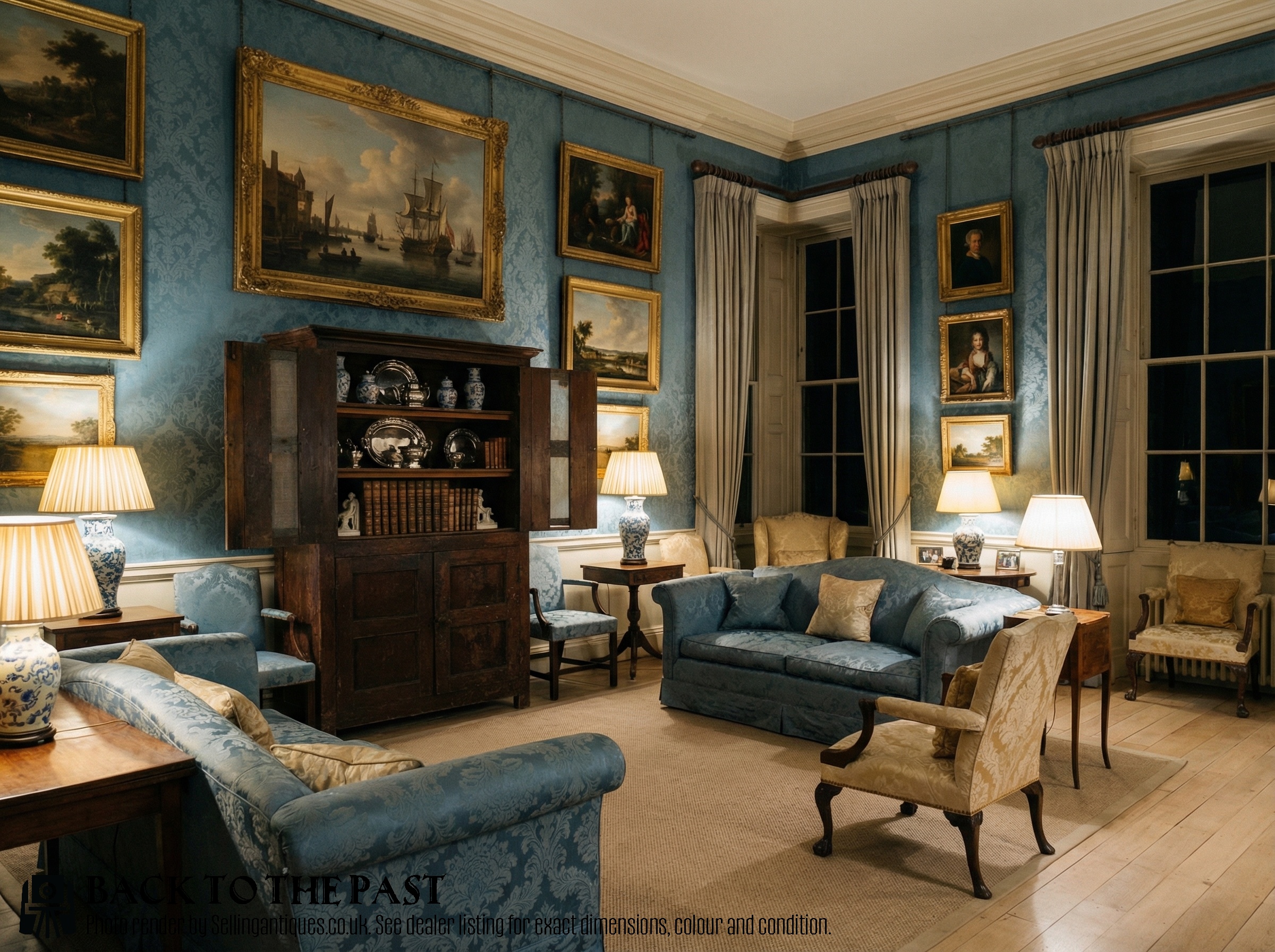
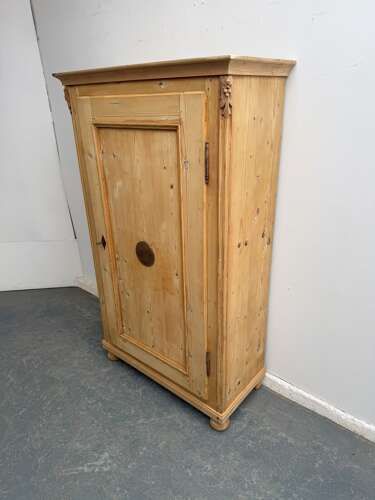
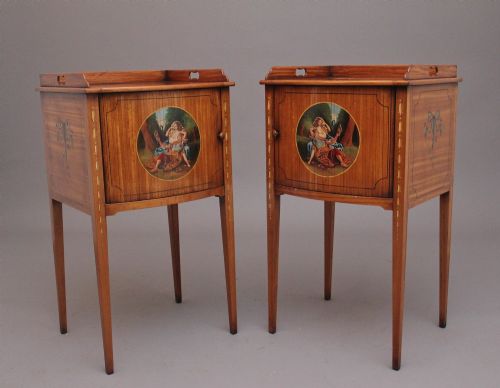
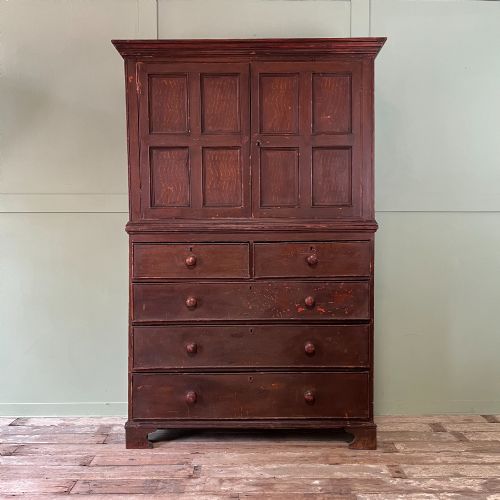
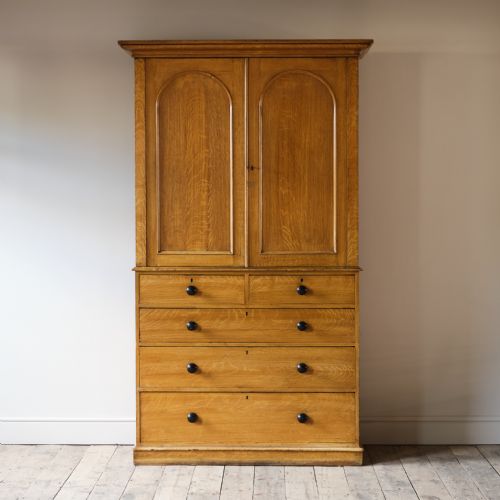
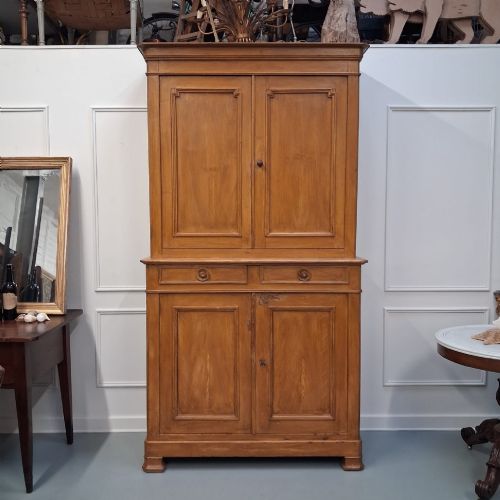
Late 18th C. Painted Pine Food Cupboard, 18th Century
Priced at £1,550 from The Old Yard
The 2026 retail price guide for Antique Painted Cupboards is drawn from a proprietary archive of over 1.1 million retail prices indexed by Sellingantiques since 2003. This guide relies exclusively on their own internal data; no external sources or auction records are used.
Analysing nearly 25 years of UK antique market history alongside current retail values, the data indicates that typical UK retail prices for Antique Painted Cupboards range between £700 and £3,800. Entry-level prices generally fall under £700 and premium examples upwards of £3,800.
Panelled doors conceal deep shelving. Often the top section sits separately on a deeper base.
Surface decoration varies widely. Finishes range from flat single colours to complex faux-graining techniques.
Check the cornice. Heavy overhanging mouldings top most antique painted cupboards.
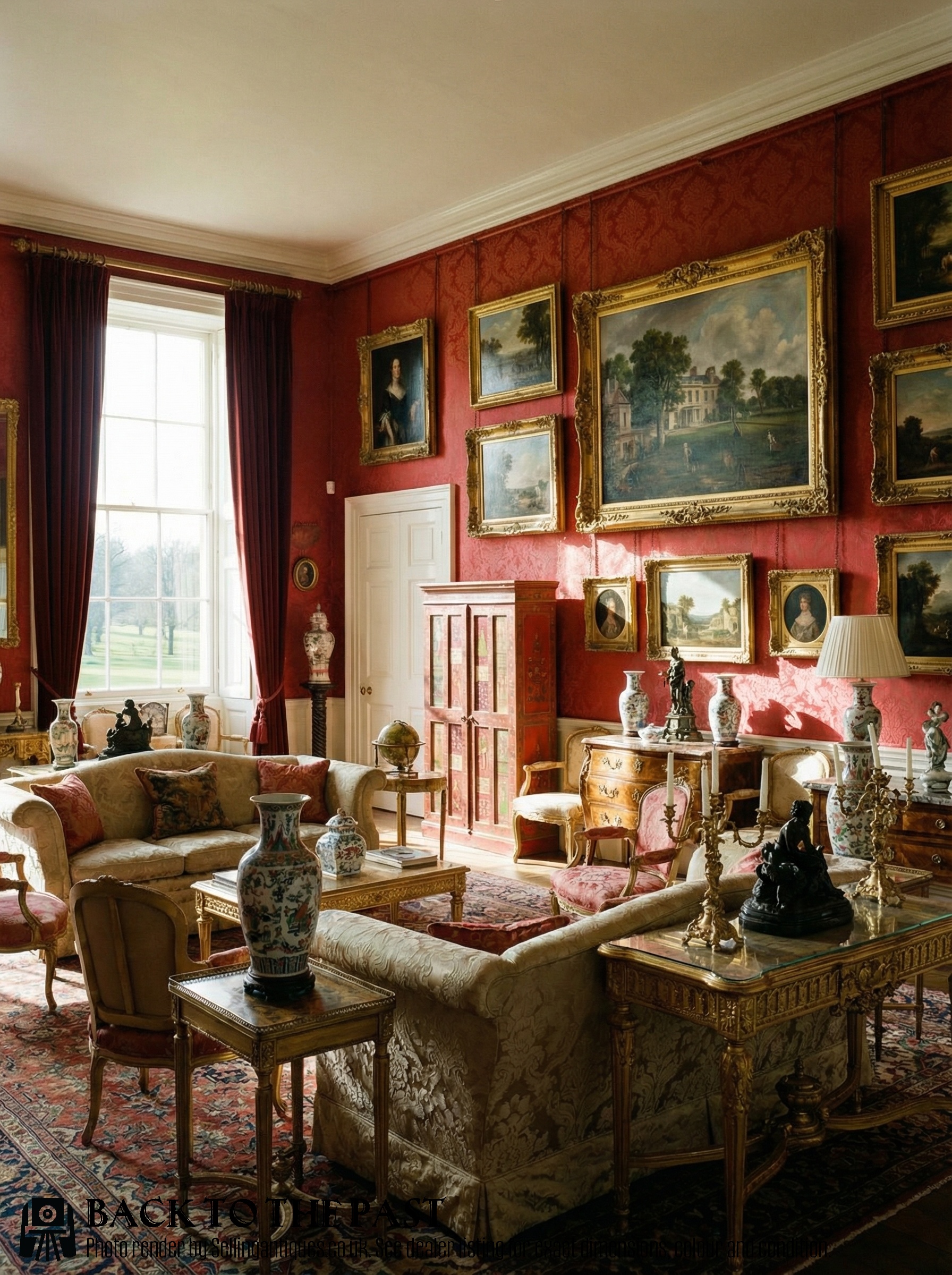
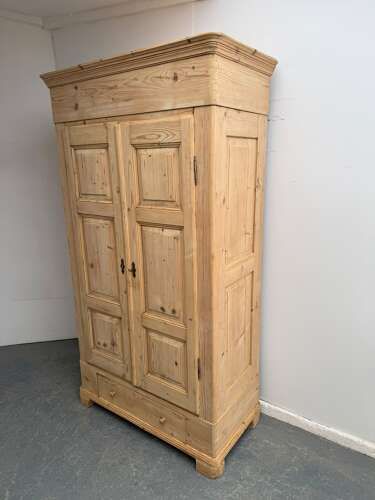
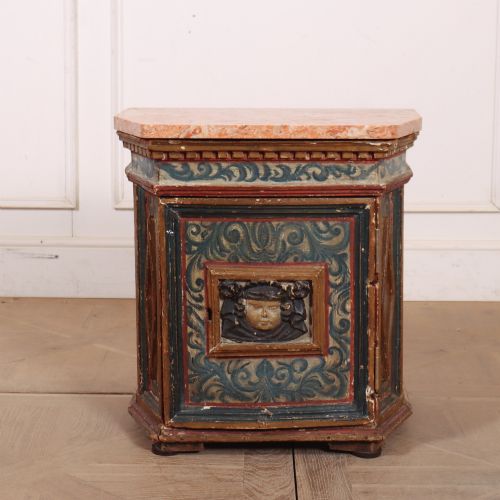
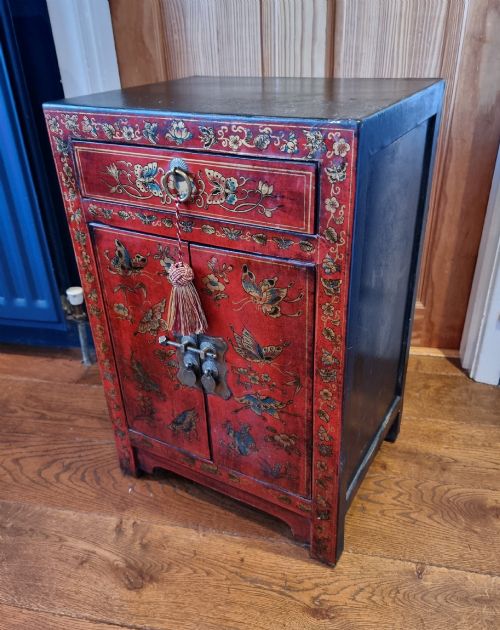
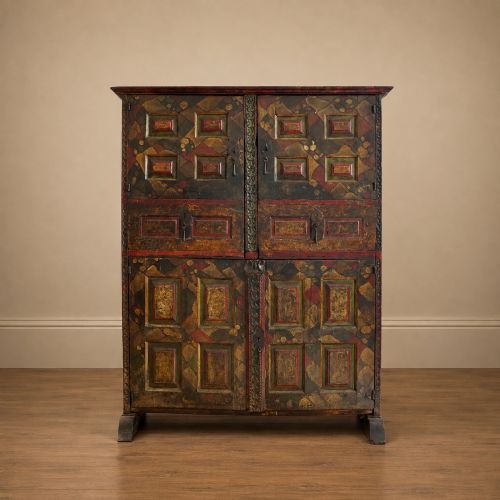
Tall Indian Folk Art Painted 5ft Shelved Cupboard, 19th Century
Priced at £1,500 from Elmgarden
Older joints relied on wooden pegs. Later nineteenth-century examples incorporate manufactured nails.
Feel the inside of the doors. Hand-planed boards leave slight ridges across the timber.
Paint layers tell a story of changing tastes. Original base coats frequently hide under later overpainting.
"Many plain surfaces hide early decorative schemes. Restorers sometimes uncover complex floral designs under thick grey paint."
"Underneath it all, thick paint acts as a preservative. Wood boring insects struggle to penetrate heavy layers of old milk paint."
"Certain painted patterns carry regional significance. Specific floral motifs help pinpoint exactly which valley a piece originated from."
Based on almost 25 years of Sellingantiques UK antique market data, Antique Painted Cupboards appeared 2636 times (out of 1,100,000 antiques) which gives it a rarity score of 59/100.
This score measures scarcity within the Sellingantiques archive only and is not a survey of the entire antiques market, so these statistics may not be indicative of the general availability of Antique Painted Cupboards elsewhere.
Use a soft damp cloth first. Avoid aggressive chemical cleaners. They strip the surface and damage the old patina.
Waxing offers good protection. Apply a clear microcrystalline wax sparingly and buff it gently. Coloured waxes settle in the cracks.
Keep the doors open on a dry day to let fresh air circulate. Time and ventilation solve most damp smells in old pine.
Some dealers place bowls of white vinegar on the shelves. Leave them inside for a few weeks with the doors shut to absorb stale odours.
Avoid sealing the interior with modern varnish. The old wood needs to breathe.
Temperature fluctuations make the timber move. The brittle top coats cannot stretch.
This movement fractures the surface into small squares. It happens frequently on thick oil finishes.
Original boards are usually thick enough to bear significant weight. Hand-sawn softwood shelves resist bowing better than modern boards.
Check the shelf supports. Many old cupboards feature shelves built straight into the carcase sides rather than resting on modern pegs.
Look for splitting along the grain. If the timber shows no deep cracks, it will handle kitchen stores without issue.
Please note: This Antique Painted Cupboards guide and its associated pricing data are provided for general informational purposes only. It does not constitute formal financial, investment, or appraisal advice and should not be relied upon as the sole basis for any commercial activity, purchasing, or sales decisions. Sellingantiques.co.uk accepts no liability for any actions taken in reliance on this information. Always consult with a qualified professional or independent appraiser.
