


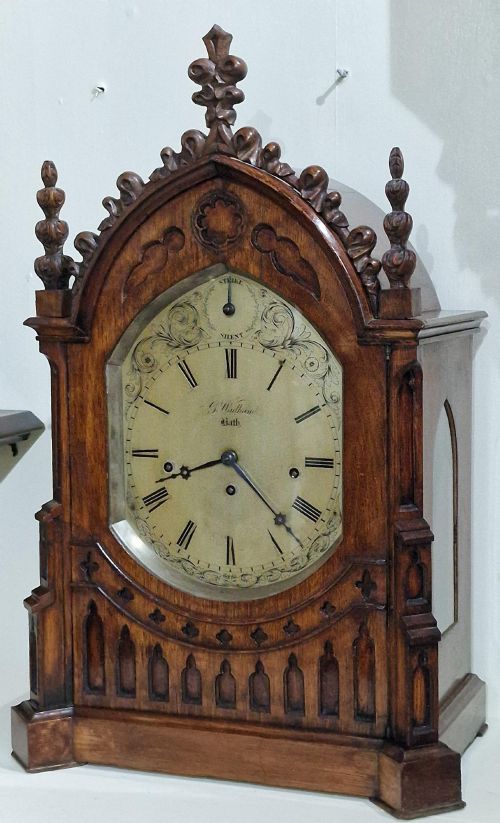
Antique Fusee Clocks
An English spring-driven clock whose movement uses a fusee, a tapered grooved barrel pulled by gut line or chain, to even out the mainspring's force as it runs down.
Antique Fusee Clocks
The fusee is a cone-shaped, grooved pulley linked to the mainspring barrel by gut or chain. It was taken up in spring clocks and watches from the 15th and 16th centuries to compensate for the falling force of a spring as it unwinds, and English makers kept it long after continental workshops moved to going barrels.
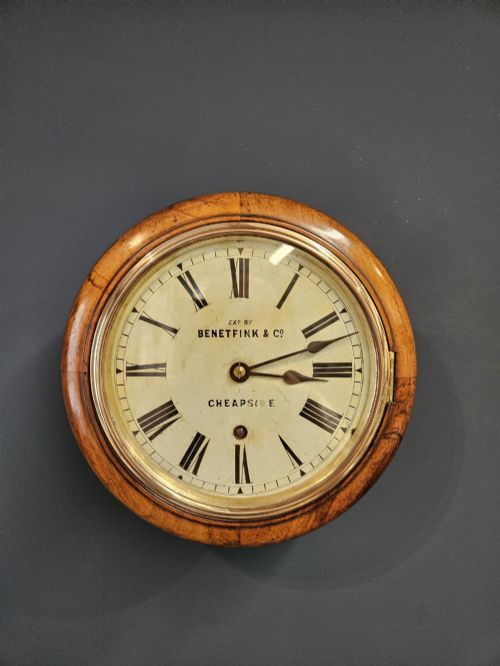
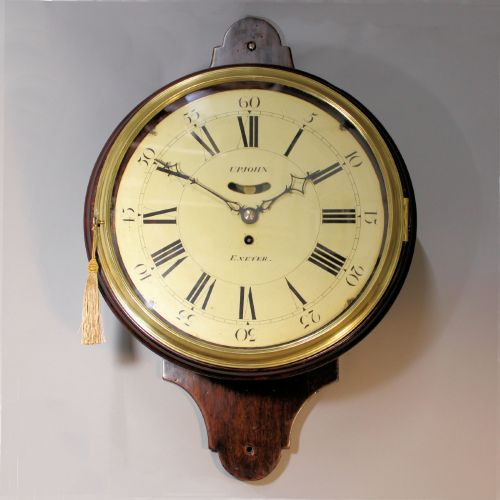
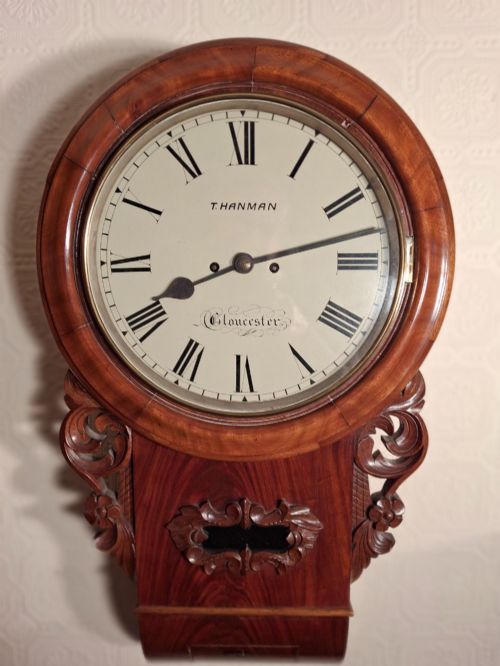
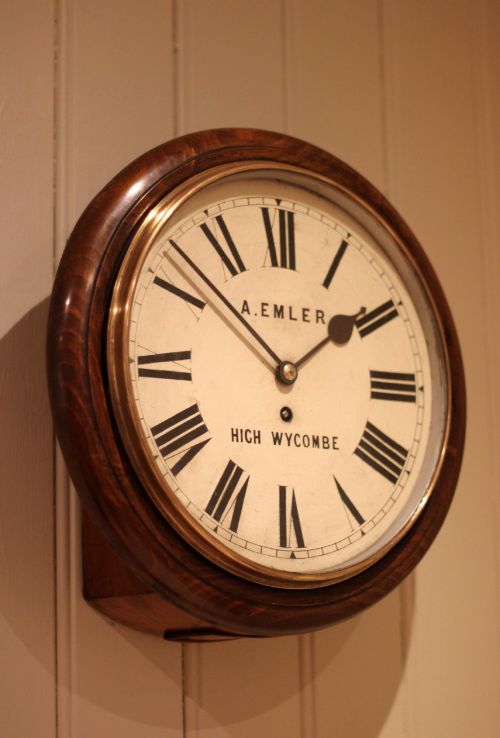
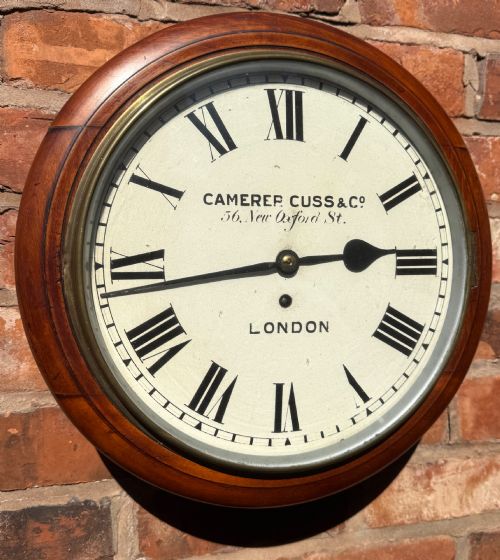
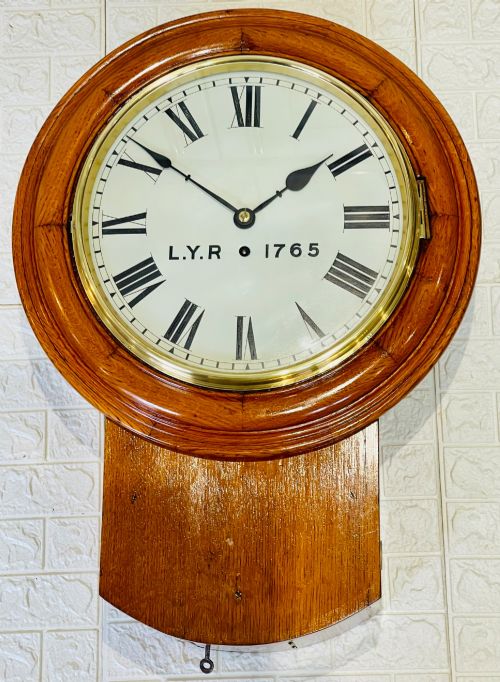
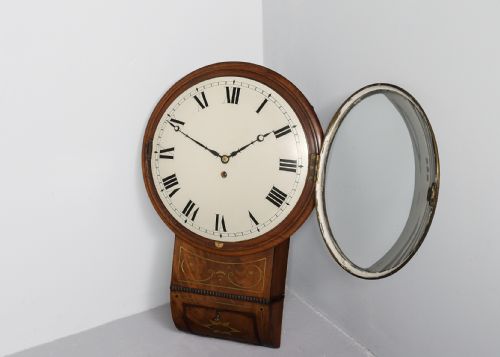
The category on Sellingantiques is dominated by wall clocks. 'Dial' and 'wall' each appear in about four titles in ten, with drop dial, where a box or trunk hangs below the bezel to house the pendulum, a recurring note. The usual form is a 19th-century mahogany-cased dial clock with a single fusee, eight-day timepiece movement, and dial sizes named in titles cluster at 8, 10, 12 and 14 inches.
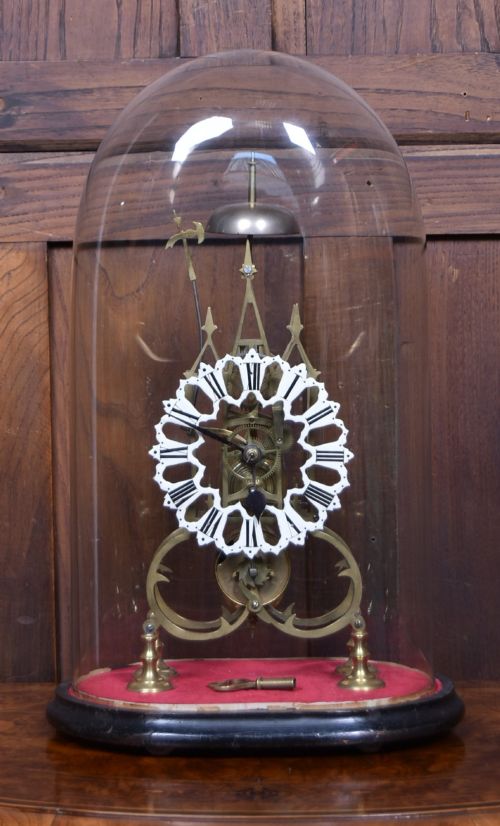
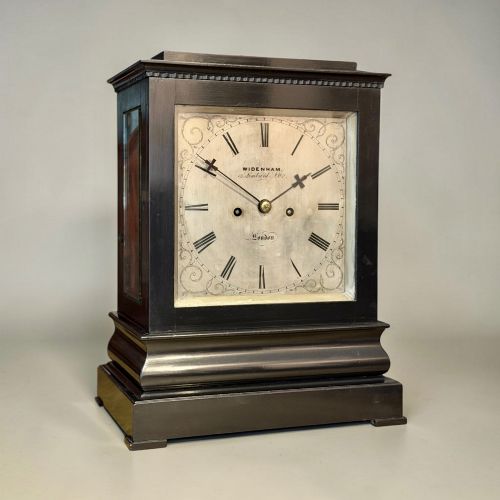
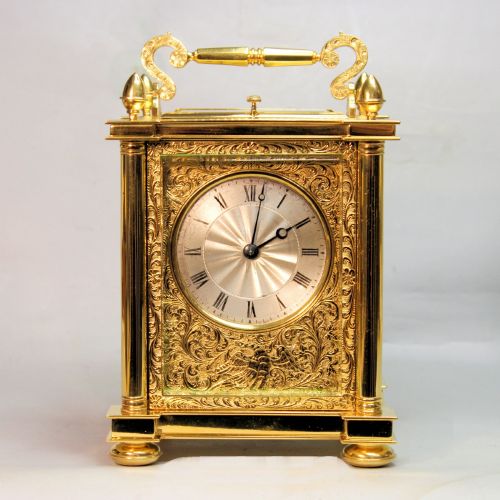
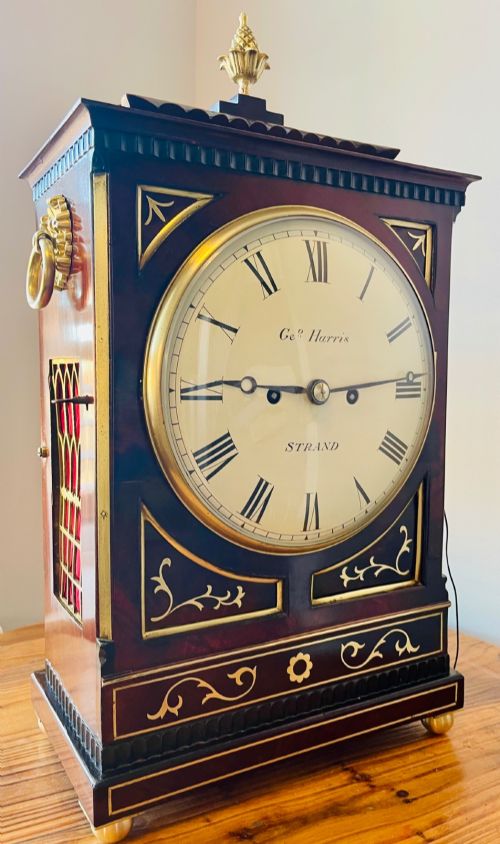
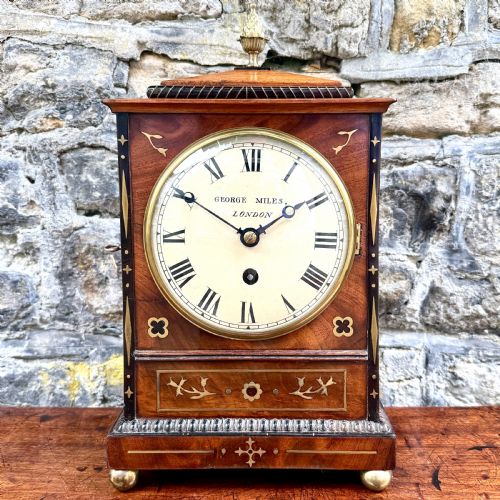
Behind the wall clocks come bracket, table, mantel and library clocks, running from single fusee timepieces up to twin- and triple-fusee striking and quarter-chiming cases. A smaller group of skeleton clocks under domes turns up throughout, some with a passing strike, and there are ships' bulkhead and chronometer clocks. A handful of listings are not clocks at all but silver-cased fusee pocket watches.
Period is often a style label rather than a date. Of 1,181 listings, 548 carry a clean year, and the dated field runs 1700 to 1960; where decades are given they peak in the 1880s and 1890s. Twentieth-century pieces are present in numbers, including GPO and RAF issue clocks, so antique fusee does not mean pre-1900 by default.

What Sets Them Apart
Trains do most of the work. Single fusee timepieces, telling the time and nothing else, make up the broad middle of the category. Twin or double fusee clocks, with a second train for striking, sit higher, and the triple-fusee bracket clocks with racks of eight or nine bells appear only near the top of the range.
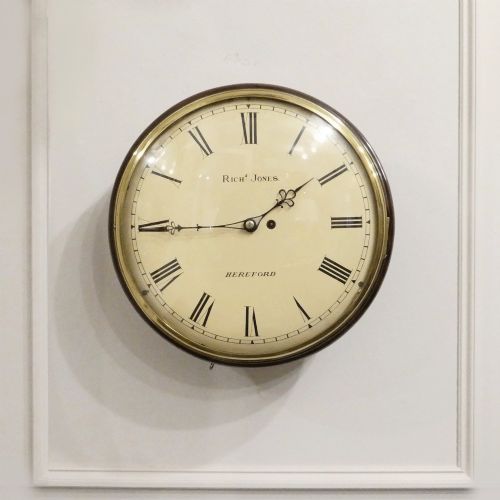
Then case and dial. Plain mahogany and oak dominate; rosewood, walnut, ebonised and satinwood cases, brass stringing, mother-of-pearl inlay and gilt bronze recur in the upper part of the range. Wooden and convex or bowed dials show up repeatedly among the higher-priced wall clocks, as do 18-inch dials, while plain 10 to 12 inch painted dials fill the middle.
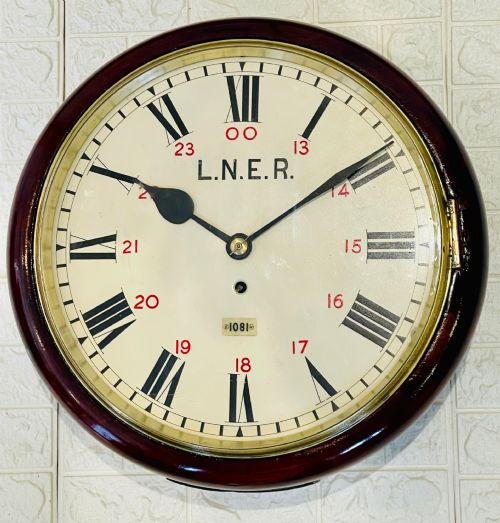
Signature and provenance separate otherwise similar clocks. London appears in a fifth of titles, and the top of the range is almost entirely London-signed bracket, balloon, carriage and library work, while unsigned provincial dial clocks occupy the lower middle. Named institutional issue lifts a clock too: GWR, LNER, LMS, NER, GNR, British Railways, Southern Railway, the GPO, the RAF, London County Council and Ashton Tramways all appear, often with a case or dial number quoted.
Antique Fusee Clocks Retail Price Guide 2026
Typical UK retail prices for fusee clocks, calculated from the Sellingantiques database of over a million retail prices indexed since 2003. This retail price guide relies exclusively on Sellingantiques data; no external sources or auction records are used, so the figures do not describe the wider market.
Dial sizes quoted on Sellingantiques run from 7.5 inches up to 18 inches, the largest being twin fusee dial clocks.
Dent of London·John Walker·Thwaites & Reed of London
The Antique Fusee Clocks Glossary
- Fusee
- The grooved, tapered barrel linked to the mainspring by gut line or chain, evening out the drive as the spring runs down.
- Single fusee
- One train, timekeeping only, with no strike. The word appears in around a hundred titles, matched by double and twin.
- Double or twin fusee
- Two trains, one for the time and one for striking. Dealers use the two words interchangeably.
- Dial clock
- A wall clock that is essentially a bezel and dial over the movement, with little or no case below.
- Drop dial
- A dial clock with a box or trunk hanging beneath the bezel to house the pendulum. Also written dropdial.
- Convex dial
- A domed dial with matching glass, common on earlier wall clocks and named in around forty titles.
Antique Fusee Clocks: Frequently Asked Questions
What does a single fusee movement mean?
One train, driving the hands and nothing else. It's a timepiece, so there's no strike and no chime.
Single fusee clocks make up the broad middle of the category, and the word turns up in around a hundred titles. Twin or double fusee means a second train for striking, and triple fusee adds quarter-chiming or musical work, usually on eight or nine bells.
Are fusee clocks English?
Overwhelmingly, on Sellingantiques. The fusee stayed standard in English spring clocks, bracket, table and wall dial, long after continental makers had moved to going-barrel movements.
Continental pieces show up only as isolated exceptions among the English ones. London appears in a fifth of titles, and provincial signatures are the norm in the dial-clock branch, with a distinct Welsh thread running through Rhymney, Pontypridd, Carnarvon, Holyhead, Welshpool, Ruthin and Rhayader.
How big are fusee dial clocks?
Dial sizes quoted in titles run from 7.5 and 8 inch up to 18 inch, with clusters at 8, 10, 12 and 14.
The largest are twin-fusee dial clocks. Words like small, miniature and petite appear far more often in titles than extra large.
Which fusee clocks were made for railways?
Titles name GWR, GNR, NER, LNER, LMS, Southern Railway and British Railways, Western and Midland. Railway appears in 28 titles.
Other institutional issue runs alongside it: the GPO, the RAF, a Dept of War, London County Council, the National Provincial Bank and Ashton Tramways. Several quote the original case or dial number.
Do fusee movements appear in pocket watches?
Yes. Silver-cased fusee pocket watches account for 28 listings, many signed by small-town makers from Bishop Auckland to Heckmondwike.
They sit at the bottom of the range. The top is held by London-signed twin-fusee balloon, bracket and carriage clocks.
Why are dates given as Victorian or Regency?
Because a lot of dealers record the style rather than a year. Of 1,181 listings, 265 say only 19th Century, 155 only Victorian, 80 Regency and 55 Georgian.
Where a clean year is given, and 548 listings carry one, the field spans 1700 to 1960 and peaks in the 1880s and 1890s. Ninety dealers have listed fusee clocks on Sellingantiques, with around 143 coming to market in a year.