
A 2026 Guide by Sellingantiques
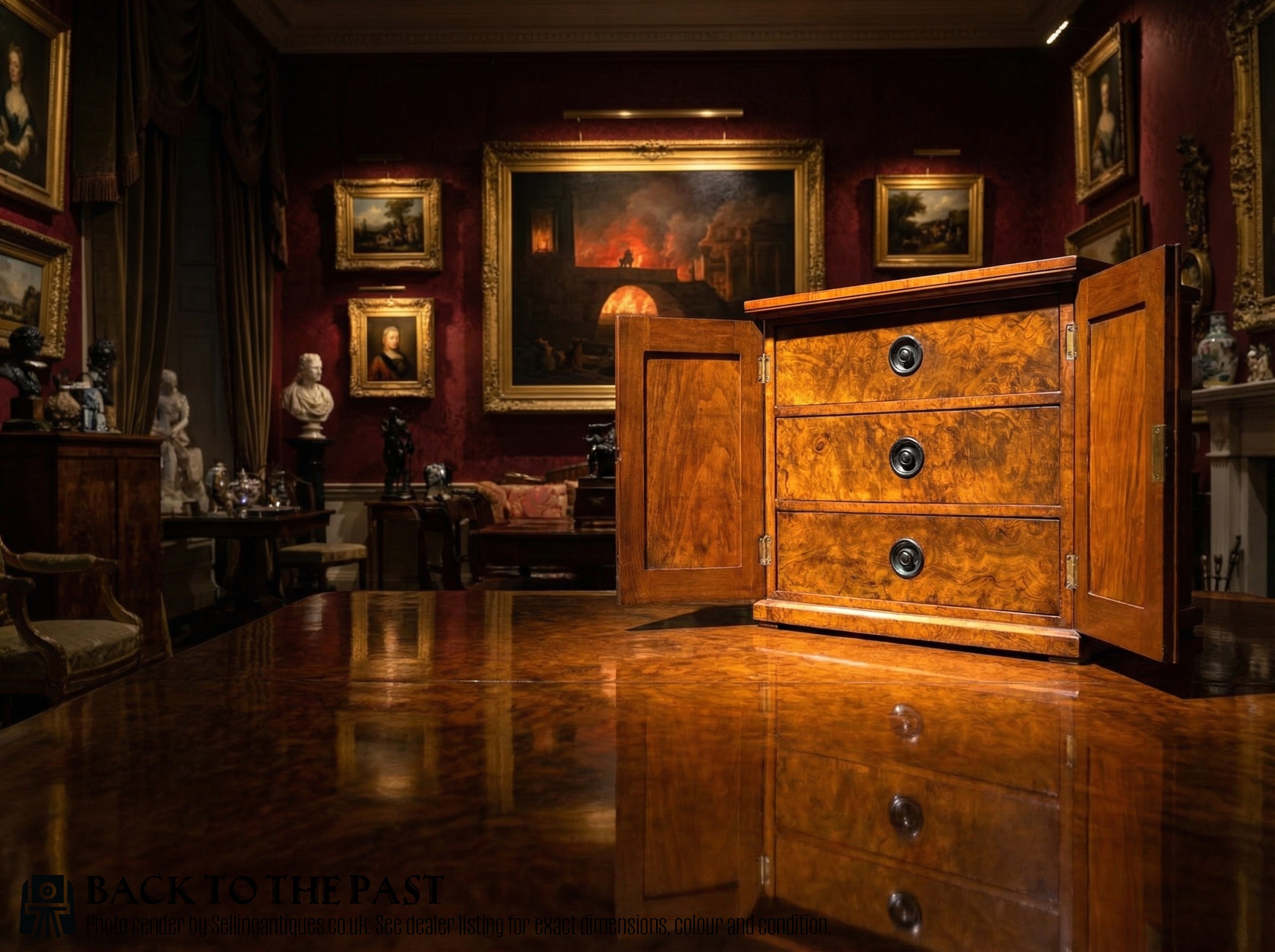
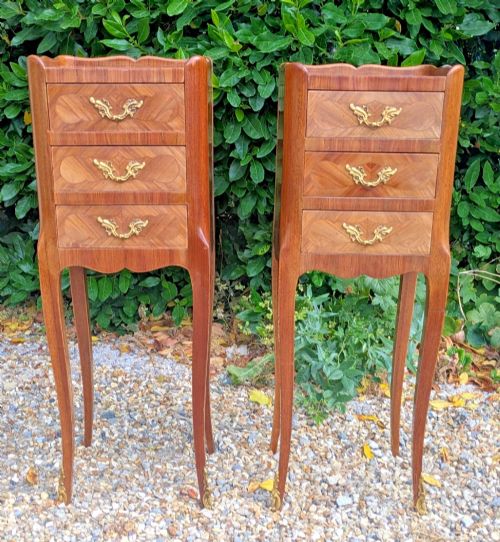
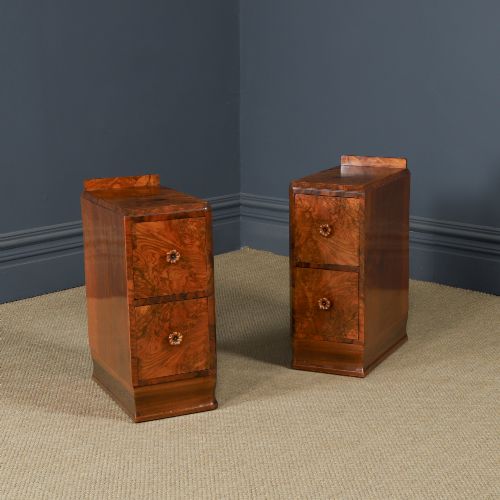
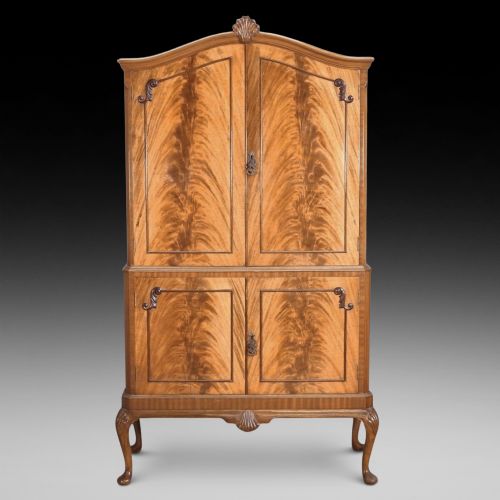
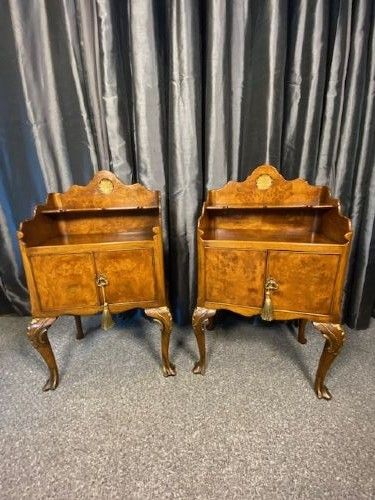
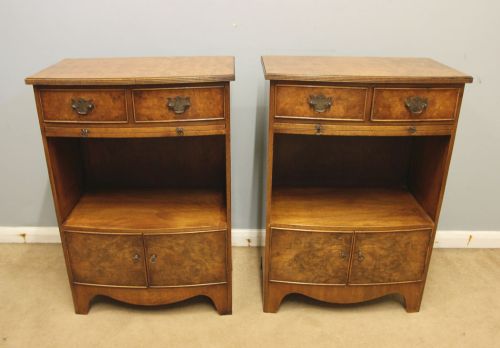
Antique Country House Napkin Drawers, English, Storage Cabinet, Early Victorian, Victorian
Priced at £3,950 from London Fine Antiques
A shift away from oak dominance. Solid walnut proved prone to worm, pushing the trade towards veneering instead.
Look at late seventeenth-century examples to see where they first used these imported timbers.
Cabinet makers grouped Antique Walnut Cabinets on stands initially, moving to chest bases later.
Continental influence arrived with Huguenot craftsmen settling in London, changing how local workshops built their carcases.
Gerrit Jensen supplied several important veneered pieces to the royal household during the late seventeenth century.
John Coxed and Thomas Woster ran a workshop in St Paul's Churchyard between 1710 and 1736 making burr veneered furniture.
Many surviving Antique Walnut Cabinets carry no maker's mark. The London trade operated through complex networks of anonymous journeymen.
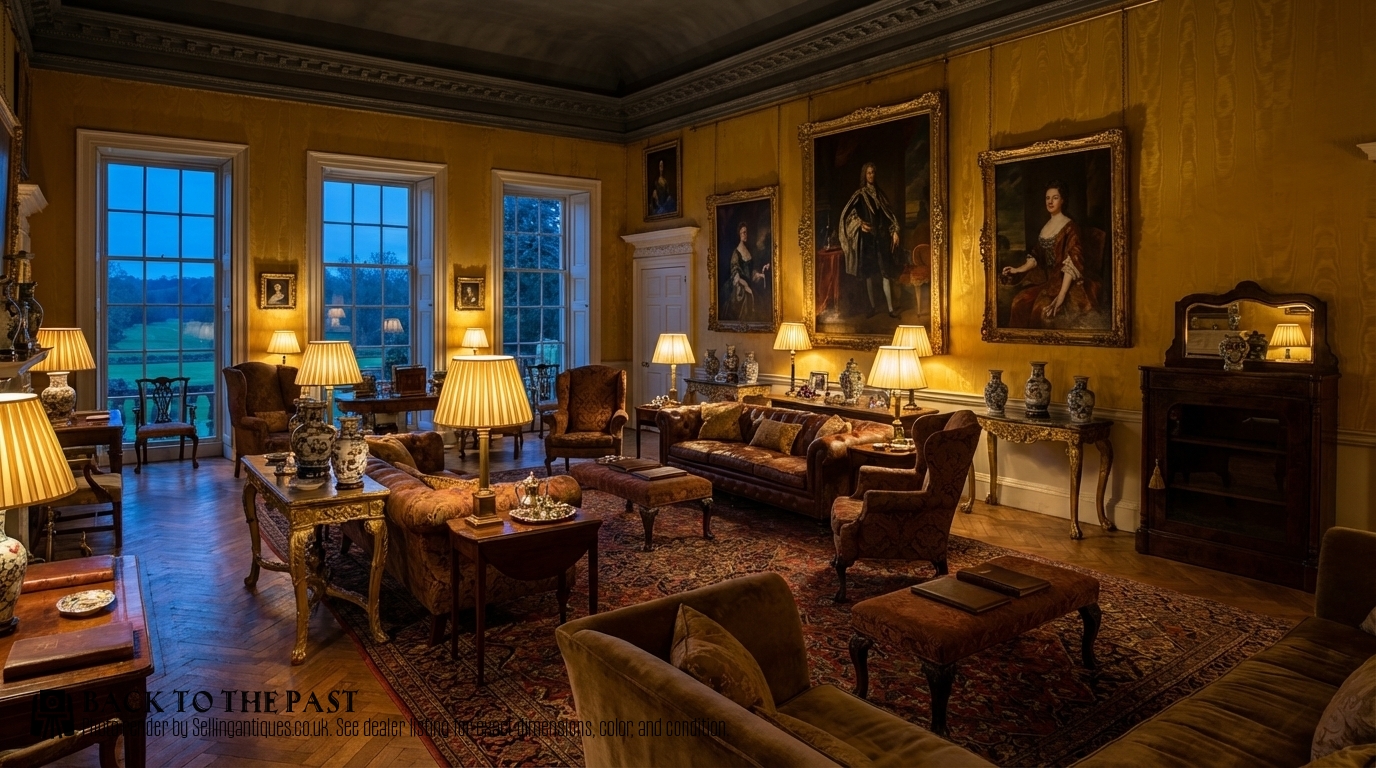
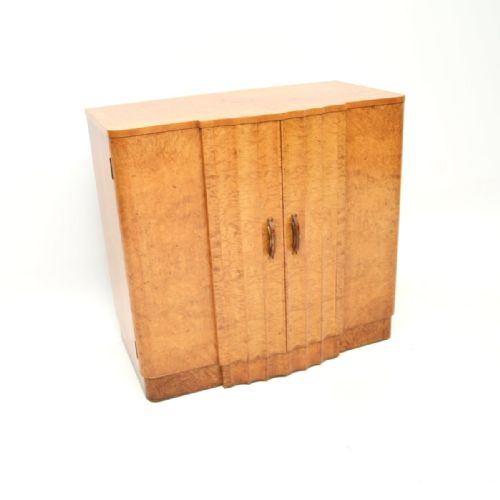
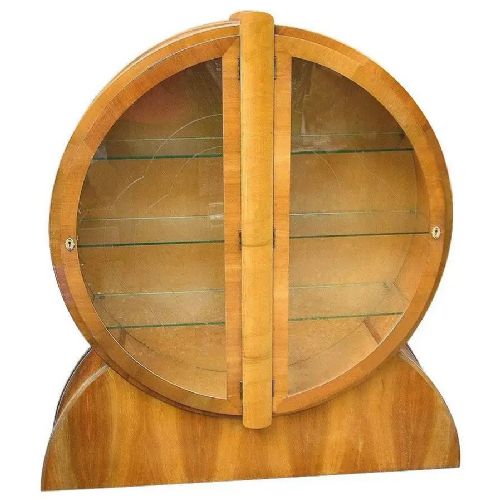
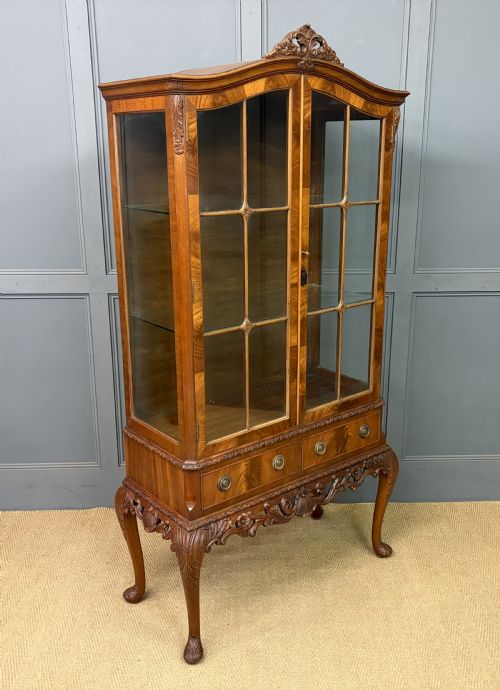
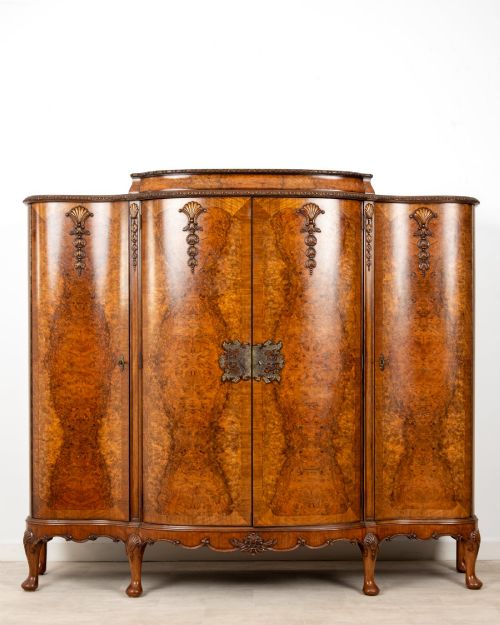
Lovely Walnut Pier Cabinet, Victorian
Priced at £995 from Wayne Long Antiques and Interiors
The 2026 retail price guide for Antique Walnut Cabinets is drawn from a proprietary archive of over 1.1 million retail prices indexed by Sellingantiques since 2003. This guide relies exclusively on their own internal data; no external sources or auction records are used.
Analysing nearly 25 years of UK antique market history alongside current retail values, the data indicates that typical UK retail prices for Antique Walnut Cabinets range between £600 and £3,800. Entry-level prices generally fall under £600 and premium examples upwards of £3,800.
Crossbanding borders the main drawer fronts, framing the central burr or oyster cuts.
Fitted interiors hide behind the main doors, housing nests of small drawers and central cupboards.
Brass teardrop handles or brass plate drops usually provide the pulling hardware on these pieces.
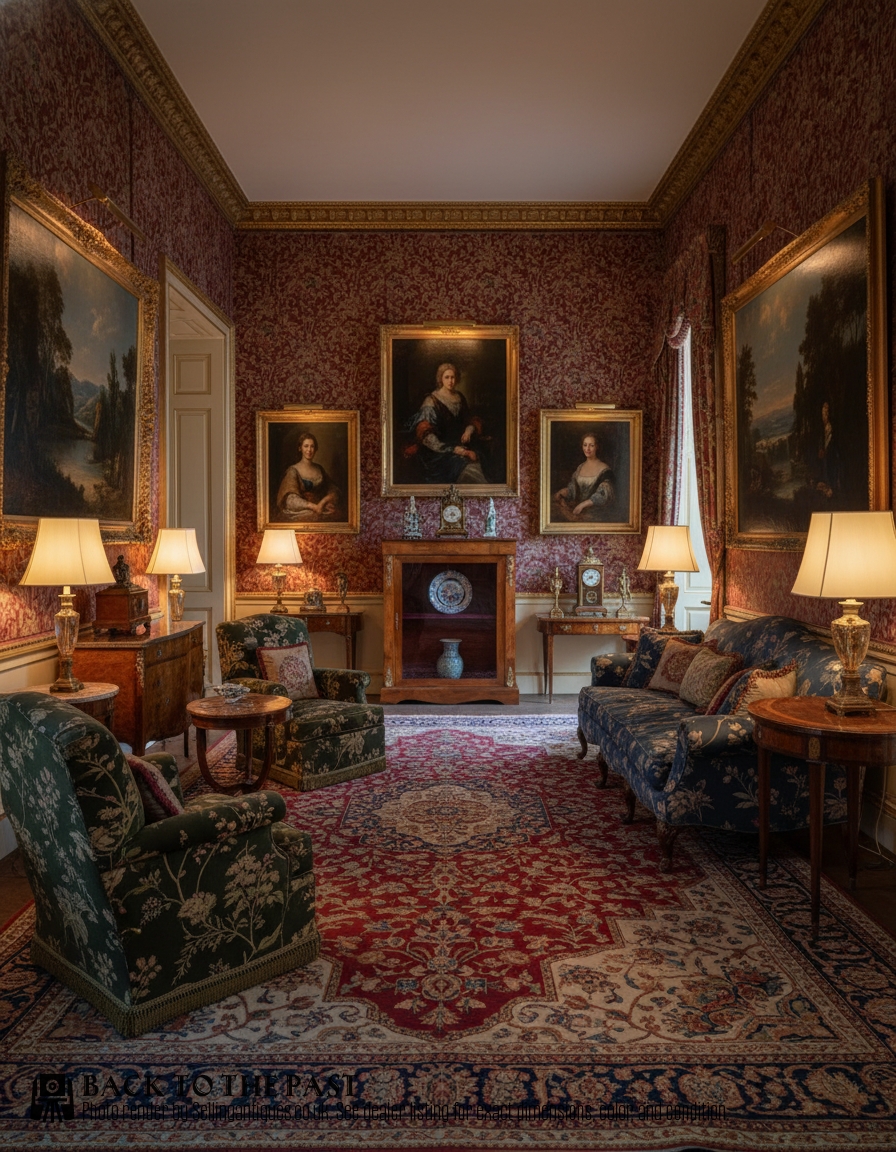
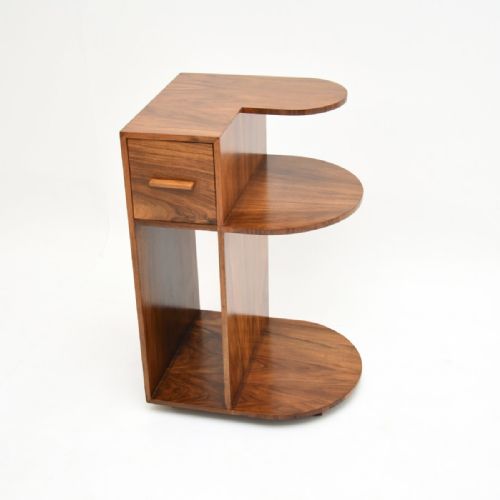
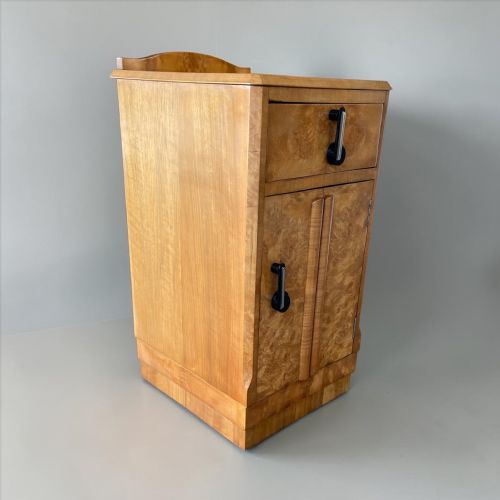
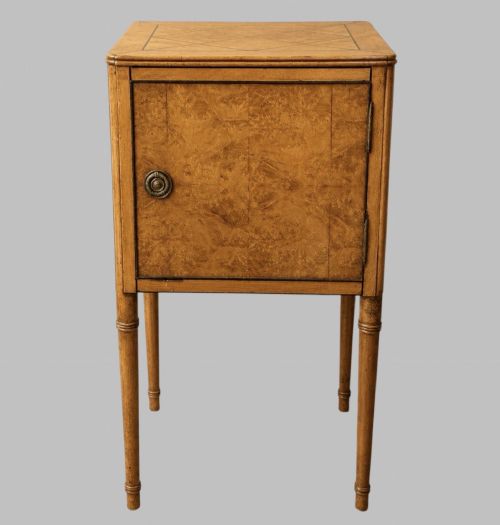
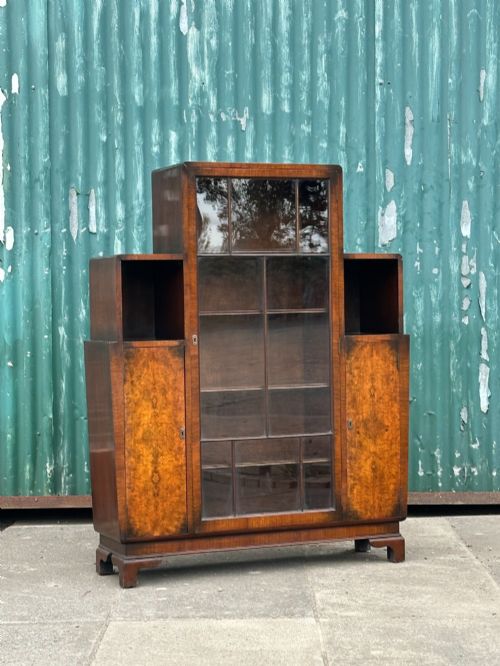
Victorian Walnut Pier Cabinet, Victorian
Priced at £595 from Sinclairs Antiques and Interiors
Workshops cut thick veneers by hand with pit saws before gluing them down using heated animal hide glue.
Examine the dovetails. Early examples show coarse pins that become narrower as eighteenth-century techniques evolved.
Carcase construction relied on pegged mortise and tenon joints for stands and nailed board assembly for upper sections.
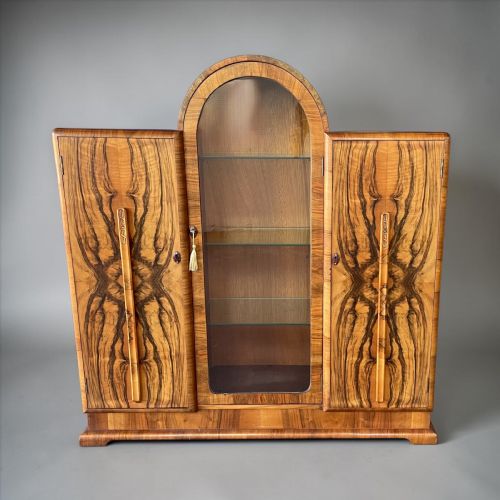
"The burr figures come from complex root systems, yielding rich swirling grain patterns."
"Craftsmen scorched the sand used for shading inlay, giving a brilliant three-dimensional effect to flat decorations."
"Locking mechanisms were so intricate that the keys alone were considered status symbols worn on belts."
Based on almost 25 years of Sellingantiques UK antique market data, Antique Walnut Cabinets appeared 9072 times (out of 1,100,000 antiques) which gives it a rarity score of 16/100.
This score measures scarcity within the Sellingantiques archive only and is not a survey of the entire antiques market, so these statistics may not be indicative of the general availability of Antique Walnut Cabinets elsewhere.
Keep the cabinet away from direct heat. Radiators dry out the air and cause the hide glue to fail.
Use a good microcrystalline wax sparingly once a year. Buff it gently with a soft cloth so you don't build up sticky layers.
Air circulation is your best starting point. Remove all the drawers on a dry day and let them sit in a well-ventilated room out of direct sunlight.
Some dealers place a small bowl of dry bicarbonate of soda inside the closed carcase for a week. This absorbs lingering smells without introducing moisture to the old wood.
Never use modern chemical sprays. The damp mist can warp thin drawer linings and damage original finishes.
Handles endure heavy physical stress. Over centuries of daily pulling, the brass pins snap or backplates crack.
Cabinet makers often replaced a whole set if they couldn't find a matching spare. It's very common to find Victorian hardware on an earlier Georgian carcase.
Workshops spent no time finishing surfaces that sat against a wall. The backboards were left rough from the pit saw.
This saved both time and money. The craftsmen focused their expensive materials entirely on the visible surfaces.
Please note: This Antique Walnut Cabinets guide and its associated pricing data are provided for general informational purposes only. It does not constitute formal financial, investment, or appraisal advice and should not be relied upon as the sole basis for any commercial activity, purchasing, or sales decisions. Sellingantiques.co.uk accepts no liability for any actions taken in reliance on this information. Always consult with a qualified professional or independent appraiser.
