
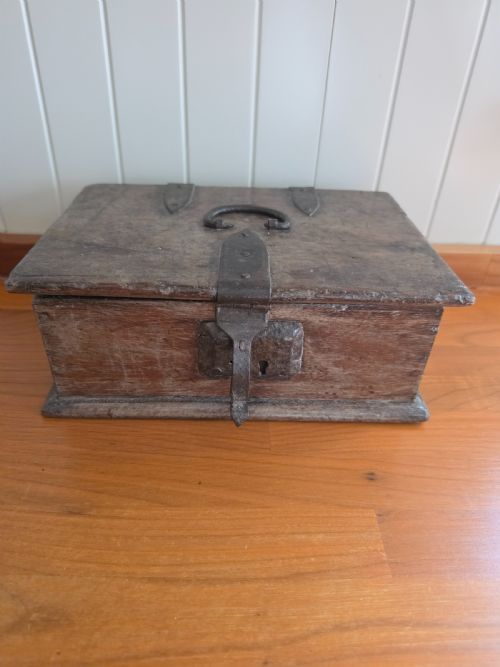
A 2026 Guide by Sellingantiques
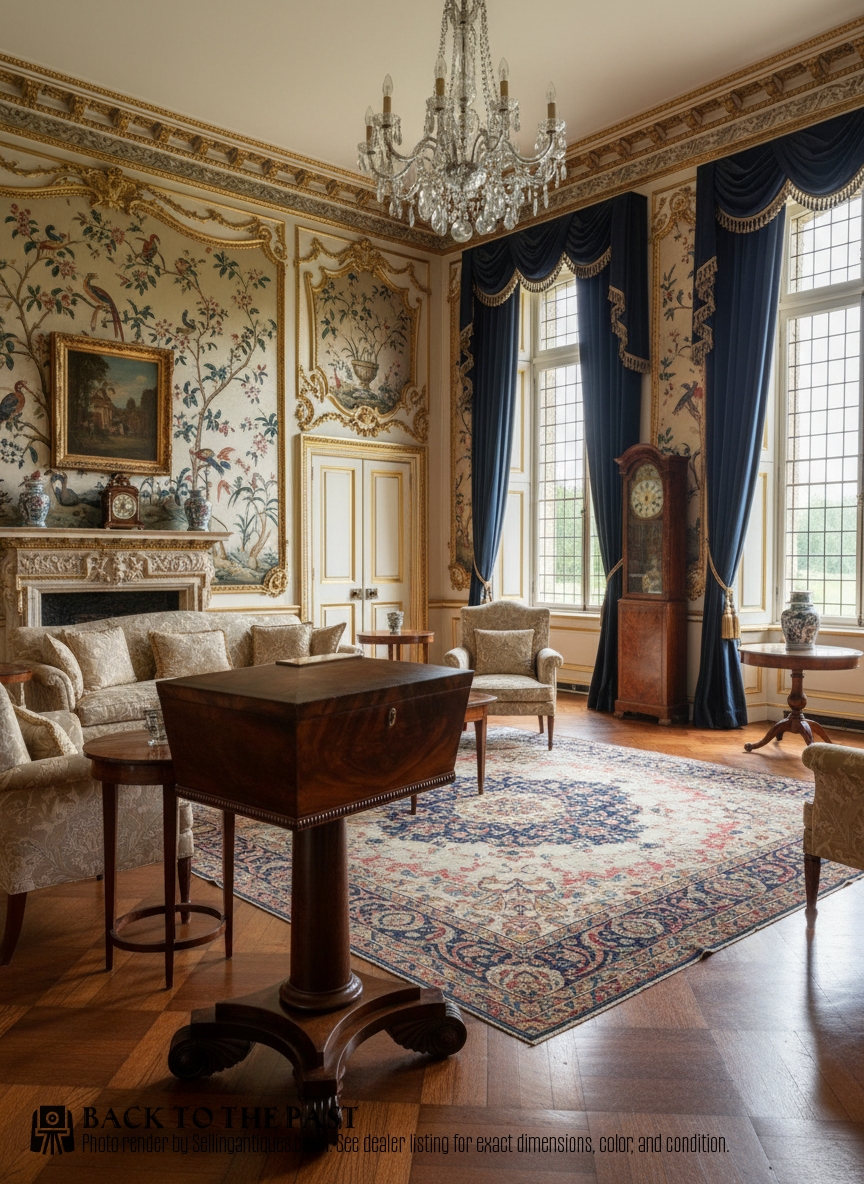
Antique William IV Quality Figured Mahogany Work Box, 19th Century
Priced at £1,485 from London City Antiques
Needlework was a daily necessity in the eighteenth and nineteenth centuries.
Women relied on these cases to keep their threads and tools organised.
The popularity of antique work boxes peaked during the Regency and early Victorian periods.
Look at the social shift towards leisure time, which turned basic sewing into decorative embroidery.
Earlier examples tend to be plainer, while later Victorian boxes grew heavier and more elaborate.
Documented names are rare, as many were sold through fancy goods retailers who applied their own trade labels.
Tunbridge ware makers like Thomas Barton produced highly distinctive mosaic-decorated work boxes from the 1830s onwards.
London cabinet makers sometimes stamped the brass lock plates rather than the woodwork itself.
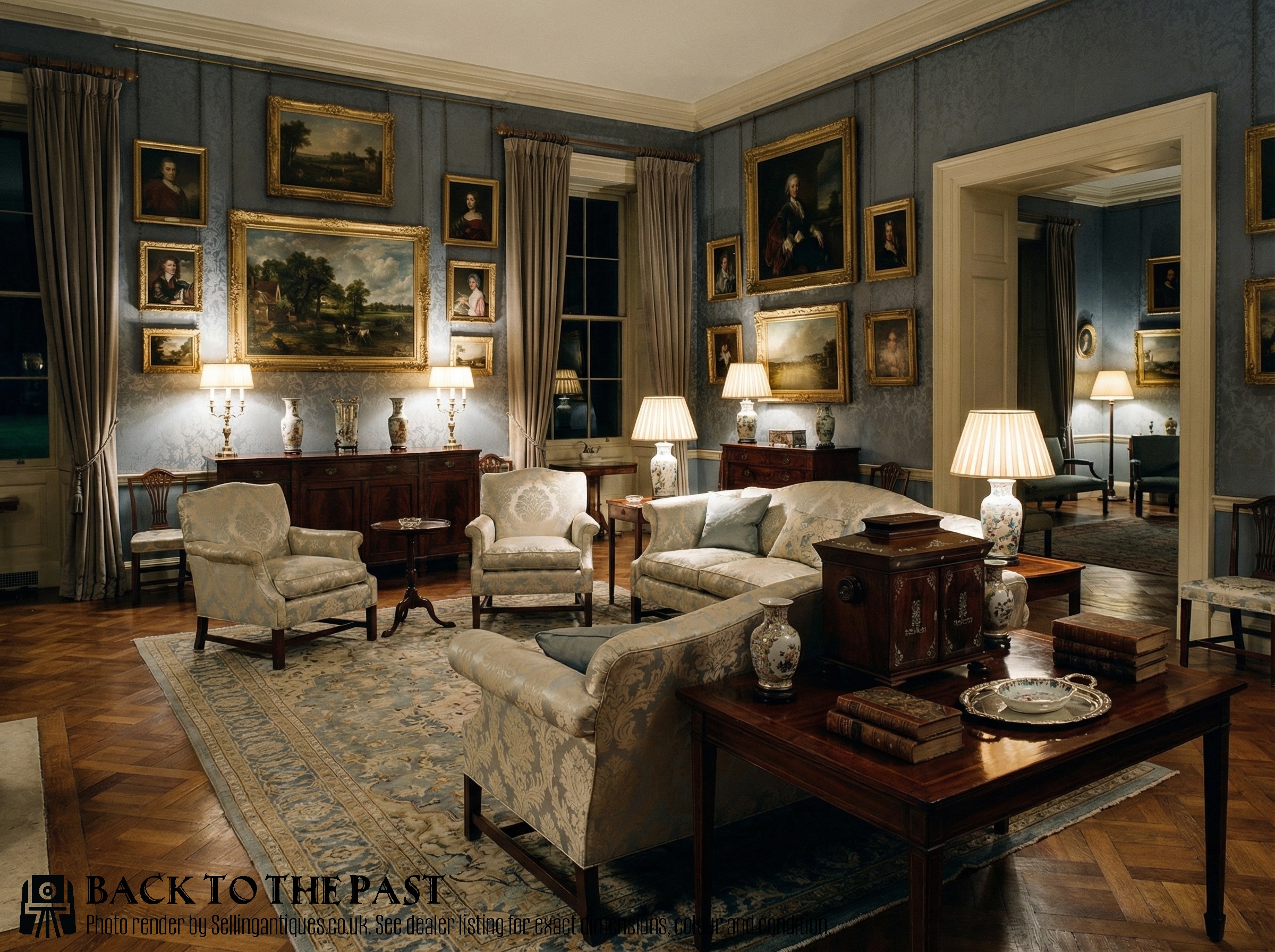
19th C Rosewood Work Box, 1850
Priced at £990 from Mytton Antiques - Jerrard Nares
The 2026 retail price guide for Antique Work Boxes is drawn from a proprietary archive of over 1.1 million retail prices indexed by Sellingantiques since 2003. This guide relies exclusively on their own internal data; no external sources or auction records are used.
Analysing nearly 25 years of UK antique market history alongside current retail values, the data indicates that typical UK retail prices for Antique Work Boxes range between £300 and £1,700. Entry-level prices generally fall under £300 and premium examples upwards of £1,700.
Lift-out trays form the core of most antique work boxes, keeping smaller tools separate from bulkier fabrics below.
Fitted compartments often hold specific sewing tools, keeping items like thimbles and waxers securely in place.
Check the lid interior for a ruched fabric panel, sometimes hiding an envelope for flat patterns.
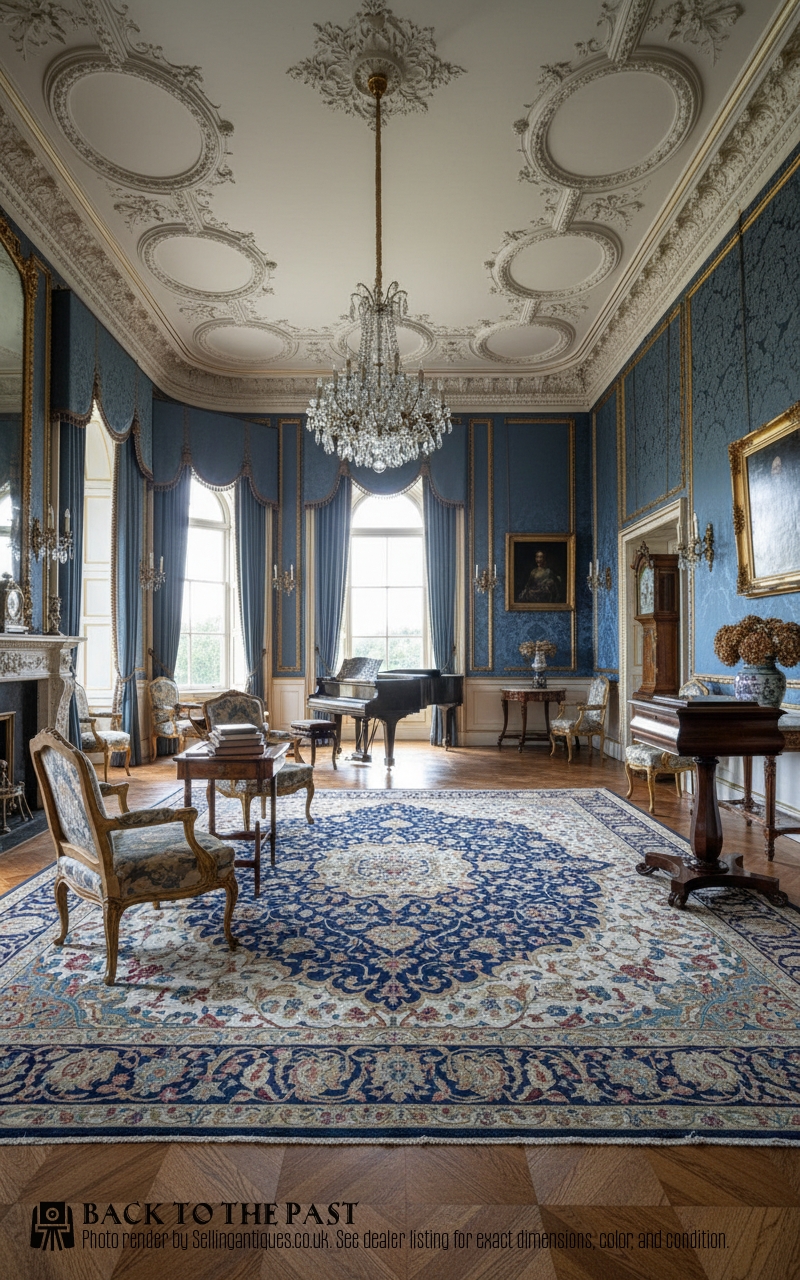
Quality Antique William IV Rosewood Work Box, 19th Century
Priced at £1,285 from London City Antiques
Hand-cut dovetails join the basic carcase, though they are usually hidden beneath the decorative exterior veneers.
Applying intricate brass inlay required routing the wood and laying the metal with heated animal glue.
The delicate interior dividers were often constructed using simple butt joints reinforced with the fabric lining.
"They sometimes include secret drawers hidden behind false panels in the lower section."
"Many surviving boxes retain the scent of the dried lavender originally stored with the fabrics."
"The miniature hand-turned bone tools found inside required just as much skill as the cabinetmaking."
Based on almost 25 years of Sellingantiques UK antique market data, Antique Work Boxes appeared 1385 times (out of 1,100,000 antiques) which gives it a rarity score of 76/100.
This score measures scarcity within the Sellingantiques archive only and is not a survey of the entire antiques market, so these statistics may not be indicative of the general availability of Antique Work Boxes elsewhere.
Soft brushes work best for the fabric linings. A standard paintbrush clears dust from the tight corners of the compartments without catching on frayed silk.
Avoid liquid cleaners on the interior. Water damages the thin cardboard backing and causes the hide glue to fail, lifting the paper or fabric away from the wood.
The ruched fabric section forms a wallet or drop-down panel. It held flat items like paper patterns, loose embroidery silks, or drawn threads.
Sometimes you find small pieces of wax paper inside. These kept metal needles from rusting in damp weather.
Finding original matching thread reels is difficult. The turnings vary wildly between different makers, meaning random antique parts rarely fit the exact pin spacing of your tray.
Some collectors buy a damaged box specifically to harvest the fittings. You can also source loose antique sewing tools from specialist dealers to slowly repopulate the compartments over time.
Bone and mother-of-pearl tools turn up at antique fairs. Look for tape measures and thimbles that match the period of your box.
Block-printed and embossed papers were standard lining materials, not a sign of a cheaper box. Many high-quality examples feature intricate geometric paper designs in the lower sections, reserving silk only for the upper tray.
Paper was sometimes chosen for specific storage needs. It provided a smooth surface that would not catch on rougher threads or wools. Some decorative papers were more complex to produce than plain fabrics.
Cabinet makers often bought these papers from specialist stationers. The patterns can occasionally help date the piece, as paper designs changed with broader fashion trends.
Please note: This Antique Work Boxes guide and its associated pricing data are provided for general informational purposes only. It does not constitute formal financial, investment, or appraisal advice and should not be relied upon as the sole basis for any commercial activity, purchasing, or sales decisions. Sellingantiques.co.uk accepts no liability for any actions taken in reliance on this information. Always consult with a qualified professional or independent appraiser.
