
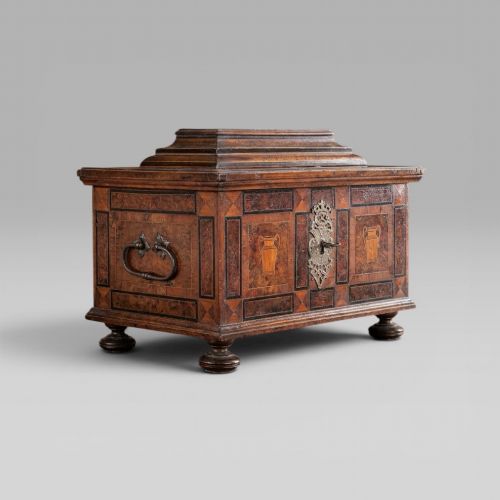

A 2026 Guide by Sellingantiques
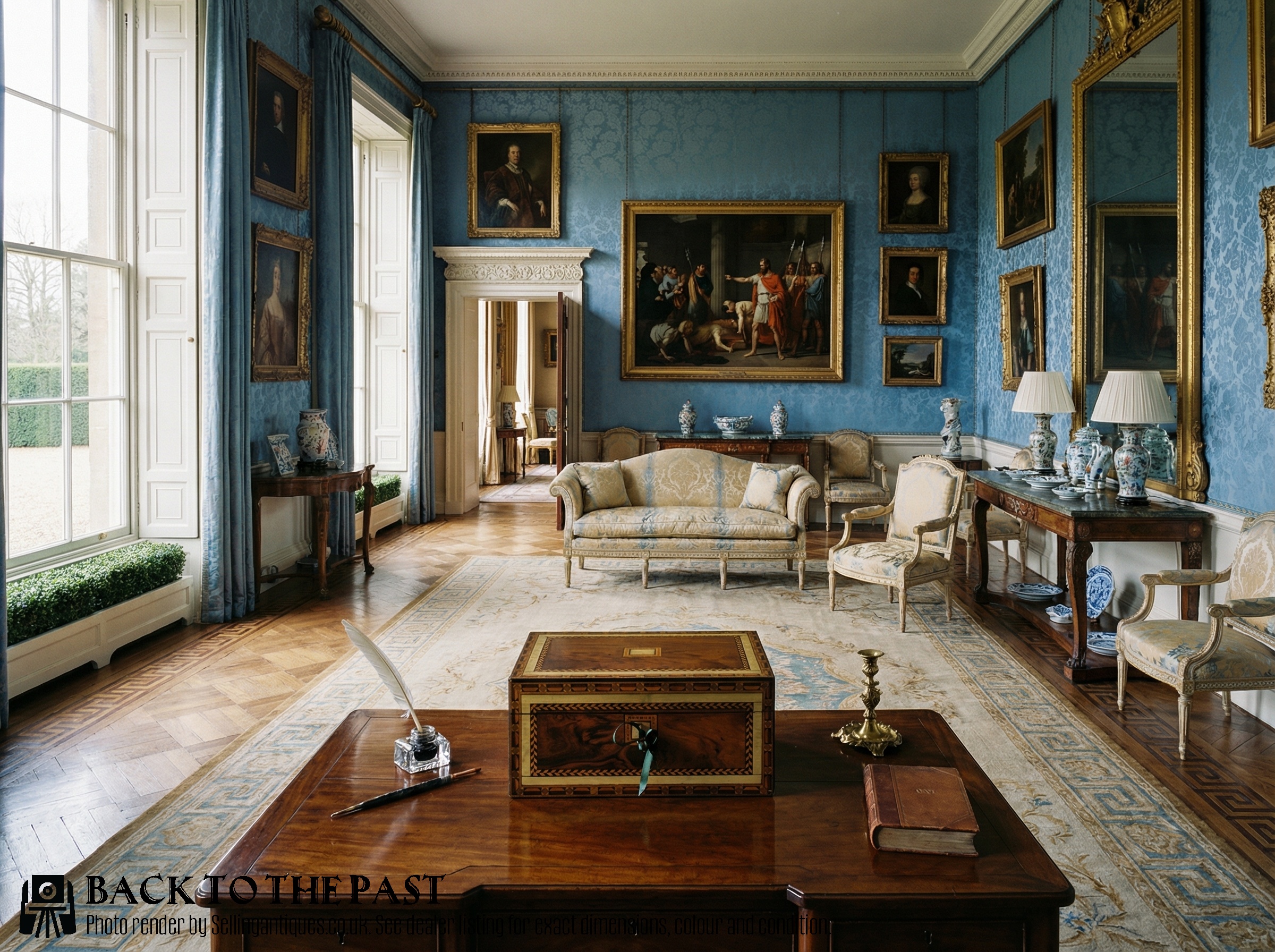
Victorian 35cm Walnut Inlaid Writing Box C 1860, Victorian
Priced at £395 from Robert Bush Antiques
The late seventeenth century saw solid timber gradually replaced by decorative veneers glued to cheaper pine frames.
Don't ignore the rapid explosion of specific forms during the Georgian period, as workshops expanded their output to include everything from simple tea caddies to large portable writing slopes.
Burr timbers became fashionable for these small pieces due to their erratic grain patterns.
Storage needs dictated the internal layouts, creating distinct shapes for different domestic roles.
David Roentgen produced complex mechanical boxes in the late eighteenth century, combining marquetry with hidden compartments.
Thomas Lund operated from London during the early nineteenth century. His workshop turned out fitted boxes with distinctive labelled hinges.
Finding a stamped maker's mark remains relatively rare on antique walnut boxes, as the majority of provincial workshops sold their goods through retailers who preferred strict anonymity.
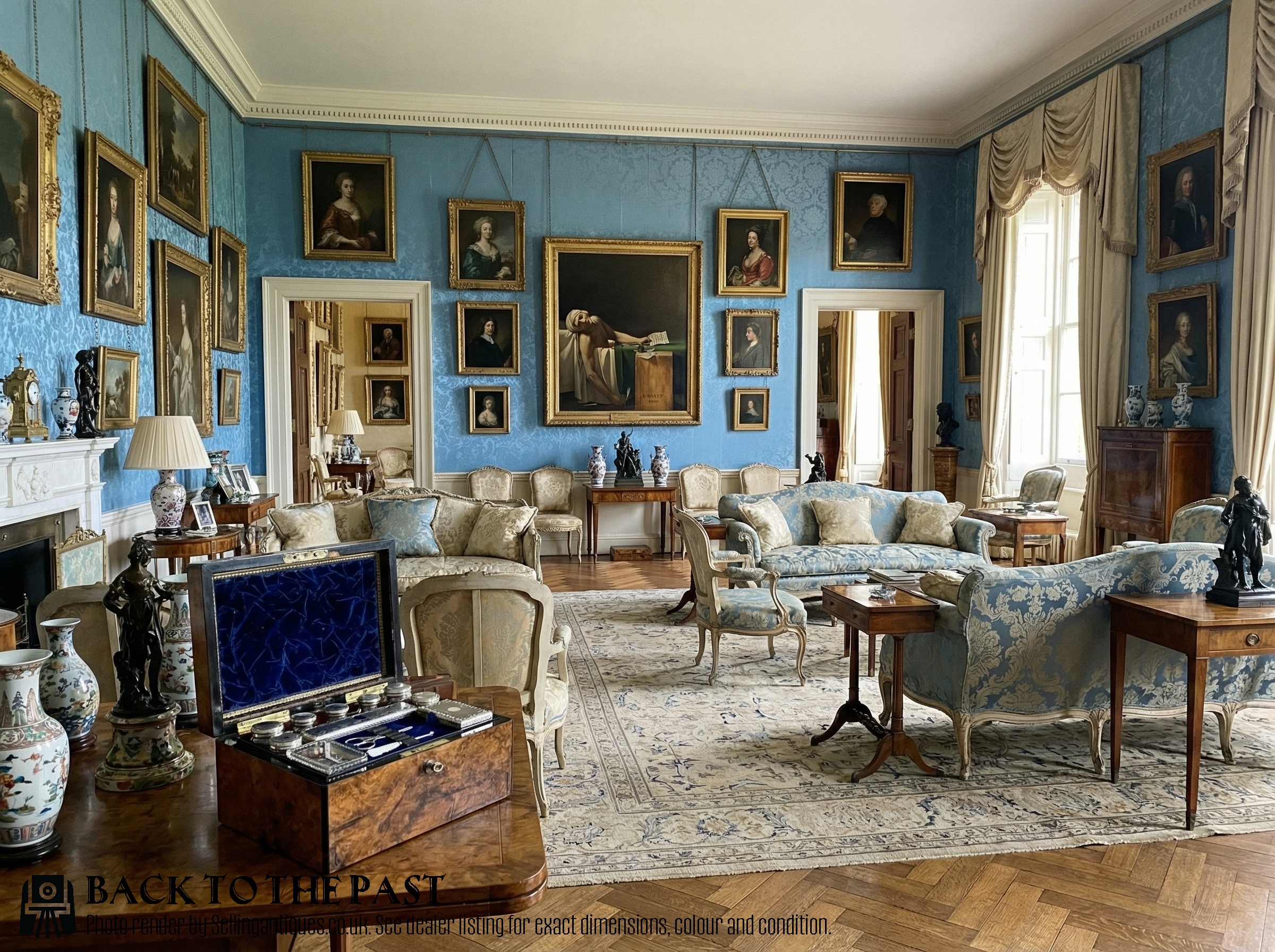
Outstanding Quality Antique Victorian Burr Walnut Vanity Box, 1860
Priced at £995 from Unique Antiques by Emma Jade
The 2026 retail price guide for Antique Walnut Boxes is drawn from a proprietary archive of over 1.1 million retail prices indexed by Sellingantiques since 2003. This guide relies exclusively on their own internal data; no external sources or auction records are used.
Analysing nearly 25 years of UK antique market history alongside current retail values, the data indicates that typical UK retail prices for Antique Walnut Boxes range between £200 and £1,000. Entry-level prices generally fall under £200 and premium examples upwards of £1,000.
Look for flush-fitting handles on campaign pieces meant for travel.
Inspect the lock plate. Good boxes often feature stamped brass locks, sometimes bearing the initials of the lock maker.
Secret drawers hide behind false panels. You'll usually need to press a specific piece of interior moulding to release the hidden spring.
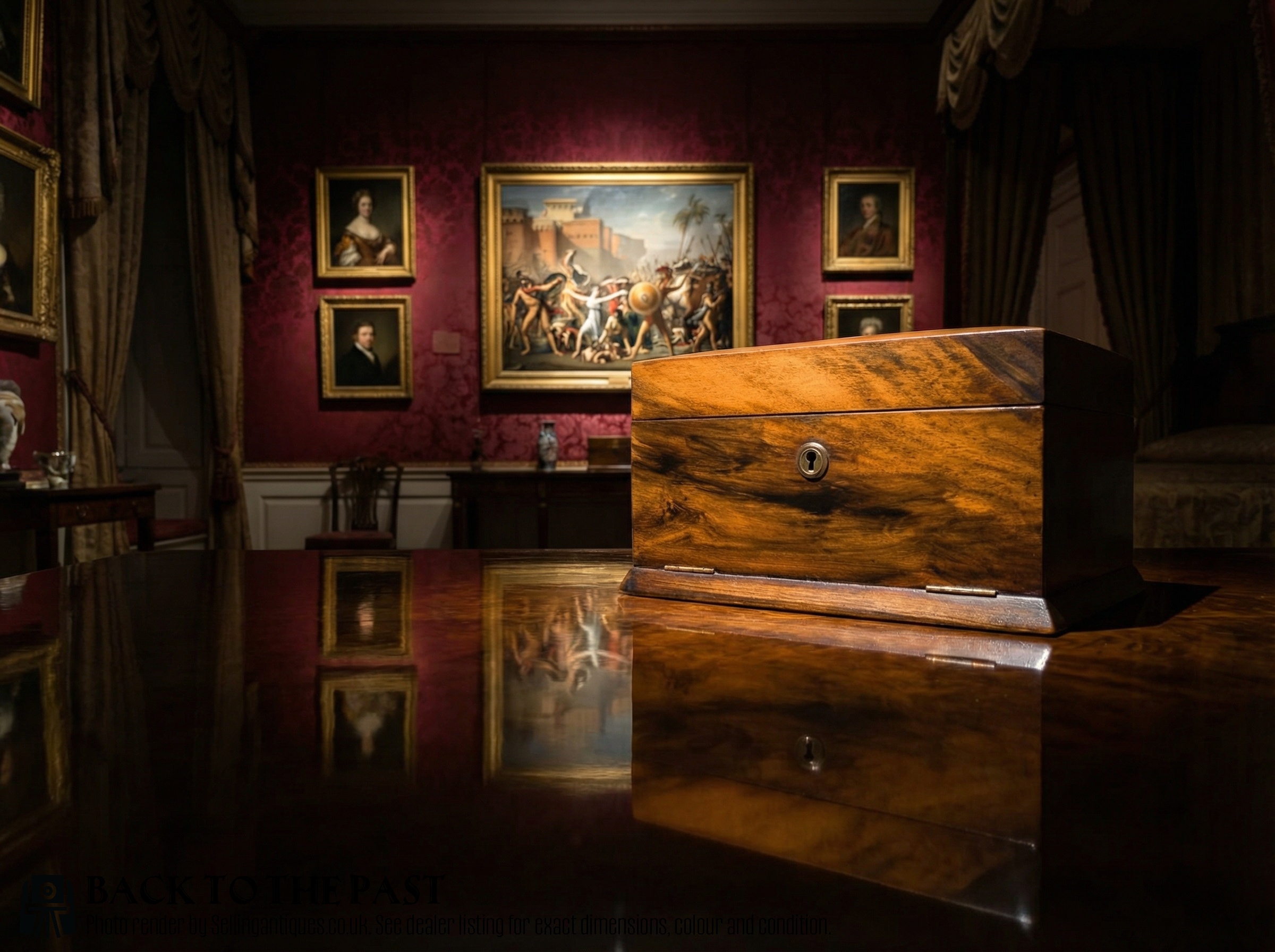
Lovely Little Late Victorian Walnut Jewellery Box., 1900
Priced at £95 from The Dorking Desk Shop
Early examples rely on thick, hand-sawn veneers pinned and glued to a solid oak carcase.
Advances in saw technology during the nineteenth century allowed much thinner slices of decorative timber.
Dovetail joints secure the corners of the hidden carcase, providing immense structural strength that sits entirely hidden beneath the outer decorative skin of walnut.
"The erratic grain patterns of burr timber come from a tree reacting to stress or fungal attack."
"Makers often used the same sheet of veneer for the lid and base so the grain matches neatly across the cut."
"Complex brass inlays were sometimes cut through multiple sheets of metal and wood simultaneously, a technique ensuring an exact fit between the contrasting materials."
Based on almost 25 years of Sellingantiques UK antique market data, Antique Walnut Boxes appeared 4226 times (out of 1,100,000 antiques) which gives it a rarity score of 43/100.
This score measures scarcity within the Sellingantiques archive only and is not a survey of the entire antiques market, so these statistics may not be indicative of the general availability of Antique Walnut Boxes elsewhere.
Hide glue works best for securing loose patches. It allows you to soften the bond later with heat and moisture if adjustments are needed.
Slide a little warm glue under the flake with a palette knife. Clamp it flat using a block of wood lined with wax paper until dry.
Replacement canisters turn up occasionally at fairs or through specialist dealers. Dimensions varied across different workshops, so you'll need to measure the internal space carefully.
Many buyers prefer to leave the interior empty and use the void for storing modern items.
Finding matching metal or glass fittings of the correct period requires patience.
The main compartments held paper beneath the hinged surface. Small square sections housed inkwells.
Look for a curved tray for dipping pens.
Forcing a locked lid usually damages the surrounding timber and splits the brass strike plate. Levering early mechanisms from the outside causes structural harm.
A good restorer can often pick the lock without marking the wood. Once open, they can cut a new key to fit the original levers.
Please note: This Antique Walnut Boxes guide and its associated pricing data are provided for general informational purposes only. It does not constitute formal financial, investment, or appraisal advice and should not be relied upon as the sole basis for any commercial activity, purchasing, or sales decisions. Sellingantiques.co.uk accepts no liability for any actions taken in reliance on this information. Always consult with a qualified professional or independent appraiser.
