


A 2026 Guide by Sellingantiques
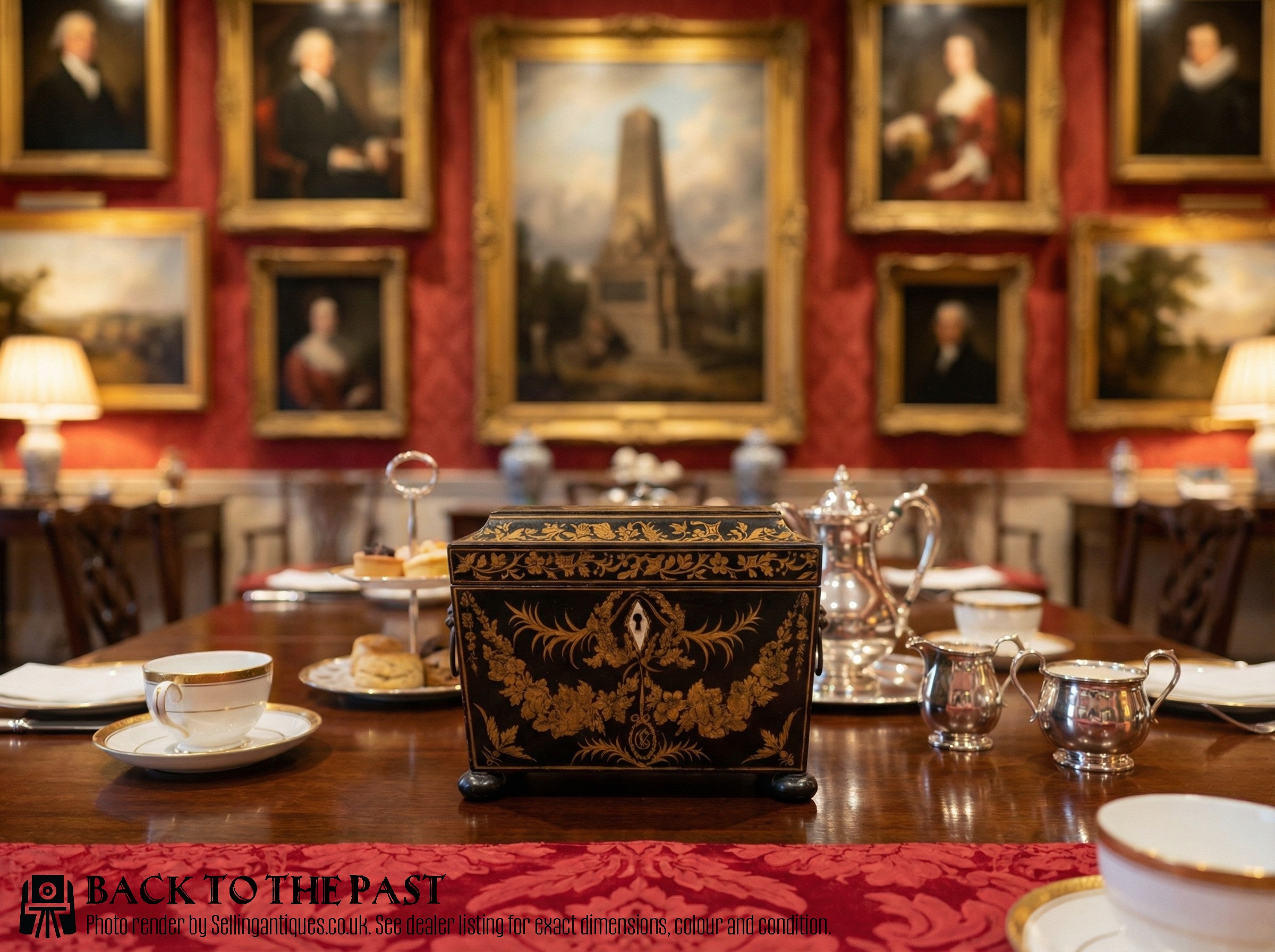
Fine Early Regency Chinoiserie Penwork Tea Caddy C.1800, Regency
Priced at £1,675 from A Brookes
Look at the earliest examples. They were bottle-shaped containers called canisters, derived from Chinese porcelain jars that arrived with the first tea imports.
Locking lids became standard. The valuable contents were kept under tight control by the head of the house.
Georgian antique tea caddies usually featured two internal compartments. One held green tea and the other black tea, ready for blending.
A shift in the late eighteenth century. The shape changed from single canisters to larger box forms holding multiple lead-lined wooden boxes.
Thomas Chippendale supplied fine antique tea caddies alongside major furniture commissions during the mid-eighteenth century.
Gillows of Lancaster and London. Their surviving workshop sketchbooks show designs for sarcophagus shapes produced during the early nineteenth century.
Check the silver mounts on metal examples. London silversmiths like Hester Bateman stamped their hallmarks on canisters in the seventeen-eighties.
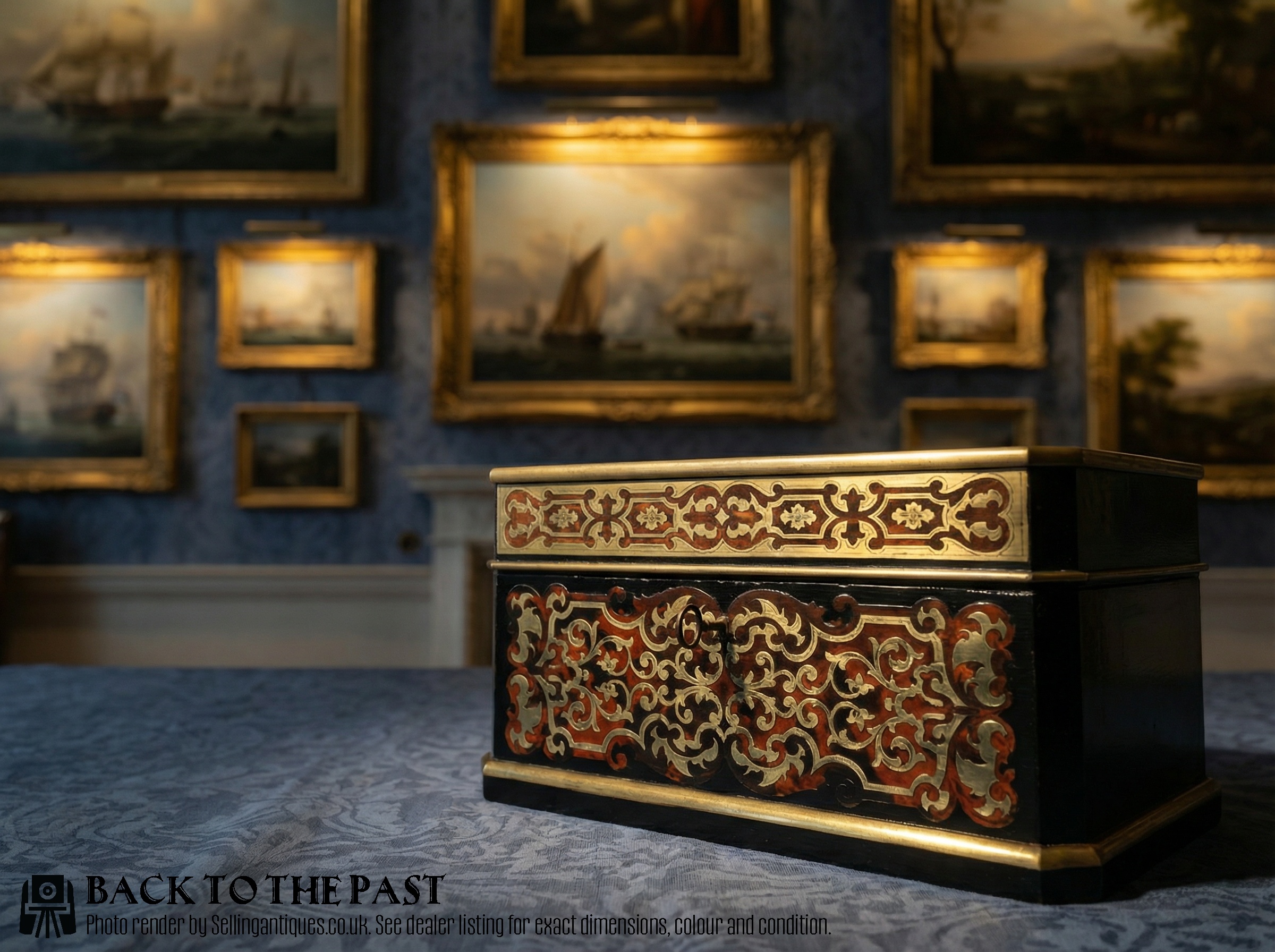
Antique French Tortoise Shell Tea Caddy Box - Key - Inner Cannisters - Sugar Dish 1820c, 1800
Priced at £2,450 from Sovereign Antiques Of Nuneaton
The 2026 retail price guide for Antique Tea Caddies is drawn from a proprietary archive of over 1.1 million retail prices indexed by Sellingantiques since 2003. This guide relies exclusively on their own internal data; no external sources or auction records are used.
Analysing nearly 25 years of UK antique market history alongside current retail values, the data indicates that typical UK retail prices for Antique Tea Caddies range between £300 and £1,700. Entry-level prices generally fall under £300 and premium examples upwards of £1,700.
The central glass mixing bowl often sits between two lidded compartments.
Inspect the escutcheon. A sturdy brass or bone keyhole surround protects the wood from careless key strikes during daily locking.
Hinged interior lids with small bone or brass handles. These tightly fitted covers stop the different leaf varieties from spilling across the main box interior.
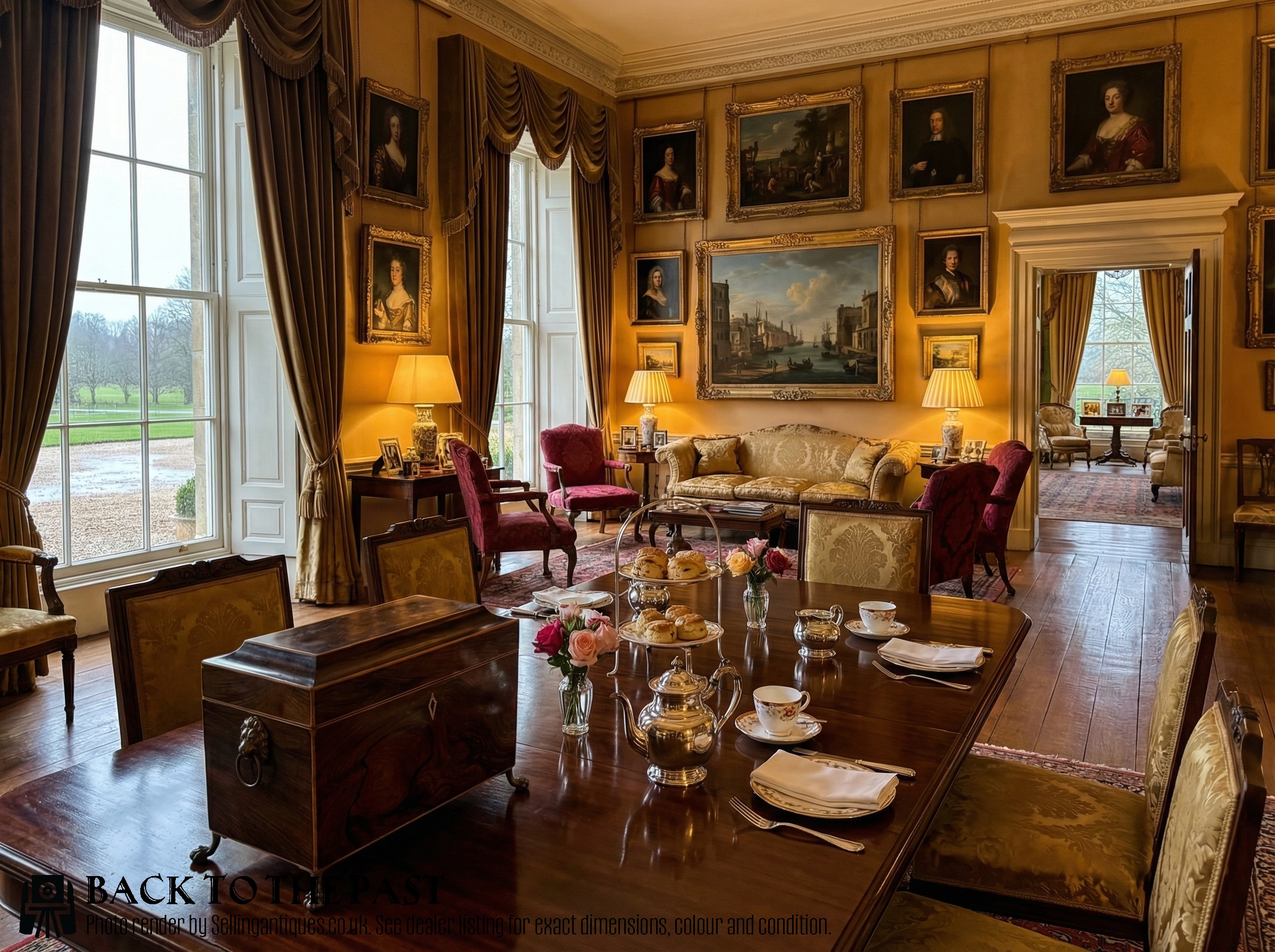
Regency Rosewood Tea Caddy, Circa 1820, Regency
Priced at £240 from WelshAntiques
Early solid wood boxes rely on tiny, hand-cut dovetail joints at the corners for structural strength.
Crossbanding applied to the borders. Craftsmen laid thin strips of contrasting veneer with the grain running across the strip to frame the main panels.
Examine the hinges. Stop hinges became common because they prevent the lid from falling right back and straining the delicate woodwork.
"Some eighteenth-century shapes imitate fruit. Clever turners carved solid fruitwood into exact copies of apples and pears complete with stalks."
"Rolled paper work. Young women created elaborate surfaces by tightly coiling strips of gilt paper and gluing them to the wooden carcase."
"Lift the glass bowl. You might find a secret void underneath where owners sometimes hid small valuables."
Based on almost 25 years of Sellingantiques UK antique market data, Antique Tea Caddies appeared 5368 times (out of 1,100,000 antiques) which gives it a rarity score of 34/100.
This score measures scarcity within the Sellingantiques archive only and is not a survey of the entire antiques market, so these statistics may not be indicative of the general availability of Antique Tea Caddies elsewhere.
The central glass vessel served as a mixing bowl. Tea was kept in the two side compartments, usually green in one and black in the other. The host would scoop leaves from both sides into the bowl to blend them before brewing.
Sometimes these bowls also doubled as sugar basins. It depends on the specific date of the piece and the household habits of the time.
A local locksmith can usually open the box without damaging the wood or the brass escutcheon. They use a set of skeleton keys or fine picking tools to gently turn the mechanism.
Don't force the lid with a screwdriver or knife. The lock mechanisms are quite simple, but prying the wood will crack the veneer and ruin the edge profile permanently.
You just need a soft bristle brush to sweep out any old dust. A camera lens brush or a clean paintbrush works well for getting into the tight corners.
Never use damp cloths or liquid cleaners on the interior. Any moisture can lift the remaining foil lining or warp the thin wooden dividers.
The overall design shifted from tall, single-canister styles to wider, heavier boxes. Early single caddies weren't too heavy, meaning they could be picked up by a small top handle and passed around.
By the early nineteenth century, the sarcophagus shape became dominant. These boxes held two heavy lead-lined compartments and a thick glass bowl, making them too heavy for a delicate lid handle. Makers fitted sturdy cast metal ring handles to the sides of the carcase so servants could move the box safely.
Please note: This Antique Tea Caddies guide and its associated pricing data are provided for general informational purposes only. It does not constitute formal financial, investment, or appraisal advice and should not be relied upon as the sole basis for any commercial activity, purchasing, or sales decisions. Sellingantiques.co.uk accepts no liability for any actions taken in reliance on this information. Always consult with a qualified professional or independent appraiser.
