

A 2026 Guide by Sellingantiques
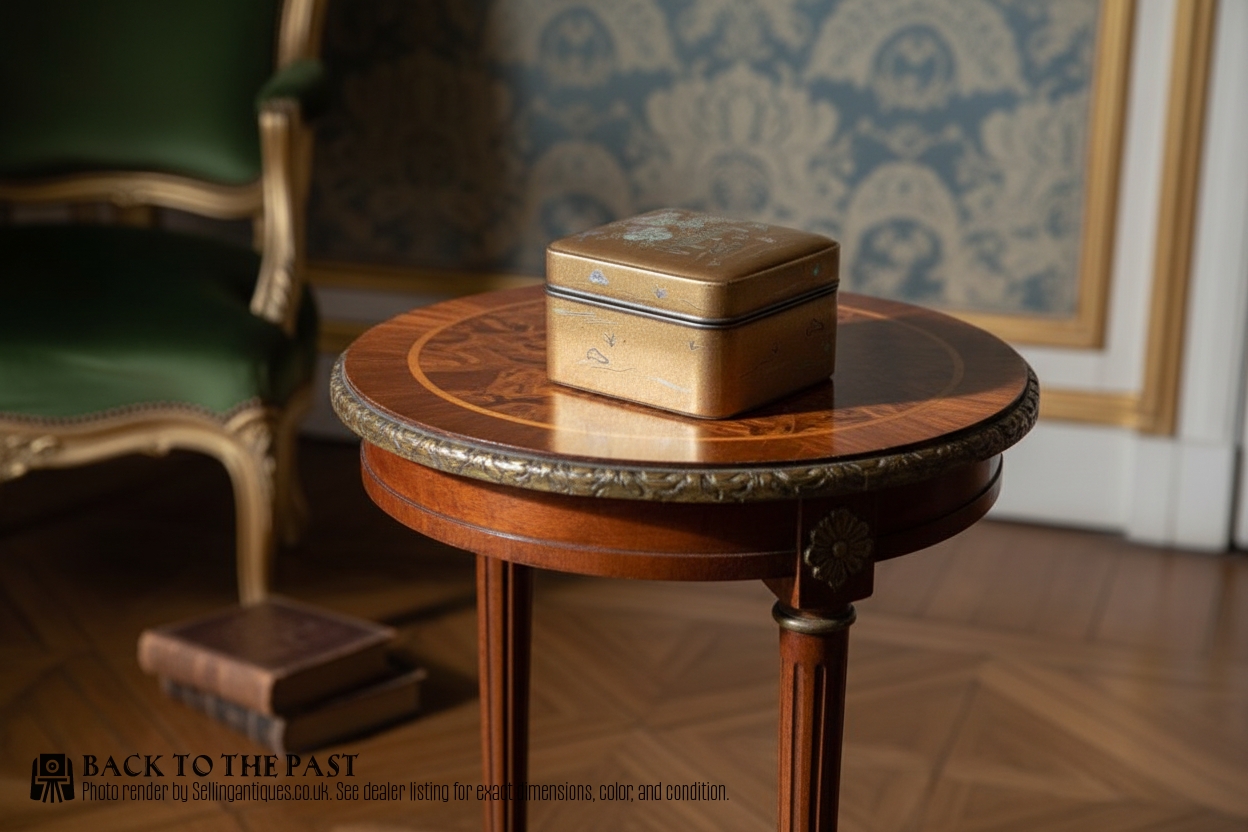
Fine Quality Antique Inlaid Lacquered Oriental Box
, 19th Century
Priced at £495 from London City Antiques
Japanese lacquer boxes date back centuries. Early examples held Buddhist scrolls before secular use expanded into elite households.
The Edo period saw increased demand for specialised antique Japanese boxes. Wealthy merchants wanted tebako for cosmetics and suzuribako for writing tools.
Export trade changed the market in the nineteenth century. Makers adapted shapes for Western buyers who desired exotic tea caddies or jewellery boxes.
Sumptuous decoration signified status. A daimyo required dozens of matching storage containers for their trousseau.
Isolation policies kept domestic box styles consistent until the Meiji restoration opened ports to foreign influence.
Shibata Zeshin worked during the late Edo and Meiji periods. He produced lacquer boxes featuring imitation bronze and rust textures.
The Igarashi school operated from the fifteenth century onwards. They supplied elite patrons with boxes bearing intricate autumn leaf and floral designs.
Most standard pieces lack a maker's mark. Production relied on workshops where different artisans handled the carpentry, priming and final decoration.
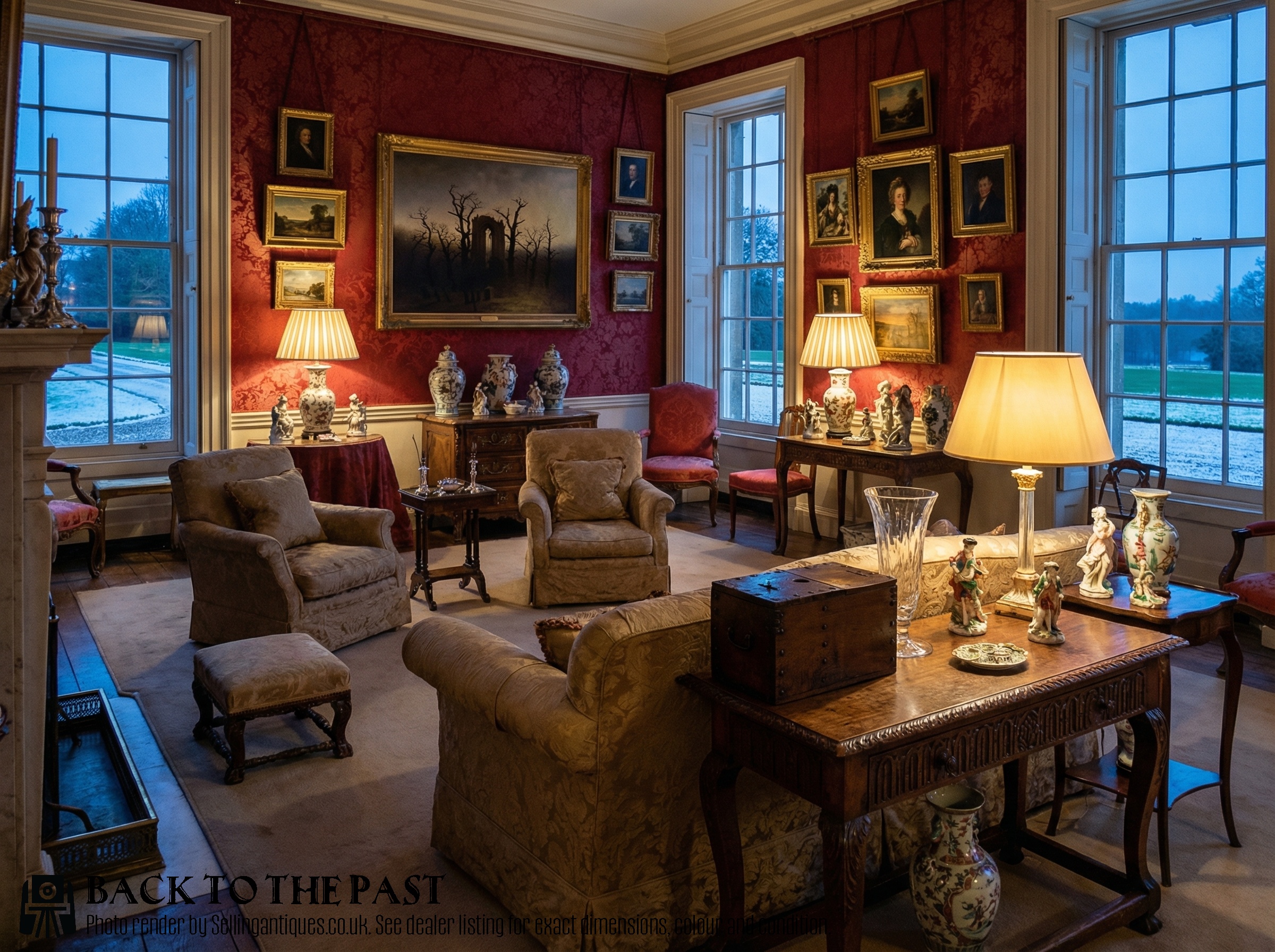
Japanese Zenibako (Money Box ), 19th Century
Priced at £225 from Sinclairs Antiques and Interiors
The 2026 retail price guide for Antique Japanese Boxes is drawn from a proprietary archive of over 1.1 million retail prices indexed by Sellingantiques since 2003. This guide relies exclusively on their own internal data; no external sources or auction records are used.
Analysing nearly 25 years of UK antique market history alongside current retail values, the data indicates that typical UK retail prices for Antique Japanese Boxes range between £400 and £4,900. Entry-level prices generally fall under £400 and premium examples upwards of £4,900.
Fitted interiors define the better suzuribako. You will find specific recesses carved for inkstones, water droppers and brushes.
Silk tying cords run through metal rings on the sides of document boxes. These kept lids secure during transport.
Overhanging lids cover the base tightly. This flush fit prevents moisture from damaging the contents during humid summers.
Box makers joined the wooden core with hidden wooden pegs or tiny dovetails. This stopped metal nails from rusting under the lacquer.
Cloth strips often reinforce the joints. Applying hemp and paste over the seams prevents the final finish from cracking as the wood shifts.
High-relief decoration requires building up layers of charcoal powder and sap. The artisan then carves the hardened mixture before adding gold dust.
"The interior decoration is sometimes better than the exterior. Uncovering a lid to find a detailed landscape adds a hidden layer of enjoyment."
"Lacquer cures by absorbing moisture from the air. The drying process requires high humidity rather than heat."
"Many writing boxes double as low desks. The flat inside lid provides a clean surface for mixing ink and resting paper."
Based on almost 25 years of Sellingantiques UK antique market data, Antique Japanese Boxes appeared 628 times (out of 1,100,000 antiques) which gives it a rarity score of 88/100.
This score measures scarcity within the Sellingantiques archive only and is not a survey of the entire antiques market, so these statistics may not be indicative of the general availability of Antique Japanese Boxes elsewhere.
Dust it with a soft, dry cloth. Lacquer resists water well but gets scratched easily by rough fabrics or abrasive dust particles.
Keep polishes and modern chemical cleaners away from the surface. They can strip the top layer and dull the gold decoration.
You can use a damp cotton swab to soften the ink. Work slowly and only apply moisture to the stone itself, avoiding the surrounding wood and lacquer.
If the ink sits on the lacquer tray, proceed with caution. Aggressive rubbing might lift the finish, especially if the piece has underlying cracks.
Silver dust in maki-e tarnishes just like solid silverware. It turns a dark grey or blackish tone over the decades.
Many collectors prefer this darkened appearance as it contrasts sharply with the gold. Do not attempt to polish it back to silver.
Specialist dealers in Asian art often sell modern replacement tying cords. They come in traditional weaves and dyes that match Edo and Meiji period examples.
Look for plain silk braids rather than synthetic blends.
Please note: This Antique Japanese Boxes guide and its associated pricing data are provided for general informational purposes only. It does not constitute formal financial, investment, or appraisal advice and should not be relied upon as the sole basis for any commercial activity, purchasing, or sales decisions. Sellingantiques.co.uk accepts no liability for any actions taken in reliance on this information. Always consult with a qualified professional or independent appraiser.

