


A 2026 Guide by Sellingantiques
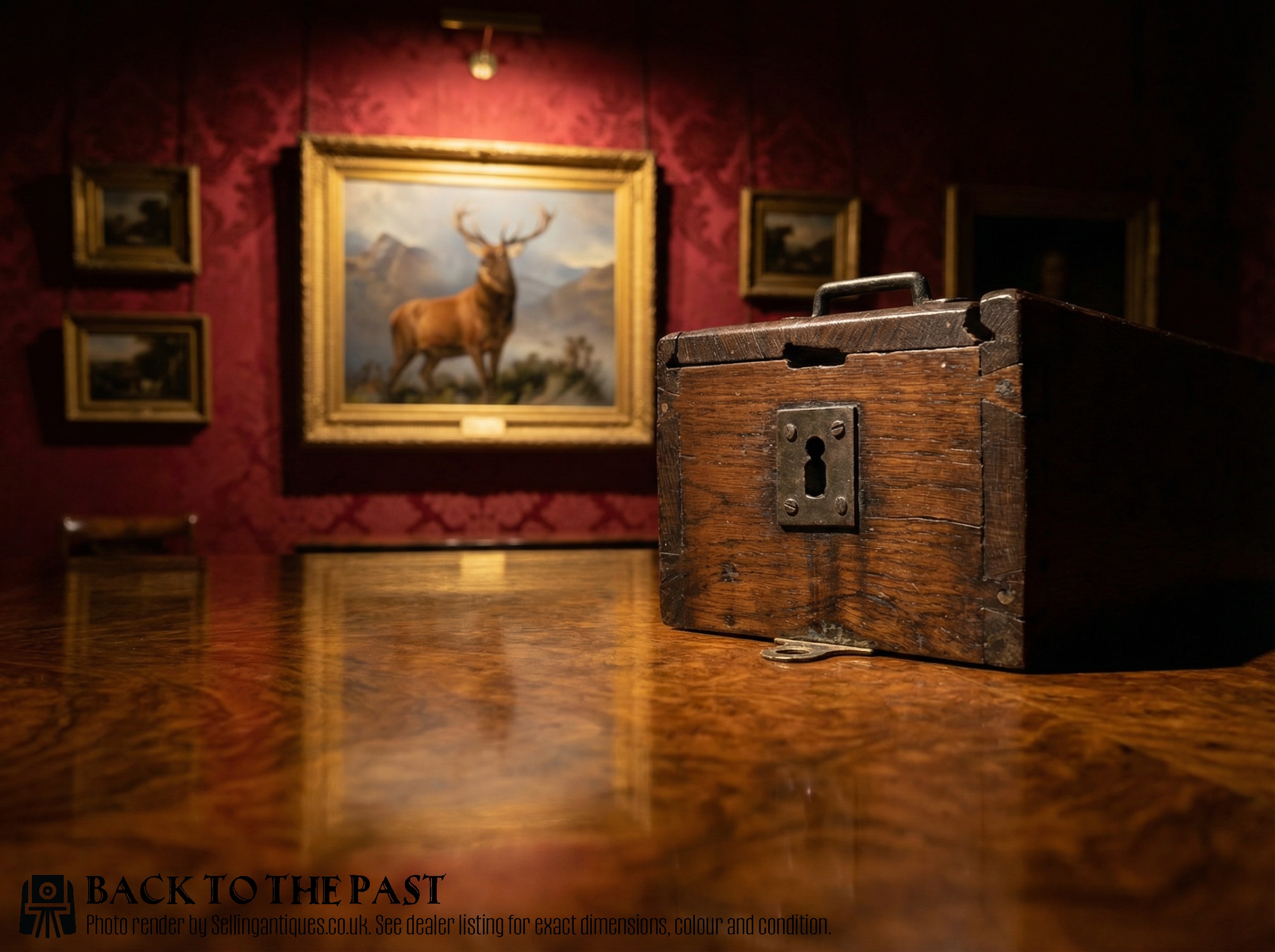
A Primitive 18thc Oak Hanging Candle Box, 18th Century
Priced at £155 from Mike Melody Antiques
Households needed a safe place away from pests to store tallow dips. Rats often chewed through unprotected bundles.
Hanging antique candle boxes near the kitchen fire kept the contents dry. Tallow goes rancid quickly in cold rooms.
Most surviving examples date from the late eighteenth to the mid-nineteenth century. Gas lighting eventually made them obsolete in towns.
Rural cottages relied on these simple storage solutions long after wealthy homes moved on to oil lamps.
Very few antique candle boxes carry a maker's stamp. Village carpenters knocked these together alongside stools and dough troughs.
Tinsmiths travelling through rural districts hawked the metal varieties. They supplied standard patterns across different counties.
Regional variations help pinpoint origins. Welsh craftsmen favoured dark oak with specific types of chip carving.
The 2026 retail price guide for Antique Candle Boxes is drawn from a proprietary archive of over 1.1 million retail prices indexed by Sellingantiques since 2003. This guide relies exclusively on their own internal data; no external sources or auction records are used.
Analysing nearly 25 years of UK antique market history alongside current retail values, the data indicates that typical UK retail prices for Antique Candle Boxes range between £200 and £600. Entry-level prices generally fall under £200 and premium examples upwards of £600.
A sliding or hinged front panel allowed easy access to the contents. Some slide upwards in grooves cut into the side boards.
Shaped backboards rise above the main compartment. Pierced holes here let the user hang the box on a simple nail.
Check the sloping lid. This angled top stopped dust gathering and shed moisture in draughty kitchens.
Early examples rely on nailed board construction. The sides just butt against the front and back pieces.
Cabinet makers introduced neat dovetails to the corners later on. This stopped the boards warping across the grain.
Metal boxes show rolled edges. Folding the sharp sheet metal over a wire stiffened the structure.
"Many doubling as salt boxes survive today. The sloped lid and hanging design worked equally well for dry goods."
"Some feature secret compartments built into a false bottom. Families used these hidden spots to keep loose coins out of sight."
"Folk art collectors prize the carved examples highly. Naive scratch-carved dates and initials add great social history to a plain box."
Based on almost 25 years of Sellingantiques UK antique market data, Antique Candle Boxes appeared 451 times (out of 1,100,000 antiques) which gives it a rarity score of 91/100.
This score measures scarcity within the Sellingantiques archive only and is not a survey of the entire antiques market, so these statistics may not be indicative of the general availability of Antique Candle Boxes elsewhere.
Leave the grease alone. Tallow stains belong there and tell the story of the piece. Scrubbing ruins the dry surface.
If dust bothers you, just brush it out with a stiff bristle brush. Chemical cleaners will soak into the bare wood and leave a patchy mark.
Never force a stuck metal lid. The hinge wire rusts and expands over time. Snapping that joint destroys the box.
Apply a few drops of penetrating oil along the hinge line. Give it a few days to work into the rust before trying again. Gently work the lid back and forth rather than pulling hard.
Yes. They look good on a kitchen wall. Just use a proper fixing that takes the weight, rather than relying on a weak picture hook.
The sliding front is a common regional variation. They held the same tallow dips. A slider simply avoids the need for metal hinges in areas where ironmongery was scarce.
You often find sliders on the taller upright boxes. Gravity keeps the door firmly shut against mice. The user just pushed the panel up an inch to pull out a single dip.
Please note: This Antique Candle Boxes guide and its associated pricing data are provided for general informational purposes only. It does not constitute formal financial, investment, or appraisal advice and should not be relied upon as the sole basis for any commercial activity, purchasing, or sales decisions. Sellingantiques.co.uk accepts no liability for any actions taken in reliance on this information. Always consult with a qualified professional or independent appraiser.
