64,656  PAGES BROWSED TODAY PAGES TODAY • 204 ANTIQUES UPLOADED TODAYNEW ARRIVALS
GIFTS
204 ITEMS ADDED TODAY
Sort Order
Items Per Page
Browse Categories
Sort order
Items per page
ID #SA306747
SOLD
Email Phone
Save
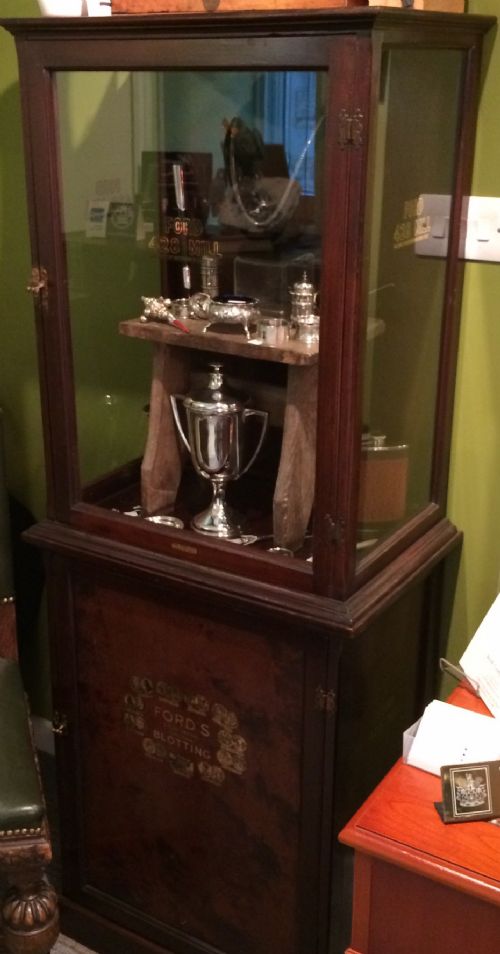
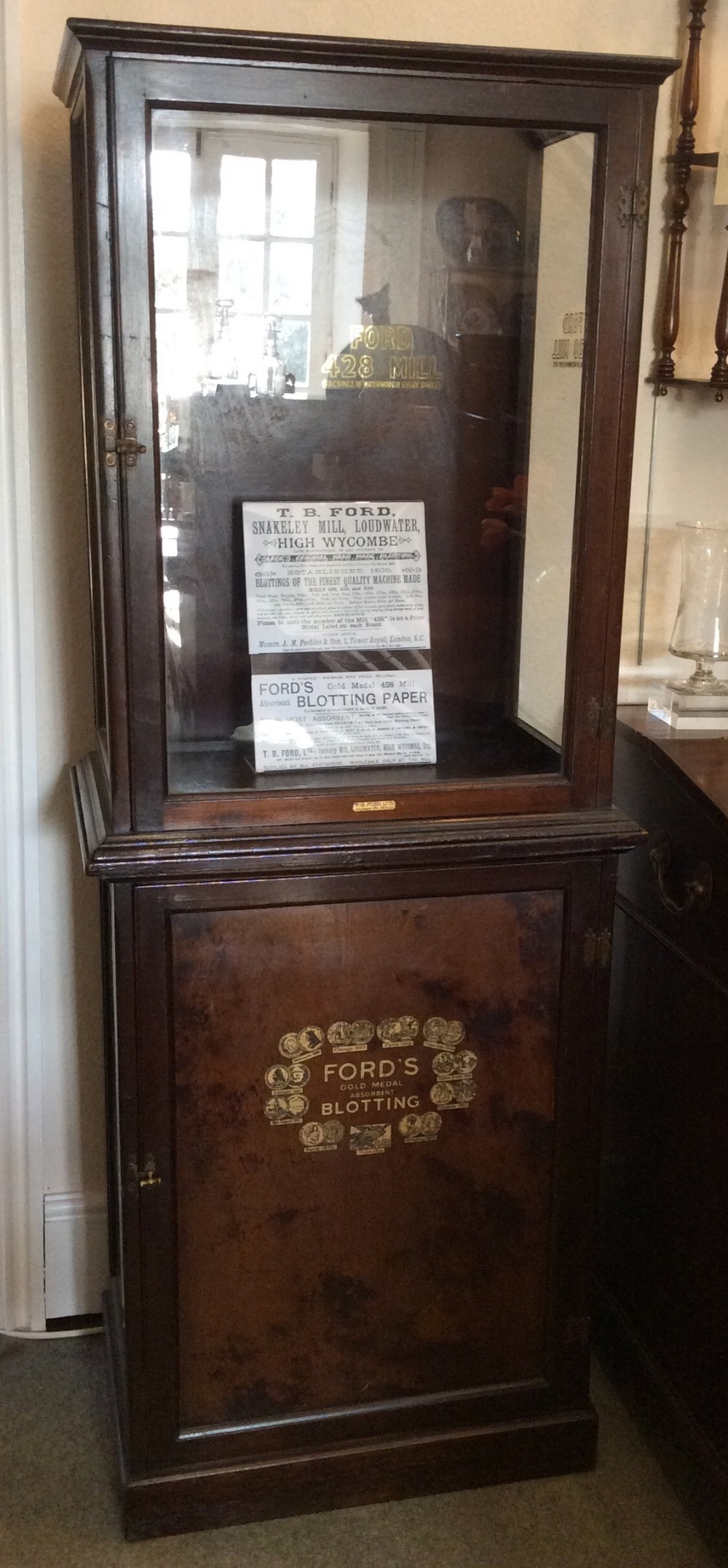
Early 20th Century Ford's Blotting Paper/pen Shop Display Cabinet
Sold by Colin Brand Antiques
sold SA306747
Sorry, but this item has been sold.
Colin Brand Antiques

Colin Brand Antiques

Sellingantiques Verified Since Apr 2014
Browse dealers 64 items
  • About Us
    Antiques with a story to tell and where history finds a home
Id #SA306747
PDF SHARE
SAVE

Early 20th Century Ford's Blotting Paper/pen Shop Display Cabinet

1900 - 1920
Sold 1 January 1900 · Colin Brand Antiques
This “Early 20th Century Ford's Blotting Paper/pen Shop Display Cabinet” found a buyer.

It was listed by Colin Brand Antiques. Sold pieces stay on Sellingantiques as a record of what has passed through, and the next one is rarely far away.

Description

Early 20th Century Shop display cabinet

height 150cm 59"

width 88cm 35"

depth 38cm 15"

comes in two parts, replacement shelves in the lower cupboard

A little history on 'Ford' Blotting Paper

THE MILL

The Slades had been papermaking at the East Hagbourne mill since the 17th Century, when John Slade (1595-1654), a Berkshire farmer, converted his water driven grain mill into a paper mill. William Russell Slade (1766-1801), William Smart Slade's father, is reputed to have invented blotting paper at the East Hagbourne mill in the late 18th century. After that date, the manufacture of blotting paper became an increasingly important element in the Slade's business. William Smart Slade expanded the business, and leaving his mother, Nanny Slade (1772-1824), and later his brother John Slade (1797-1861) to run the East Hagbourne Mill, he leased another mill at Upper Clatford, near Andover, Hants from 1817-1831 and later at Hurstbourne Priors, near Whitchurch, Hants, from 1831-1845.
The Fords were yeoman farmers and settled in the South Stoke area of Oxfordshire in the 17th Century. By the beginning of the 18th Century they had moved to Goring and Streatley. Thomas's grandfather, William Ford (1763-1855) had become a bricklayer and builder. He moved to Reading where he married Frances (Fanny) Stevens in 1789 and where his son John Ford (1790-1847) was born. John set up his own building business in 1823. Thomas Burch Ford was his third son and became a solicitor's managing clerk and later qualified as a solicitor. In 1850 he married Elizabeth Slade (1826-1911). Elizabeth was the daughter of William Smart Slade (1791-1845), a papermaker, from East Hagbourne, Berkshire, and who also had a mill at Hurstbourne Priors, Hants.
Thomas's marriage to Elizabeth Slade triggered a dramatic career change for him. After the death of William Smart Slade in 1845, the family blotting paper manufacturing business had largely passed to his son William Slade (1827-1860).
In 1855 Thomas Ford bought out the Slade blotting paper business at East Hagbourne and rented the East Hagbourne paper mill from his brother in law, who in turn, rented another paper mill at Bagnor, near Newbury. Thomas proved to be a successful businessman and his new career prospered. However, his brother in law, William Slade, was dogged by failure and ill health and his business ventures collapsed, culminating in him being declared bankrupt in late 1858. This meant that the East Hagbourne mill, owned by William Slade, had to be vacated by Thomas Ford and sold to meet William Slade's debts.
Although Thomas would have had the opportunity of buying or leasing the East Hagbourne mill from William Slade's creditors, he decided to move to bigger and better premises.

Two suitable mills became available at Loudwater, Bucks and on 18th March 1859, he signed a 21-year lease on Snakeley Mill and Treadaway or Overshott Mill in Loudwater. These mills were already paper mills, but the machinery and other assets were also much more up to date. Clearly, the Loudwater operation had enormous advantages over Hagbourne. Not only was there waterpower but Snakeley also possessed a small steam boiler, which powered the steam drying rollers. Moreover there was a Foudrinier paper machine, which could make paper on a continuous web, instead of each sheet being made separately by hand, which was the only method at Hagbourne. These two advantages enabled Thomas to become competitive and increase his output.

Date of Manufacture

Colin Brand Antiques has dated this piece to the 1920s.

Reference Numbers
Sellingantiques Reference
SA306747
Dealers Internal Reference
CRB/JR
Dealers Notes

Colin Brand Antiques Est. 1984

Description
Early 20th Century Shop display cabinet

height 150cm 59"

width 88cm 35"

depth 38cm 15"

comes in two parts, replacement shelves in the lower cupboard

A little history on 'Ford' Blotting Paper

THE MILL

“
The Slades had been papermaking at the East Hagbourne mill since the 17th Century, when John Slade (1595-1654), a Berkshire farmer, converted his water driven grain mill into a paper mill.
Colin Brand Antiques

William Russell Slade (1766-1801), William Smart Slade's father, is reputed to have invented blotting paper at the East Hagbourne mill in the late 18th century. After that date, the manufacture of blotting paper became an increasingly important element in the Slade's business. William Smart Slade expanded the business, and leaving his mother, Nanny Slade (1772-1824), and later his brother John Slade (1797-1861) to run the East Hagbourne Mill, he leased another mill at Upper Clatford, near Andover, Hants from 1817-1831 and later at Hurstbourne Priors, near Whitchurch, Hants, from 1831-1845.

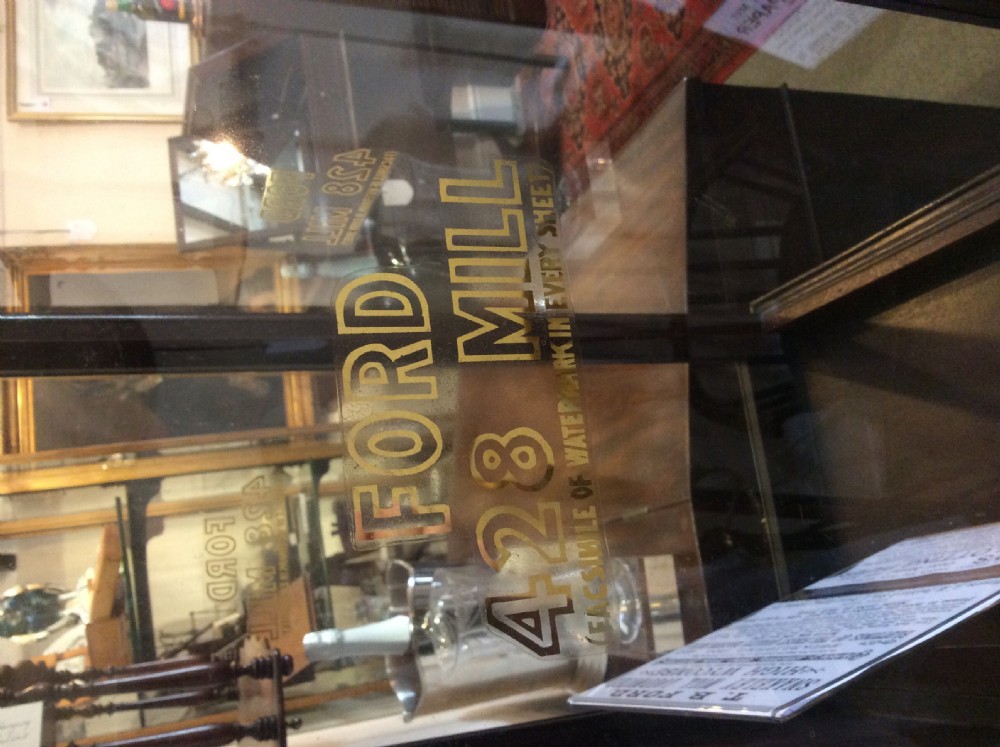
fig 1. Early 20th Century Ford's Blotting Paper/Pen Shop Display Cabinet
fig 1. Early 20th Century Ford's Blotting Paper/pen Shop Display Cabinet

The Fords were yeoman farmers and settled in the South Stoke area of Oxfordshire in the 17th Century. By the beginning of the 18th Century they had moved to Goring and Streatley. Thomas's grandfather, William Ford (1763-1855) had become a bricklayer and builder. He moved to Reading where he married Frances (Fanny) Stevens in 1789 and where his son John Ford (1790-1847) was born. John set up his own building business in 1823. Thomas Burch Ford was his third son and became a solicitor's managing clerk and later qualified as a solicitor. In 1850 he married Elizabeth Slade (1826-1911). Elizabeth was the daughter of William Smart Slade (1791-1845), a papermaker, from East Hagbourne, Berkshire, and who also had a mill at Hurstbourne Priors, Hants.

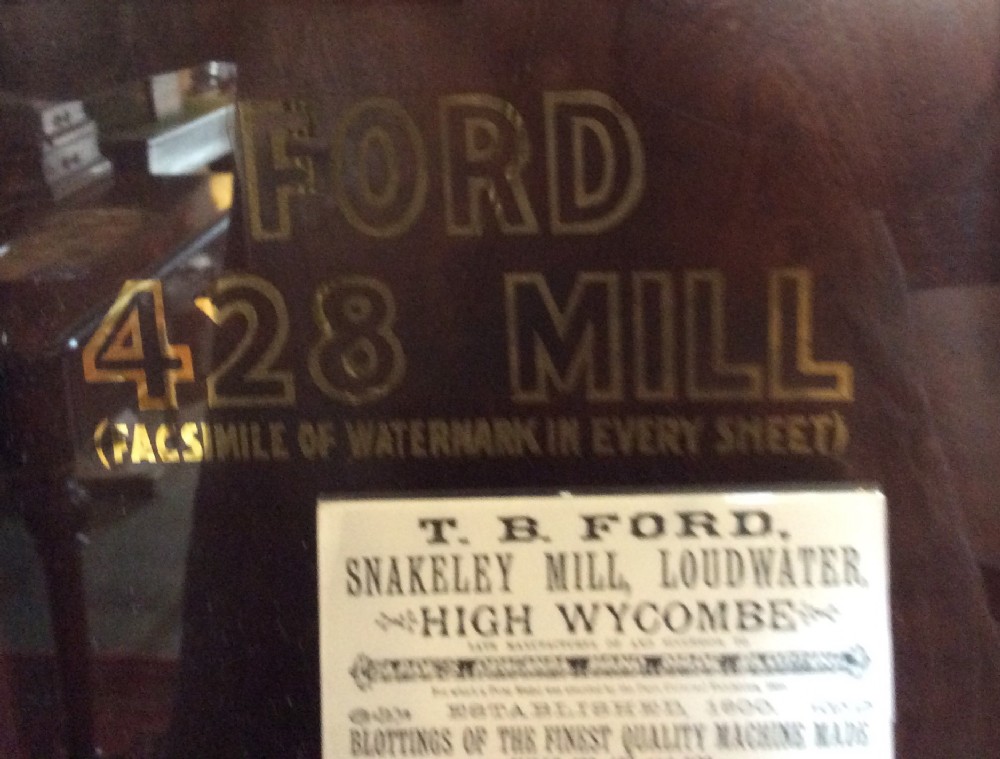
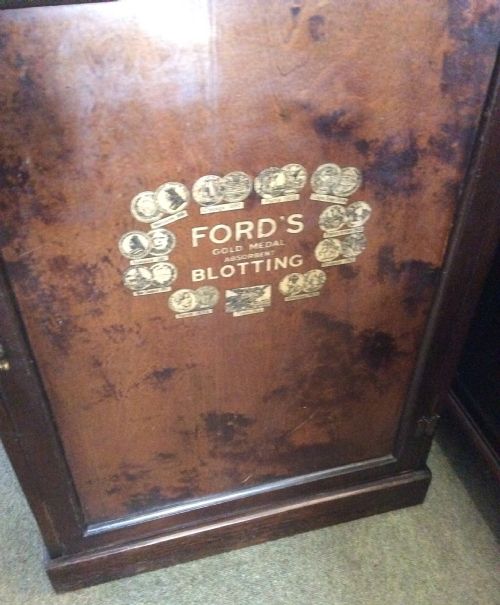
fig 2. Early 20th Century Ford's Blotting Paper/Pen Shop Display Cabinet
fig 2. Early 20th Century Ford's Blotting Paper/pen Shop Display Cabinet

Thomas's marriage to Elizabeth Slade triggered a dramatic career change for him. After the death of William Smart Slade in 1845, the family blotting paper manufacturing business had largely passed to his son William Slade (1827-1860).

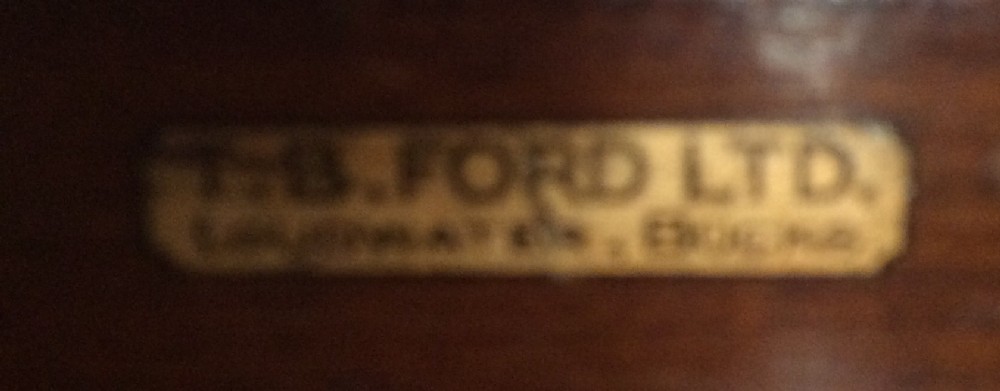
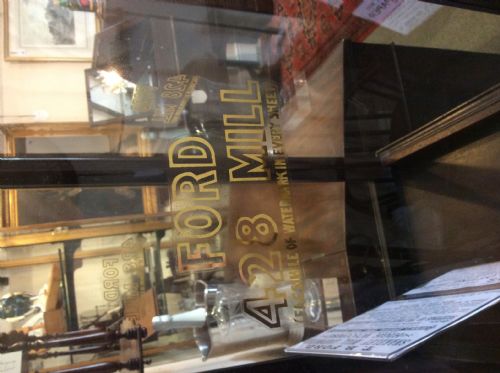
fig 3. Early 20th Century Ford's Blotting Paper/Pen Shop Display Cabinet
fig 3. Early 20th Century Ford's Blotting Paper/pen Shop Display Cabinet

In 1855 Thomas Ford bought out the Slade blotting paper business at East Hagbourne and rented the East Hagbourne paper mill from his brother in law, who in turn, rented another paper mill at Bagnor, near Newbury. Thomas proved to be a successful businessman and his new career prospered. However, his brother in law, William Slade, was dogged by failure and ill health and his business ventures collapsed, culminating in him being declared bankrupt in late 1858. This meant that the East Hagbourne mill, owned by William Slade, had to be vacated by Thomas Ford and sold to meet William Slade's debts.

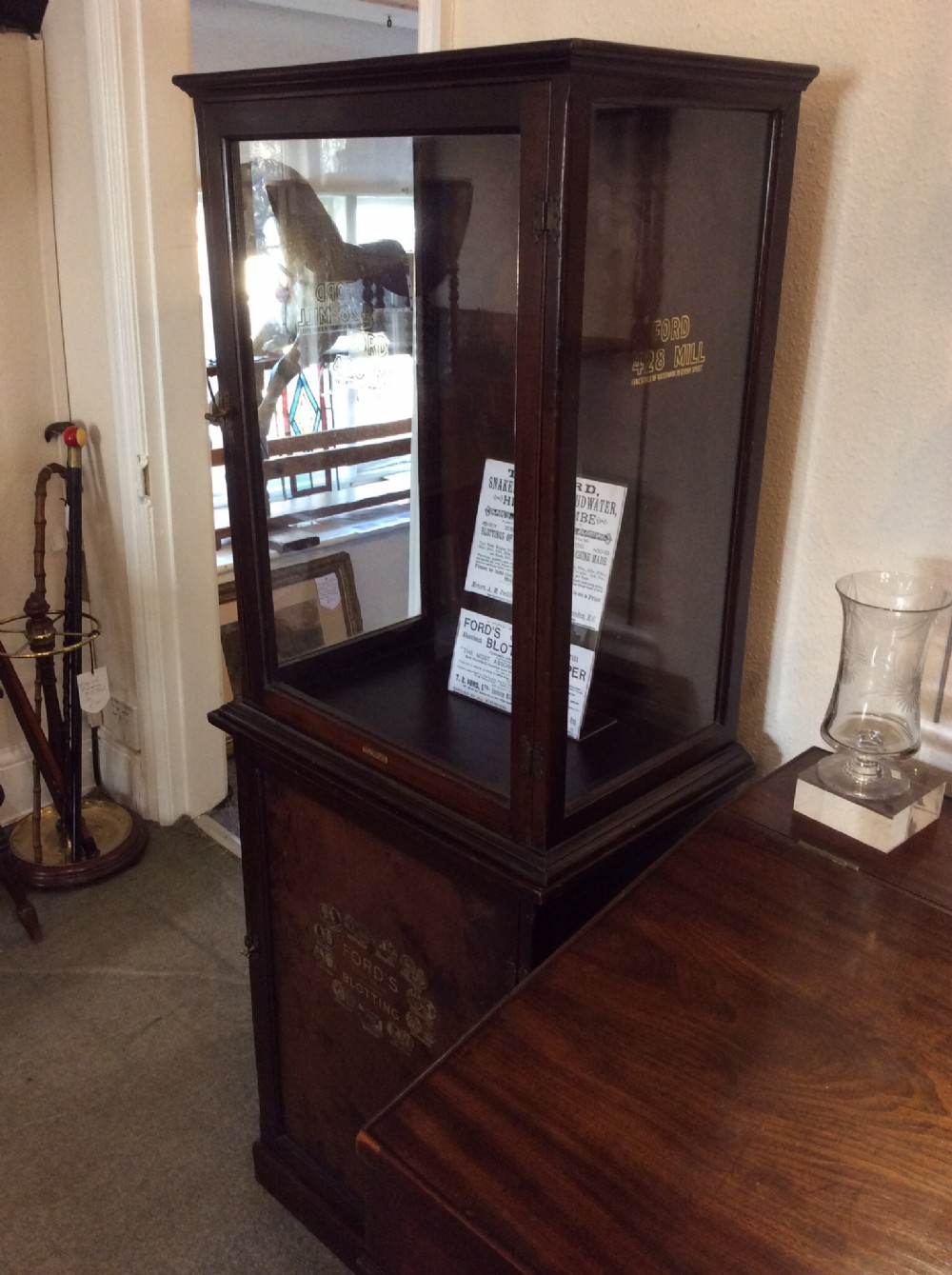
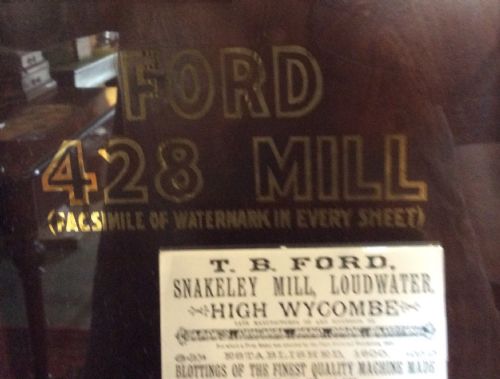
fig 4. Early 20th Century Ford's Blotting Paper/Pen Shop Display Cabinet
fig 4. Early 20th Century Ford's Blotting Paper/pen Shop Display Cabinet

Although Thomas would have had the opportunity of buying or leasing the East Hagbourne mill from William Slade's creditors, he decided to move to bigger and better premises.

Two suitable mills became available at Loudwater, Bucks and on 18th March 1859, he signed a 21-year lease on Snakeley Mill and Treadaway or Overshott Mill in Loudwater. These mills were already paper mills, but the machinery and other assets were also much more up to date. Clearly, the Loudwater operation had enormous advantages over Hagbourne. Not only was there waterpower but Snakeley also possessed a small steam boiler, which powered the steam drying rollers. Moreover there was a Foudrinier paper machine, which could make paper on a continuous web, instead of each sheet being made separately by hand, which was the only method at Hagbourne. These two advantages enabled Thomas to become competitive and increase his output.

Date of Manufacture

Colin Brand Antiques has dated this piece to the 1920s.

Reference Numbers
Sellingantiques Ref
SA306747
Dealers Internal Ref
CRB/JR
Colin Brand Antiques
Sellingantiques verified Since Apr 2014

Antiques with a story to tell and where history finds a home

Dealer Profile

You can view the stock and full dealer information on the Colin Brand Antiques Profile Page
PDF SHARE
SAVE
Early 20th Century Ford's Blotting Paper/Pen Shop Display Cabinet SOLD6+ MONTHS AGO
1 / 7
Archive I Early 20th Century Ford's Blotting Paper/Pen Shop Display Cabinet SOLD6+ MONTHS AGO

Early 20th Century Ford's Blotting Paper/pen Shop Display Cabinet

Archive II Early 20th Century Ford's Blotting Paper/Pen Shop Display Cabinet  View II
Archive III Early 20th Century Ford's Blotting Paper/Pen Shop Display Cabinet  View III
Archive IV Early 20th Century Ford's Blotting Paper/Pen Shop Display Cabinet  View IV
Archive V Early 20th Century Ford's Blotting Paper/Pen Shop Display Cabinet  View V
Archive VI Early 20th Century Ford's Blotting Paper/Pen Shop Display Cabinet  View VI
Archive VII Early 20th Century Ford's Blotting Paper/Pen Shop Display Cabinet  View VII
Enlarged Archival View
Telephone 07786 922 409
Location
Stow on the Wold
Gloucestershire
United Kingdom
Verified Since Apr 2014
Items For Sale 64
Items Sold 957
Colin Brand Antiques
Verified Since Apr 2014
View Dealer Info
Location: Stow on the Wold, Gloucestershire, United Kingdom
Verified
Apr 2014
For Sale
64
Sold
957
Early 20th Century Ford's Blotting Paper/Pen Shop Display Cabinet
Ref: SA306747
Early 20th Century Ford's Blotting Paper/Pen Shop Display Cabinet
Detail View 1
Detail View 2
Detail View 3
Detail View 4
Detail View 5
Detail View 6
Archival Detail
Every single antique dealer on our platform is individually approved by our internal team. We verify their professional trade history, ethical standards, and photographic quality to ensure a secure, high-standard buying environment. Upon joining, every dealer agrees to a strict 9-point code of conduct. While issues can occasionally arise, our dealers typically resolve them swiftly and directly with the buyer. In fact, since our founding in 2002, Sellingantiques has only had to step in to help resolve an issue on roughly five occasions—a true testament to the quality of our dealers and their dedication to your happiness.
Our dealers are highly experienced in packing and shipping fragile, high-value antiques. Because you are in direct contact with the dealer, you will be able to easily go through all available shipping and insurance options together to ensure your item arrives safely.
Antiques are the ultimate green purchase. By choosing historical pieces over newly manufactured goods, you completely eliminate the carbon footprint of modern mass production while preserving exceptional, timeless craftsmanship.
Written by Sellingantiques from the dealer’s photographs and listing
  • Period1900 - 1920
items
Add keywords to the filter
Price
£100
£250000
Era
Period
Style
Material
Origin
Stock Location
Recently Added
Online Payments
Categories