

A 2026 Guide by Sellingantiques
European demand for imported porcelain drove the early market for antique painted vases.
Look at the transition from functional household vessels to pure mantelpiece ornaments. It happened gradually across decades as domestic drawing rooms became more complex and crowded with furniture.
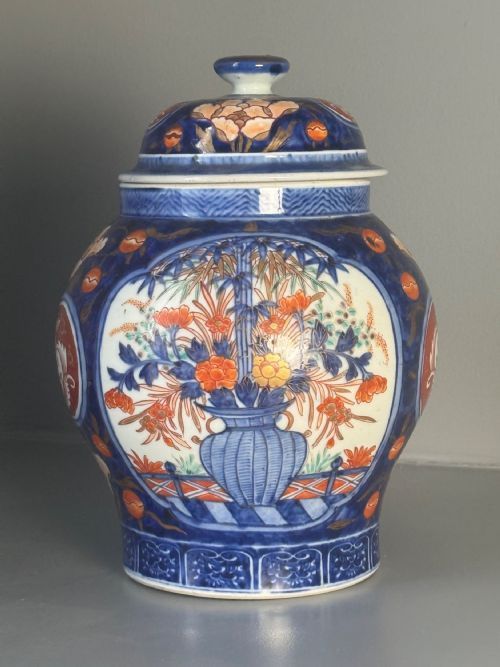
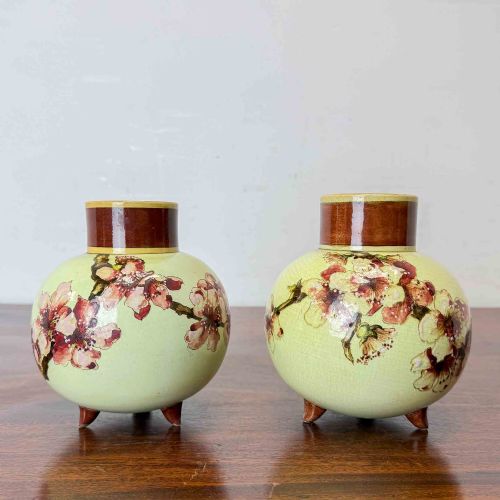
Local kilns soon started copying Asian botanical designs to satisfy middle-class buyers.
Victorians filled their homes with these decorative pieces. They frequently bought them in matching sets of three to sit symmetrically around a central mantel clock.
New firing techniques improved drastically by the late nineteenth century, allowing faster production.
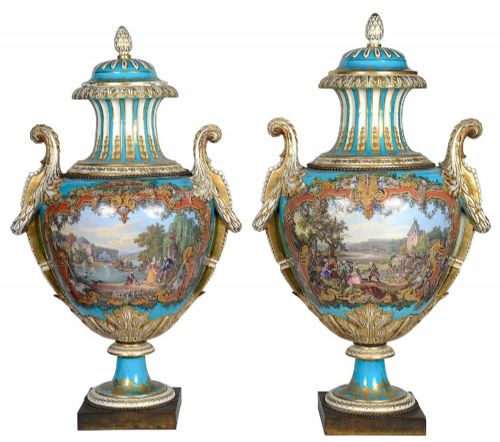
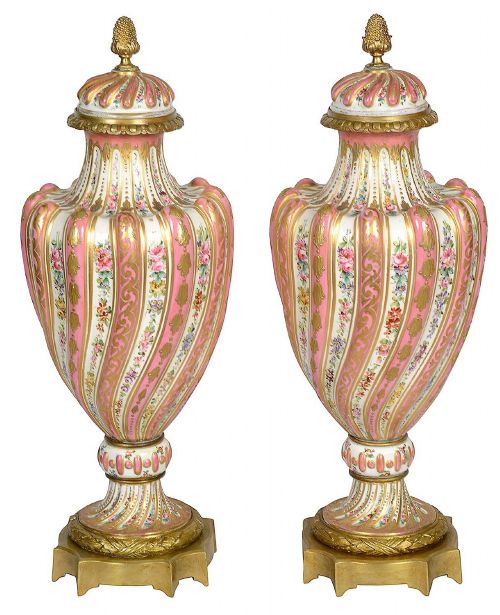
Sèvres dominated French production from the mid-eighteenth century. They turned out elaborate antique painted vases for the royal court.
The Worcester factory in England made soft-paste examples. Their workers applied rich scale-blue grounds during the 1760s and 1770s.
Staffordshire potteries like Minton produced fine vessels decorated with the pâte-sur-pâte technique throughout the late nineteenth century.
The 2026 retail price guide for Antique Painted Vases is drawn from a proprietary archive of over 1.1 million retail prices indexed by Sellingantiques since 2003. This guide relies exclusively on their own internal data; no external sources or auction records are used.
Analysing nearly 25 years of UK antique market history alongside current retail values, the data indicates that typical UK retail prices for Antique Painted Vases range between £300 and £3,400. Entry-level prices generally fall under £300 and premium examples upwards of £3,400.
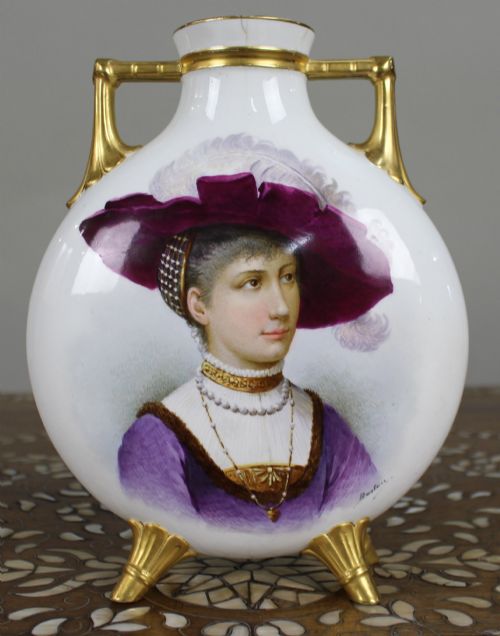
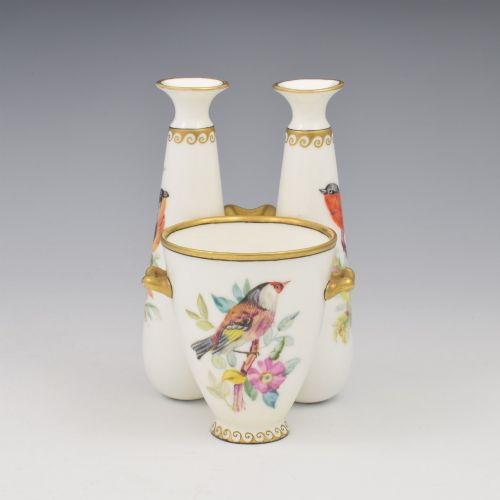
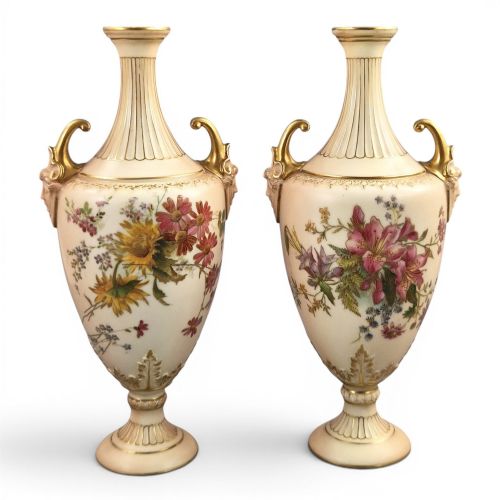
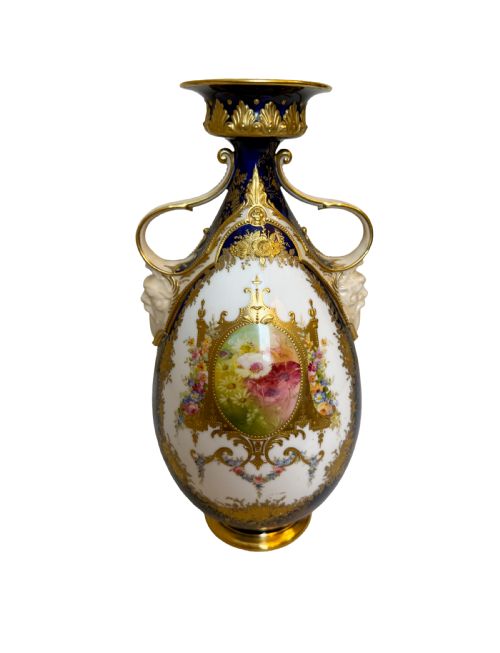
Twin handles frequently appear on pieces styled after classical antiquity.
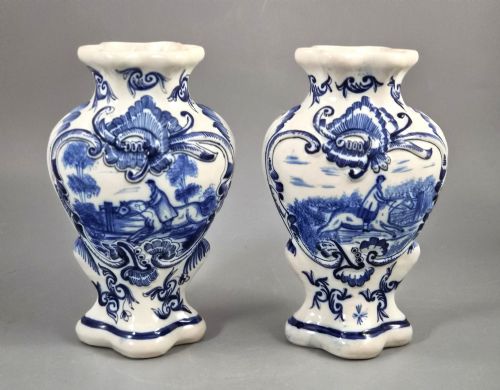
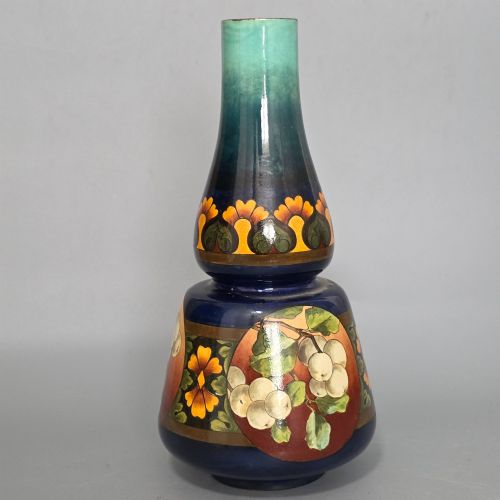
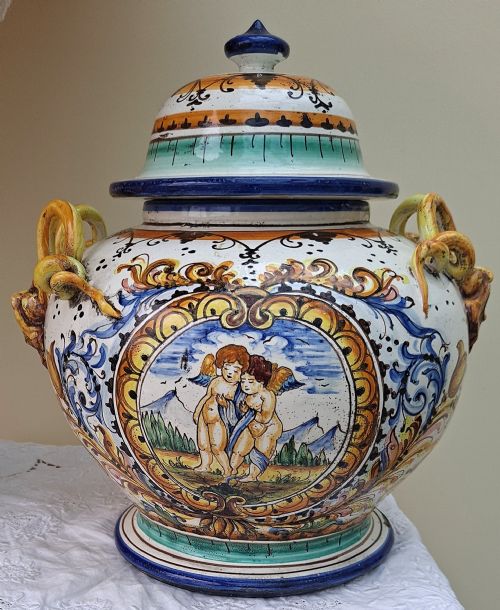
Cartouches reserve a plain white space within a solid ground colour. Painters used this blank window to frame a specific romantic scene or a detailed floral spray.
Check the base. You will often find a pronounced foot rim which lifted the main decorative body away from the dark wood of the furniture surface.
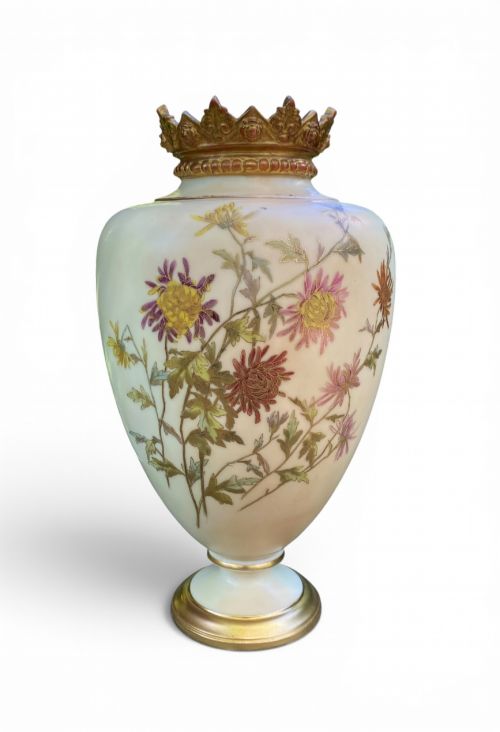
Early decorators painted their subjects entirely freehand. They mixed their own pigments from metallic oxides and applied them directly to the cold glazed surface.
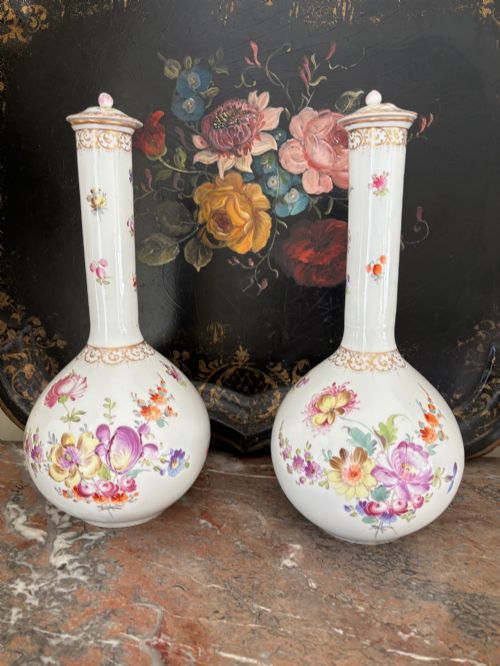
Transfer printing arrived later to speed up factory output. Workers applied printed outlines to the ceramic and then filled in the bright colours by hand.
Notice the gilding techniques. Craftsmen used burnishing tools made from polished agate to rub the dull fired gold until it finally caught the light.
"Painters frequently left tiny hidden marks in the foliage of their landscapes. This helped them identify their piece to the factory foreman for payment."
"Some potteries supplied matching blank wares directly to amateur artists. Painting ceramics at home was a highly regarded parlour skill for middle-class nineteenth-century women."
"Bone ash gave English porcelain its bright white colour. Crushed animal bones strengthened the clay body and allowed the painted enamels to look far more vibrant."
Based on almost 25 years of Sellingantiques UK antique market data, Antique Painted Vases appeared 2620 times (out of 1,100,000 antiques) which gives it a rarity score of 59/100.
This score measures scarcity within the Sellingantiques archive only and is not a survey of the entire antiques market, so these statistics may not be indicative of the general availability of Antique Painted Vases elsewhere.
Warm water and a soft cloth will usually suffice for basic dusting. You should never submerge pieces with elaborate surface gilding or enamel.
Harsh detergents can strip cold-painted decorations right off the ceramic body. If the interior is stained, swilling a little mild soapy water inside is safer than soaking the whole vessel.
Most antique ceramic vessels will tolerate water just fine. They were originally designed for that exact domestic purpose.
You must check for hairline cracks first. Even a tiny star crack in the base will seep water onto your furniture over a few hours.
If the clear glaze is heavily crazed, water might penetrate the porous body underneath and cause older hidden stains to bloom.
Spill vases are small cylindrical containers made to sit on a mantelpiece. They held rolled tubes of paper or thin wood shavings called spills.
People used those spills to transfer fire from the hearth grate to a candle or a pipe. They are smaller than standard display pieces and often turn up in pairs.
Many collectors actively display damaged pieces if the main painted scene remains intact. A missing handle changes the silhouette but does not erase the craftsmanship of the painter.
You can always turn the damaged side towards the wall. Antique painted vases with losses still offer strong decorative appeal on a high shelf where the missing elements are less obvious.
Please note: This Antique Painted Vases guide and its associated pricing data are provided for general informational purposes only. It does not constitute formal financial, investment, or appraisal advice and should not be relied upon as the sole basis for any commercial activity, purchasing, or sales decisions. Sellingantiques.co.uk accepts no liability for any actions taken in reliance on this information. Always consult with a qualified professional or independent appraiser.
