


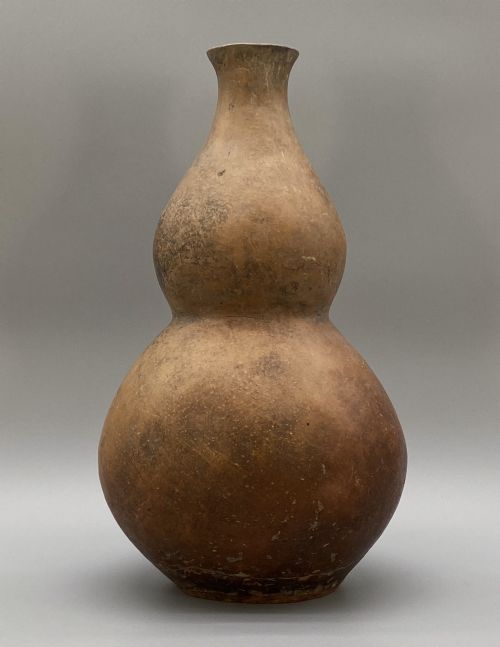


A 2026 Guide by Sellingantiques
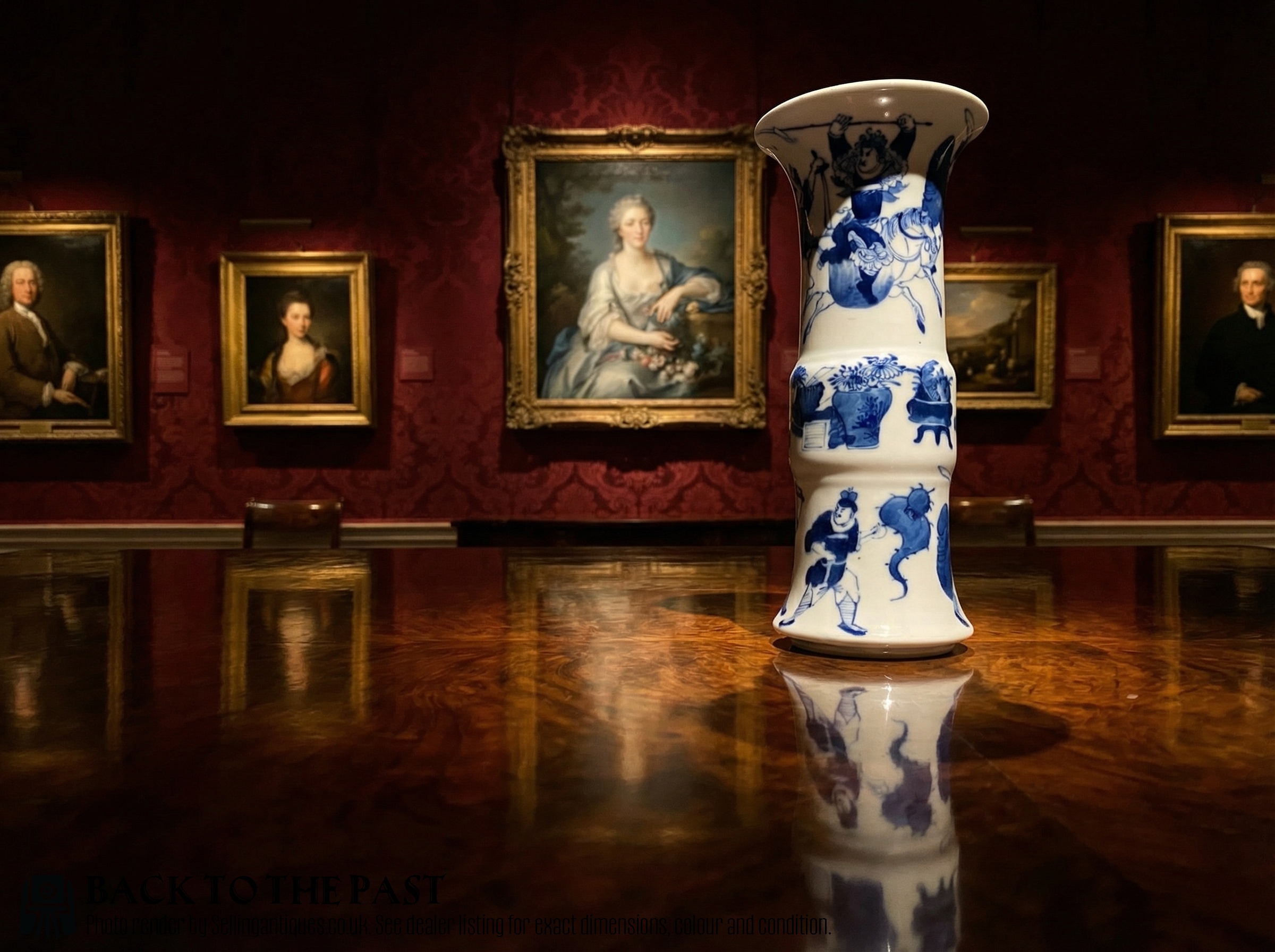
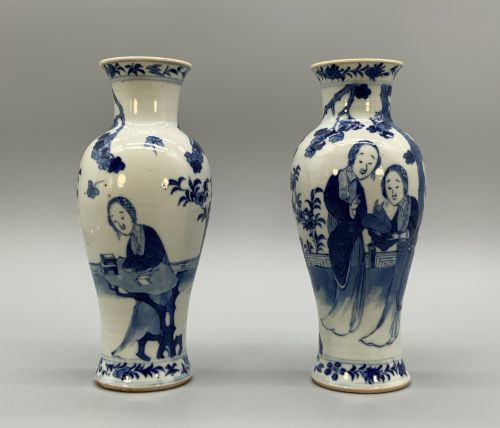
Early 19thc Chinese Gu Shaped Kangxi Style Blue and White Porcelain Beaker Vase, Regency
Priced at £499 from Artsonline
Production of these vessels stretches back thousands of years. Early examples served practical functions in tombs and temples.
The Song dynasty saw a shift towards refined monochrome wares.
Look at the export trade during the Ming and Qing periods. Vast quantities shipped to Europe.
Imperial kilns produced the most advanced antique Chinese vases strictly for court use.
Jingdezhen dominated porcelain production for centuries. Thousands of local artisans worked in specialised assembly lines.
Pieces from the Kangxi reign show deep sapphire blues and crisp potting.
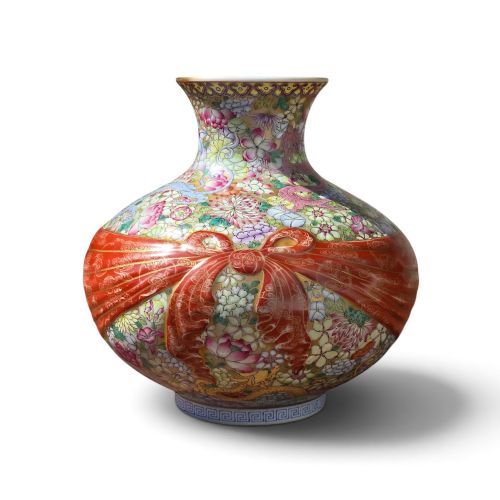
Qianlong period imperial kilns pushed technical boundaries. Artisans there mastered complex famille rose palettes.
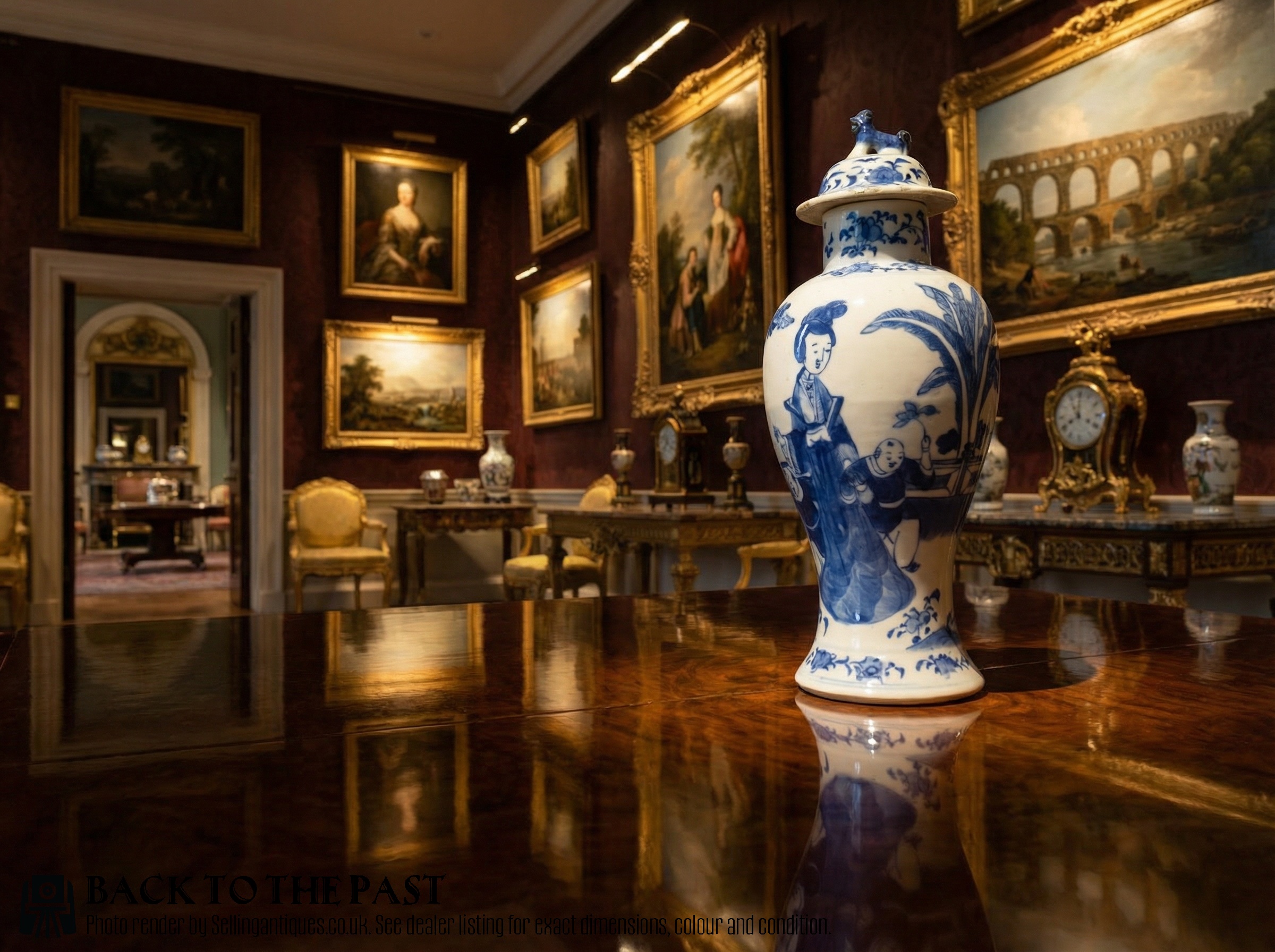
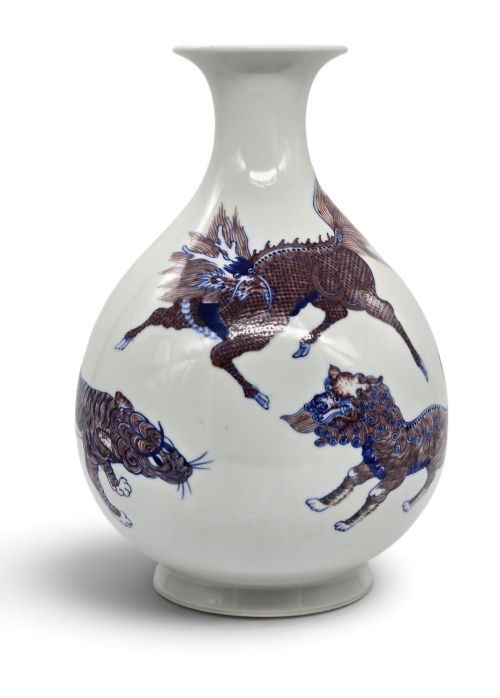
19th Century Chinese Blue and White Vase, 19th Century
Priced at £475 from Shackladys Antiques
The 2026 retail price guide for Antique Chinese Vases is drawn from a proprietary archive of over 1.1 million retail prices indexed by Sellingantiques since 2003. This guide relies exclusively on their own internal data; no external sources or auction records are used.
Analysing nearly 25 years of UK antique market history alongside current retail values, the data indicates that typical UK retail prices for Antique Chinese Vases range between £400 and £3,500. Entry-level prices generally fall under £400 and premium examples upwards of £3,500.
Reign marks often appear on the base. They usually consist of four or six characters in underglaze blue.
Watch for specific vessel profiles like the tall rouleau or the wide-shouldered meiping.
Continuous painted scenes wrap around the body of many antique Chinese vases. Turn the piece to read the narrative.
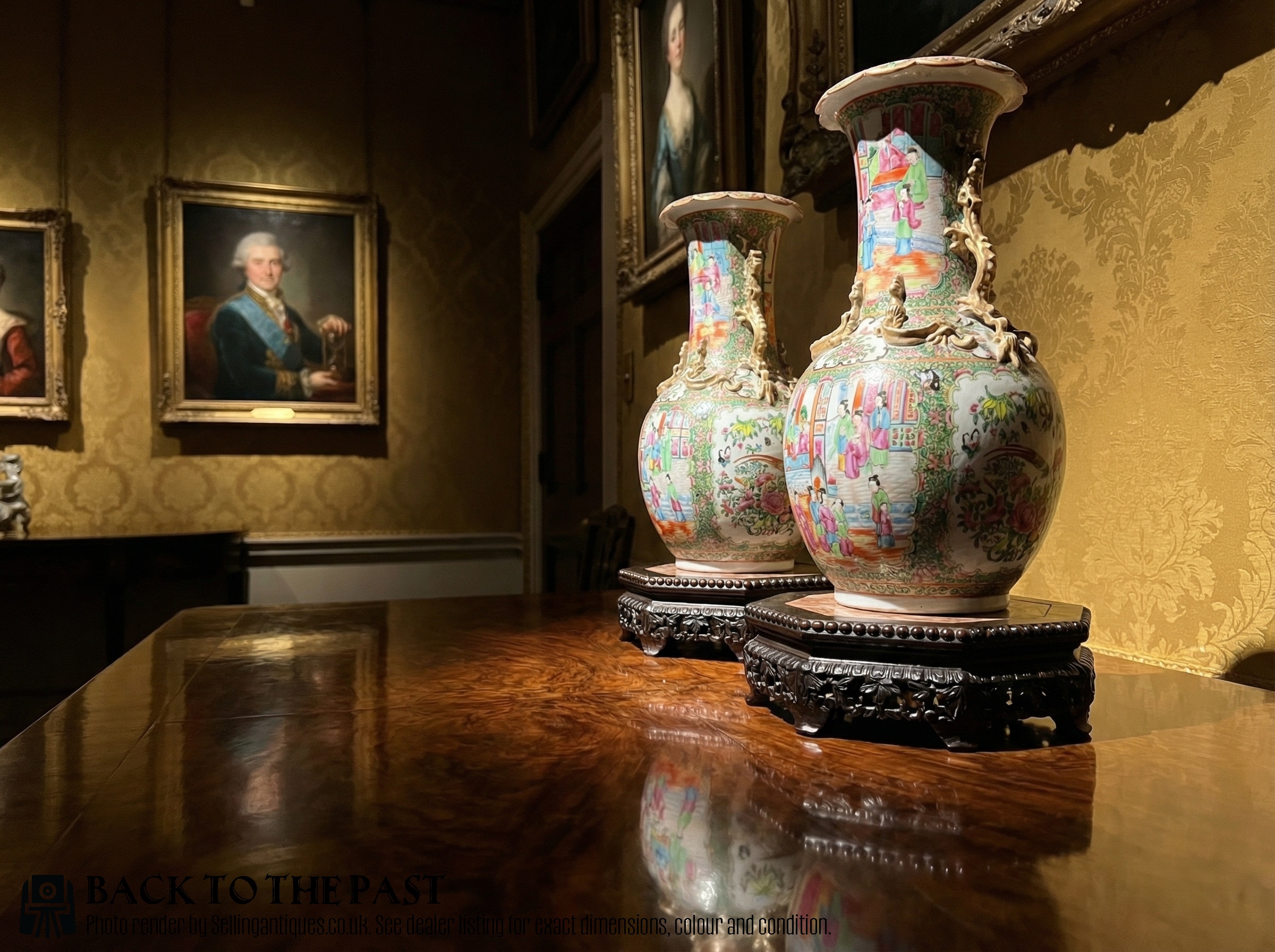
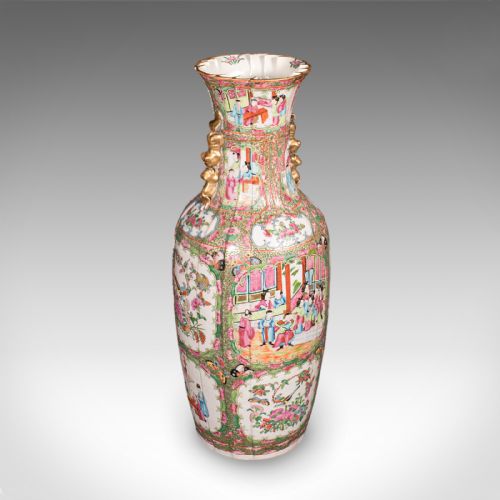
Chinese Canton Vases Circa 1880. Oriental
pair of Vases., Victorian
Priced at £1,200 from Frank Craig Antiques
Potters threw the wet clay on a wheel. You'll often find large antique Chinese vases were built in sections.
Feel the interior ceramic walls for tactile horizontal throwing rings.
Wood-fired kilns created variations in the final glaze. Atmosphere changes during the burn altered how copper pigments developed.
"Firing flaws like kiln grit fused to the base are celebrated as markers of early production methods."
"Many plain white vessels received elaborate enamel decoration centuries after they were originally potted."
"The unglazed base often develops a slight rust colour. Iron impurities in the clay oxidise naturally as it cools."
Based on almost 25 years of Sellingantiques UK antique market data, Antique Chinese Vases appeared 2017 times (out of 1,100,000 antiques) which gives it a rarity score of 67/100.
This score measures scarcity within the Sellingantiques archive only and is not a survey of the entire antiques market, so these statistics may not be indicative of the general availability of Antique Chinese Vases elsewhere.
European silversmiths often added metal collars to imported ceramics. This protected the fragile top edges from chipping.
They also applied these mounts to adapt the vessel to local tastes.
The term refers to an overglaze enamel palette. It relies heavily on an opaque pink colour derived from colloidal gold.
This technique emerged during the early eighteenth century. Potters used it to paint detailed scenes and floral arrangements on white porcelain.
Hand-thrown ceramics often show variations in size and shape. Artisans judged the dimensions by eye rather than using precision moulds.
Kiln firing also causes clay to shrink unpredictably. A pair potted on the same day might emerge from the ash with noticeable differences in height and girth.
Rapid painting techniques were common in commercial kilns. Decorators working on export orders painted hundreds of similar vessels a week.
Details like facial features were simplified to speed up production. This shorthand approach is a recognised feature of provincial and trade wares rather than a flaw.
Please note: This Antique Chinese Vases guide and its associated pricing data are provided for general informational purposes only. It does not constitute formal financial, investment, or appraisal advice and should not be relied upon as the sole basis for any commercial activity, purchasing, or sales decisions. Sellingantiques.co.uk accepts no liability for any actions taken in reliance on this information. Always consult with a qualified professional or independent appraiser.
