

A 2026 Guide by Sellingantiques

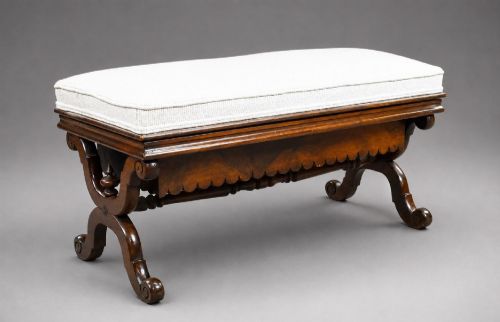
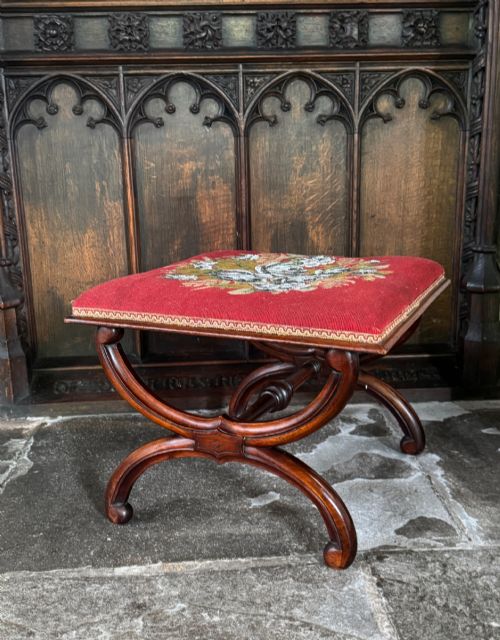
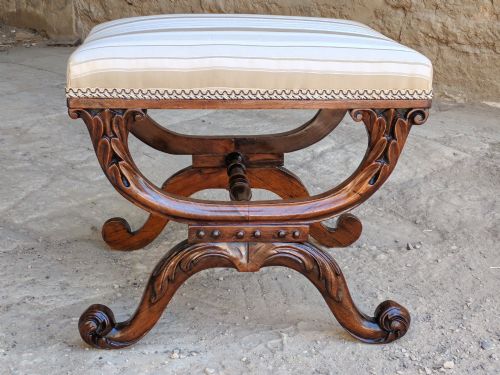
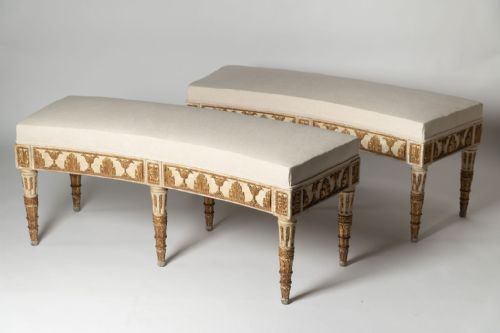
Pair of William IV Rosewood Window Seats, 19th Century
Priced at £2,675 from Philip Hunt Antiques
Georgian architects loved deep window reveals. These recesses needed filling with something useful that sat below the sill line.
Look at late eighteenth-century country house inventories. You will often spot antique window seats listed alongside drawing room curtains.
Victorian homes brought heavier drapery into fashion, shifting seating arrangements away from the glass and towards the fireplace.
Painted finishes. Many early pieces were coloured to match surrounding panelling rather than the main suite of seat furniture.
Thomas Chippendale supplied several rolled-end benches for the State Rooms at Harewood House during the 1770s.
Gillows of Lancaster produced quite a few mahogany examples. Their stamped names occasionally turn up on the seat rails.
Unmarked origins. Most surviving antique window seats lack maker stamps, built simply by following popular pattern books.
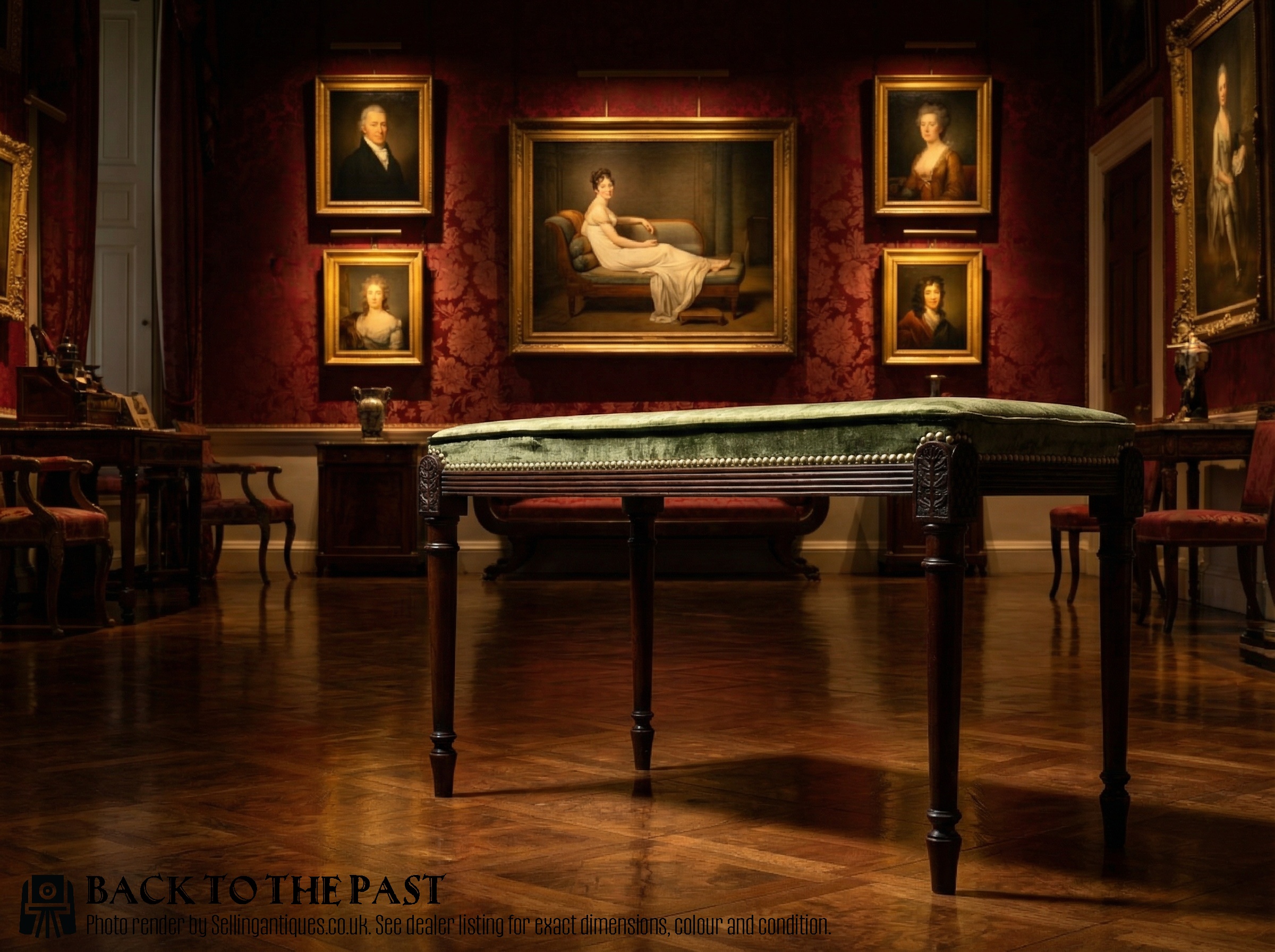
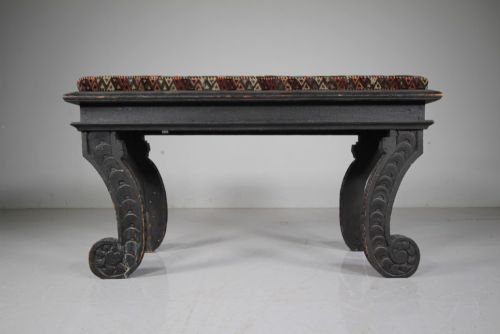
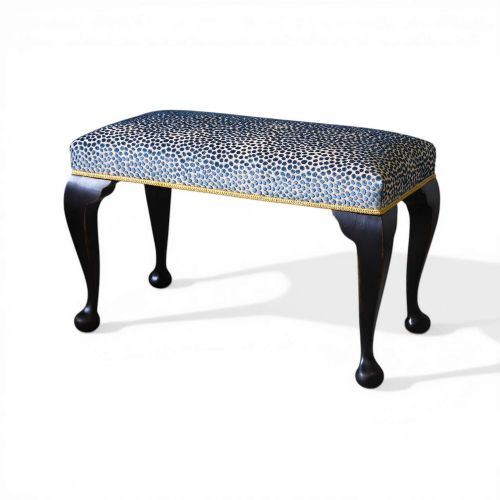
George III Mahogany Stool / Window Seat; Well Drawn with Elegant Proportions, Georgian
Priced at £2,900 from Gary Wright Antiques Ltd
The 2026 retail price guide for Antique Window Seats is drawn from a proprietary archive of over 1.1 million retail prices indexed by Sellingantiques since 2003. This guide relies exclusively on their own internal data; no external sources or auction records are used.
Analysing nearly 25 years of UK antique market history alongside current retail values, the data indicates that typical UK retail prices for Antique Window Seats range between £500 and £2,600. Entry-level prices generally fall under £500 and premium examples upwards of £2,600.
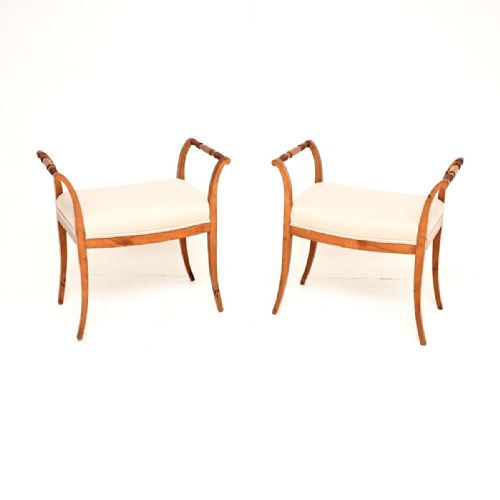
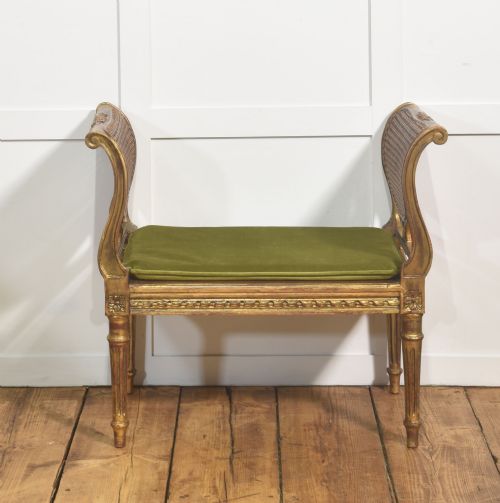
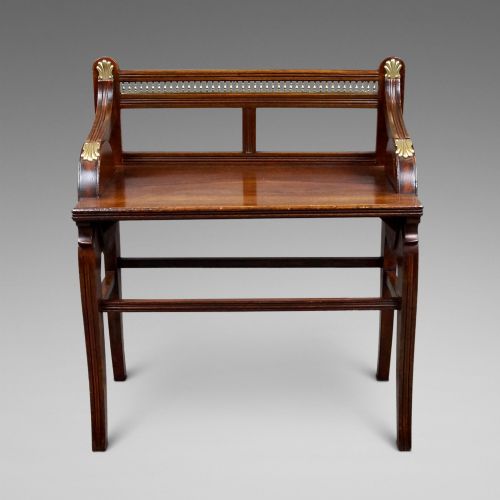
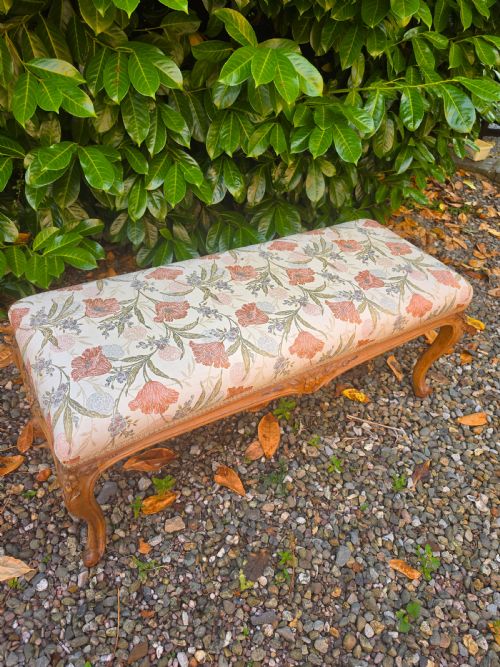
Raised ends define the form. They roll outwards gracefully to support a lounging arm without requiring a backrest.
Consistently low seat height. This keeps the sitter well below the window sash.
Look for finished back rails. True antique window seats were meant to be seen from outside through the glass.
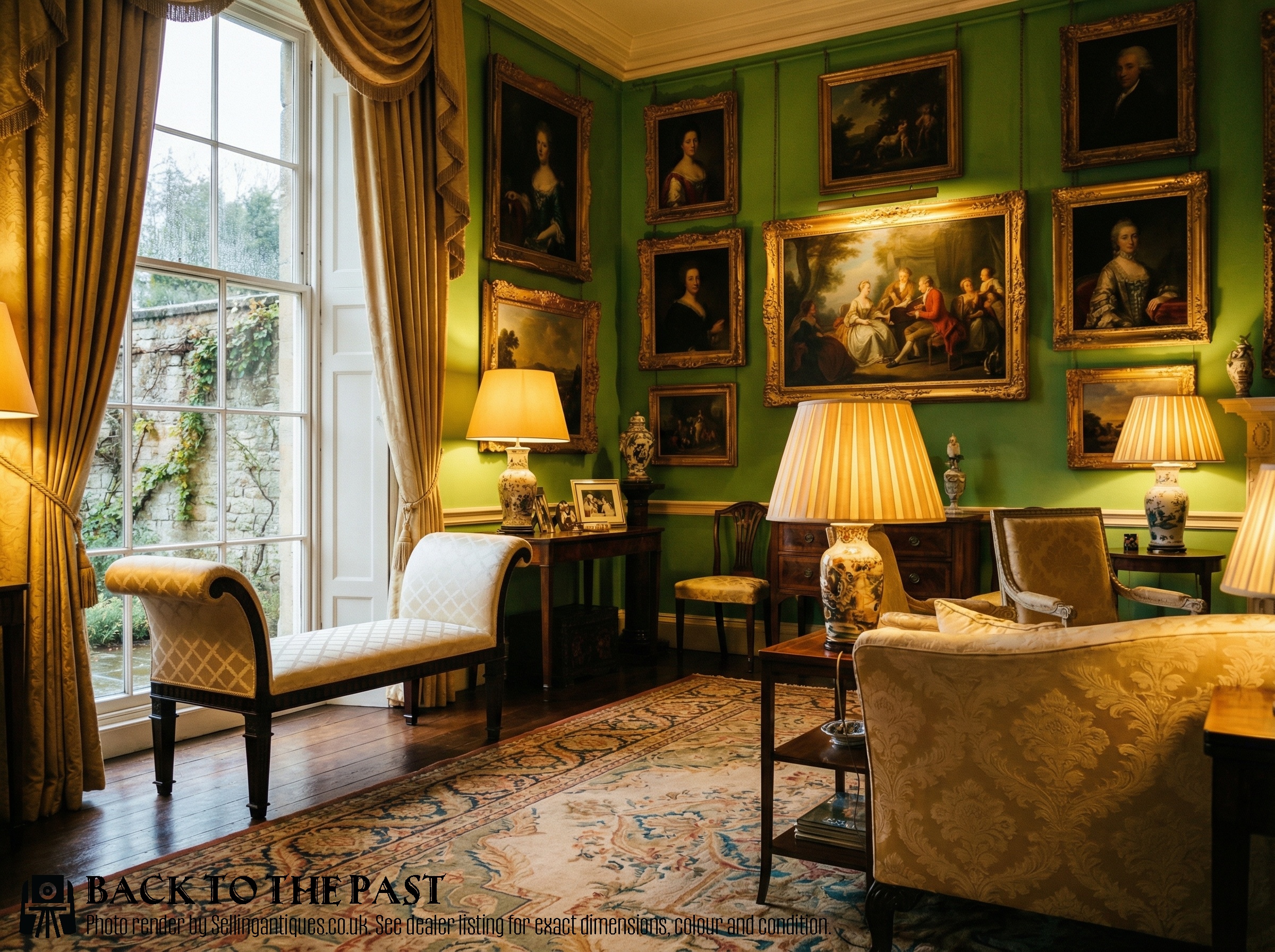
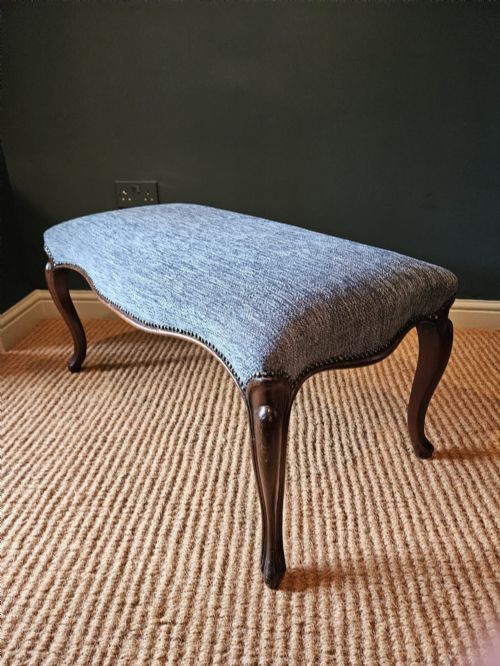
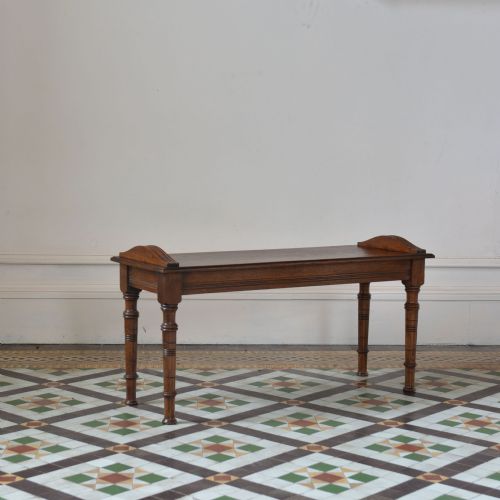
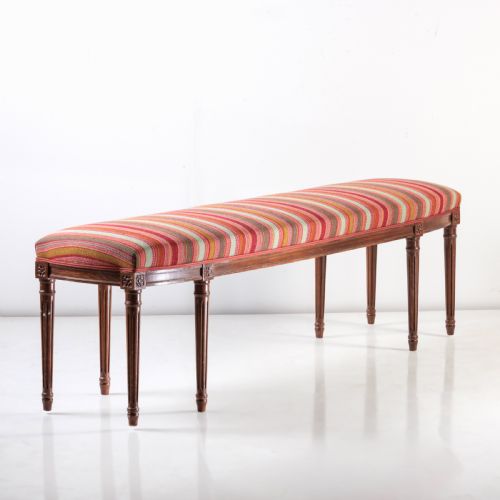
Carved Mahogany Window Seat, 1910
Priced at £895 from Shackladys Antiques
Early frames rely on substantial mortise and tenon joints to stop flared arms from snapping under side-loading.
Sabre legs. These outward-sweeping Regency supports required carefully selected timber grain to prevent splitting near the top curve.
Inspect the internal seat rails. Metal brackets occasionally brace wider antique window seats against sagging over long spans.
"End-of-bed benches. The low profile fits neatly at the foot of a modern mattress."
"Narrow hallways benefit greatly from this shape. The lack of a backrest keeps the space feeling open."
"Try them as occasional tables. A flat tray sits nicely on top of a firm squab cushion."
Based on almost 25 years of Sellingantiques UK antique market data, Antique Window Seats appeared 1977 times (out of 1,100,000 antiques) which gives it a rarity score of 67/100.
This score measures scarcity within the Sellingantiques archive only and is not a survey of the entire antiques market, so these statistics may not be indicative of the general availability of Antique Window Seats elsewhere.
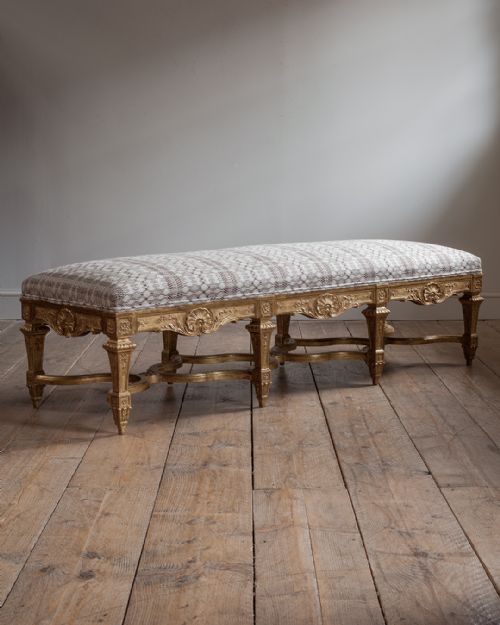
Width varies depending on the original architectural recess it was made to fill. Georgian townhouses often had narrow alcoves requiring benches just three feet across to sit neatly between the shutters.
Country houses tend to feature much wider bays. You will occasionally find sprawling pieces over six feet long. These larger antique window seats were designed to span three sashes at once.
They work quite well against floor-to-ceiling glass. The lack of a backrest means they don't block the view outside. Your room will maintain a clean and functional silhouette.
Just check the back rail of the seat first. You will want a piece that has polished show-wood on the reverse rather than raw upholstery tacks. This ensures the frame looks tidy when viewed from the garden or street.
You really shouldn't. The raised scroll ends are only designed to take the weight of a resting elbow.
Sitting on the highest point applies severe leverage. This can snap the internal dowels or open up the mortise.
Getting it recovered is standard practice. Upholstery is a wearing part and very few pieces retain their original covers. A good upholsterer can save the historical horsehair stuffing while applying fresh top fabric.
Make sure the restorer avoids modern staples on the show-wood. Traditional copper tacks are kinder to old timber frames.
Please note: This Antique Window Seats guide and its associated pricing data are provided for general informational purposes only. It does not constitute formal financial, investment, or appraisal advice and should not be relied upon as the sole basis for any commercial activity, purchasing, or sales decisions. Sellingantiques.co.uk accepts no liability for any actions taken in reliance on this information. Always consult with a qualified professional or independent appraiser.
