

Antique Mahogany Stools
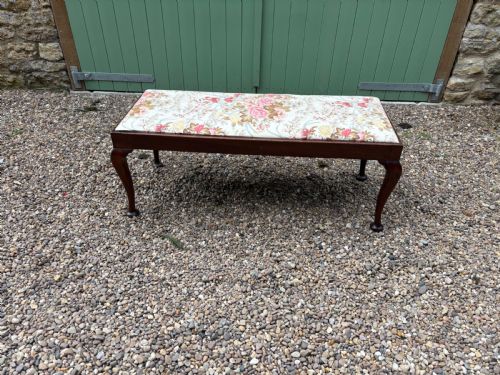
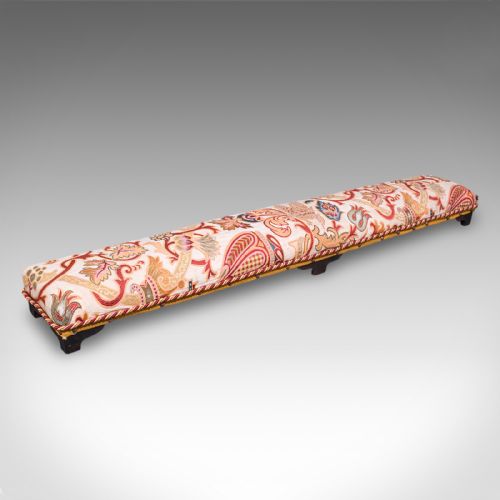
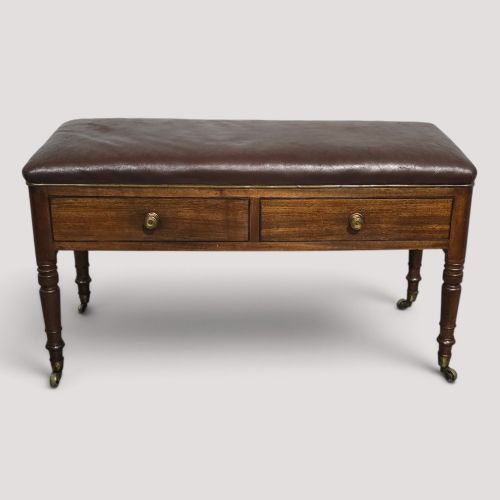
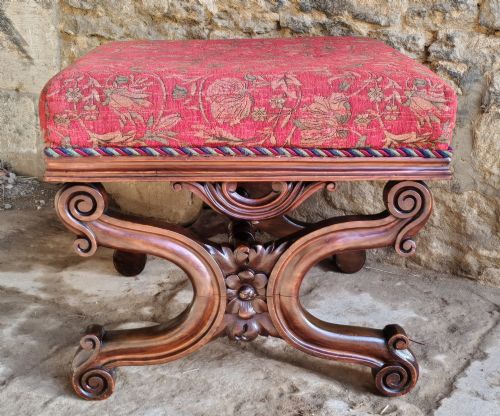
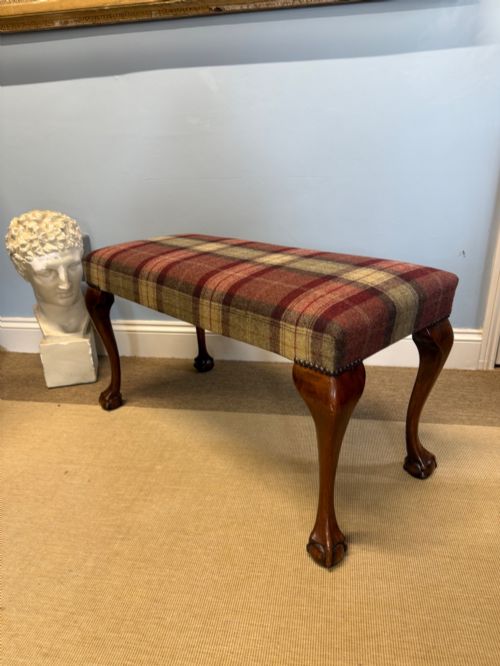
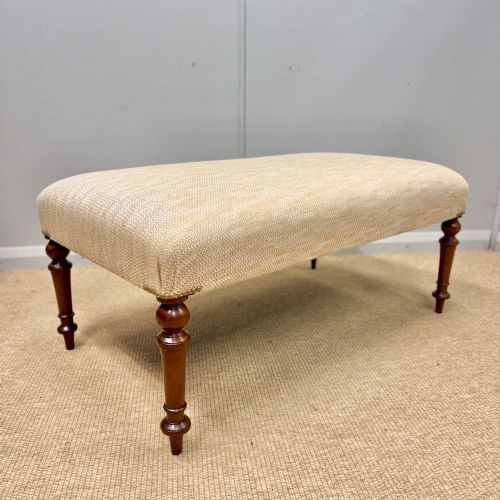
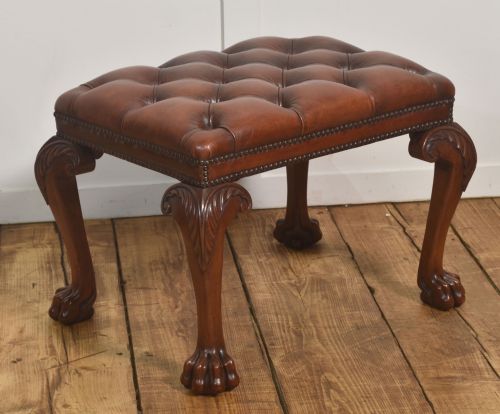
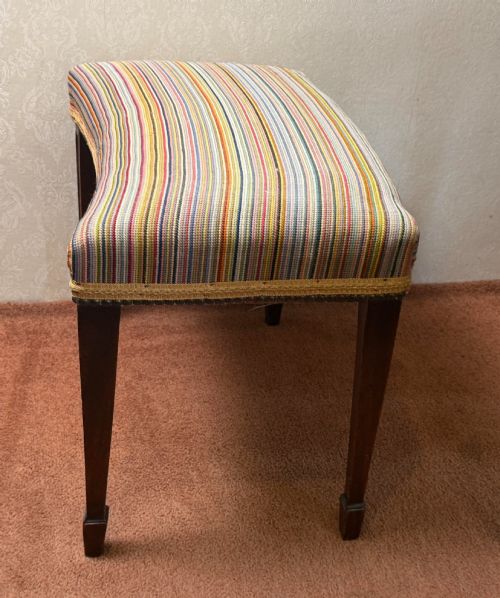
Small mahogany-framed seat furniture, most of it upholstered: piano and duet stools, dressing stools, footstools and gout rests, X-frame and cabriole-leg stools, and long window seats made for a recess.
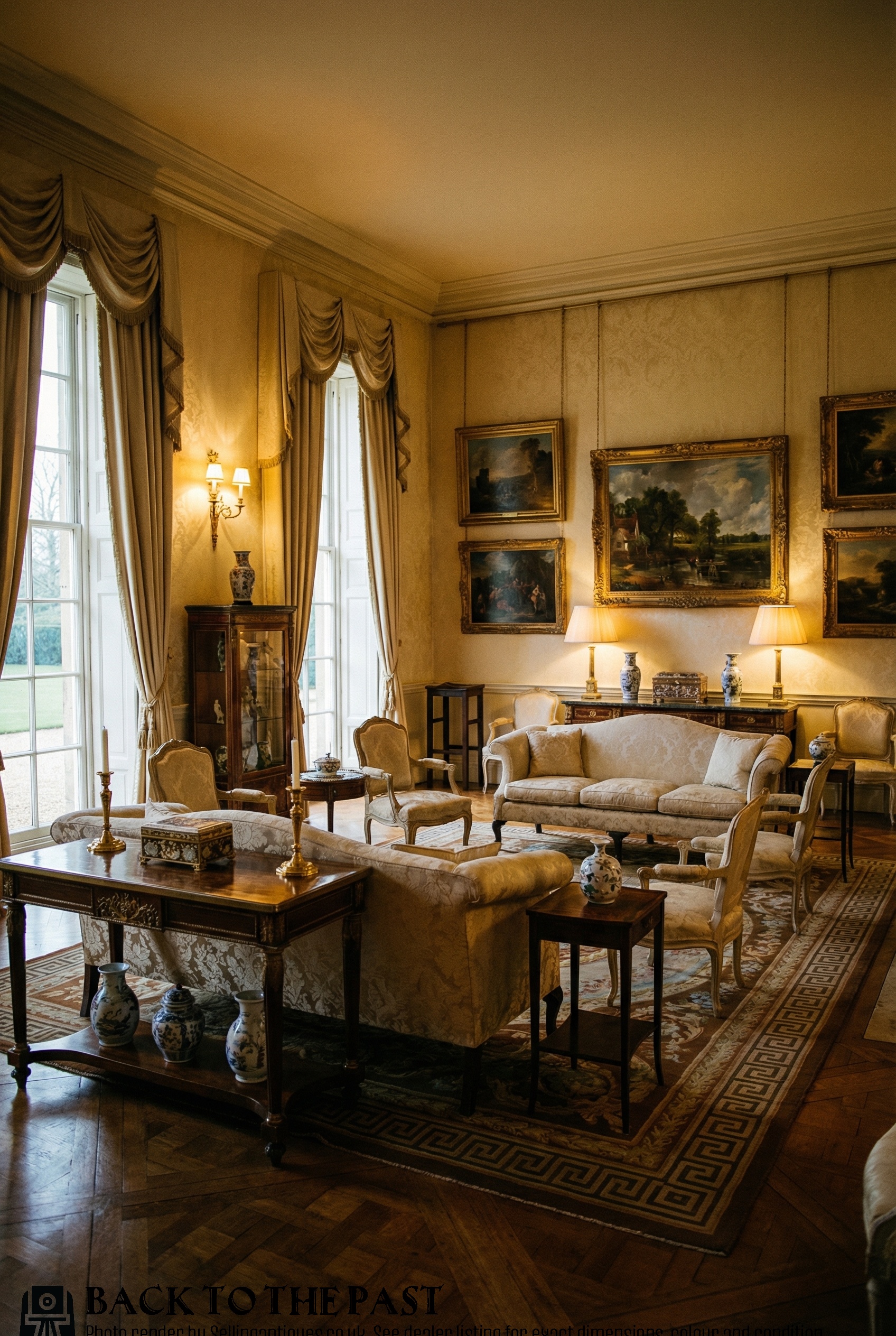
Antique Mahogany Stools
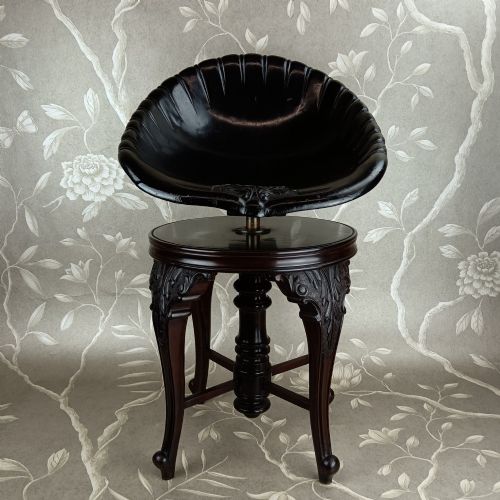
The music stool dominates. Nearly a quarter of all titles on Sellingantiques contain the word 'piano', with duet stools close behind. Many have a hinged box seat over music storage, and a good number wind up and down on a screw thread, listed as adjustable, rise-and-fall or revolving.
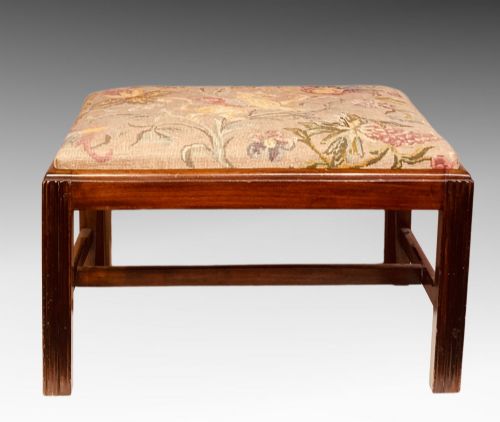
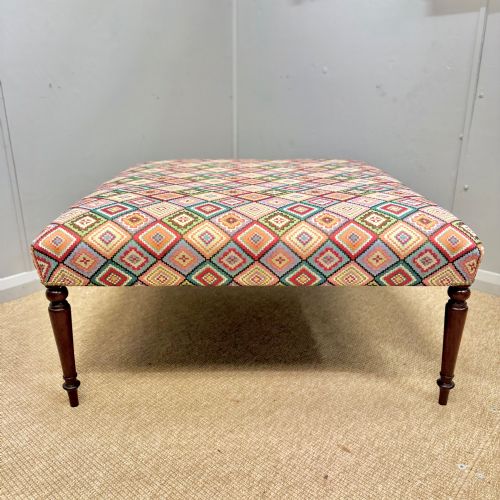
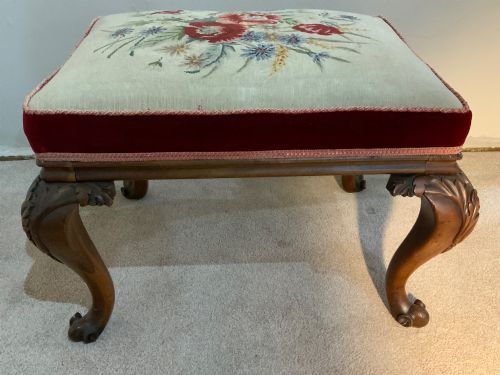
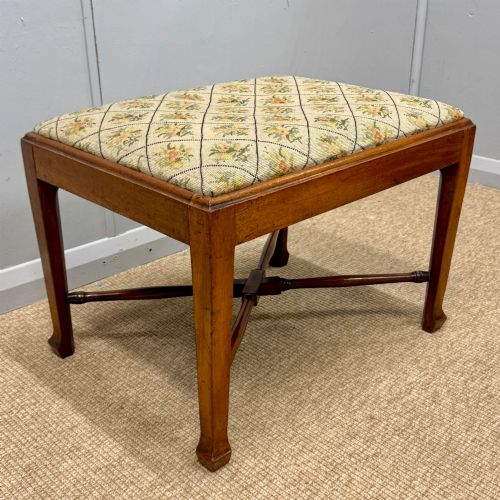
Alongside that sits the plain upholstered stool on a mahogany frame, covered in tapestry, needlework, leather or plain fabric. Footstools and low stools are the next largest group, including gout rests and hearth stools. Dressing-table stools form a smaller but steady branch, and window seats run to five feet and more.
Frames divide roughly between X-frame supports, either fixed or folding, and cabriole legs ending in pad, paw or ball-and-claw feet. Sizes run from footstools of a foot or so up to long centre stools meant to stand away from a wall.
Dating spans 1750 to 1930, though the labels are broad. '19th Century' is the single largest bucket, with Victorian, Edwardian, Regency and Georgian following, so a period word on a listing describes a band rather than a year. Where decades are given they cluster late, around 1880 to 1910. The body of stock is English; Swedish, Canadian, Biedermeier and French examples turn up singly.
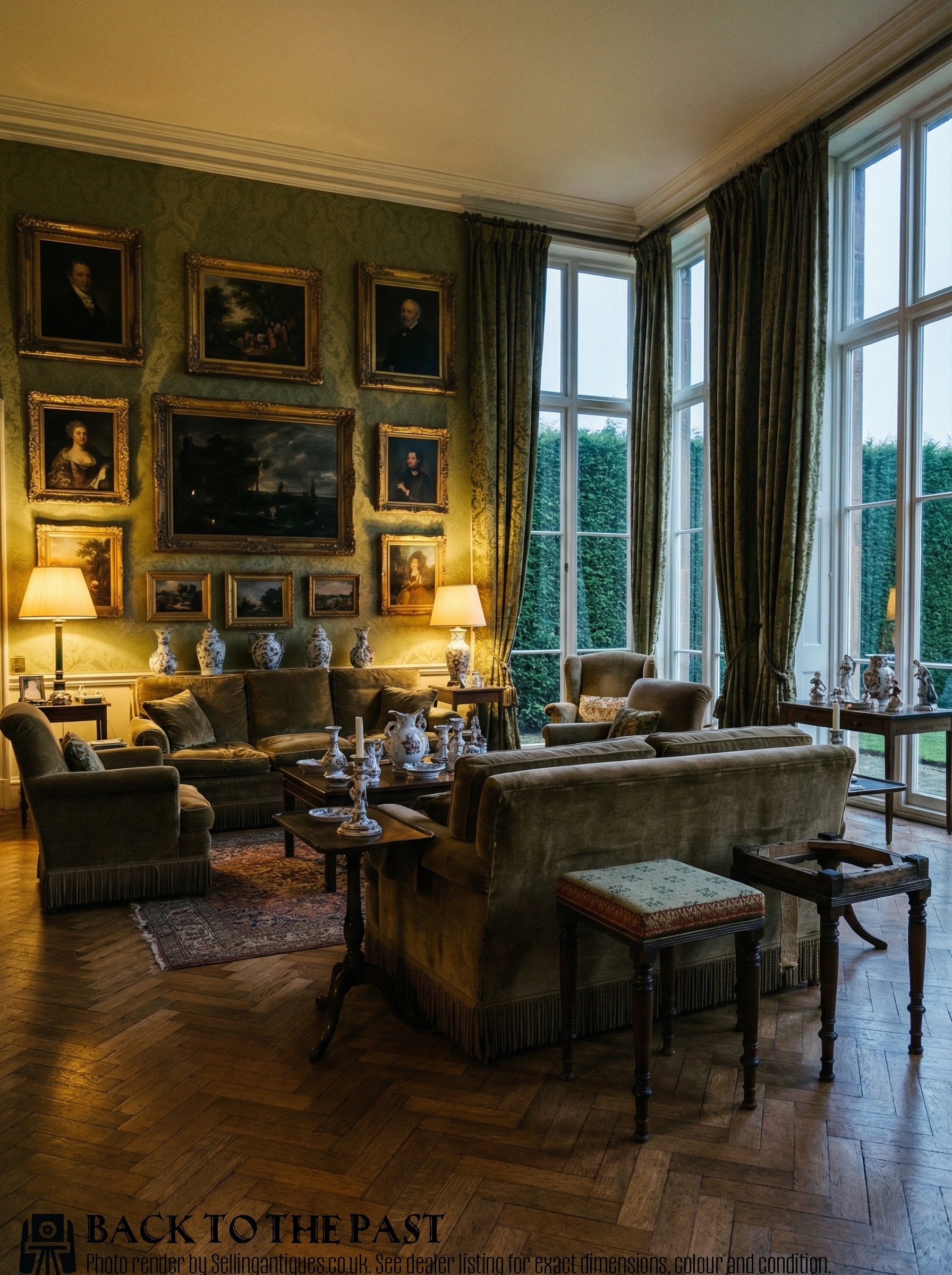
Where The Range Splits
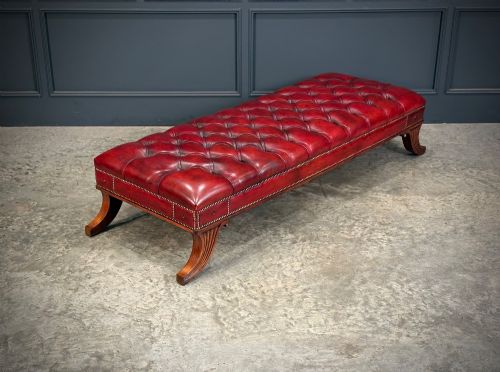
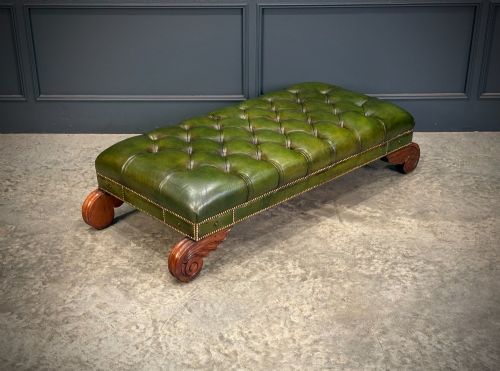
Scale does most of the work. The upper reaches are held by large centre stools, long buttoned stools and window seats measured in feet, while small footstools and single piano stools sit at the bottom. Pairs push the same way: pairs of Georgian hall and X-framed stools account for much of the top of the range.
How a listing names its date matters too. Titles that claim a period outright, George III, George IV, William IV, Regency, concentrate high. Titles that say 'in the style of' or 'in the manner of', Chippendale style, Queen Anne style, Georgian style, sit lower and in the middle band.
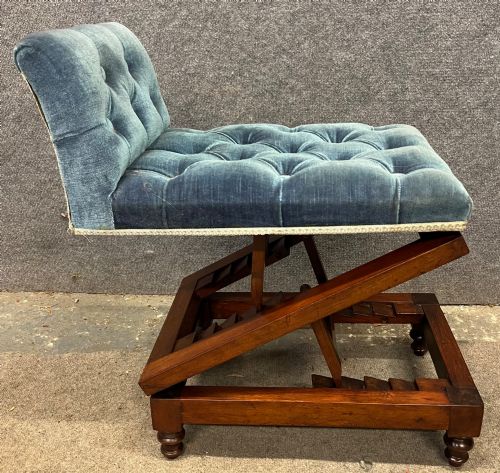
Decoration and mechanism fill in the rest. Carving and inlay recur throughout, from satinwood stringing and marquetry to ball-and-claw and paw feet, and more of it lifts a piece. So does a working adjustment. Metamorphic stools that convert to library steps appear only a handful of times, and they sit at the very top.
Antique Mahogany Stools Retail Price Guide 2026
Typical UK retail prices for mahogany stools, calculated from the Sellingantiques database of over a million retail prices indexed since 2003. This retail price guide relies exclusively on Sellingantiques data; no external sources or auction records are used, so the figures do not describe the wider market.
Gillows is the name that turns up from the most dealers on Sellingantiques, reaching five. Some titles hedge it as 'in the manner of Gillows of Lancaster'.
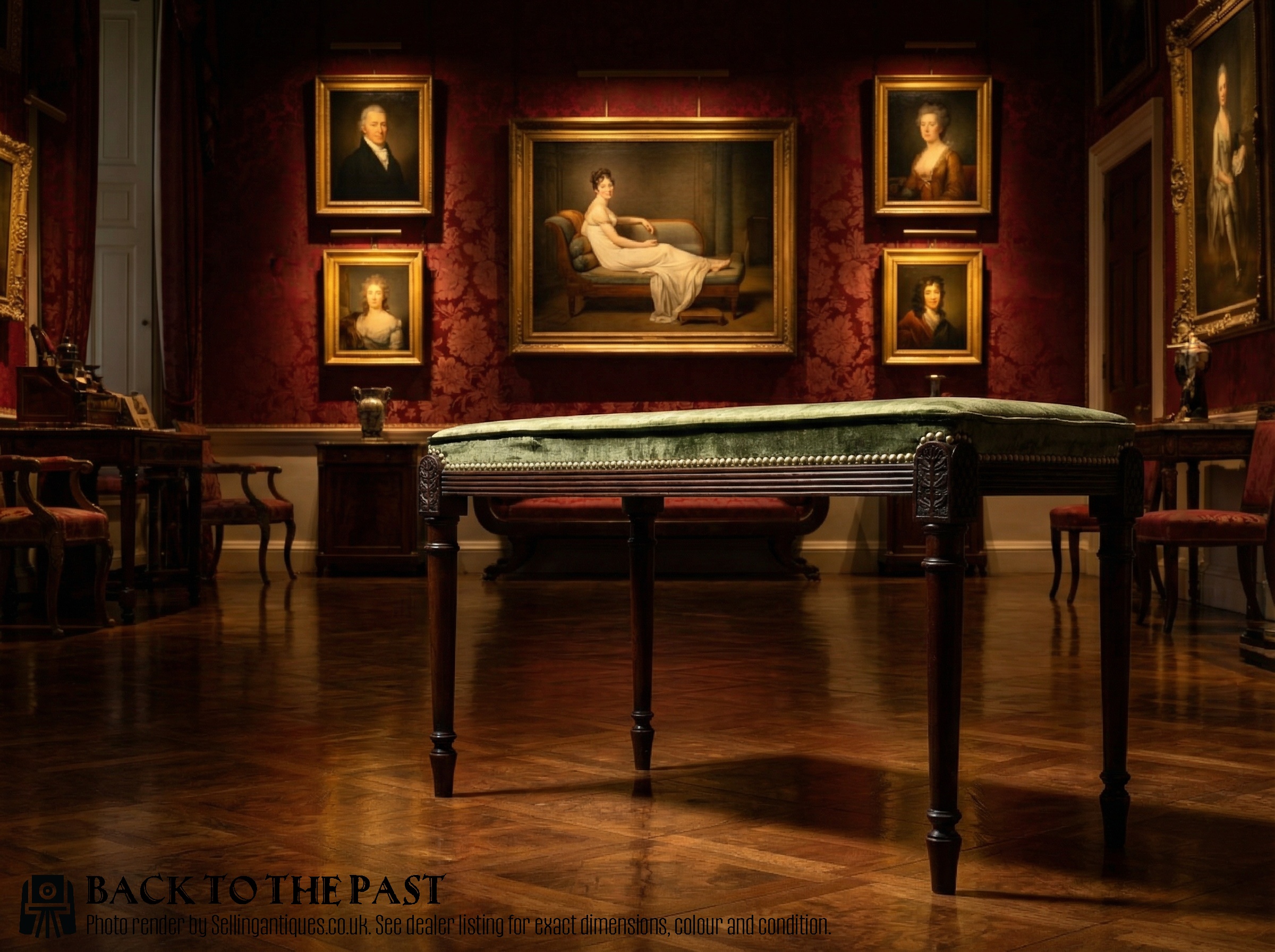
Gillows
The Antique Mahogany Stools Glossary
- Duet stool
- A wide piano stool, usually seating two, generally with a hinged lid over music storage.
- Rise and fall
- A screw-threaded seat that winds up and down for height. Also listed as adjustable or revolving.
- Box seat
- A hinged, lifting seat with a compartment beneath, common on piano and music stools.
- X-frame
- Crossed side supports forming an X, either fixed or folding. Written X frame, X-framed or 'X' stool.
- Metamorphic
- A piece that converts to another use, here stool to library steps, or stool to gout rest.
- Centre stool
- A larger stool made to stand in the middle of a room rather than against a wall.
Antique Mahogany Stools: Frequently Asked Questions
What is a duet stool?
A wide piano stool, usually made to seat two players. Duet appears in a hundred titles on Sellingantiques, with 'duet piano' in another thirty-nine.
Most carry a hinged lid over a shallow compartment for sheet music. Some are described as adjustable as well, with a screw mechanism raising the seat.
How old are mahogany stools usually?
The dealers' own dating runs from 1750 to 1930, and four hundred of the listings carry a clean year rather than a period word.
Where periods are used instead, '19th Century' is the largest single label, followed by Victorian, Edwardian, Regency and Georgian. Decade labels cluster late, around the 1880s through the 1910s.
'18th Century' covers a much smaller slice than the 19th.
Which type turns up most often?
The piano and music stool. 'Piano' is in nearly a quarter of all titles, which makes it the defining form of the whole category.
After that come plain upholstered stools, footstools and window seats, then dressing-table stools as a smaller branch.
Are these stools by known makers?
Rarely. Gillows is the only name reaching five dealers, and several of those titles hedge it as 'in the style of Gillow' or 'in the manner of Gillows of Lancaster'.
The great bulk of mahogany stools are listed without any maker at all.
What does a metamorphic stool do?
It converts to something else. In this category that usually means a stool that opens out into library steps, or a low stool that adjusts into a gout rest.
They appear only a handful of times, and they sit at the very top of the range.
Do unusual forms ever appear?
They do, as one-offs. A bidet stool, a close stool, a grotto stool, a carriage stool, a clerk's stool and a papier-mâché harpist's music stool have all passed through.
Against a body of stock that is overwhelmingly English, single Swedish, Canadian, Biedermeier and French Empire pieces are the exception.