

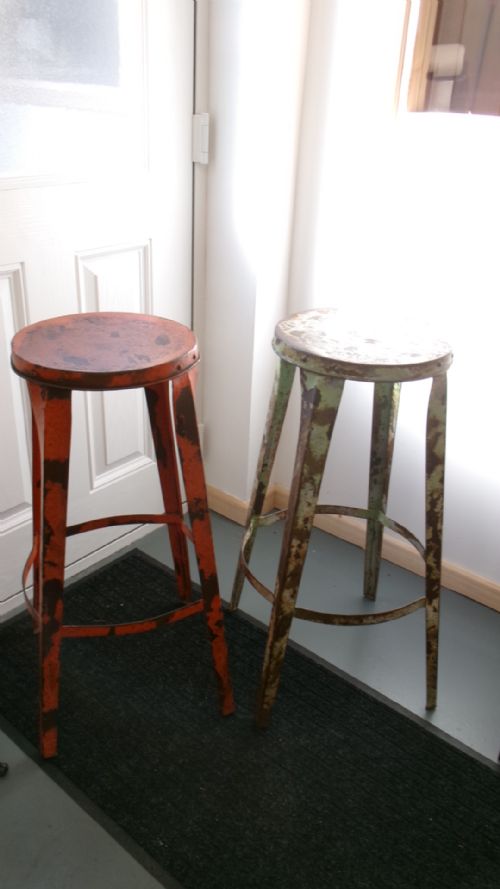


A 2026 Guide by Sellingantiques
High seating emerged in commercial pubs during the late nineteenth century.
Patrons previously stood at the counter or sat at lower tables across the room.
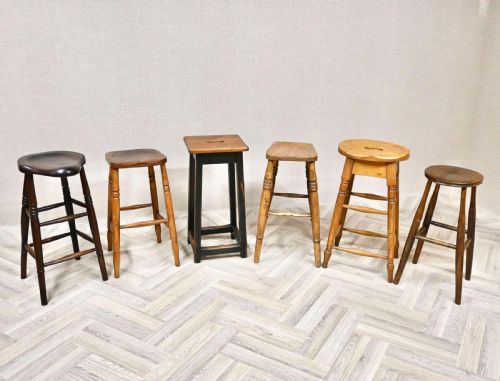
The introduction of antique bar stools changed tavern layouts by encouraging customers to linger right at the serving area.
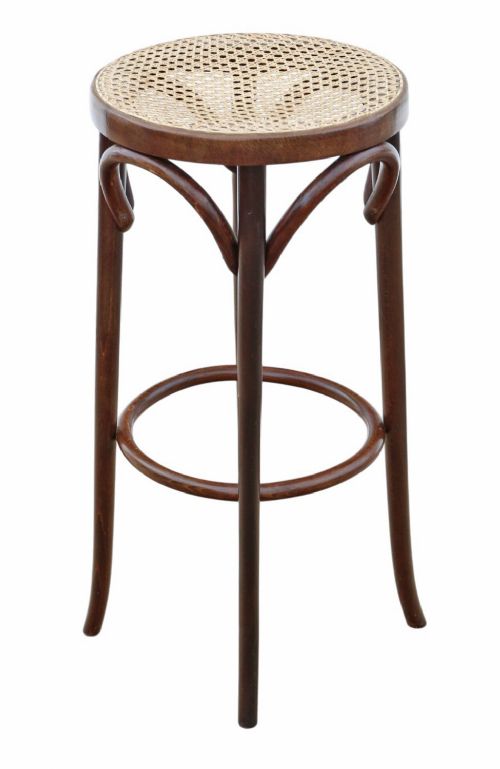
Look for bentwood examples from early European cafe culture.
Specific named makers are rare for standard provincial tavern seating.
Gebrüder Thonet produced countless tall bentwood stools for the hospitality trade from the late Victorian period onwards.
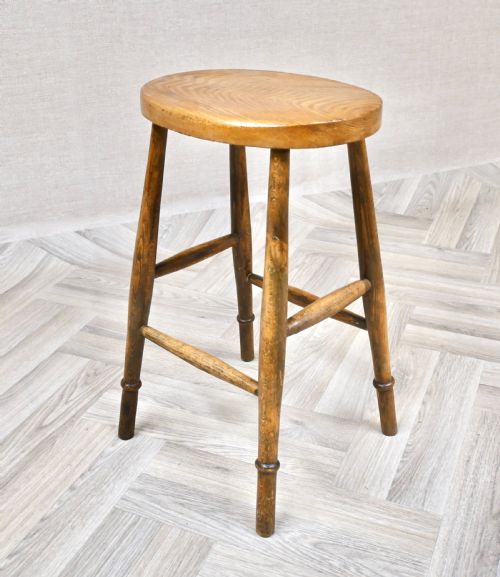
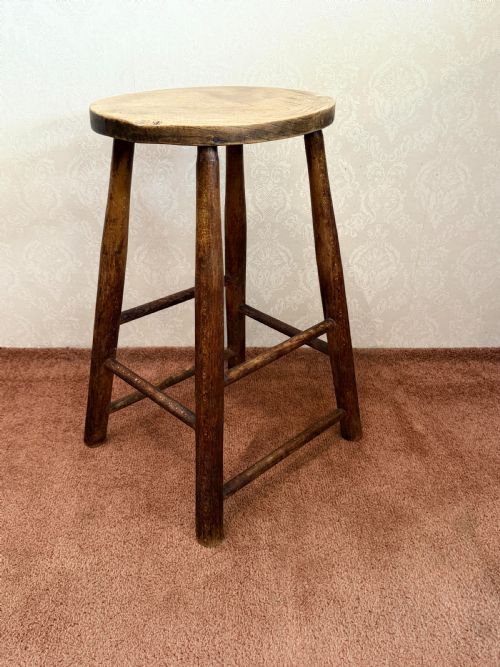
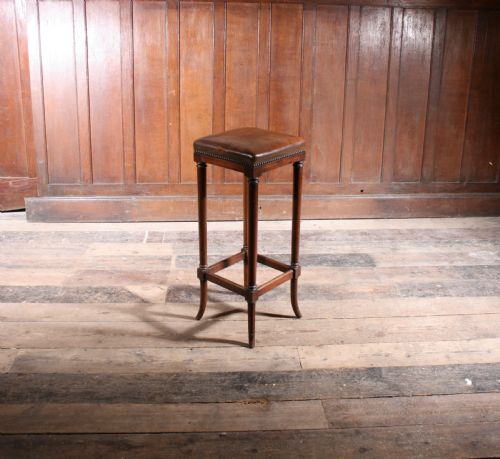
Regional joiners handled most of the heavy wooden pub variations on a bespoke basis.
The 2026 retail price guide for Antique Bar Stools is drawn from a proprietary archive of over 1.1 million retail prices indexed by Sellingantiques since 2003. This guide relies exclusively on their own internal data; no external sources or auction records are used.
Analysing nearly 25 years of UK antique market history alongside current retail values, the data indicates that typical UK retail prices for Antique Bar Stools range between £200 and £700. Entry-level prices generally fall under £200 and premium examples upwards of £700.
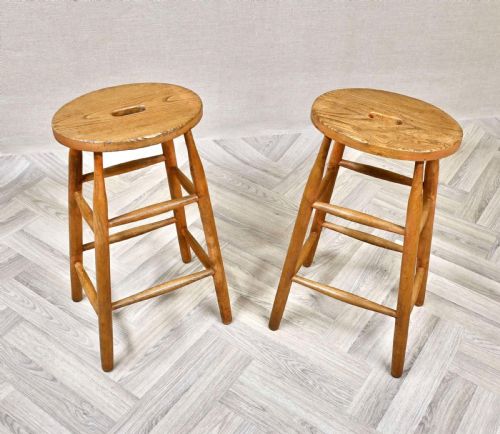
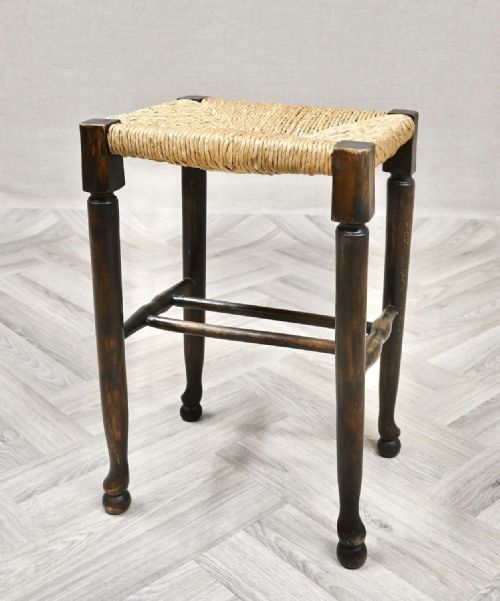
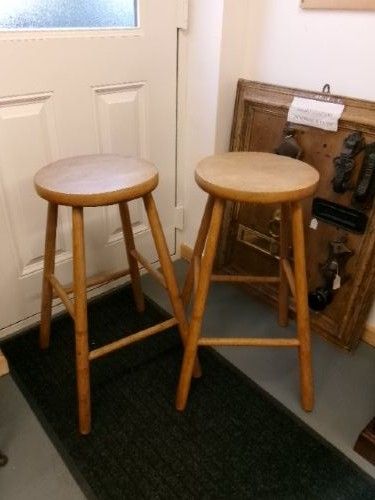
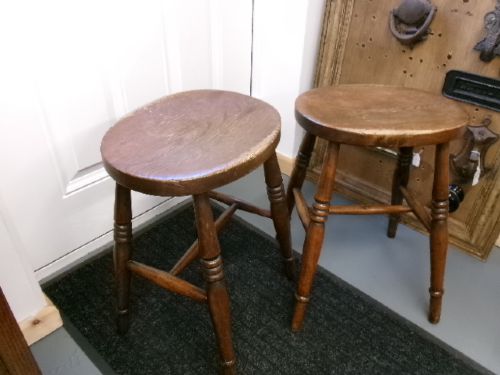
Splayed legs give the necessary stability to prevent tipping backward.
Always check the foot rings.
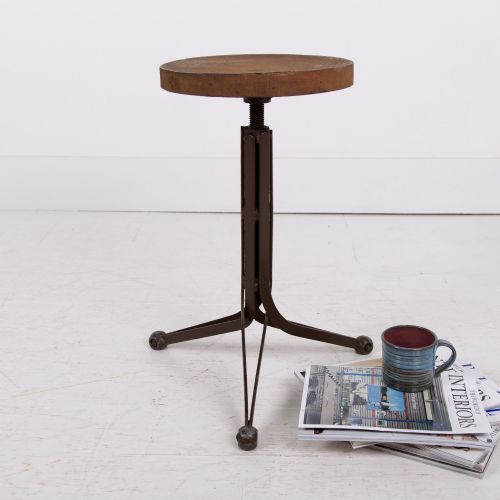
Swivel mechanisms appear on American-style diner models from the early twentieth century.
Early wooden types rely on wedged through-tenons to keep the tall joints tight.
Steaming allowed beech poles to bend into continuous structural loops without cutting across the grain.
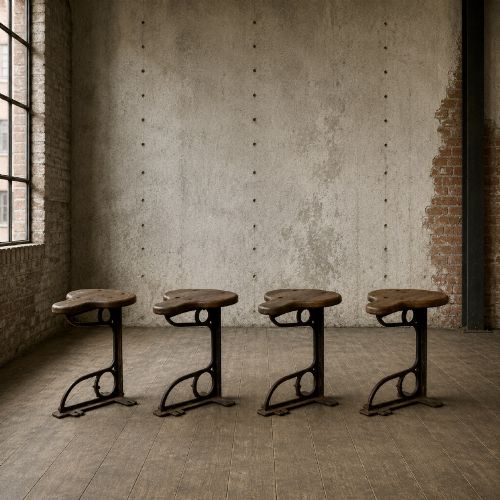
Metal variants required industrial welding and chrome plating rather than traditional joinery.
"Their height was calculated specifically to keep seated patrons at eye level with the standing bar staff."
"A tall antique seat takes up surprisingly little floor space."
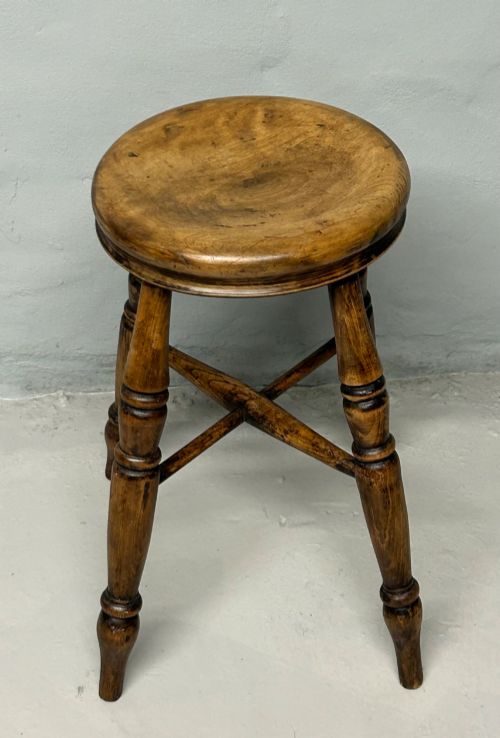
"Foot rings double as structural bracing to stop the long legs splaying out under weight."
Based on almost 25 years of Sellingantiques UK antique market data, Antique Bar Stools appeared 188 times (out of 1,100,000 antiques) which gives it a rarity score of 96/100.
This score measures scarcity within the Sellingantiques archive only and is not a survey of the entire antiques market, so these statistics may not be indicative of the general availability of Antique Bar Stools elsewhere.
Most sit at around thirty inches high to work with a standard commercial counter. This leaves enough room for your legs under the rim.
Shorter examples are usually old draughtsman stools rather than tavern pieces. It pays to measure your counter clearance before buying.
Wide wooden seats expand and contract with changes in humidity. Over decades in centrally heated rooms, the timber shrinks across the grain and opens up along the old glue lines.
These splits are a standard reaction to modern home environments. They rarely affect the structural strength of the seat if the base joints remain tight.
Cutting the legs down alters the proportions and removes the historic wear on the feet.
You also risk throwing off the relationship between the seat and the footrest. The sitter might find their knees resting too high.
Old steel ball bearings dry out when the factory grease degrades into a hard paste. Rust also builds up inside the concealed metal housing over the decades.
Taking the mechanism apart allows you to clean out the old debris. A standard lithium grease usually gets them turning smoothly again without damaging the metal.
Please note: This Antique Bar Stools guide and its associated pricing data are provided for general informational purposes only. It does not constitute formal financial, investment, or appraisal advice and should not be relied upon as the sole basis for any commercial activity, purchasing, or sales decisions. Sellingantiques.co.uk accepts no liability for any actions taken in reliance on this information. Always consult with a qualified professional or independent appraiser.
