


A 2026 Guide by Sellingantiques

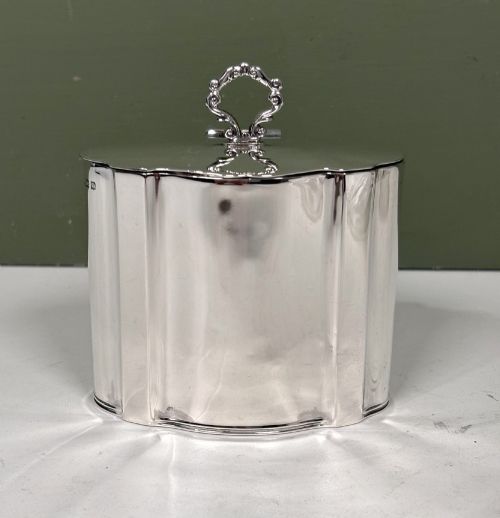
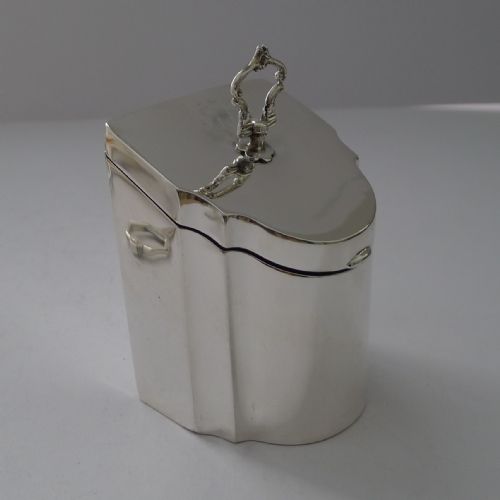
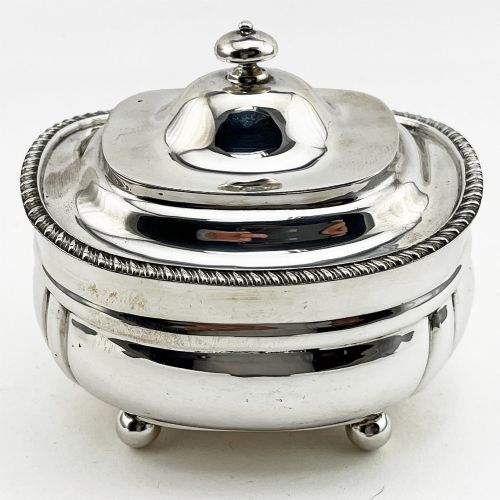
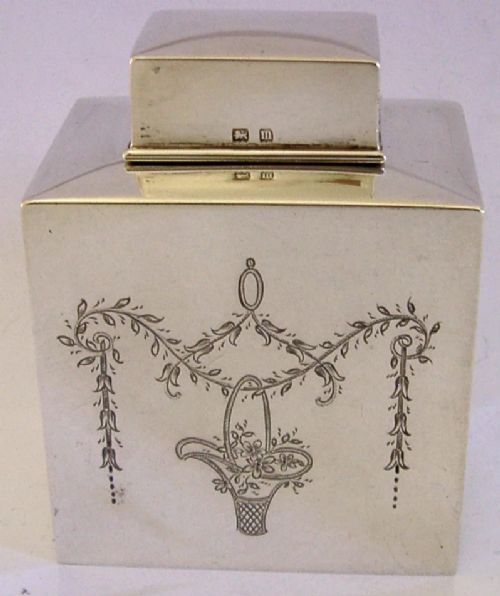
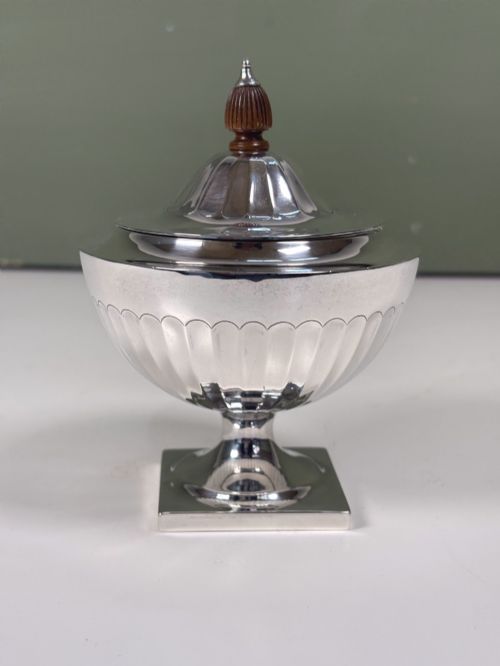
Edwardian Antique Silver Tea Caddy, London 1902, Edwardian
Priced at £495 from Highland Antiques Ltd
Early examples arrived in the early eighteenth century when tea remained an imported luxury.
Look at the locks on Georgian caddies. They're added to stop servants stealing expensive leaves.
Usually sold in matching sets of three. Two held black and green tea, while the larger middle box stored sugar.
The term caddy comes from kati, an Asian unit of weight measuring around a pound.
Paul de Lamerie produced highly ornate rococo caddies during the first half of the eighteenth century.
Hester Bateman made thin-gauge silver examples in the late Georgian period. Look for her bright-cut engraving.
Samuel Taylor worked on these containers in the mid-eighteenth century. His surviving work often features heavy repoussé chasing.

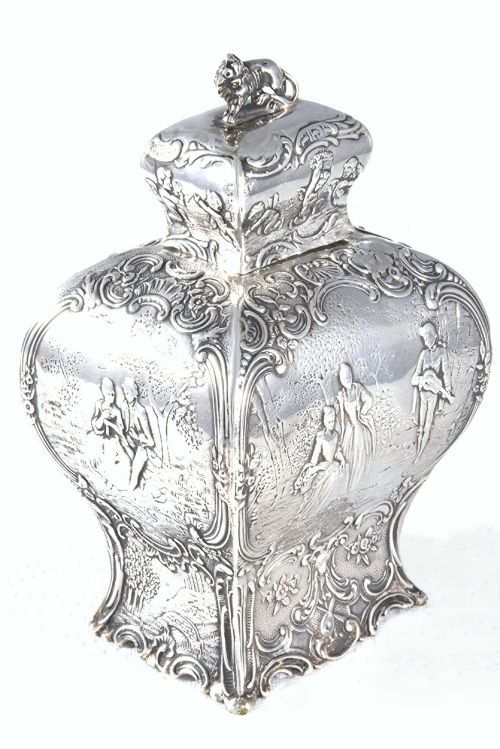
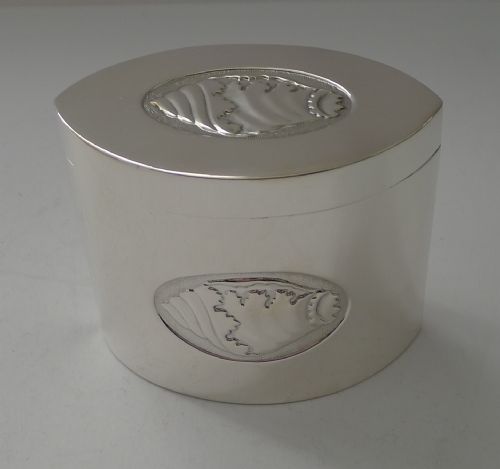
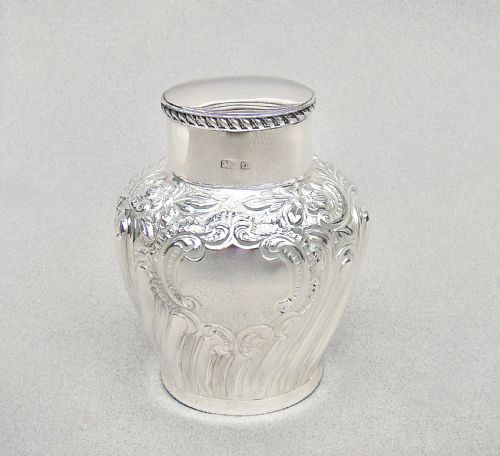
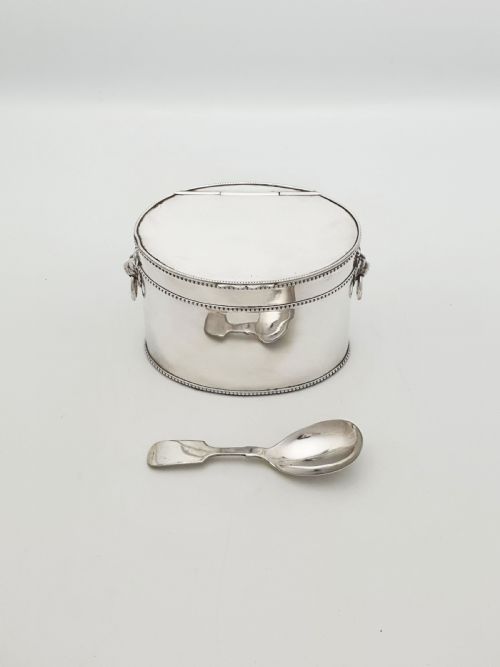
Victorian Antique Silver Repousse Tea Caddy, Birmingham 1901, Victorian
Priced at £495 from Highland Antiques Ltd
The 2026 retail price guide for Antique Silver Tea Caddies is drawn from a proprietary archive of over 1.1 million retail prices indexed by Sellingantiques since 2003. This guide relies exclusively on their own internal data; no external sources or auction records are used.
Analysing nearly 25 years of UK antique market history alongside current retail values, the data indicates that typical UK retail prices for Antique Silver Tea Caddies range between £200 and £1,500. Entry-level prices generally fall under £200 and premium examples upwards of £1,500.
Tight-fitting lids are essential on antique silver tea caddies. They keep the air out and the flavour in.
Many feature a sliding base. You load the tea from the bottom and spoon it out from the narrow top.
Small domed caps act as measuring scoops on the earliest canister shapes.
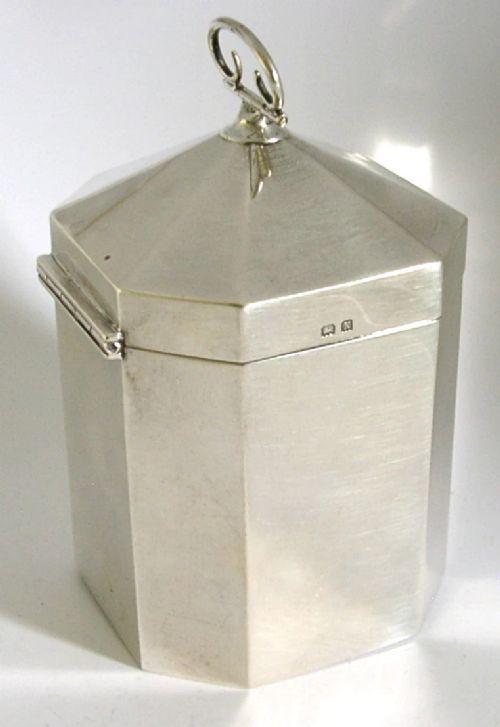
Early octagonal shapes required soldering flat sheets of silver together at the seams.
Silversmiths cast the feet and finials separately in sand moulds. They then joined these heavy components to the lighter main body.
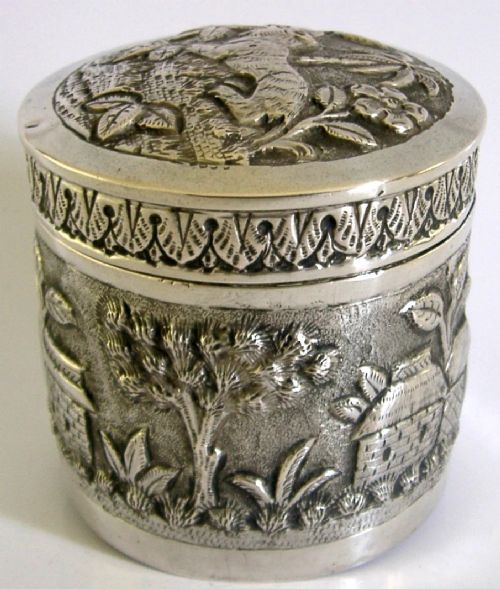
Notice the repoussé work. Makers hammered the silver outwards from the inside to create those raised floral patterns.
"A single piece often held a family's liquid wealth. The contents inside could cost a skilled worker a month's wages."
"Some makers shaped these novelty examples to resemble miniature houses or pagodas."
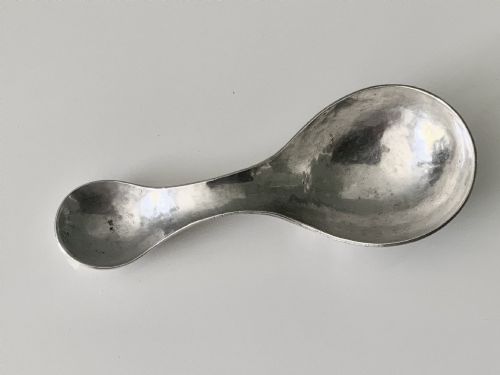
"You'll sometimes find hidden compartments in the base of larger models, originally used to store a silver measuring spoon."
Based on almost 25 years of Sellingantiques UK antique market data, Antique Silver Tea Caddies appeared 1492 times (out of 1,100,000 antiques) which gives it a rarity score of 74/100.
This score measures scarcity within the Sellingantiques archive only and is not a survey of the entire antiques market, so these statistics may not be indicative of the general availability of Antique Silver Tea Caddies elsewhere.
Brush out any loose tea dust with a soft, dry cloth. You want to avoid using water or silver polish on the interior surfaces.
If the original gilding survives, harsh chemicals will strip it away. Just leave the inside dry and empty.
Never force a stuck hinge on a silver box. The metal is soft and will warp or tear if you put too much pressure on the joint.
Take it to a silversmith who handles antique pieces. They can ease the pin and realign the flush hinge without damaging the surrounding metal.
Once the lid warps, fixing the airtight seal becomes a much bigger job.
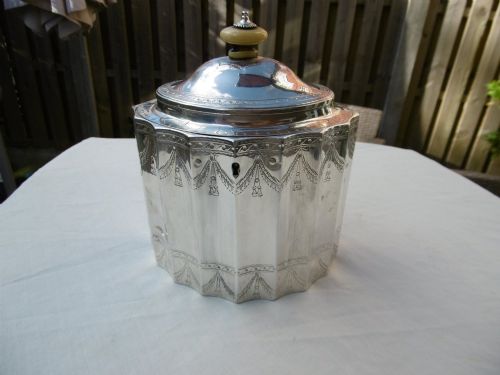
That hole is the keyhole for the lock. Most of these containers were made with internal locking mechanisms to secure the expensive tea inside.
Finding an original working key is quite rare today.
They most likely started life as a set. Boxed sets often contained a pair of caddies for black and green tea alongside a larger matching container.
That bigger piece sat in the middle and held sugar. People also used the larger central container as a blending bowl to mix different tea leaves before brewing.
Please note: This Antique Silver Tea Caddies guide and its associated pricing data are provided for general informational purposes only. It does not constitute formal financial, investment, or appraisal advice and should not be relied upon as the sole basis for any commercial activity, purchasing, or sales decisions. Sellingantiques.co.uk accepts no liability for any actions taken in reliance on this information. Always consult with a qualified professional or independent appraiser.
