




A 2026 Guide by Sellingantiques
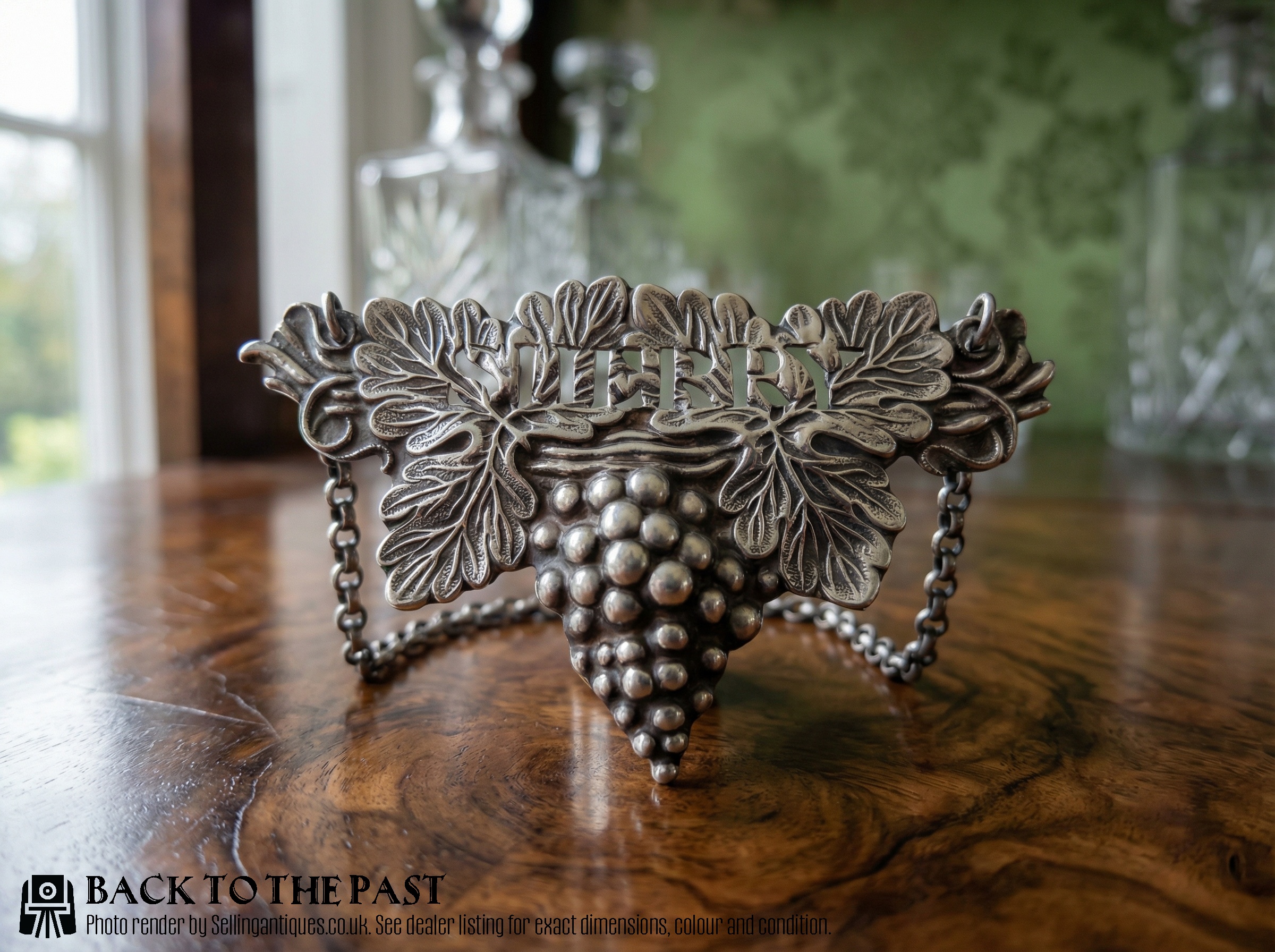
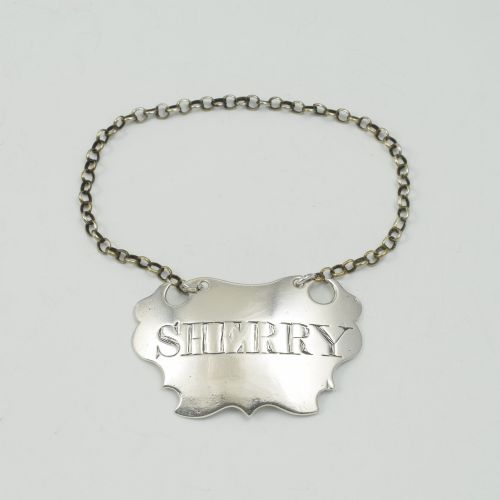
Antique Victorian Sterling Silver 'Sherry' Decanter Label 1835, 1800
Priced at £195 from Robert Bush Antiques
Early glass bottles were dark and opaque. You needed a way to tell the port from the claret.
Paper labels washed off in damp cellars. Metal tickets provided a lasting solution for wealthy households.
The earliest antique silver decanter labels date to the 1730s. Most surviving Georgian examples appear after 1770.
Production dropped sharply in the Victorian era. Moulded glass bottles with paper labels became the norm.
Hester Bateman produced many simple, elegant labels in late eighteenth-century London. Her work often features bright-cut engraving.
Phipps and Robinson dominated the market for antique silver decanter labels around 1800. They stamped thousands of standard designs.
Sandilands Drinkwater is an early specialist. His mid-eighteenth-century escutcheon shapes are well documented.
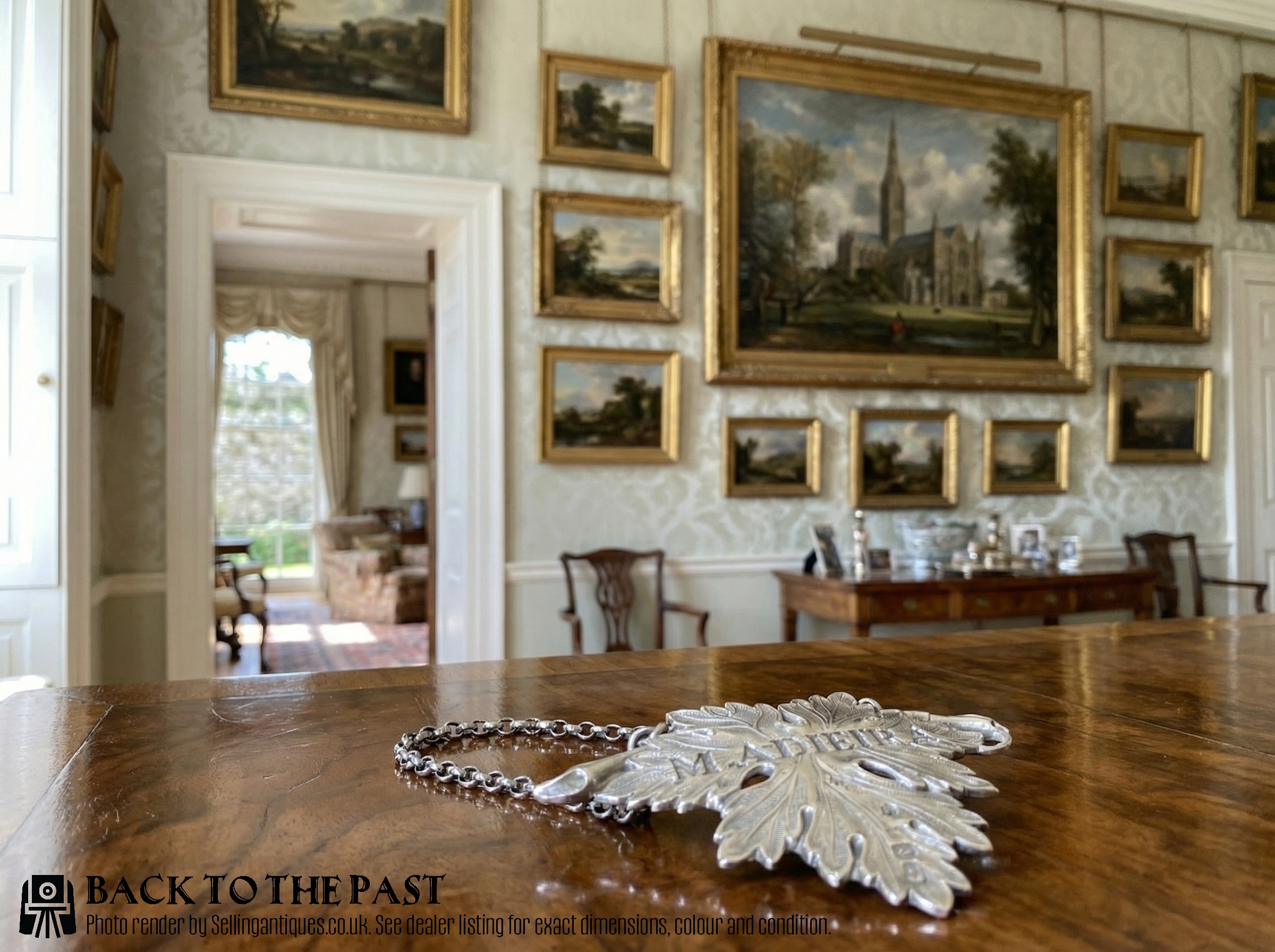
Antique Victorian Sterling Silver 'Madeira' Decanter / Bottle Label 1859, 1850
Priced at £195 from Robert Bush Antiques
The 2026 retail price guide for Antique Silver Decanter Labels is drawn from a proprietary archive of over 1.1 million retail prices indexed by Sellingantiques since 2003. This guide relies exclusively on their own internal data; no external sources or auction records are used.
Analysing nearly 25 years of UK antique market history alongside current retail values, the data indicates that typical UK retail prices for Antique Silver Decanter Labels range between £100 and £300. Entry-level prices generally fall under £100 and premium examples upwards of £300.
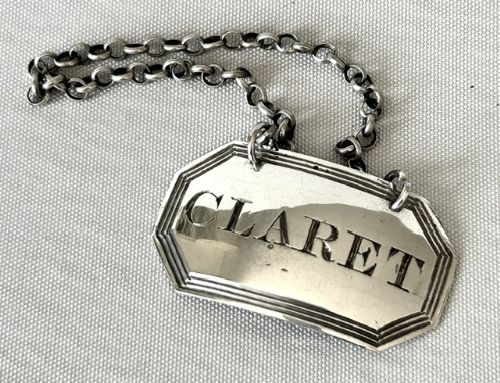
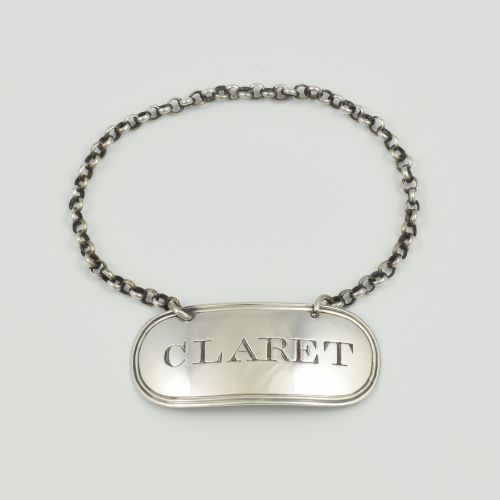
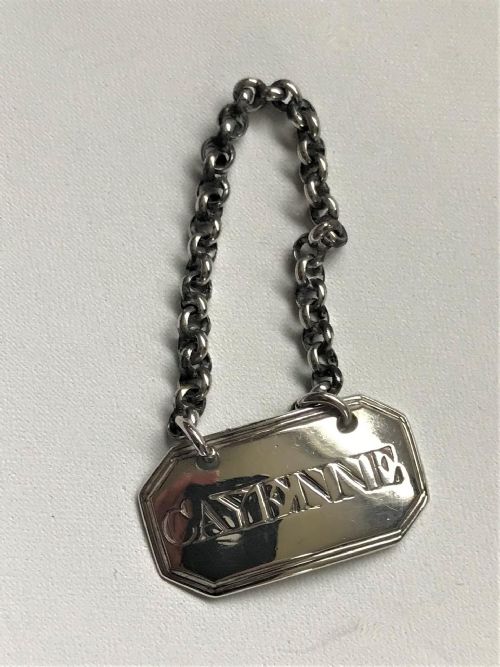
Engraved or pierced lettering spells out the drink. Common names include Madeira, Sherry, and Port.
Decorative borders frame the central name. Look for vine leaves, grapes, or simple reeded edges.
A suspension chain runs through two small eyelets. Usually soldered to the top corners or punched directly through the silver.
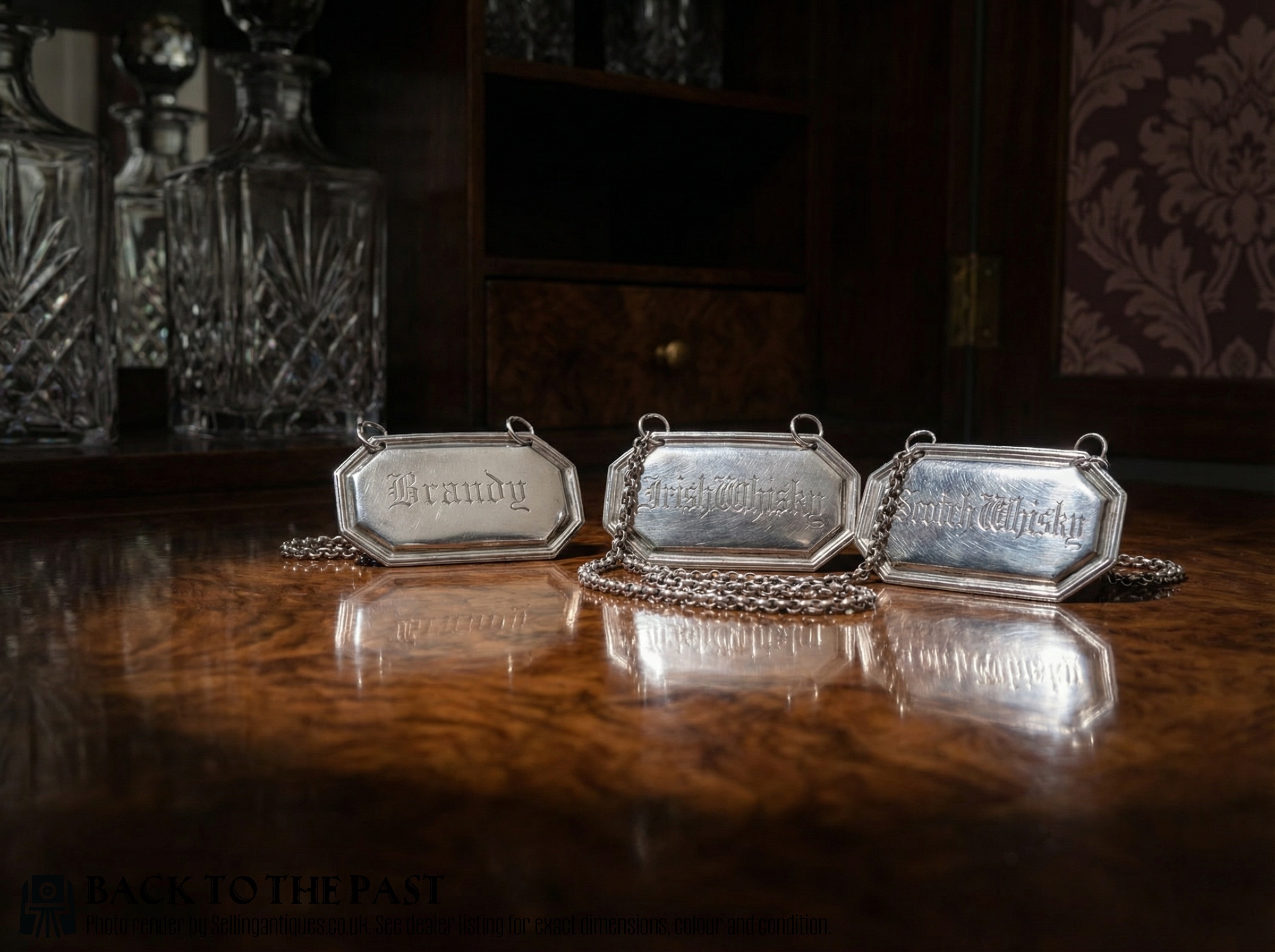
Super Set Edwardian Silver Decanter Labels, Edwardian
Priced at £395 from Fernyhough Antiques Ltd
Early Georgian examples were cut by hand from flat silver sheet. The silversmith engraved the lettering and added a simple border.
Die-stamping took over by the early nineteenth century. Workshops pressed thin silver into steel moulds to mass-produce heavy grape borders.
Cast labels emerge for heavier, sculptural designs. Silversmiths poured molten metal into sand moulds to create thick solid borders.
"Some labels list strange forgotten drinks. You might find names like Calcavella, Mountain, or Vidonia."
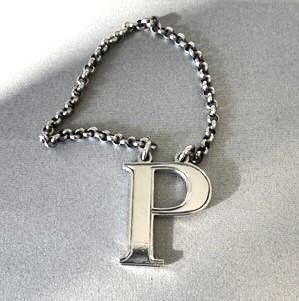
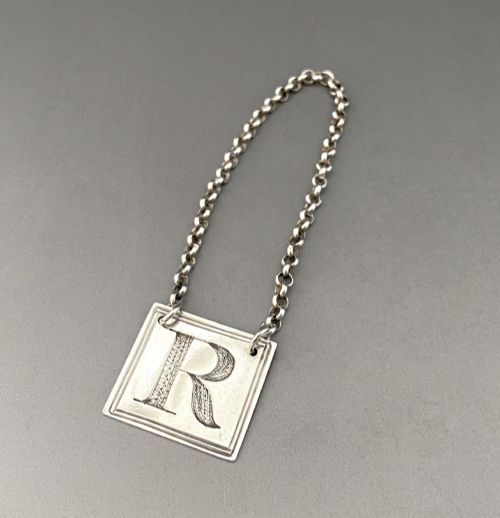
"Small single-letter labels exist. A simple cut-out 'P' or 'S' served minimalist Georgian tables."
"Silversmiths occasionally left labels blank. The buyer would take them to a local engraver to match their specific cellar inventory."
Based on almost 25 years of Sellingantiques UK antique market data, Antique Silver Decanter Labels appeared 479 times (out of 1,100,000 antiques) which gives it a rarity score of 91/100.
This score measures scarcity within the Sellingantiques archive only and is not a survey of the entire antiques market, so these statistics may not be indicative of the general availability of Antique Silver Decanter Labels elsewhere.
Mountain was a type of fortified wine from Malaga in Spain. It was a very common drink in eighteenth-century Britain. The wine was sweet and similar to sherry.
Since it was a staple of the Georgian cellar, silversmiths made thousands of labels for it. You see them regularly among early antique silver decanter labels.
Small silver items were exempt from hallmarking for much of the Georgian period. The assay office rules excluded wares weighing under a certain amount. Decanter labels fell into this category.
Many makers just struck their personal mark to show who made it. Some did not even bother with that. Assaying cost time and money, so silversmiths skipped the process legally when making lightweight goods.
Use a soft silver cloth rather than liquid dips. Harsh chemicals strip the dark tarnish out of the engraved letters.
That dark oxidisation actually helps the word stand out against the polished silver. If you scrub it all away, the spirit name becomes very difficult to read.
Chains often get replaced or altered over the centuries. A standard length usually measures around five or six inches. This allows the label to hang neatly on the upper neck.
If the chain slides down the body of the bottle, someone likely swapped it. People often repurposed pocket watch chains or necklace fragments when the original silver wire links broke.
Please note: This Antique Silver Decanter Labels guide and its associated pricing data are provided for general informational purposes only. It does not constitute formal financial, investment, or appraisal advice and should not be relied upon as the sole basis for any commercial activity, purchasing, or sales decisions. Sellingantiques.co.uk accepts no liability for any actions taken in reliance on this information. Always consult with a qualified professional or independent appraiser.
