



A 2026 Guide by Sellingantiques

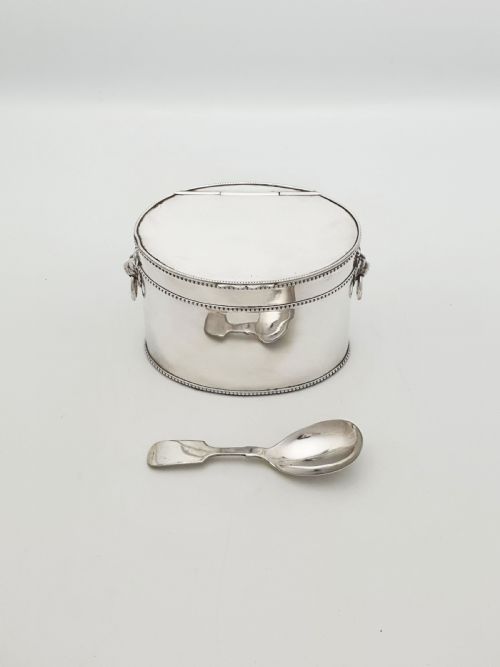
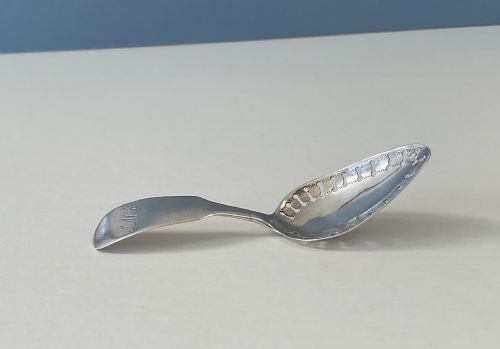
Early Victorian Antique Silver Caddy Spoon, George Unite 1838
, Victorian
Priced at £195 from Highland Antiques Ltd
Keep the locked caddy in mind. Georgian households treated tea as a prized commodity, storing it in secure wooden boxes to stop theft.
Early on, no dedicated scoops existed. Drinkers tipped leaves directly from the canister lid or made do with standard teaspoons.
Antique silver caddy spoons arrived around 1770 as purpose-built tools, with stubby handles designed to fit snugly inside the closed compartments of a wooden box.
Look for Regency era examples. Silversmiths working in Birmingham and London turned out thousands of diverse shapes to meet surging demand.
Changing domestic habits killed off the form by the late nineteenth century.
Matthew Linwood dominated the Birmingham trade. Working from the 1790s, he produced vast quantities of stamped and engraved novelty designs.
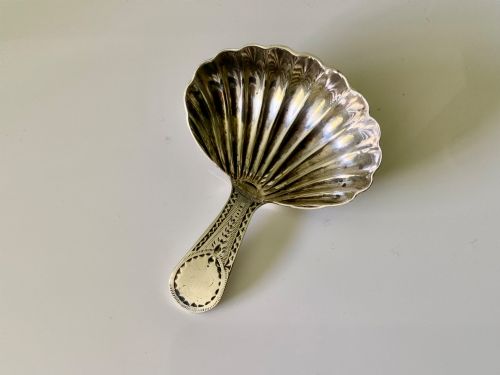
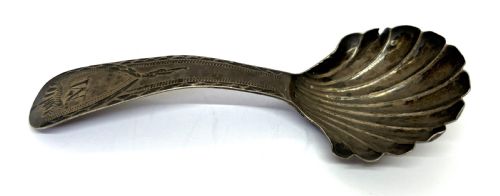
Hester Bateman made traditional London examples. Her workshop focused on simple shell bowls with bright-cut stems.
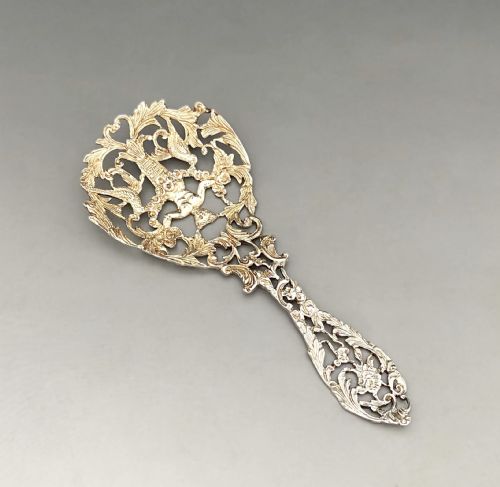
Seek out Cocks and Bettridge spoons. This partnership turned out highly detailed filigree work and stamped leaf patterns before dissolving in 1819.
The 2026 retail price guide for Antique Silver Caddy Spoons is drawn from a proprietary archive of over 1.1 million retail prices indexed by Sellingantiques since 2003. This guide relies exclusively on their own internal data; no external sources or auction records are used.
Analysing nearly 25 years of UK antique market history alongside current retail values, the data indicates that typical UK retail prices for Antique Silver Caddy Spoons range between £100 and £400. Entry-level prices generally fall under £100 and premium examples upwards of £400.
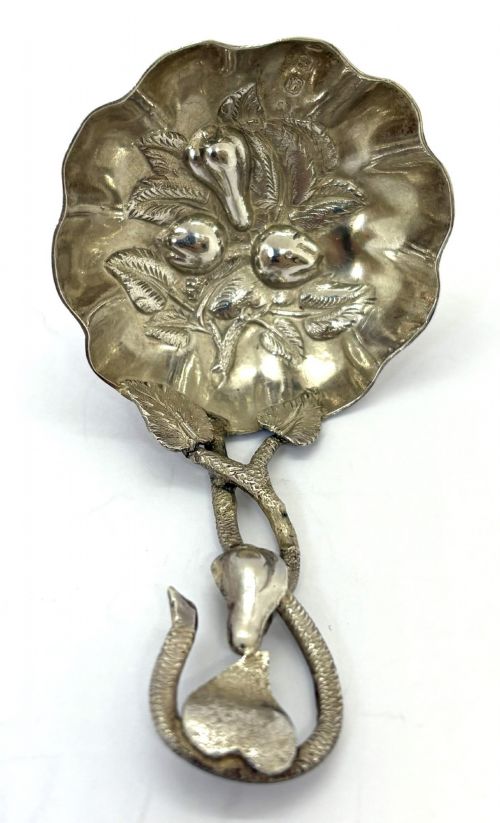
Bowls come in countless naturalistic forms. Fluted shells or broad oak leaves turn up regularly in early production.
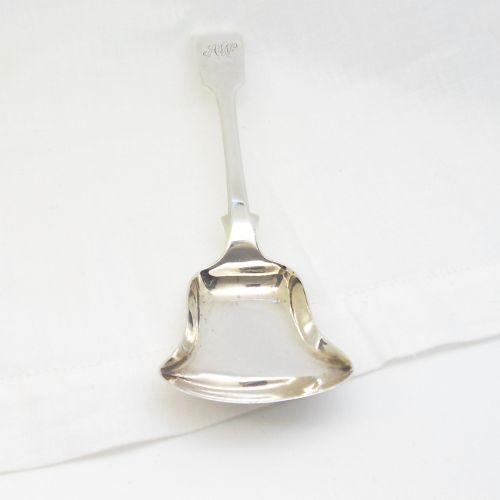
Notice the novelty shapes. Jockey caps, coal scoops or miniature dustpans proved popular among buyers wanting something different for the tea table.
Engraving often covers the handle and bowl interior. Bright-cut geometric borders or floral motifs catch the light when sitting in the leaf.
Casting was the standard method for early London spoons. Workmen poured molten metal into moulds to create heavy pieces.
Die-stamping dominated the Birmingham trade. Heavy presses forced thin sheet silver into steel dies, creating sharp patterns quickly.
Inspect the join on hollow handles carefully. Makers formed them from two separate stamped halves, soldering them together and leaving a faint seam along the outside edge.
"Some designs match the blend. Eagle feather shapes often paired with imported Chinese black teas."
"Assayers stamped these spoons with duty marks. The monarch head tells you the maker paid the silver tax required during that period."
"Provincial assay offices handled plenty of them. Finding an anchor for Birmingham or a crown for Sheffield adds a neat bit of geographical history."
Based on almost 25 years of Sellingantiques UK antique market data, Antique Silver Caddy Spoons appeared 1271 times (out of 1,100,000 antiques) which gives it a rarity score of 78/100.
This score measures scarcity within the Sellingantiques archive only and is not a survey of the entire antiques market, so these statistics may not be indicative of the general availability of Antique Silver Caddy Spoons elsewhere.
Those are hallmarks. They act as a consumer protection system dating back centuries. The series of punches tells you the purity of the silver, the city where it was tested, and the exact year it was stamped.
Finding the maker mark usually involves two initials. You cross-reference those letters with the assay office records for that specific year to identify the silversmith.
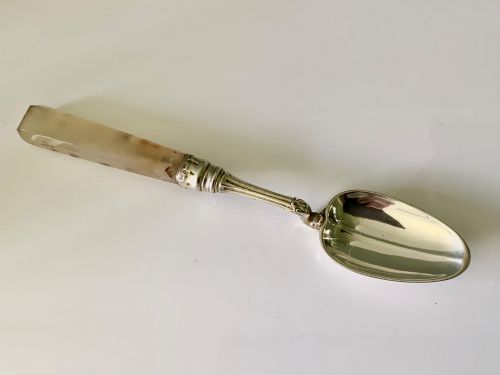
Yes. Silversmiths frequently mixed materials in the late eighteenth century. A silver bowl pinned to a mother-of-pearl or carved boxwood handle is standard for the period.
They did this to keep the spoons lightweight and visually interesting.
Leaf shapes tie directly into the function of the object. Silversmiths modelled them on the tea plant itself, creating a visual link between the scoop and the dried leaves it held.
You find broad oak leaves, vine leaves or delicate tea leaves. Birmingham makers often stamped the veins heavily into the bowl to give the thin silver extra structural rigidity.
That gold colour is gilding. Silversmiths applied a thin layer of gold to the inside of the bowl using a mercury amalgam process. It was an expensive finish designed to stop the silver from tarnishing.
Tea contains tannins that can react with bare silver over time. The gold wash prevented any metallic taste from transferring to the tea leaves while they sat in the scoop.
Much of that original gilding gets washed away. Finding a spoon with a bright gold wash is quite rare today.
Please note: This Antique Silver Caddy Spoons guide and its associated pricing data are provided for general informational purposes only. It does not constitute formal financial, investment, or appraisal advice and should not be relied upon as the sole basis for any commercial activity, purchasing, or sales decisions. Sellingantiques.co.uk accepts no liability for any actions taken in reliance on this information. Always consult with a qualified professional or independent appraiser.
