
A 2026 Guide by Sellingantiques
Look at the evolution of dining habits. Early tables required guests to bring their own spoons.
Sets of matching antique silver flatware only became common during the eighteenth century.
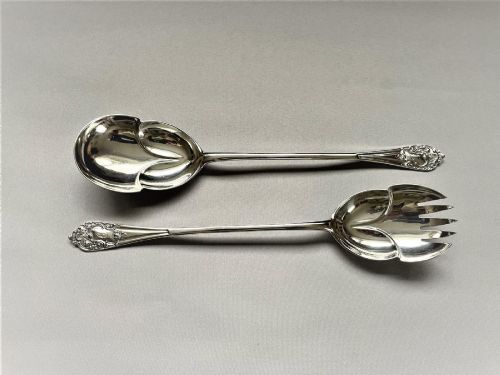
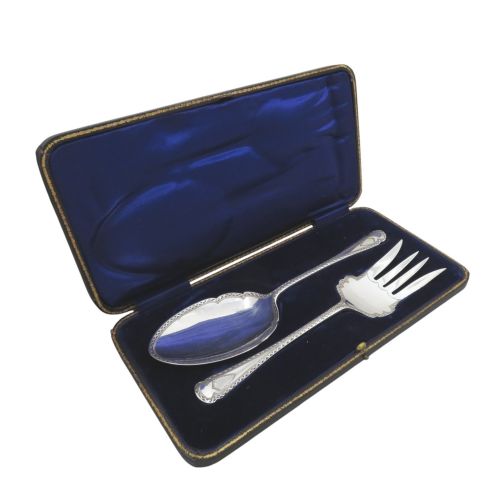
Forks took much longer to gain acceptance in Britain than spoons, with early two-pronged examples slowly evolving into the standard four prongs we use today.
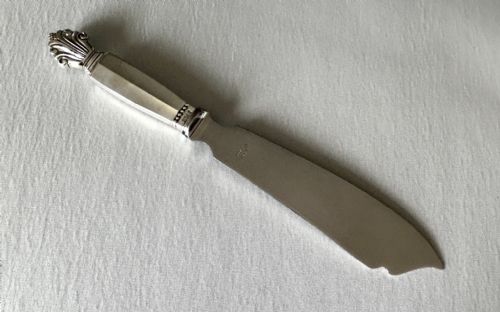
Knives originally featured basic carbon steel blades that rusted fast.
Paul Storr produced substantial, heavily decorated services during the Regency period.
The Bateman family turned out large quantities of bright-cut spoons in the late eighteenth century, defining the elegant neoclassical style.
Victorian production was dominated by Chawner & Co under the leadership of George Adams, producing heavy die-stamped sets.
The 2026 retail price guide for Antique Silver Flatware is drawn from a proprietary archive of over 1.1 million retail prices indexed by Sellingantiques since 2003. This guide relies exclusively on their own internal data; no external sources or auction records are used.
Analysing nearly 25 years of UK antique market history alongside current retail values, the data indicates that typical UK retail prices for Antique Silver Flatware range between £200 and £1,900. Entry-level prices generally fall under £200 and premium examples upwards of £1,900.
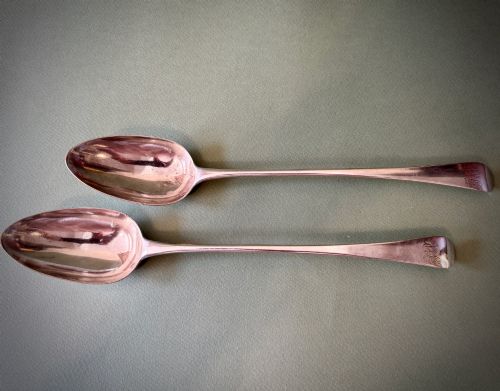
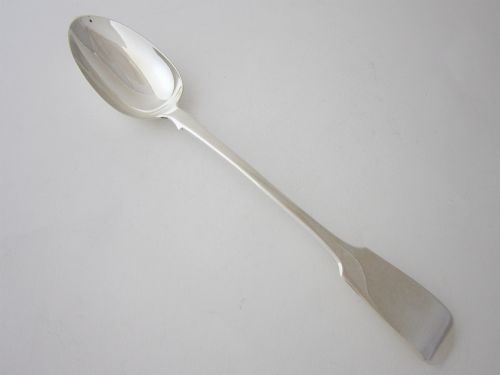
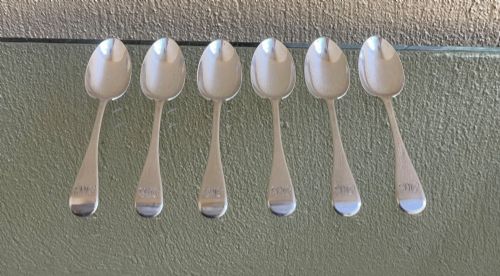
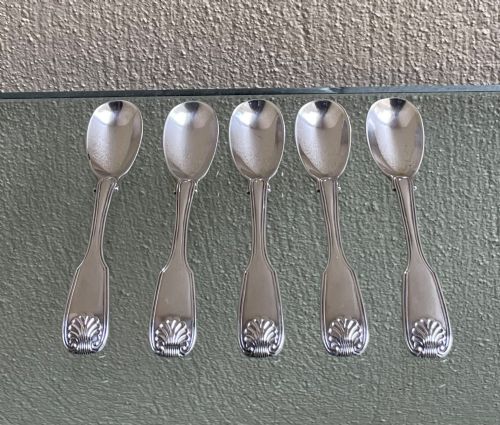
Patterns help date the pieces. Hanoverian and Old English represent the main eighteenth-century developments, replacing simpler earlier forms.
Crests and monograms often appear engraved directly onto the terminal ends.
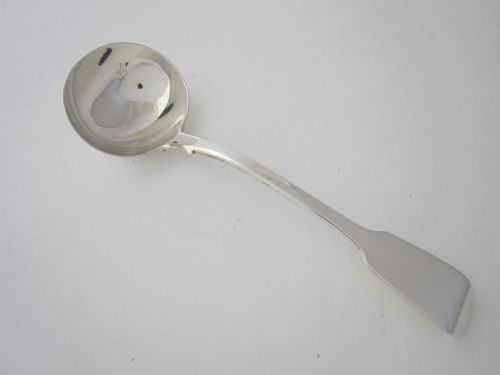
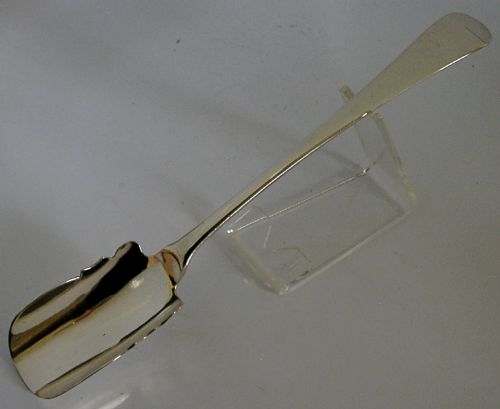
Notice the bowl shapes. They change from shallow, round fig shapes in early centuries to much deeper, narrower oval forms over time.
Early spoons were forged from a single silver ingot. Silversmiths repeatedly hammered the metal flat on an anvil.
Die-stamping emerged to speed up production. Heavy presses forced silver sheets into patterned steel moulds, allowing for rapid duplication of complex designs.
Feel the weight distribution. Hand-forged antique silver flatware tapers gracefully down the stem.
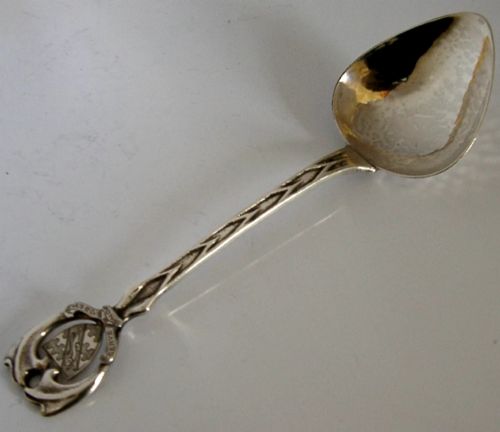
"Many pieces carry heraldic crests that allow you to trace the exact family who originally commissioned the service centuries ago."
"Dessert courses sparked the creation of specialised, smaller forks and spoons."
"Silver has natural antimicrobial properties, making it practical for daily eating utensils long before people understood bacterial growth."
Based on almost 25 years of Sellingantiques UK antique market data, Antique Silver Flatware appeared 1059 times (out of 1,100,000 antiques) which gives it a rarity score of 81/100.
This score measures scarcity within the Sellingantiques archive only and is not a survey of the entire antiques market, so these statistics may not be indicative of the general availability of Antique Silver Flatware elsewhere.
Wash them in warm soapy water first to remove surface dirt. Dry them immediately with a soft cotton cloth.
Apply a mild silver polish using a soft sponge. Rub gently in straight lines rather than circles, then buff with a clean cloth. Avoid harsh dips that strip the surface.
Original knife blades were usually carbon steel. They rusted quickly if left wet and pitted badly over decades of use.
Cutlers frequently replaced these damaged blades in the twentieth century. They removed the old rusted steel and set new stainless blades into the original handles. It makes them much easier to use today.
You should wash antique silver flatware by hand.
Knives are particularly vulnerable. Hot water melts the traditional pitch inside the handle, causing the blade to loosen or fall out.
Silversmiths placed monograms based on how the table was laid. During the Hanoverian period in the eighteenth century, forks were placed tines-down on the table.
This meant the back of the handle faced up. Engravers put the family crest or initial on that side so guests could read it.
Later patterns like Old English were laid face up. The engraving moved to the front to match the new dining habits.
Please note: This Antique Silver Flatware guide and its associated pricing data are provided for general informational purposes only. It does not constitute formal financial, investment, or appraisal advice and should not be relied upon as the sole basis for any commercial activity, purchasing, or sales decisions. Sellingantiques.co.uk accepts no liability for any actions taken in reliance on this information. Always consult with a qualified professional or independent appraiser.
