
A 2026 Guide by Sellingantiques
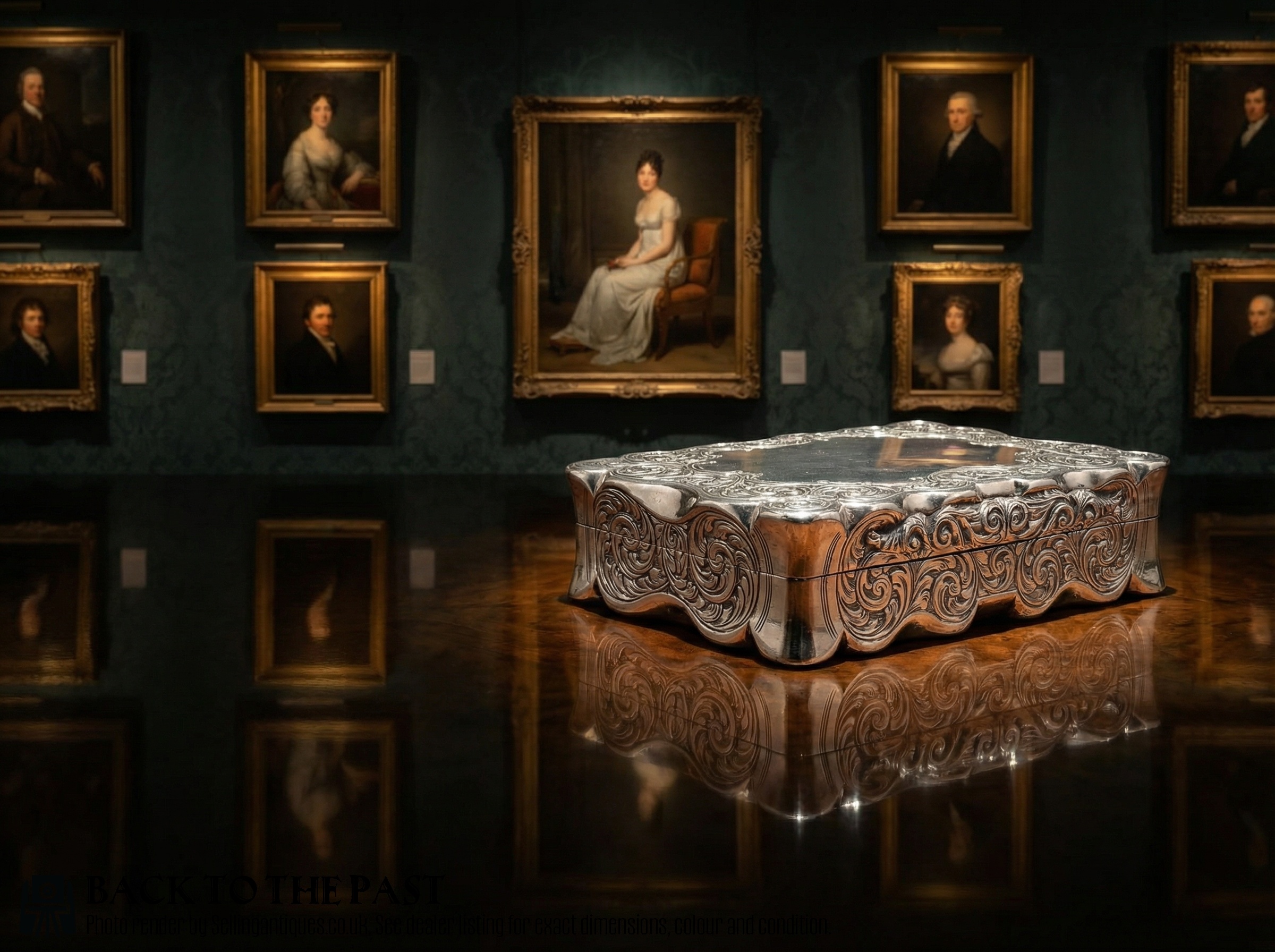
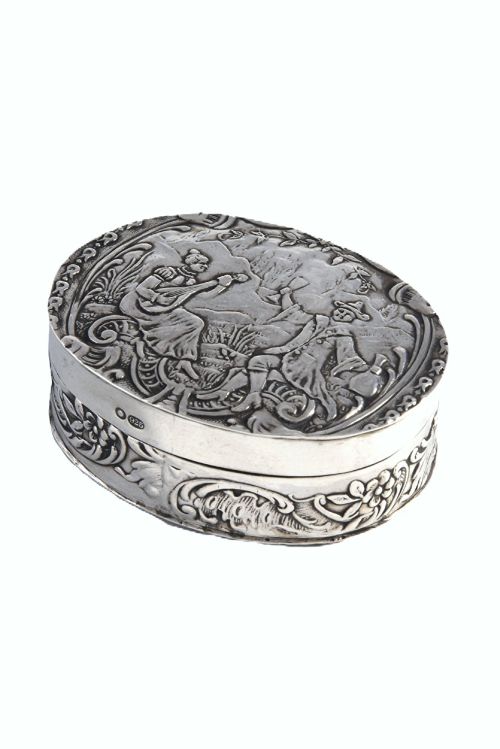
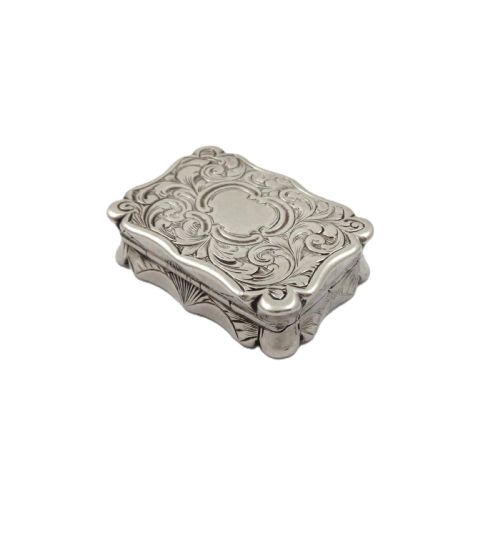
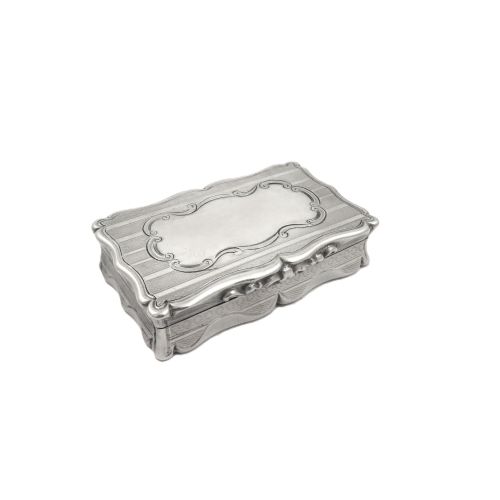
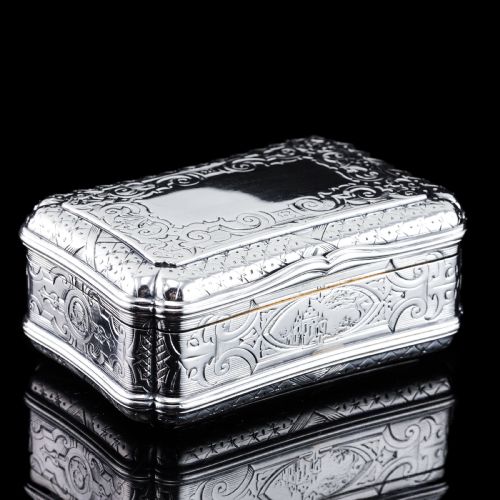
Victorian Silver Table Snuff Box by David Pettifer, 1850
Priced at £785 from Deco Interiors
Powdered tobacco consumption expanded across Europe throughout the Georgian era.
Most pocket containers sat tucked into waistcoats or skirts for easy access.
You'll want to check the hallmarks struck inside an antique silver snuff box to read the assay office and year.
Later Victorian examples turn up less often because cigars slowly replaced the habit among gentlemen.
Nathaniel Mills dominated the Birmingham trade during the early nineteenth century with detailed castle-top designs.
Phipps and Robinson produced heavy, plain rectangular forms in London around the turn of the century.
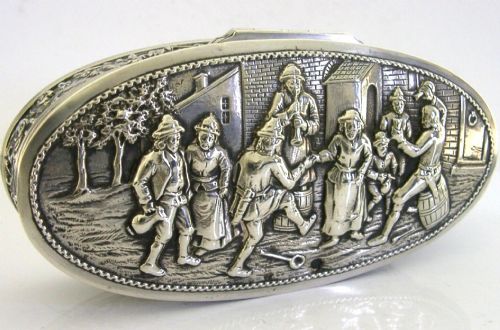
Edward Smith represents another prolific Birmingham silversmith, known for heavily chased antique silver snuff boxes with engine-turned bases.
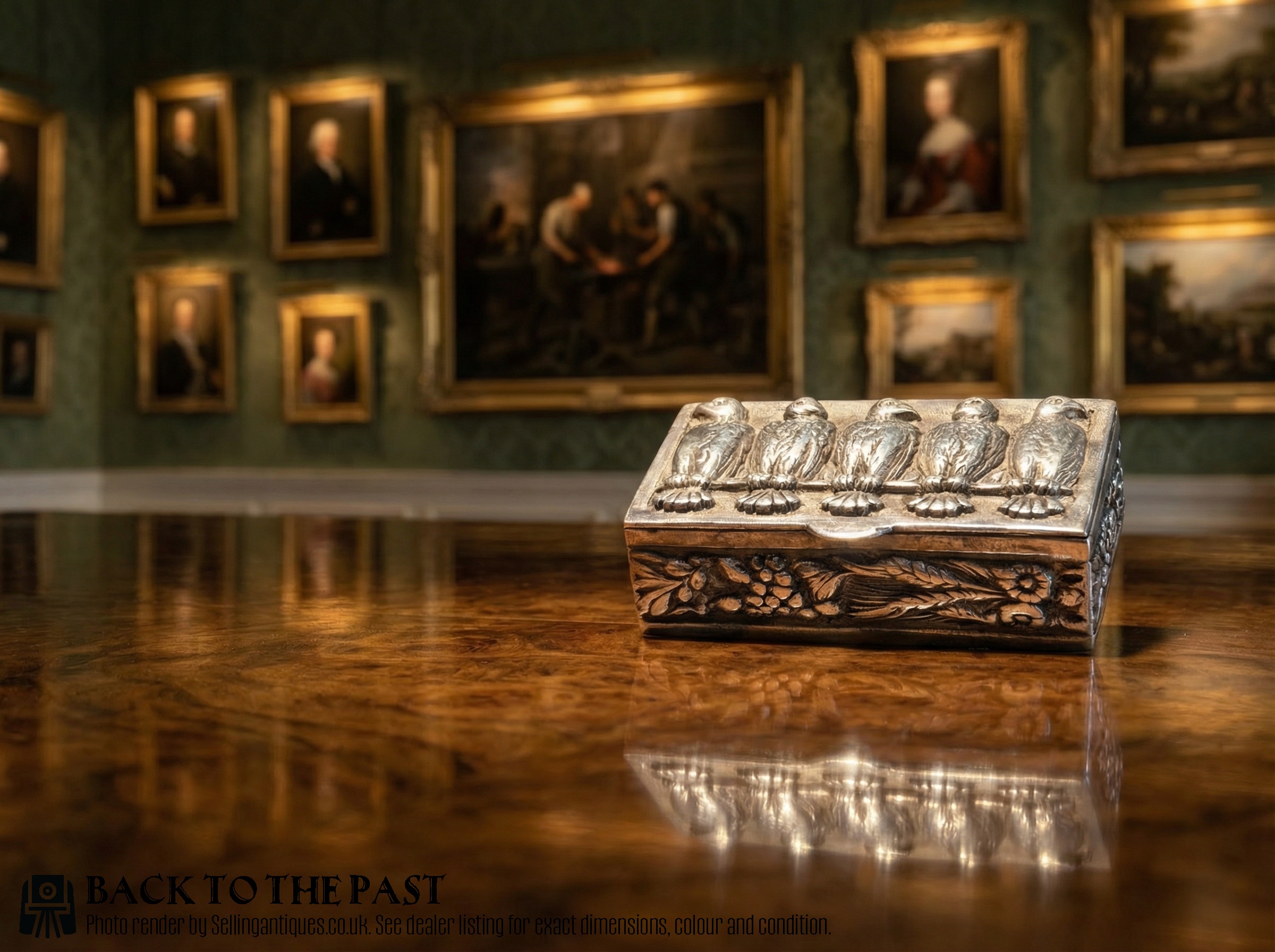
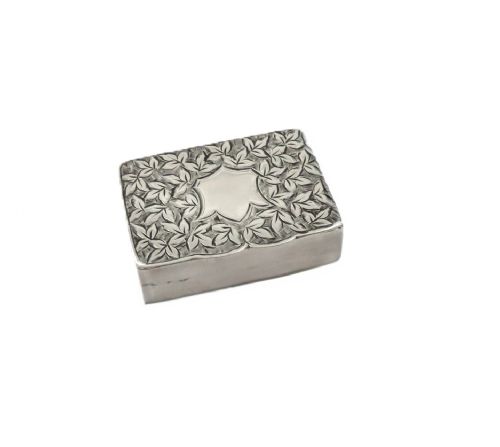
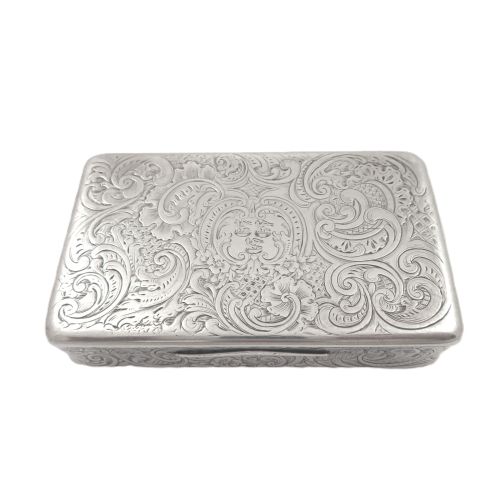
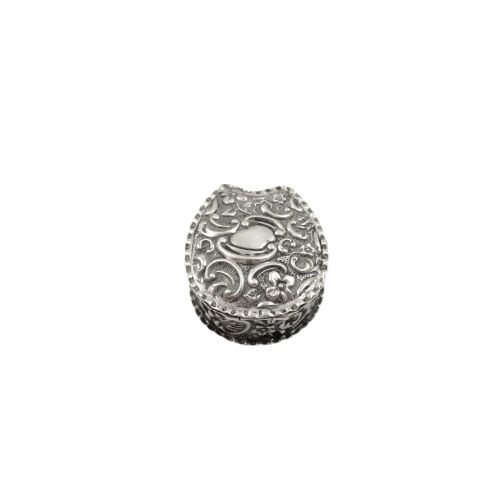
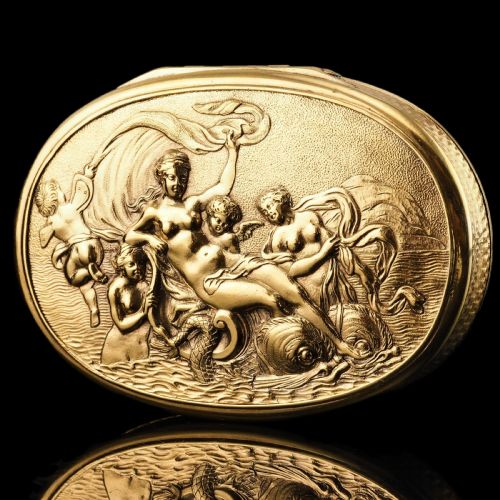
19th Century Heavy Cast Silver Snuff Box, C1880, 1880
Priced at £295 from Robert Belcher Antiques
The 2026 retail price guide for Antique Silver Snuff Boxes is drawn from a proprietary archive of over 1.1 million retail prices indexed by Sellingantiques since 2003. This guide relies exclusively on their own internal data; no external sources or auction records are used.
Analysing nearly 25 years of UK antique market history alongside current retail values, the data indicates that typical UK retail prices for Antique Silver Snuff Boxes range between £200 and £1,000. Entry-level prices generally fall under £200 and premium examples upwards of £1,000.
The flush hinge is a hallmark of good box making.
Thumbpieces project slightly from the front edge to give your finger purchase when opening a tight lid.
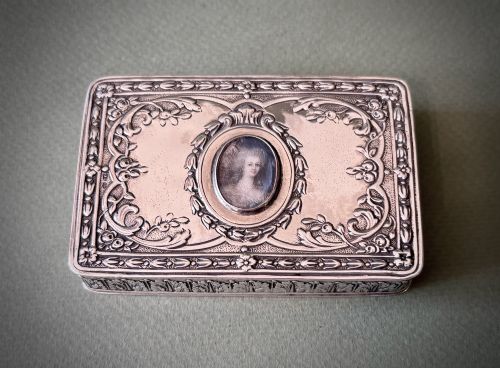
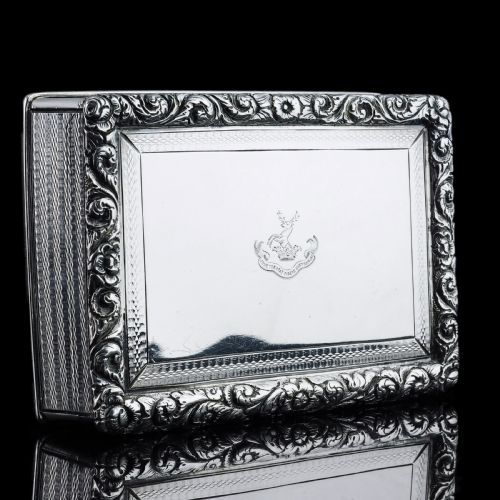
Engraved crests or initials often sit inside a central cartouche on the top cover.
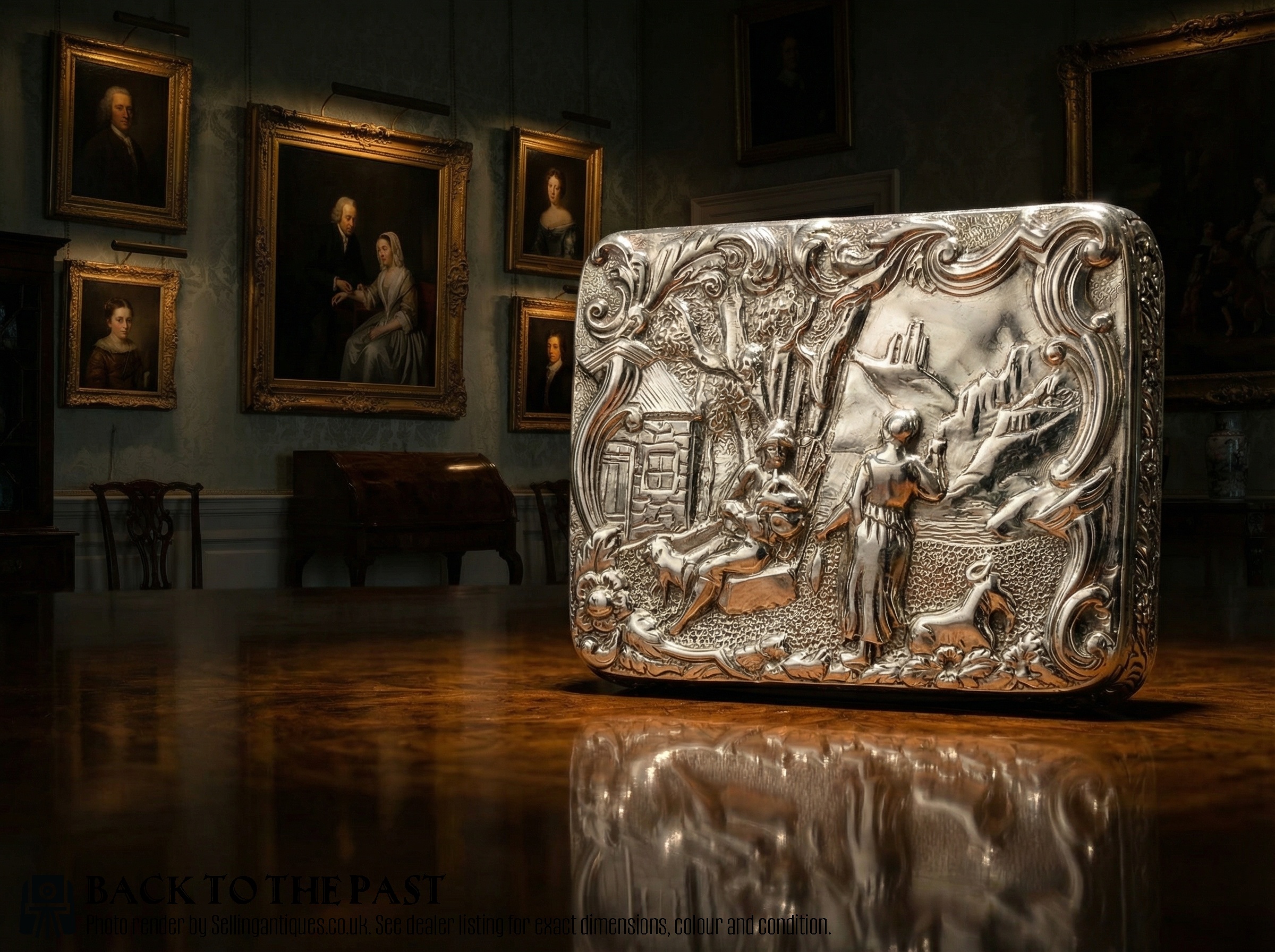
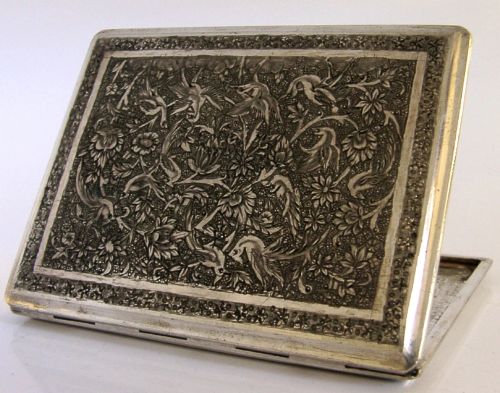
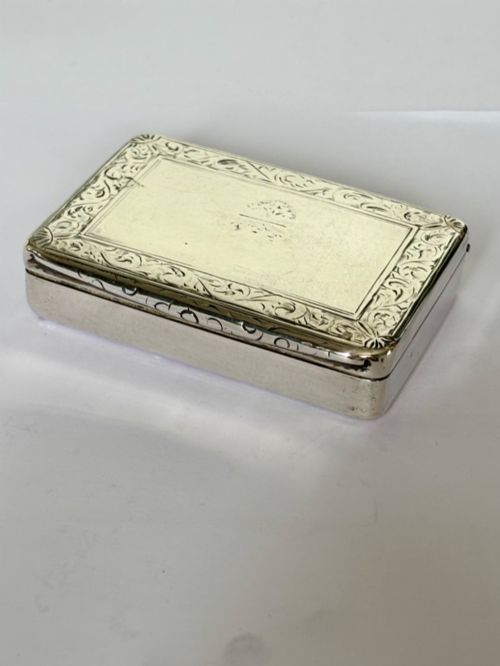
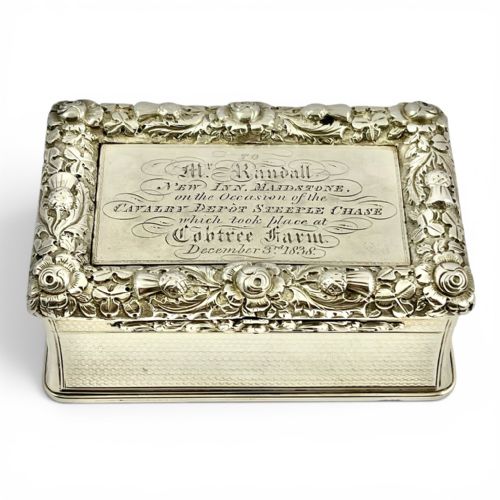
William IV Scottish Antique Silver Snuff Box, John Caw 1831, Regency
Priced at £2,750 from Highland Antiques Ltd
Hand-cut joints. Early Georgian antique silver snuff boxes often feature sheet silver seamed together with solder.
Silversmiths eventually adopted drop presses to stamp out intricate, three-dimensional lids in a single strike.
Feel the back edge to find the concealed hinge knuckles filed by hand to sit flush.
"Many plain boxes started life as presentation gifts for minor civic duties."
"Birmingham assay marks appear on the vast majority of nineteenth-century British examples."
"Open the lid to find internal gilding that often survives pristine, thanks to the packed powder protecting the finish."
Based on almost 25 years of Sellingantiques UK antique market data, Antique Silver Snuff Boxes appeared 2048 times (out of 1,100,000 antiques) which gives it a rarity score of 66/100.
This score measures scarcity within the Sellingantiques archive only and is not a survey of the entire antiques market, so these statistics may not be indicative of the general availability of Antique Silver Snuff Boxes elsewhere.
Silversmiths applied a thin wash of gold over the interior to prevent a chemical reaction. Tobacco contains moisture and natural compounds that will rapidly tarnish raw silver.
This gilded layer keeps the contents tasting fresh. It also makes the inside much easier to wipe clean between refills.
Use a soft silver cloth to buff the exterior metal gently. Hard rubbing will slowly wear away the crisp engine-turned engraving and hallmark stamps.
Never submerge the box in water. Liquid polish isn't a good idea either, as fluid can seep into the hinge pin or get trapped under the bezel.
You can brush out loose powder with a dry, soft-bristled paintbrush. Take care around the corners where the base meets the side walls.
If the residue has hardened, don't scrape it with anything metal. You'll find a wooden toothpick works well to dislodge debris without scratching the gilded wash beneath.
Leave the hinge dry.
Oil attracts household dust and grit over time, creating an abrasive paste inside the knuckles. This will slowly wear away the silver joint.
Have a specialist check for a bent pin.
Please note: This Antique Silver Snuff Boxes guide and its associated pricing data are provided for general informational purposes only. It does not constitute formal financial, investment, or appraisal advice and should not be relied upon as the sole basis for any commercial activity, purchasing, or sales decisions. Sellingantiques.co.uk accepts no liability for any actions taken in reliance on this information. Always consult with a qualified professional or independent appraiser.
