






A 2026 Guide by Sellingantiques

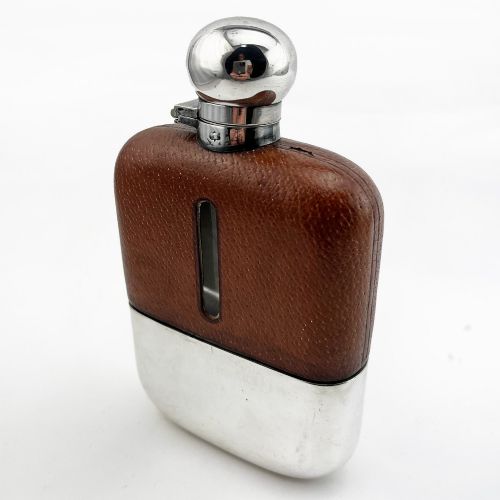
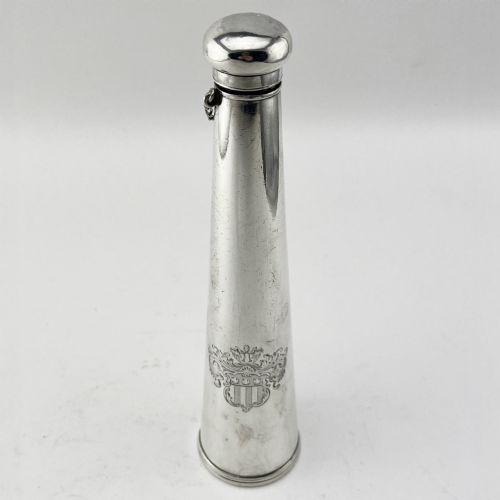
Solid Silver Hip Flask, 1910
Priced at £380 from Mytton Antiques - Jerrard Nares
Carrying spirits became practical for the gentry during nineteenth-century field sports. Antique silver hip flasks met that exact need.
Early examples tended to be quite small. Capacities increased later.
Prohibition across the Atlantic shifted demand towards concealable shapes. English forms remained tied to hunting and shooting traditions.
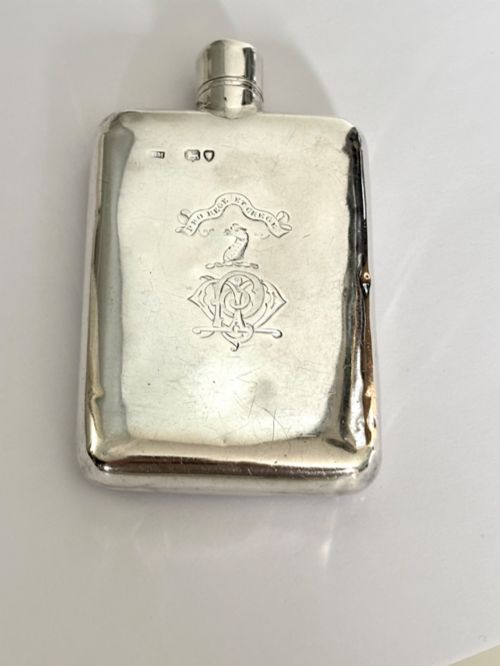
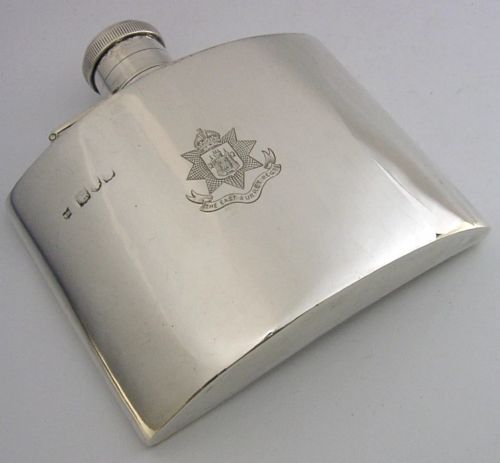
Look for presentation engravings. Military officers often received a flask before embarking on overseas deployments.
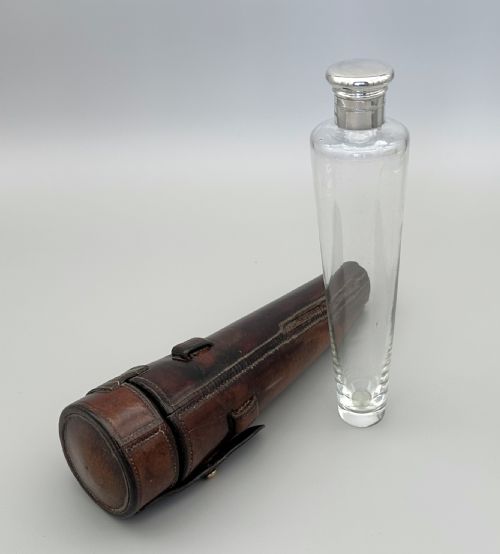
Changes in glass manufacturing allowed for fitted silver lower halves. These slip cups offered a civilised way to drink without sharing the main nozzle.
James Dixon & Sons operated out of Sheffield through the nineteenth and twentieth centuries. They produced thousands of these vessels for retail.
Sampson Mordan & Co worked in London until 1941. Their antique silver hip flasks often feature heavy gauge metal and tight engineered hinges.
Mappin & Webb stamped their name on numerous sporting pieces. Their retail mark frequently appears alongside various Birmingham or Sheffield assay stamps.
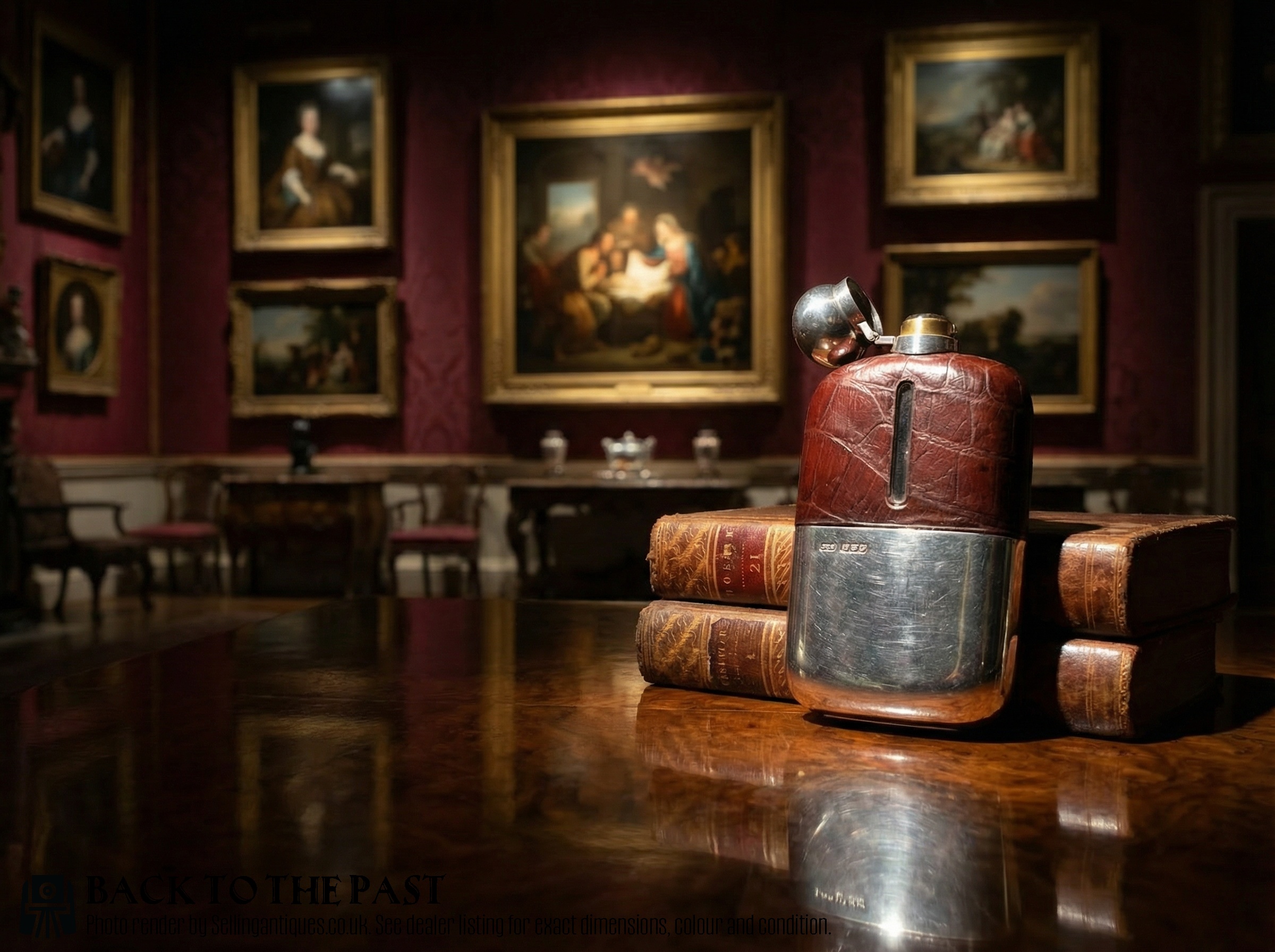
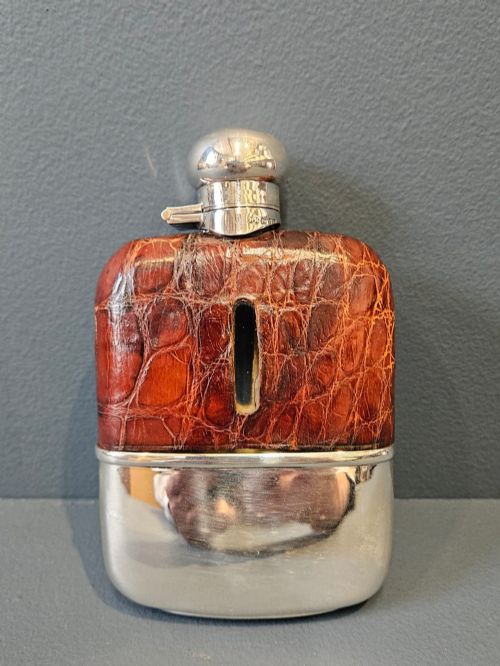
James Dixon Solid Silver Crocodile Hip Flask. Hallmarked Sheffield 1909, 1900
Priced at £525 from Deco Interiors
The 2026 retail price guide for Antique Silver Hip Flasks is drawn from a proprietary archive of over 1.1 million retail prices indexed by Sellingantiques since 2003. This guide relies exclusively on their own internal data; no external sources or auction records are used.
Analysing nearly 25 years of UK antique market history alongside current retail values, the data indicates that typical UK retail prices for Antique Silver Hip Flasks range between £200 and £600. Entry-level prices generally fall under £200 and premium examples upwards of £600.
The gentle curve of the body is standard. It rests comfortably against the leg when slipped into a coat pocket.
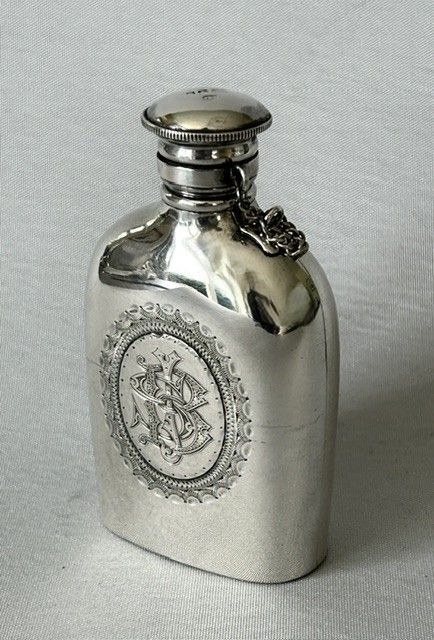
Captive tops keep the lid attached to the collar on a hinged arm. Dropping a loose lid in deep mud was an obvious risk.
Look for a removable lower section. Squeezing the side buttons releases a friction-fitted drinking cup.
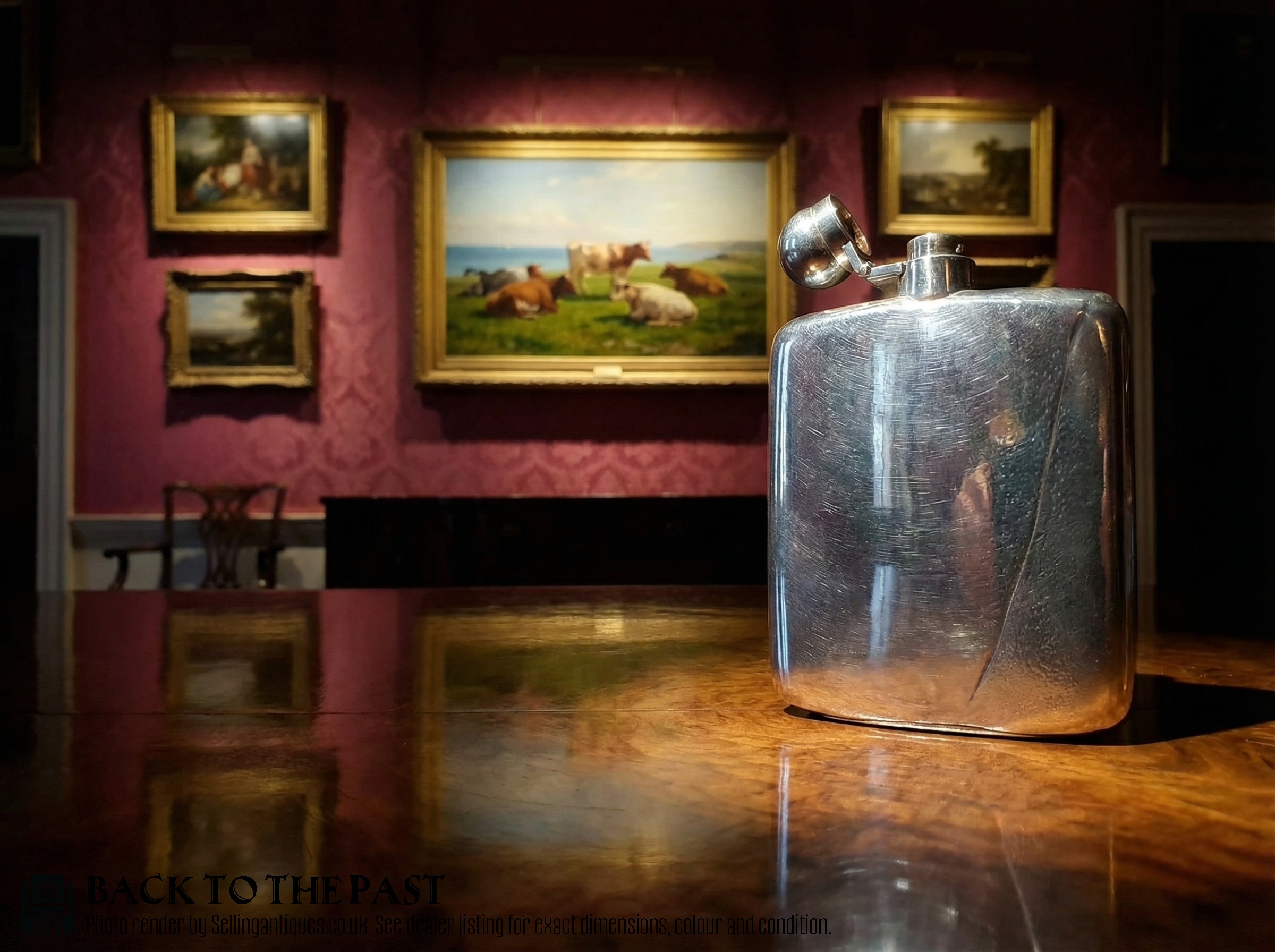
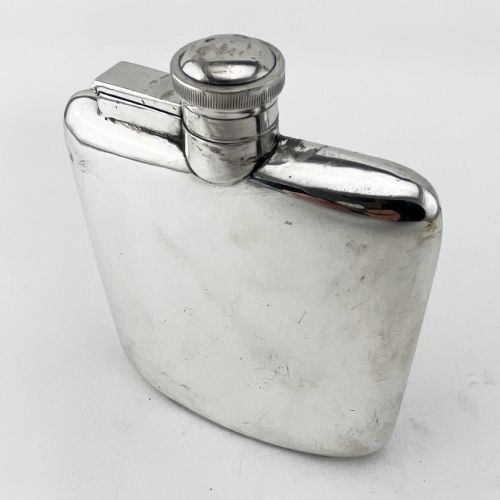
James Dixon & Sons Solid Silver Hip Flask, Hallmarked Sheffield 1944, 1940
Priced at £575 from Deco Interiors
Early silver bodies were seamed down the sides. Silversmiths soldered two stamped halves together and polished out the join.
Spun bodies emerged later. Craftsmen shaped a flat disc of silver over a rotating wooden former.
Cork seals relied on precision fitting. The collar rim had to press perfectly into the lid gasket to prevent leaks.
"Engine-turned patterns hide fingerprints well. The textured surface ensures a firm grip even with wet or gloved hands."
"Some designs feature hidden compartments. Small internal divisions allowed for two different types of spirit in one vessel."
"Hallmarks can appear on almost every component. Silversmiths often stamped each piece separately to comply with assay regulations."
Based on almost 25 years of Sellingantiques UK antique market data, Antique Silver Hip Flasks appeared 1398 times (out of 1,100,000 antiques) which gives it a rarity score of 76/100.
This score measures scarcity within the Sellingantiques archive only and is not a survey of the entire antiques market, so these statistics may not be indicative of the general availability of Antique Silver Hip Flasks elsewhere.
Rinse the interior with warm water and a little mild dish soap. Swirl it around gently and pour it out.
Dry it by leaving the lid off for a few days in a warm room. Never use harsh chemical descalers on silver.
Old bayonet fittings seize up when the cork gasket swells or sticky residue hardens in the threads. Force will snap the captive arm.
Wrap a warm damp cloth around the collar for ten minutes to soften any dried alcohol. A few drops of penetrating oil applied with a pin directly to the joint often frees a stubborn mechanism.
Yes. As long as the interior is clean and the seal holds fluid.
Avoid storing acidic liquids like fruit juice in them. Spirits are fine for short trips.
Slip cups rely on friction to stay in place. Over years of use the silver stretches slightly or wears down the contact points on the main body.
Silversmiths often lined the inside of the cup with a thin wash of gilding. Re-gilding or gently adjusting the cup profile restores that tight fit.
Take it to a silver specialist. They reshape the metal without cracking the side seams.
Please note: This Antique Silver Hip Flasks guide and its associated pricing data are provided for general informational purposes only. It does not constitute formal financial, investment, or appraisal advice and should not be relied upon as the sole basis for any commercial activity, purchasing, or sales decisions. Sellingantiques.co.uk accepts no liability for any actions taken in reliance on this information. Always consult with a qualified professional or independent appraiser.
