


A 2026 Guide by Sellingantiques
Spanning the reigns of four Georges and William IV, the period stretches over a century.
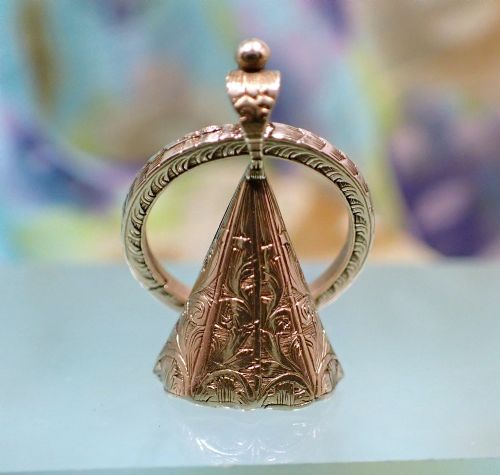
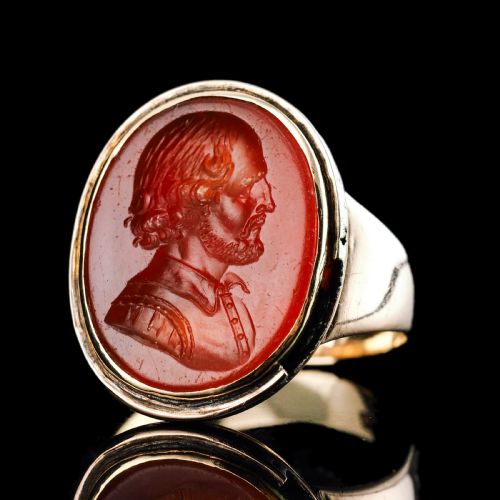
Look at early pieces and you will spot quite heavy, ornate designs.
Later styles shifted towards lighter metalwork as tastes evolved alongside neoclassical fashion.
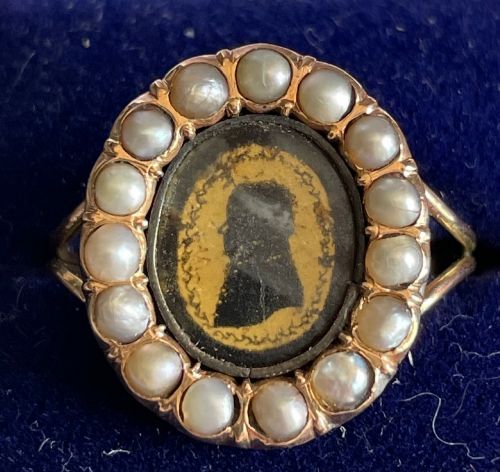
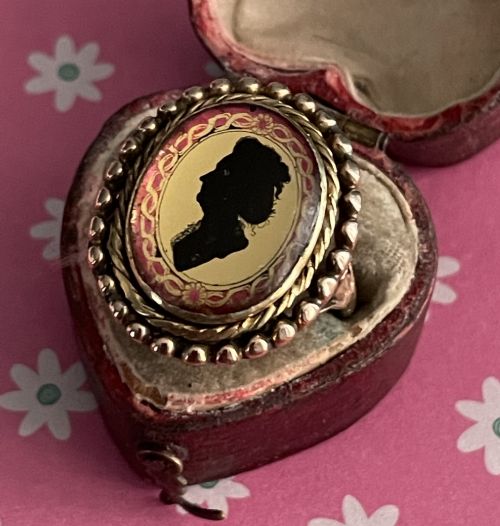
Mourning rings became common during these years, often containing woven hair.
Many examples were taken apart and remade as necklines changed or new gemstone cuts appeared.
Rundell, Bridge & Rundell held royal warrants and produced major commissions for the court.
Most Georgian jewellery carries no maker's mark at all, leaving specific attributions quite difficult.
Provincial jewellers across Britain created thousands of pieces using whatever gems merchants brought into local ports.
The 2026 retail price guide for Georgian Jewellery is drawn from a proprietary archive of over 1.1 million retail prices indexed by Sellingantiques since 2003. This guide relies exclusively on their own internal data; no external sources or auction records are used.
Analysing nearly 25 years of UK antique market history alongside current retail values, the data indicates that typical UK retail prices for Georgian Jewellery range between £400 and £2,400. Entry-level prices generally fall under £400 and premium examples upwards of £2,400.
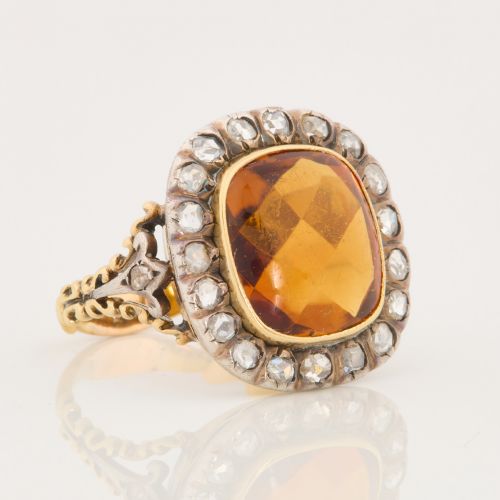
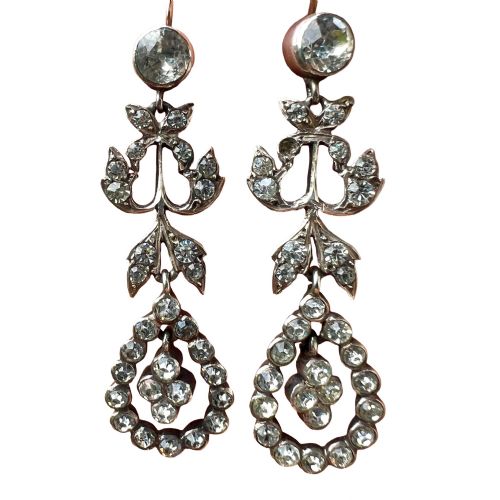
Foil backing sits right behind the gemstones to catch candlelight and boost their colour.
Cannetille wirework shows up frequently on later Georgian jewellery as delicate, curled gold threads.
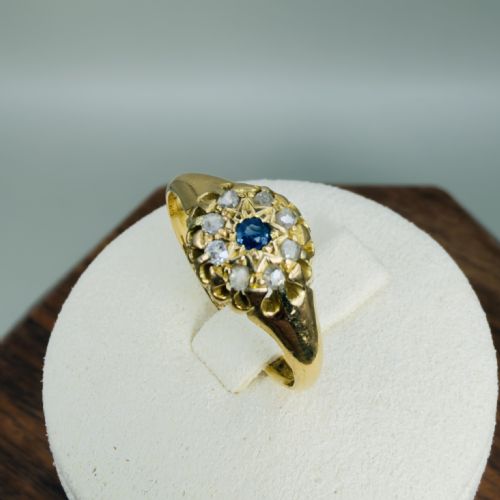
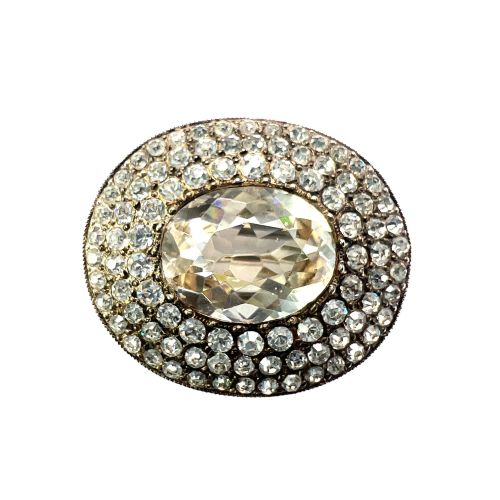
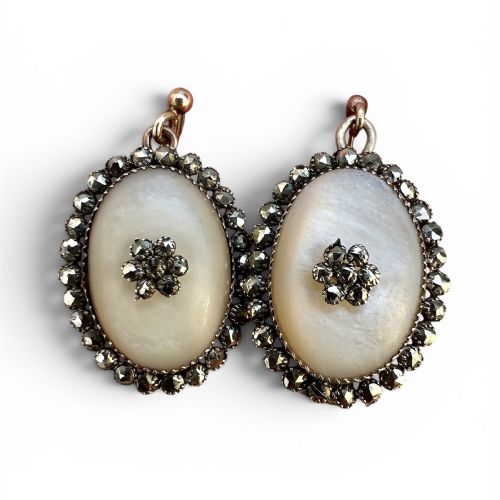
Pay attention to the cut of the diamonds, which are usually rose cut or old mine cut.
Craftsmen rolled their own sheets of gold by hand before drawing wire through metal plates.
Stones were cut by eye rather than exact mathematical formula, giving them a distinct, asymmetrical appearance.
Rivets sometimes pin separate sections together, avoiding the heat of solder on complex enamelled areas.
"Jewellers crafted paste stones as a respected art form rather than a cheap imitation."
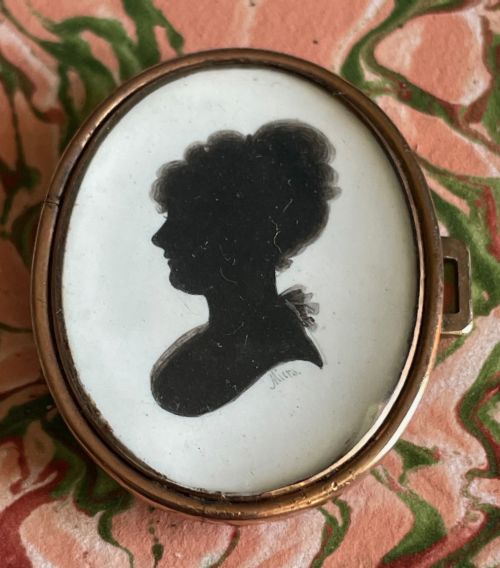
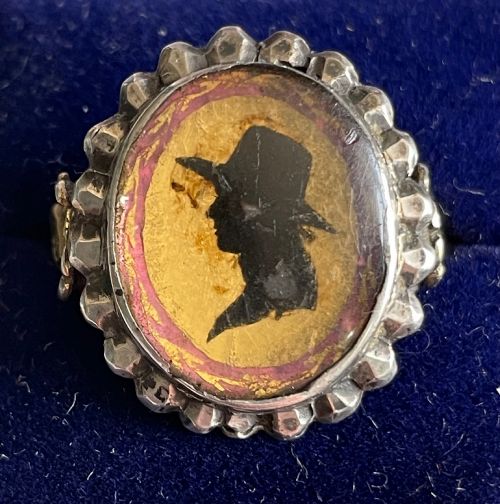
"Pieces sometimes feature hidden compartments behind miniatures to store tiny love tokens securely."
"Day-to-night necklaces converted easily by detaching large drops, making them highly versatile for different social events."
Based on almost 25 years of Sellingantiques UK antique market data, Georgian Jewellery appeared 1713 times (out of 1,100,000 antiques) which gives it a rarity score of 71/100.
This score measures scarcity within the Sellingantiques archive only and is not a survey of the entire antiques market, so these statistics may not be indicative of the general availability of Georgian Jewellery elsewhere.
Keep water away from them.
The stones sit in closed settings over foil. Moisture seeps behind the metal and ruins the foil colour. Use a soft dry brush to remove dust instead.
Hair was often kept as a personal memento. People wore it to remember living relatives who lived far away, not just those who had died.
Jewellers offered catalogues of different weaving patterns. The hair was curled or laid flat beneath crystal or glass. It served as a sentimental token during an era when travel was slow.
It depends on the specific construction.
Plain gold bands without enamel take well to standard resizing. Complicated shanks covered in chasing or intricate wirework lose their pattern if heated or stretched.
Any heat applied near closed settings risks burning the foils behind the gems. A specialist needs to assess the heat tolerance of the piece before attempting alterations.
Pinchbeck is an alloy of copper and zinc invented by Christopher Pinchbeck in the early eighteenth century.
It mimics the colour and weight of gold well without tarnishing as quickly as ordinary brass. The formula remained a guarded family secret for decades.
Travellers sometimes wore pinchbeck pieces on stagecoaches to protect their fine jewellery from highwaymen.
Please note: This Georgian Jewellery guide and its associated pricing data are provided for general informational purposes only. It does not constitute formal financial, investment, or appraisal advice and should not be relied upon as the sole basis for any commercial activity, purchasing, or sales decisions. Sellingantiques.co.uk accepts no liability for any actions taken in reliance on this information. Always consult with a qualified professional or independent appraiser.
