
A 2026 Guide by Sellingantiques
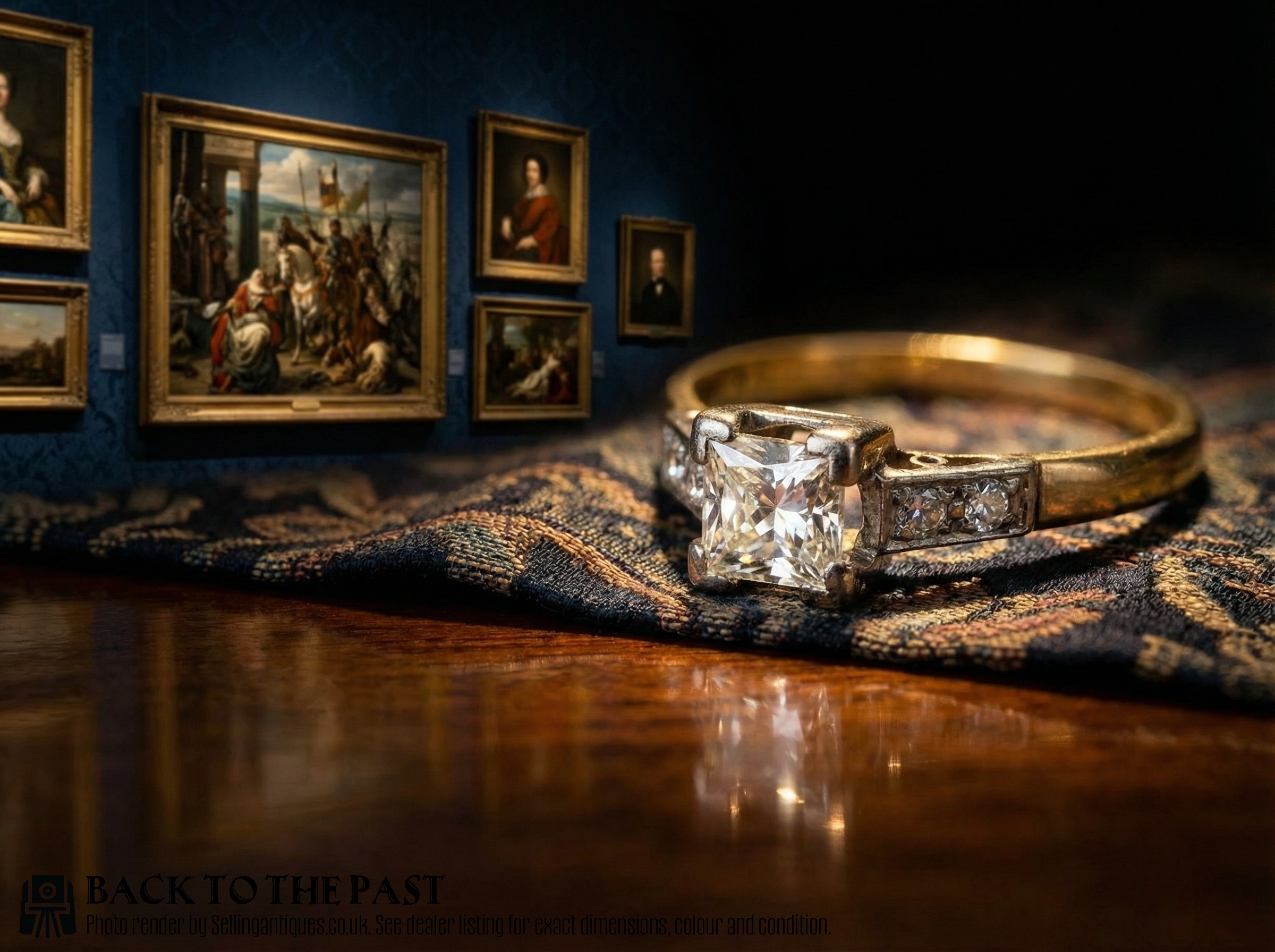
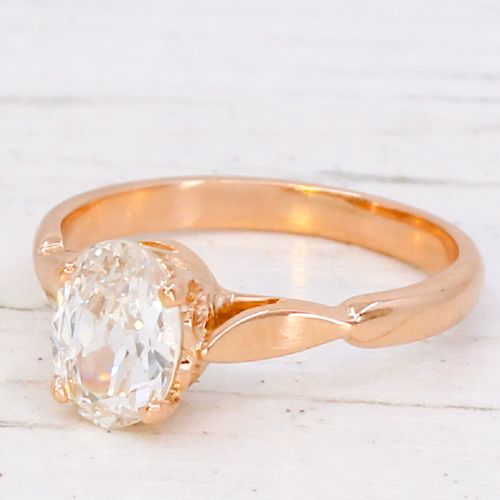
Certified Diamond Solitaire Platinum and Gold Engagement Ring, 1960
Priced at £1,750 from CJ Antiques
Roman couples often used simple iron hoops to seal a marriage contract.
Setting diamonds into antique engagement rings became an established tradition among European nobility during the late fifteenth century.
Don't ignore early Victorian bands; they often carry sentimental motifs like intertwined snakes.
Advances in metalwork allowed Edwardian jewellers to create fine, lace-like platinum settings.
Art Deco designers moved toward strict geometric shapes and strong colour contrasts.
Tiffany popularised the raised six-prong solitaire mount in the late nineteenth century.
Cartier produced influential geometric platinum designs during the Art Deco period.
Don't assume a ring without hallmarks is new. Countless antique engagement rings carry no maker's mark at all, having been produced by skilled anonymous craftsmen working in small provincial towns.
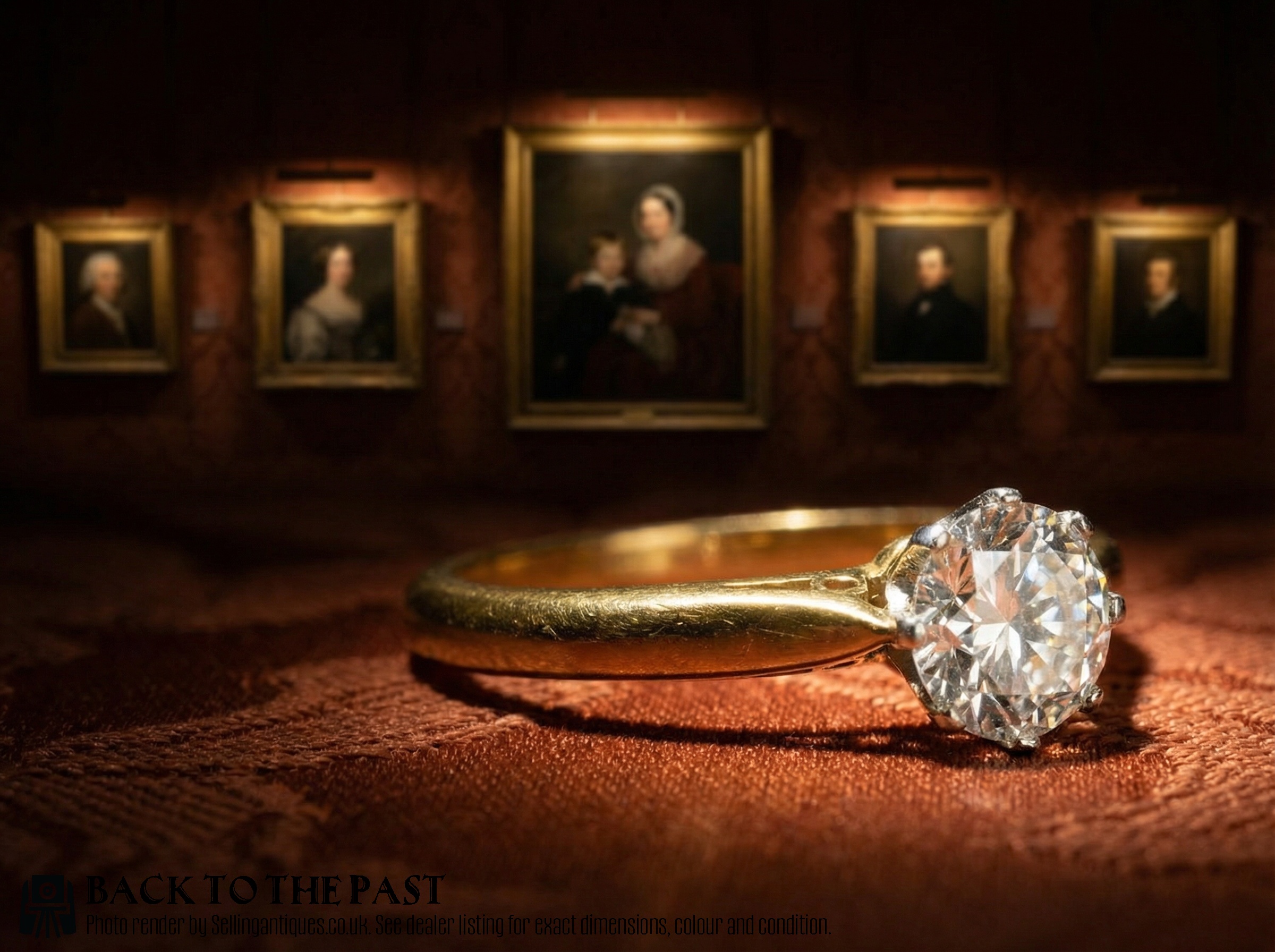
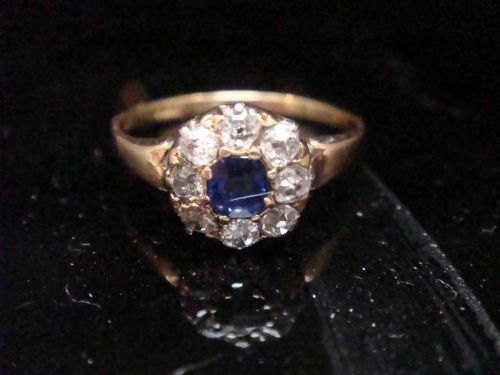
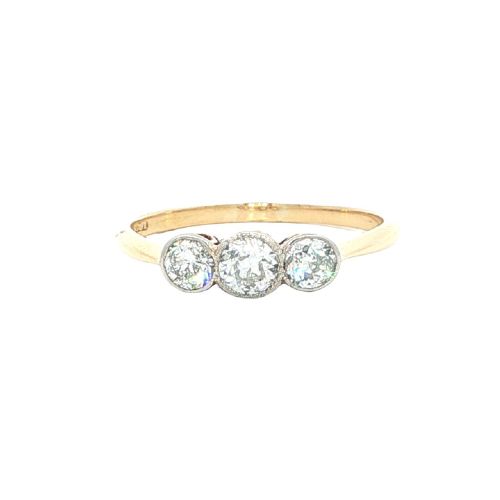
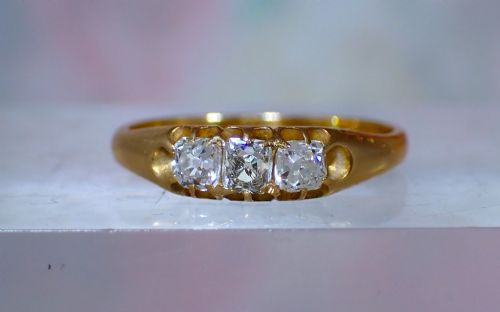
Certified 0.76ct F Colour Vvs2 Solitaire Diamond and Platinum/18ct Yellow Gold Engagement Ring, 1940
Priced at £3,650 from CJ Antiques
The 2026 retail price guide for Antique Engagement Rings is drawn from a proprietary archive of over 1.1 million retail prices indexed by Sellingantiques since 2003. This guide relies exclusively on their own internal data; no external sources or auction records are used.
Analysing nearly 25 years of UK antique market history alongside current retail values, the data indicates that typical UK retail prices for Antique Engagement Rings range between £1,200 and £8,000. Entry-level prices generally fall under £1,200 and premium examples upwards of £8,000.
Older diamond cuts display a softer sparkle under low light than their modern equivalents.
Examine the shoulders of the band for intricate hand-engraved details or pierced openwork.
Rows of tiny metal beads called milgrain often frame the stones and soften the harsh metal edges.

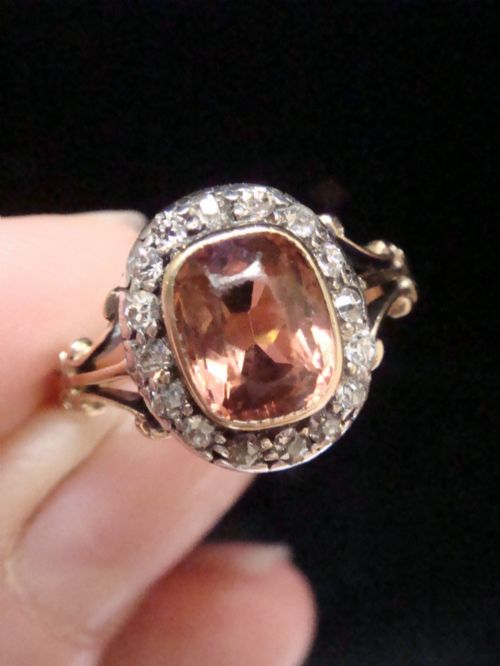
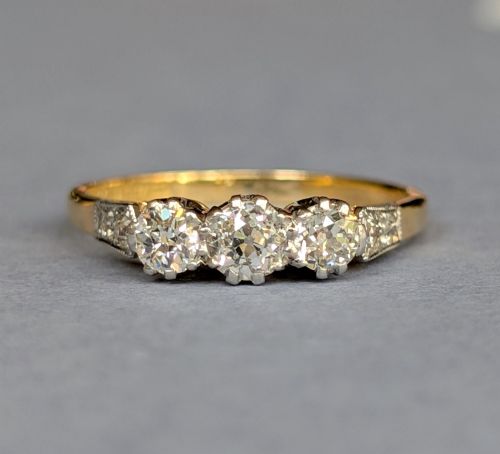
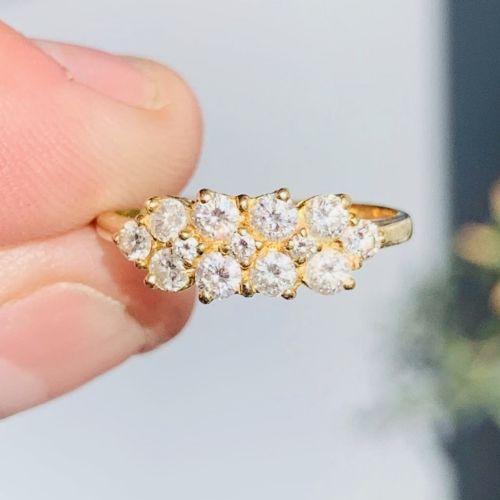
Vintage 0.59 Carat Old Cut Diamond Engagement Ring, Circa 1935, 1930
Priced at £2,600 from Gatsby Jewellery Ltd
Many early antique engagement rings began as crude shapes cast in basic moulds, before receiving their final finish at the bench.
Notice the stones. Lapidaries shaped old mine cut diamonds entirely by hand, creating asymmetrical cushions with high crowns.
Drilling allowed Edwardian bench jewellers to cut lace patterns straight from a solid metal sheet.
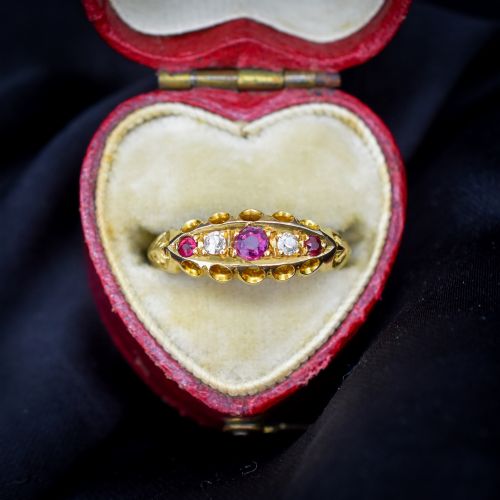
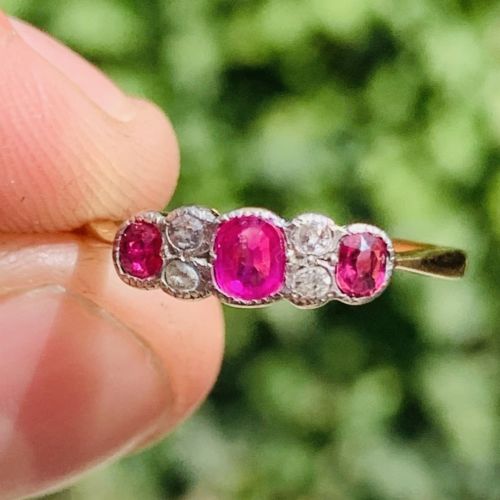
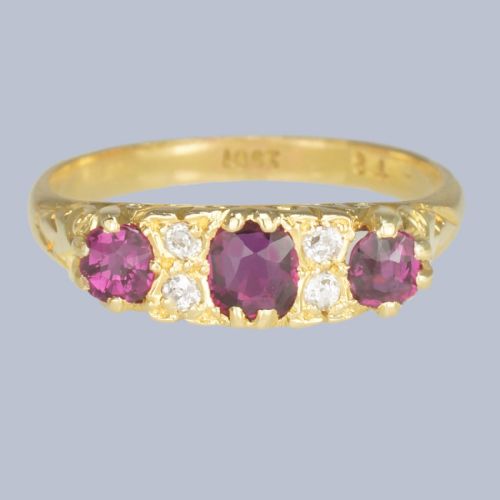
"Sapphires and rubies served as the standard choice for couples long before diamonds took over."
"Look closely for hidden secrets. Some Victorian pieces feature small glazed compartments tucked beneath the central gallery, designed to hold a token of affection."
"Rose-cut diamonds sit flat on the finger, featuring a faceted dome designed specifically to sparkle under low candlelight."
Based on almost 25 years of Sellingantiques UK antique market data, Antique Engagement Rings appeared 3034 times (out of 1,100,000 antiques) which gives it a rarity score of 55/100.
This score measures scarcity within the Sellingantiques archive only and is not a survey of the entire antiques market, so these statistics may not be indicative of the general availability of Antique Engagement Rings elsewhere.
Most antique bands tolerate resizing up or down a few sizes without trouble. A skilled bench jeweller cuts the shank, adds or removes a section of matching metal, and solders it closed again.
Keep in mind that rings with intricate engraving all the way around the band pose a problem. Sizing these usually disrupts the pattern, so it's a trade-off.
Older diamonds were cut by hand before the invention of modern proportions. These cuts emphasise a soft glow rather than the sharp light you see in contemporary stones.
Dirt also plays a large role. Antique mounts with closed backs trap soap and oils behind the stone over decades, deadening the light return.
Have a jeweller check the setting before cleaning. If the metal is secure, a gentle wash often brings the stone back to life.
Warm water, a drop of mild dish soap, and a soft baby toothbrush shift most dirt. Gently brush behind the setting where dust gathers.
Don't soak rings with foil-backed stones or seed pearls. Water seeps behind these settings and ruins the materials.
Platinum is a dense and durable metal, which is why Edwardian jewellers trusted it for such delicate pierced designs. It resists wearing thin much better than gold does over a long period.
That said, the metal on century-old pieces is often thin to begin with. Heavy manual work crushes a fragile gallery or bends a slender shank out of round. Take them off before doing heavy lifting.
Please note: This Antique Engagement Rings guide and its associated pricing data are provided for general informational purposes only. It does not constitute formal financial, investment, or appraisal advice and should not be relied upon as the sole basis for any commercial activity, purchasing, or sales decisions. Sellingantiques.co.uk accepts no liability for any actions taken in reliance on this information. Always consult with a qualified professional or independent appraiser.
