
A 2026 Guide by Sellingantiques
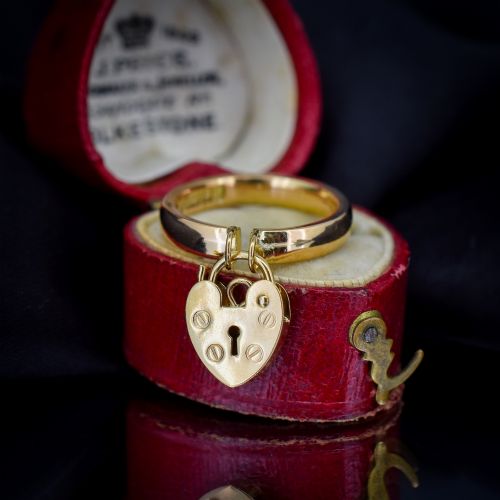
Queen Victoria popularised the wearing of antique charms among the wealthy classes.
Soldiers brought back small trinkets from continental Europe during the early twentieth century.
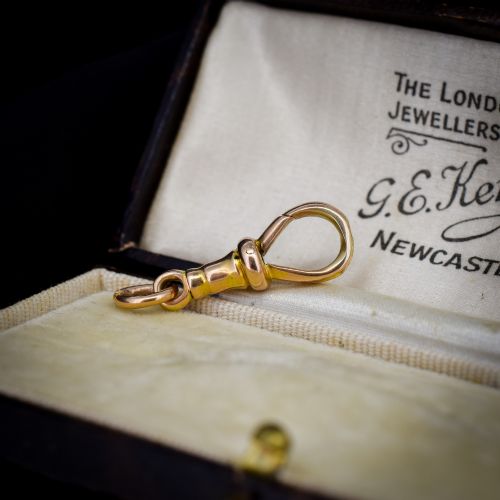
Look at the transition from functional fob weights to purely decorative items.
Mourning pieces often contained woven hair to remember deceased relatives.
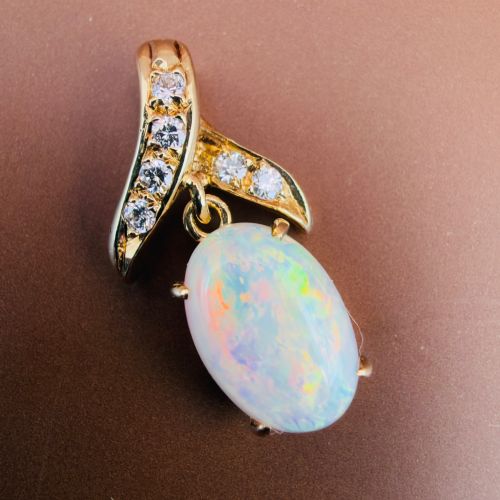
Changing fashions meant many older pendants were melted down during wartime scrap drives.
Walter Lampl operated in New York from the 1920s to the 1950s.
Nuvo produced silver novelties in England during the mid-twentieth century.
Find marks for Thomas L. Mott on reverse-painted butterfly wing pieces from the 1920s.
The 2026 retail price guide for Antique Charms is drawn from a proprietary archive of over 1.1 million retail prices indexed by Sellingantiques since 2003. This guide relies exclusively on their own internal data; no external sources or auction records are used.
Analysing nearly 25 years of UK antique market history alongside current retail values, the data indicates that typical UK retail prices for Antique Charms range between £200 and £1,500. Entry-level prices generally fall under £200 and premium examples upwards of £1,500.
Articulated sections move freely on tiny internal hinges or wire loops.
Hidden compartments sometimes open to reveal folded photographs or tiny carved figures.
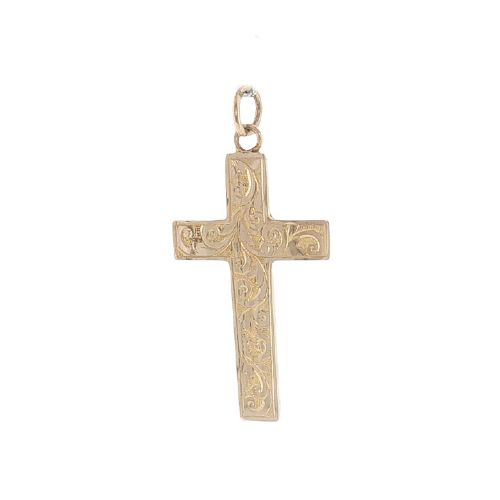
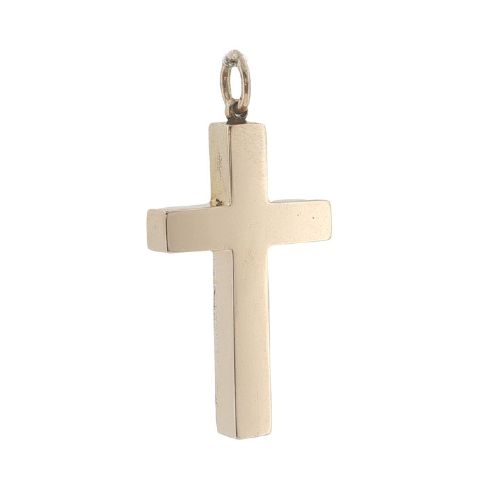
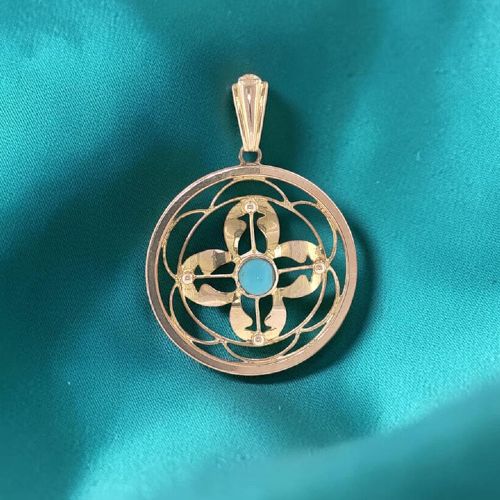
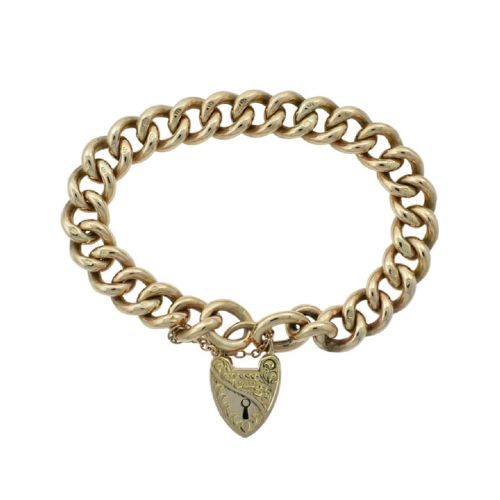
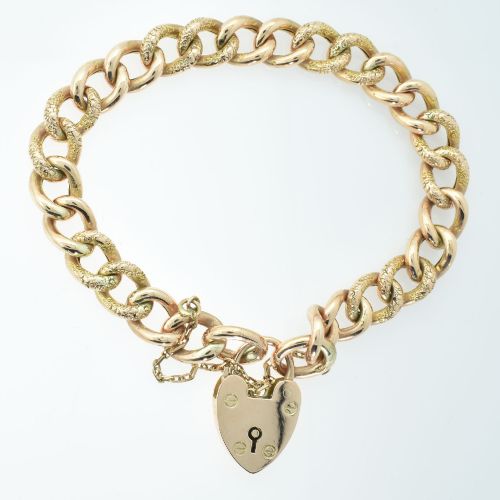
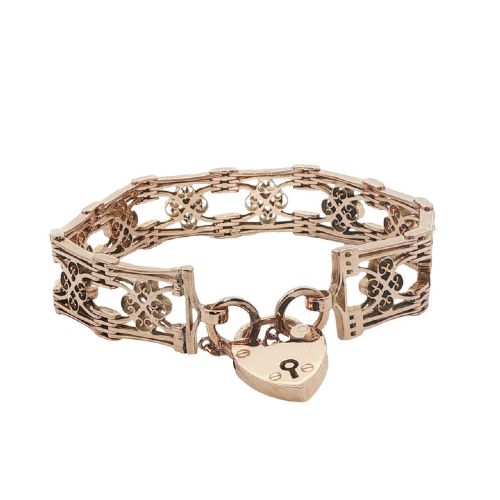
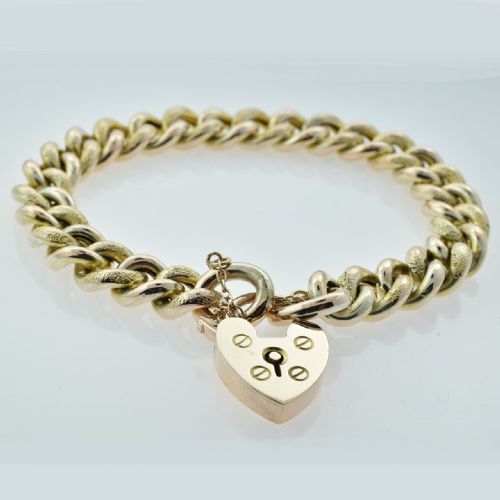
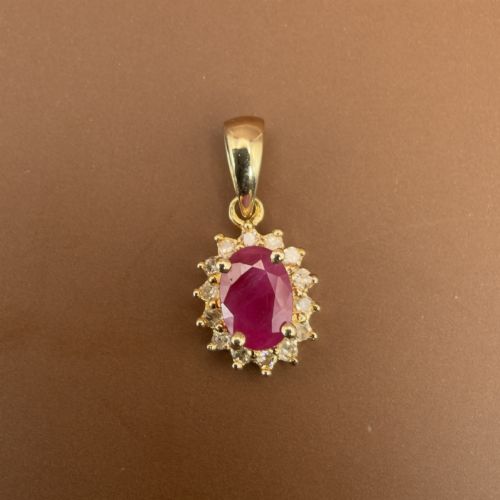
Notice the jump ring at the top where the piece connects to a bracelet.
Early pieces were individually cast in small moulds and finished by hand.
Die-stamping became common later to create hollow shapes from thin metal sheets.
Look for solder seams. Joining these stamped halves together forms a lightweight three-dimensional object.
"Miniature mechanical pencils actually write when twisted to expose the hidden graphite."
"Tiny compasses inset into silver ship wheels often still point accurately to magnetic north."
"Some hollow gold examples hold miniature dice that roll out when a catch releases."
Based on almost 25 years of Sellingantiques UK antique market data, Antique Charms appeared 4159 times (out of 1,100,000 antiques) which gives it a rarity score of 44/100.
This score measures scarcity within the Sellingantiques archive only and is not a survey of the entire antiques market, so these statistics may not be indicative of the general availability of Antique Charms elsewhere.
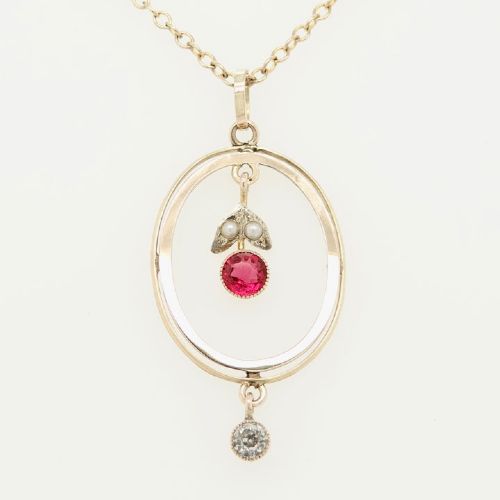
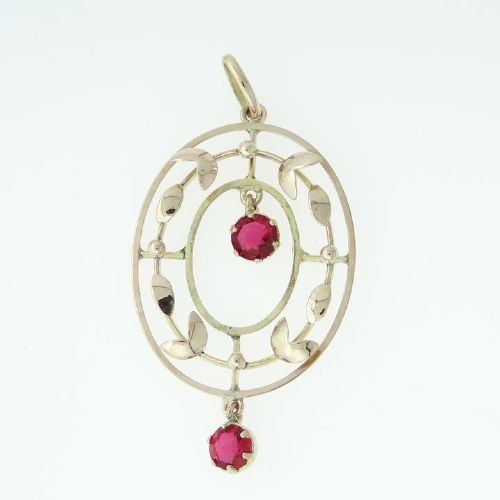
Look closely at the edges of the coloured sections under a loupe. You might see small white patches where the glass has chipped away from the metal base.
Run your fingernail gently over the surface. It should feel smooth, but rough catches often indicate surface loss.
A soft jeweller's cloth is the safest way to remove surface tarnish. Rub each piece gently without pulling at the delicate jump rings.
Avoid liquid dips and ultrasonic cleaners. These liquids can seep into hollow sections or dissolve old glue holding stones.
Leaving dark oxidation in the crevices helps the details stand out.
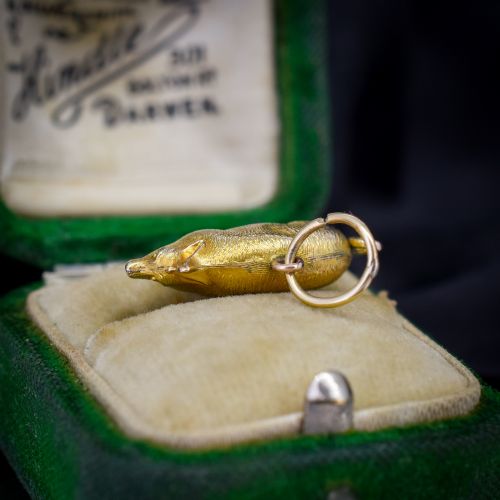
It means the piece has moving parts. You often see fish with jointed bodies or tiny figures with arms that swing on pins.
These require careful handling. The small joints wear down over decades of rubbing against other items.
Those are likely hallmarks applied by assay offices. They indicate the metal purity, the location where it was tested, and the date it was marked.
You need a jeweller's loupe to read them clearly. Some marks are just a maker's initials or a simple stamp used in certain regions.
Please note: This Antique Charms guide and its associated pricing data are provided for general informational purposes only. It does not constitute formal financial, investment, or appraisal advice and should not be relied upon as the sole basis for any commercial activity, purchasing, or sales decisions. Sellingantiques.co.uk accepts no liability for any actions taken in reliance on this information. Always consult with a qualified professional or independent appraiser.
