
A 2026 Guide by Sellingantiques
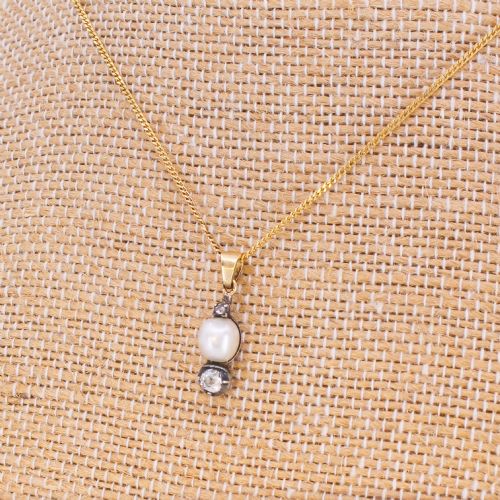
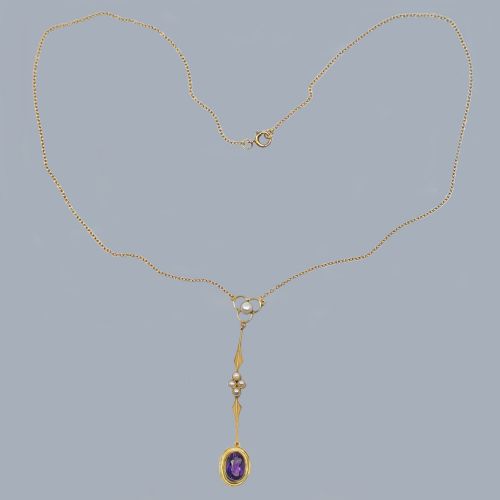
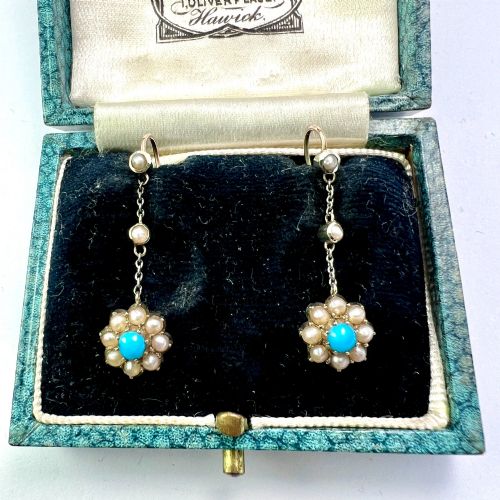
King Edward VII reigned from 1901 to 1910. The style of Edwardian jewellery often stretches up to the start of the First World War.
Society moved away from the heavy mourning pieces of the late Victorian era. Look for a lighter aesthetic reflecting a brief period of opulence.
Court presentations required specific dress codes. Tiaras and matching parures became essential for wealthy women attending formal gatherings.
French designers led the fashion. London jewellers quickly adopted these Parisian garland styles to satisfy British clients.
Advances in technology changed the trade. The invention of the oxyacetylene torch allowed workshops to manipulate platinum on a commercial scale.
Cartier operated in London from 1902 onwards. They dominated the upper market, crafting complex platinum tiaras and garland-style necklaces for the royal court.
Fabergé maintained a London branch between 1903 and 1915. Wealthy clients bought their enamelled accessories and stone-set pendants.
Regional British firms also thrived. Many unsigned pieces of Edwardian jewellery come from skilled Birmingham workshops that supplied the major London retailers.
The 2026 retail price guide for Edwardian Jewellery is drawn from a proprietary archive of over 1.1 million retail prices indexed by Sellingantiques since 2003. This guide relies exclusively on their own internal data; no external sources or auction records are used.
Analysing nearly 25 years of UK antique market history alongside current retail values, the data indicates that typical UK retail prices for Edwardian Jewellery range between £300 and £2,900. Entry-level prices generally fall under £300 and premium examples upwards of £2,900.
The garland motif appears constantly. You will spot ribbons, bows, and laurel wreaths looped together in symmetrical patterns across most brooches.
Millegrain edges are a classic sign. This tiny beaded texture along the metal borders softens the lines and makes the piece catch more light.
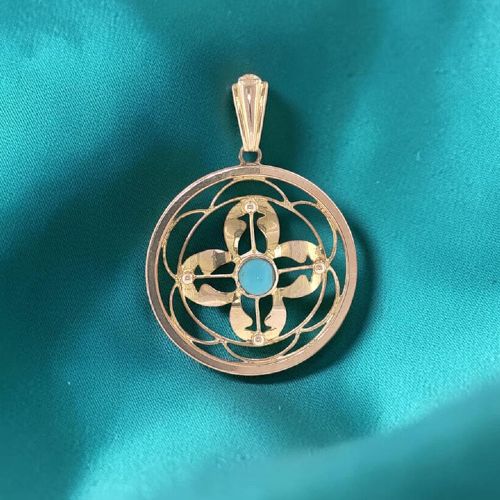
Openwork characterises the better Edwardian jewellery. Metal is pierced or cut away to leave a delicate structure resembling lace rather than solid plate.
Craftsmen moved away from heavy cast gold. They started piercing thin sheets of platinum by hand using very fine jeweller's saws.
Setting styles changed to hide the metal. Stones were held by tiny claws or pushed into millegrain borders to keep the focus on the gems.
Articulated joints became more sophisticated. Pendants and long earrings feature hidden hinges that allow the stones to move and catch the light.
"The white-on-white aesthetic was partly designed to complement the pastel silks and lace dresses popularised by Queen Alexandra."
"Many complex tiaras convert into necklaces. Jewellers built them on hidden screw frames so owners could wear them to different types of events."
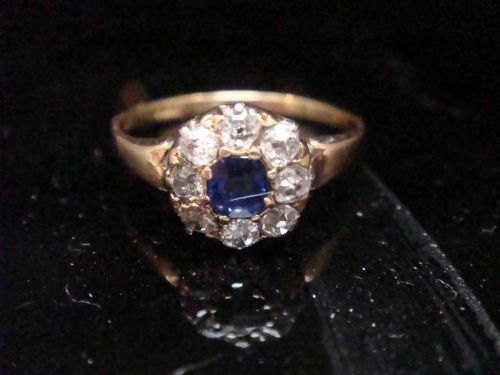
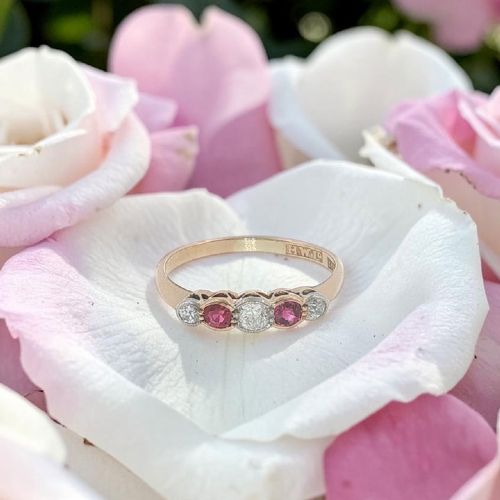
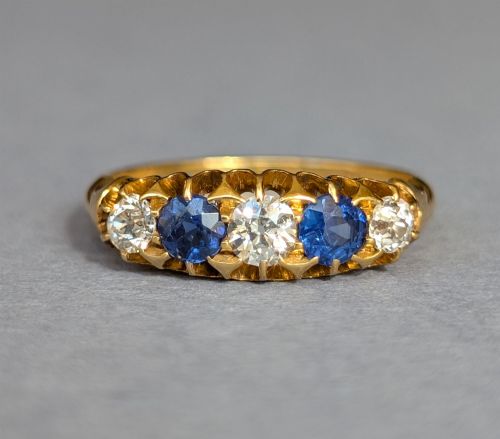
"Calibre-cut coloured stones frequently form tight borders around a main diamond. Cutters shaped each tiny sapphire or ruby specifically to fit the exact curve of the mount."
Based on almost 25 years of Sellingantiques UK antique market data, Edwardian Jewellery appeared 9243 times (out of 1,100,000 antiques) which gives it a rarity score of 16/100.
This score measures scarcity within the Sellingantiques archive only and is not a survey of the entire antiques market, so these statistics may not be indicative of the general availability of Edwardian Jewellery elsewhere.
Platinum and diamond pieces take well to mild soapy water. Use a soft baby toothbrush to gently dislodge dirt behind the settings.
Rinse the ring carefully under warm water. Dry it with a lint-free cloth rather than leaving it to air dry.
Do not soak items that contain pearls or foil-backed stones. The water will damage them.
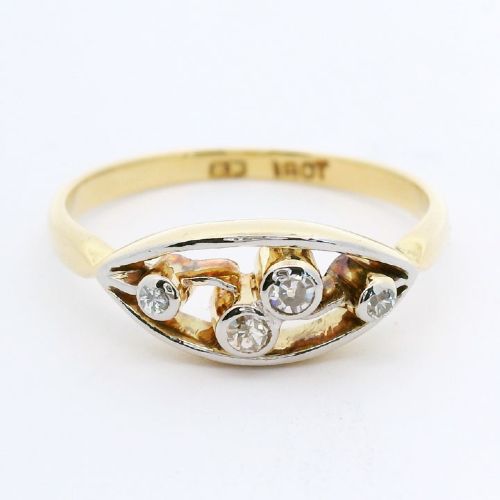
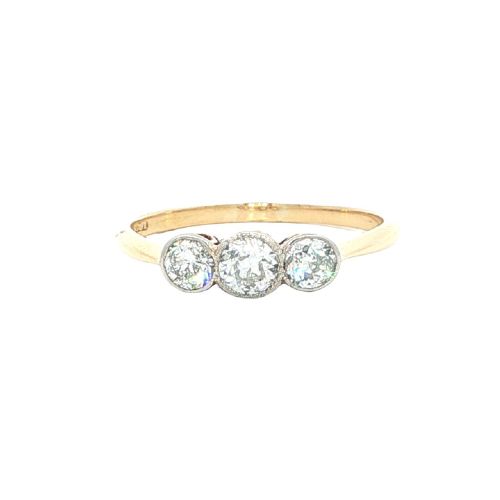
This layered technique is common for the era. Workshops often used gold for the back structure while applying a thin layer of platinum to the front.
The white metal front ensured the diamonds looked their best without picking up yellow reflections. The gold back kept the material costs down and provided structural strength.
Most rings from this period can be resized by a skilled craftsperson. The plain bands at the back make the process straightforward.
Take care if the ring has diamonds set all the way around the band. Altering these full eternity styles often disrupts the setting.
Silk thread stretches and weakens over time. Body oils and cosmetics speed up this deterioration.
Have the necklace checked and restrung every few years if you wear it often. A jeweller will knot the silk between each pearl so you only lose one if the string breaks.
Keep them away from hairspray and perfume. Put your pearls on last before leaving the house.
Please note: This Edwardian Jewellery guide and its associated pricing data are provided for general informational purposes only. It does not constitute formal financial, investment, or appraisal advice and should not be relied upon as the sole basis for any commercial activity, purchasing, or sales decisions. Sellingantiques.co.uk accepts no liability for any actions taken in reliance on this information. Always consult with a qualified professional or independent appraiser.
