
Antique Georgian Clocks
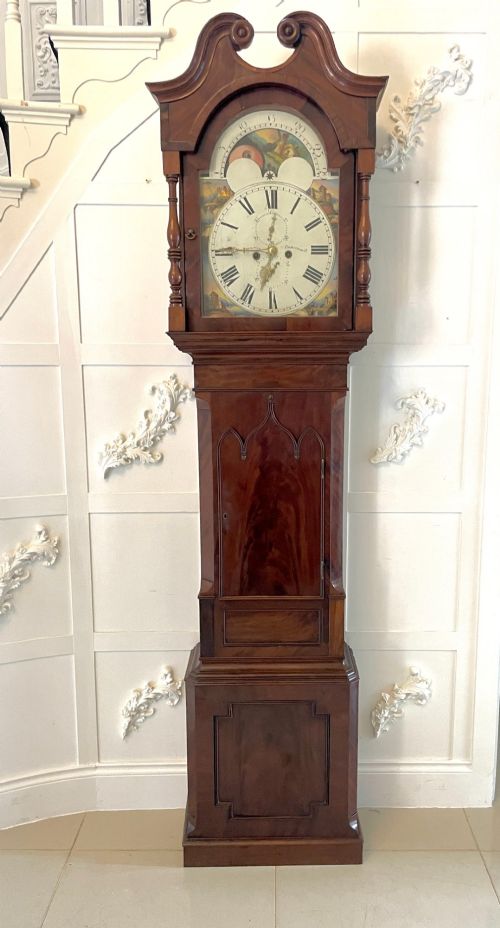
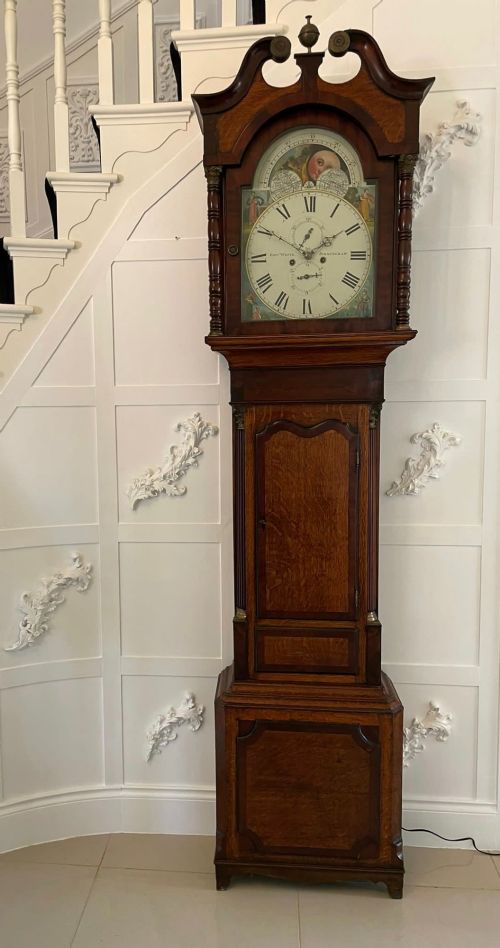
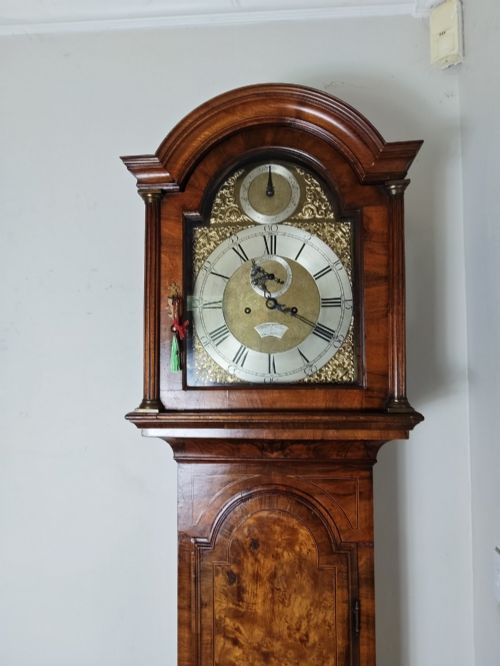
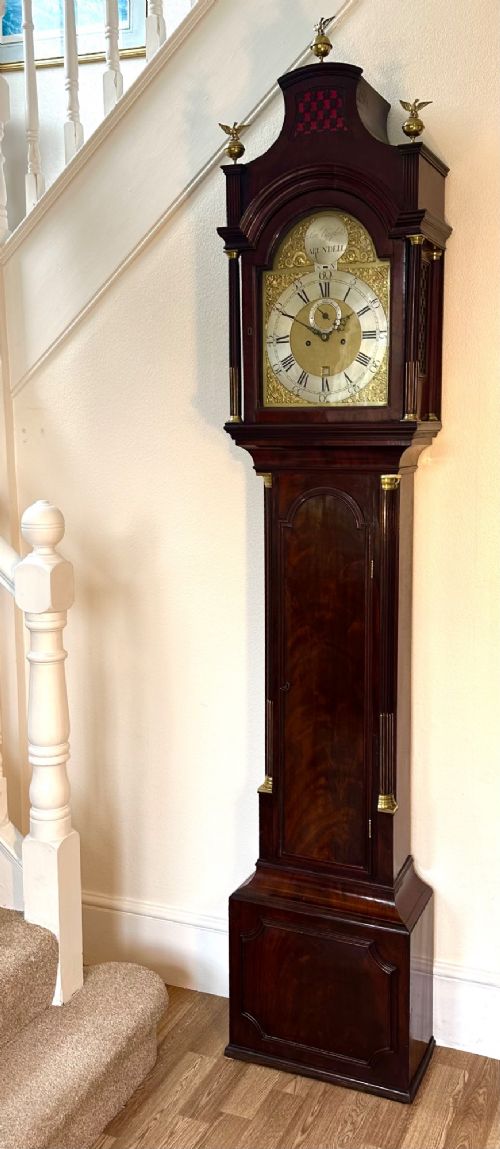
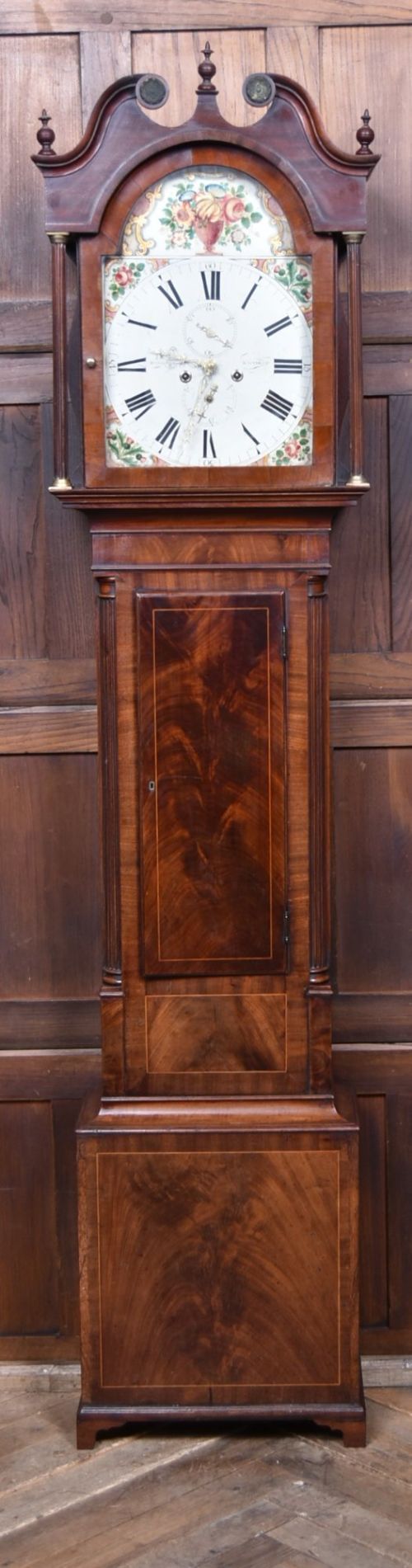
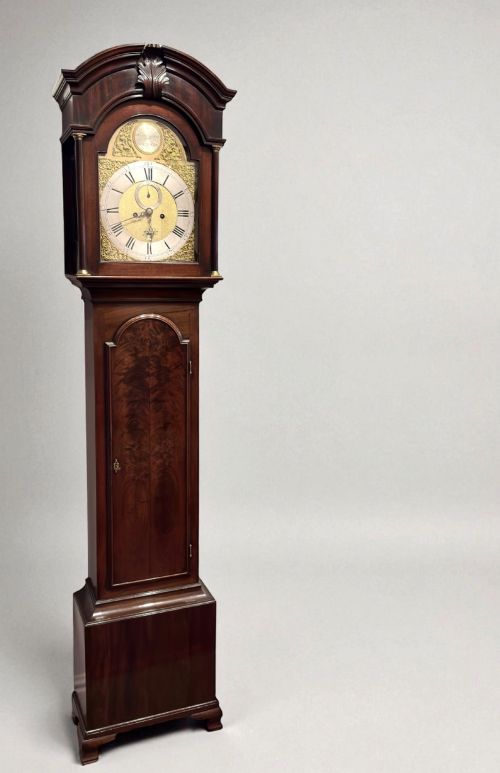
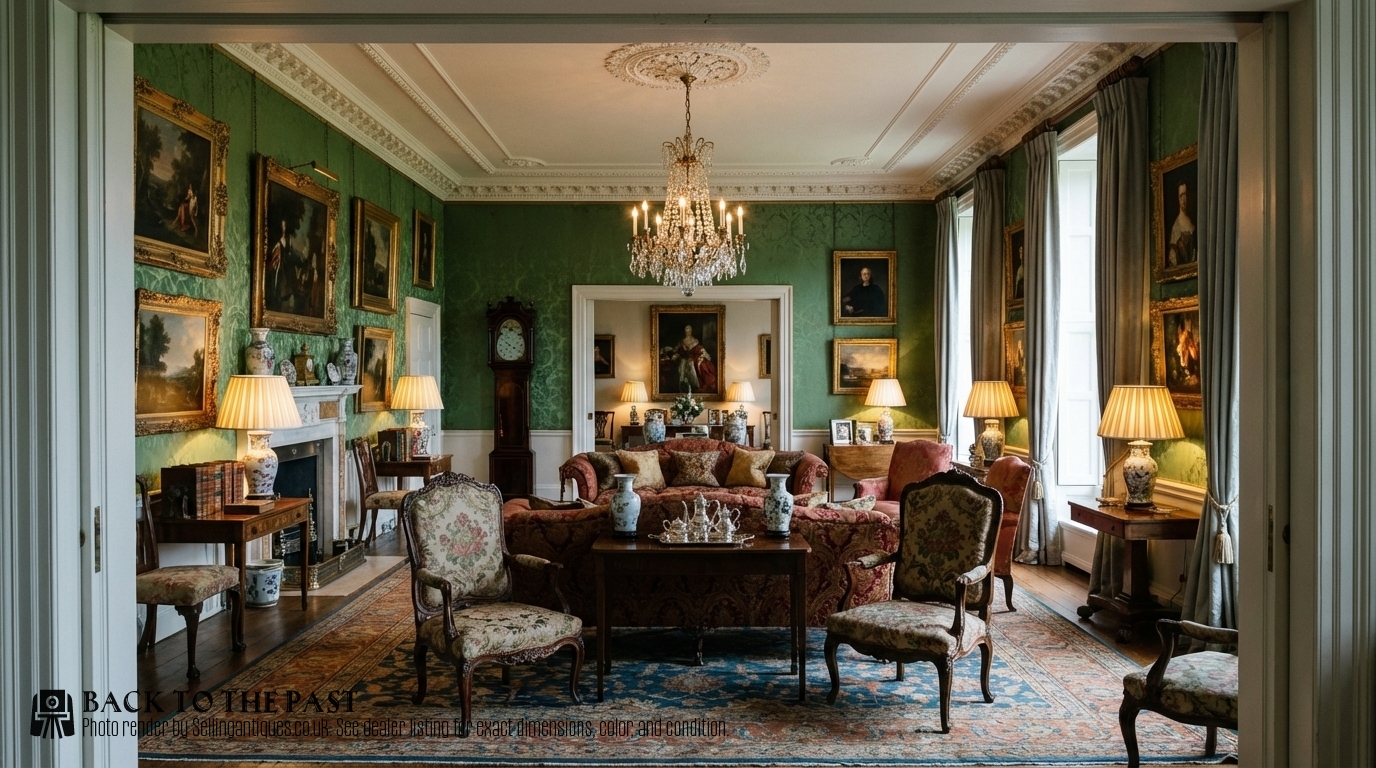
A Georgian clock on Sellingantiques is most often a tall weight-driven longcase in oak or mahogany, signed for a town, built to keep time in a hall or parlour.
Antique Georgian Clocks
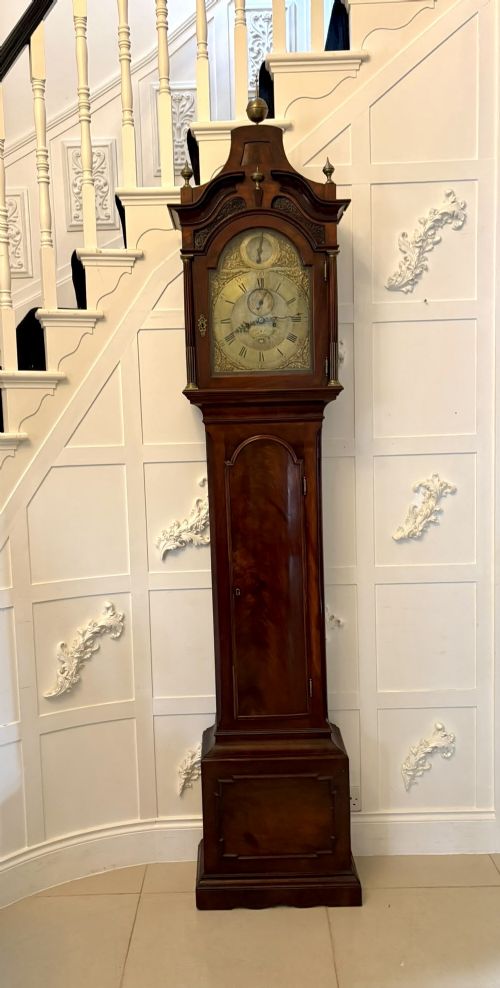
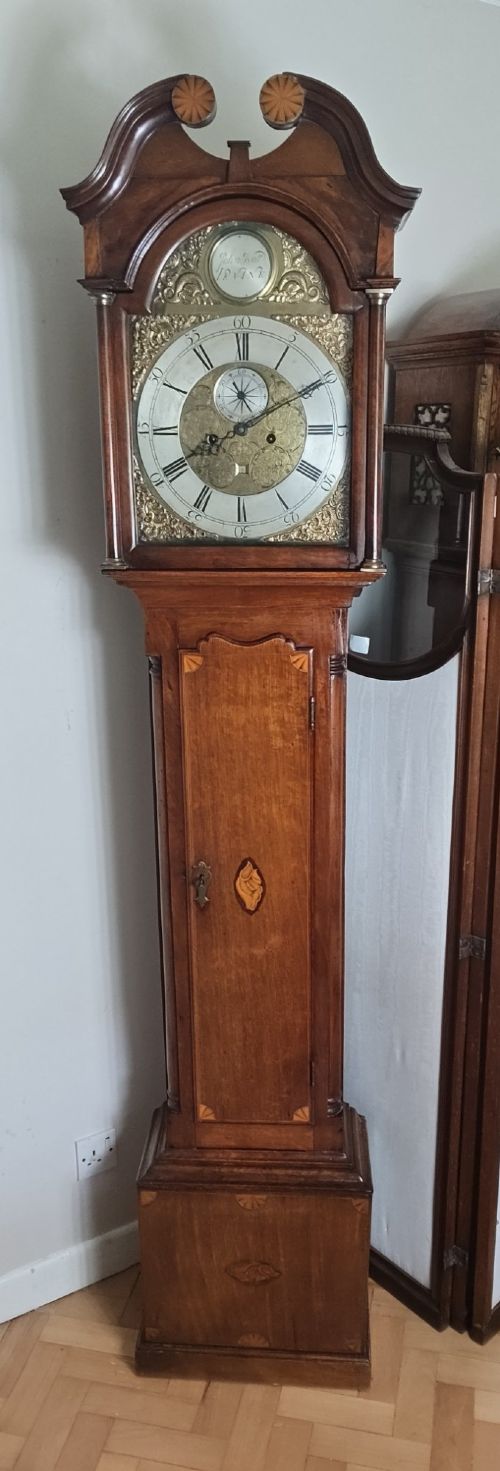
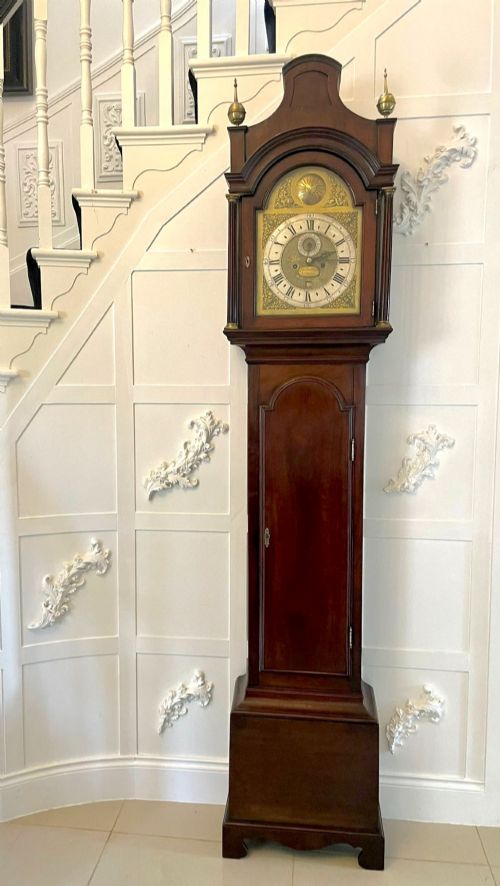
The heading covers three working types, and one dominates. Longcase clocks account for around half the titles on Sellingantiques, described as longcase, long case or grandfather depending on the dealer. They are weight-driven, running eight days or thirty hours between windings, standing in a hooded case tall enough to take a long pendulum and the fall of the weights.
Case wood splits the field. Mahogany is named in more titles than oak, with walnut and ebonised cases behind them. The form settled in later seventeenth-century England and was in ordinary production right through the Georgian period, which is why so many of these clocks read as variations on one design rather than separate ideas.
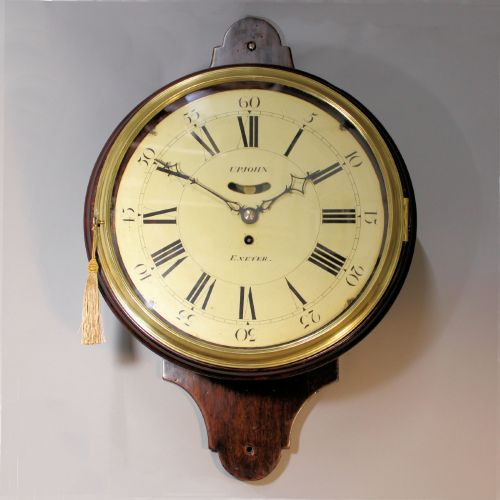
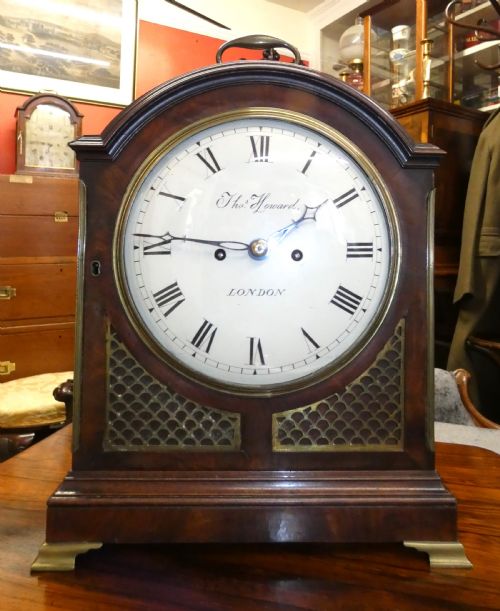
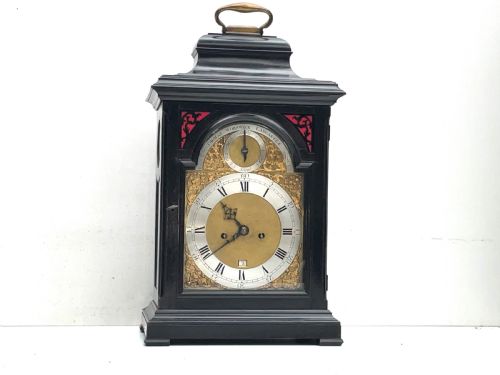
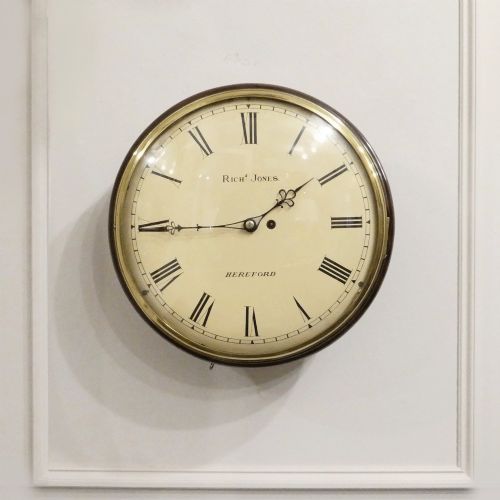
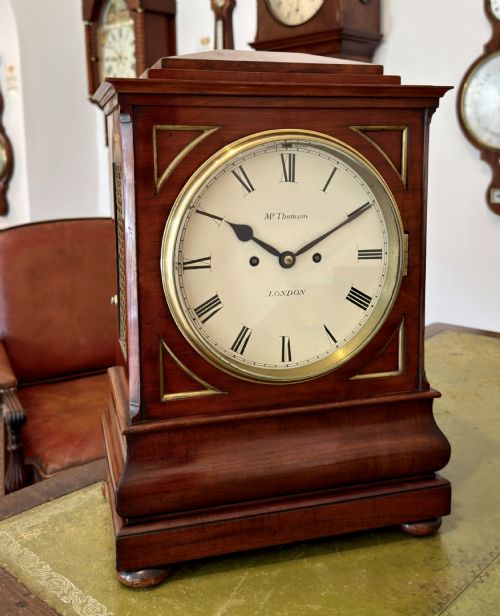
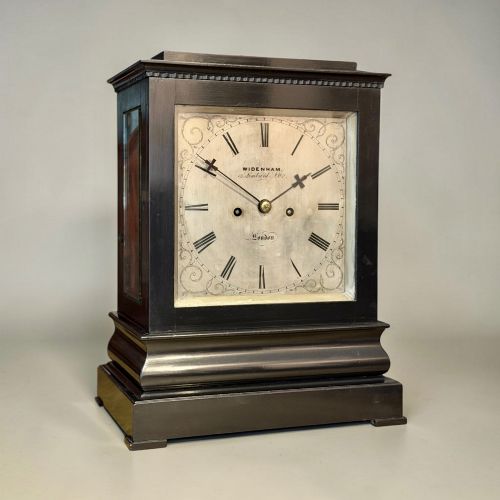
After the longcases come the spring-driven clocks. Fusee bracket and table clocks make up about a fifth of the category, the two words used interchangeably in titles, with verge escapements turning up on the earlier ones. Below that sit fusee dial and drop-dial wall clocks, plain round-dialled timekeepers made for public and commercial rooms, and a small run of mantel and library pieces.
Dating is loose. Of 936 listings only 212 carry a clean year, and Georgian alone is used as the date 321 times. The field runs from 1700 to 1930, so a tail of later cases described as Georgian-style sits alongside pieces of the period, together with undersized grandmother and cottage clocks that use their own trade vocabulary.

Where The Range Splits
Wood and surface do much of the sorting. Plain oak and pine cases sit at the bottom of the sampled range. Flame and figured mahogany, burr and red walnut, marquetry, chinoiserie and lacquered work cluster in the upper half, and an ebonised bracket case belongs with those rather than with the country oak.
What the movement does matters as much as what holds it. Thirty-hour and single-handed clocks are the plain end. Eight-day work climbs above them, and five-pillar movements, quarter striking, musical trains with eight bells, gridiron pendulums and triple fusees appear at the top. Moon dials, tidal dials and automata push a clock upward in the same way.
Then there is the signature and the date. London-signed work dominates the upper reaches, while provincial town signatures spread across the whole range from top to bottom. Cases titled Georgian style, or dated between 1900 and 1930, sit in the lower and middle bands whatever their wood.
Antique Georgian Clocks Retail Price Guide 2026
Typical UK retail prices for georgian clocks, calculated from the Sellingantiques database of over a million retail prices indexed since 2003. This retail price guide relies exclusively on Sellingantiques data; no external sources or auction records are used, so the figures do not describe the wider market.
The most expensive Georgian clock ever sold on Sellingantiques was an Irish longcase by Dan O'Neill of Dublin, in April 2017.
The Antique Georgian Clocks Glossary
- Longcase
- The tall floor-standing weight-driven clock, the same object dealers also call a grandfather clock; both spellings, longcase and long case, run through the titles.
- Eight-day / thirty-hour
- How long the movement runs between windings. Thirty-hour work, often with a single hand, sits at the simpler and cheaper end of the range.
- Fusee
- A spring-driven movement with a cone-and-chain drive, found on the bracket, mantel and dial wall clocks in this category.
- Drop dial
- A wall clock with a round dial and a boxed trunk hanging below it to house the pendulum.
- Chapter ring
- The ring carrying the hour numerals on a brass dial, set inside a square dial plate or a break arch.
- Grandmother, grandaughter, cottage, dwarf
- Trade words for undersized longcases; small appears in 58 titles, with heights quoted well under the usual.
Antique Georgian Clocks: Frequently Asked Questions
What is the difference between a longcase and a grandfather clock?
Nothing. They are two names for the same weight-driven floor-standing clock, and dealers use both, sometimes in the same title.
Longcase appears in around half of the 936 titles on Sellingantiques, grandfather in a smaller share, and long case as a two-word spelling in more than a hundred again.
Are these clocks all actually Georgian?
Not all. The dealers' date field runs from 1700 to 1930, and the later end holds cases described as being in the eighteenth-century or Georgian style rather than of the period.
Georgian is used as a date label 321 times, 18th Century 178 times. Only 212 listings carry a clean year, and 1750s is the only decade with real weight behind it.
Which towns are these clocks signed for?
Almost every clock is signed for a place as much as a person. London is named in around a fifth of the titles and dominates the top of the range.
The rest reads like a gazetteer: Pwllheli, Llanrwst, Auchtermuchty, Ecclefechan, Uttoxeter, Kirkby Lonsdale, Ashby-de-la-Zouch. Scottish signatures run to about thirty titles, with Wales steady but small, and Guernsey, Jersey and Dublin the rarest origins in the samples.
What does a moon dial do?
It shows the phase of the moon in the arch above the main dial, turning with a rolling disc.
Moon appears in 39 titles and moon phase in 18. Tidal and high-water dials, made for Bristol and Liverpool, come up only a handful of times and sit near the very top of the range.
How many Georgian clocks come up for sale?
Around 111 a year, handled by 129 different dealers, which makes it one of the more widely stocked clock categories on Sellingantiques.
Longcases account for the bulk of that. Bracket and table clocks are about a fifth, dial and drop-dial wall clocks under a tenth.
Do any of these clocks have moving figures?
A few do, and they sit toward the top of the range whenever they appear.
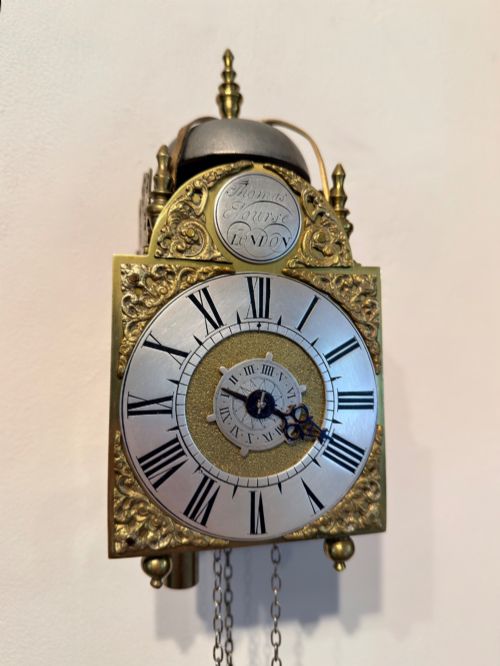
The samples include rocking ships, rocking and swinging Father Time figures, a swinging angel, a pheasant on a wooden dial and a lions-eyes clock. Hooded wall clocks, lantern clocks and tavern clocks each turn up only a few times across the whole archive.