
A 2026 Guide by Sellingantiques

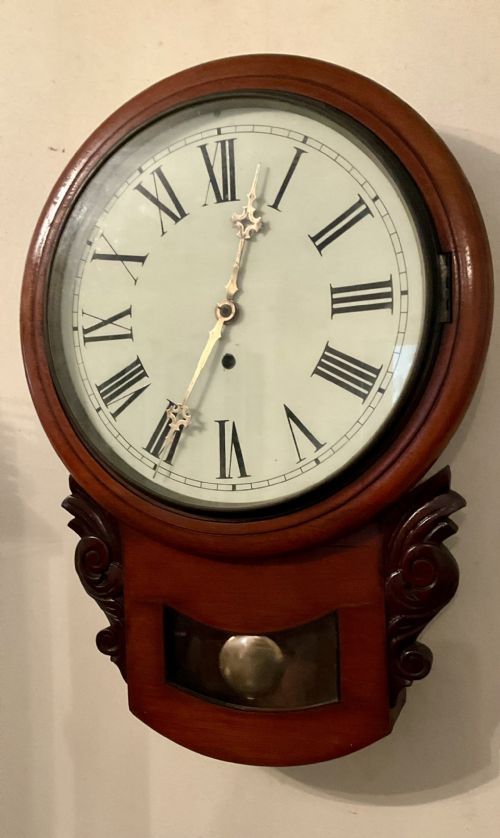
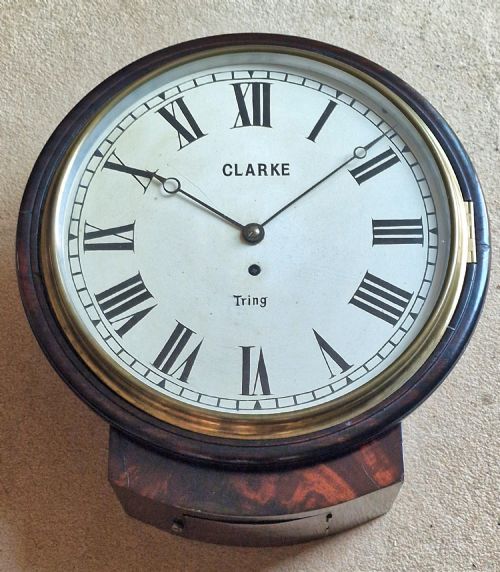
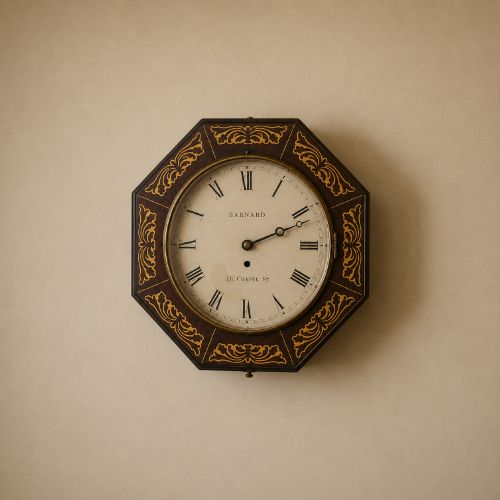
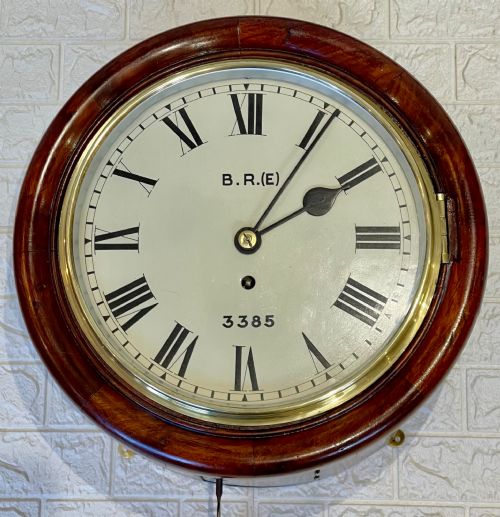
Mahogany, Striking, Drop-dial, Wall Clock., 1890
Priced at £695 from Masons Antiques
Look at the shape. These emerged in late eighteenth-century England to meet a need for reliable public timekeeping.
Most antique dial clocks hung in railway stations, schools and government buildings where legibility mattered more than decoration.
Early examples started as tavern clocks before evolving into the familiar compact circular form.
Mass expansion of the railways created a huge surge in demand during the Victorian era.
John Walker operated in London during the mid-nineteenth century. His firm supplied thousands of reliable dial clocks to the Southern Railway.
Thwaites & Reed built many early movements in Clerkenwell, often stamping their parts before selling them to regional retailers.
Regional watchmakers frequently bought blank movements from London firms and painted their own names on the dials.

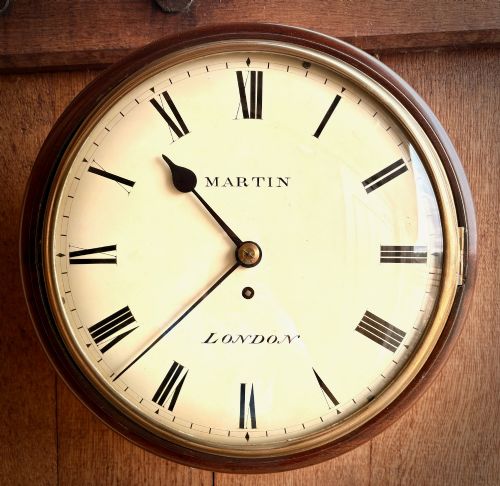
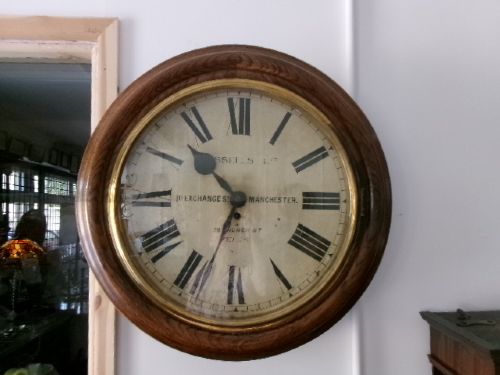
Twin Fusee, Bell Striking, London, Drop-dial Wall Clock., 1800
Priced at £1,850 from Masons Antiques
The 2026 retail price guide for Antique Dial Clocks is drawn from a proprietary archive of over 1.1 million retail prices indexed by Sellingantiques since 2003. This guide relies exclusively on their own internal data; no external sources or auction records are used.
Analysing nearly 25 years of UK antique market history alongside current retail values, the data indicates that typical UK retail prices for Antique Dial Clocks range between £800 and £4,500. Entry-level prices generally fall under £800 and premium examples upwards of £4,500.
The flat or slightly convex painted iron dial defines the category.
Check the side access. Wooden cases feature small hinged doors for regulating the pendulum and reaching the winding arbor.
A spun brass bezel holds the glass cover securely over the hands.

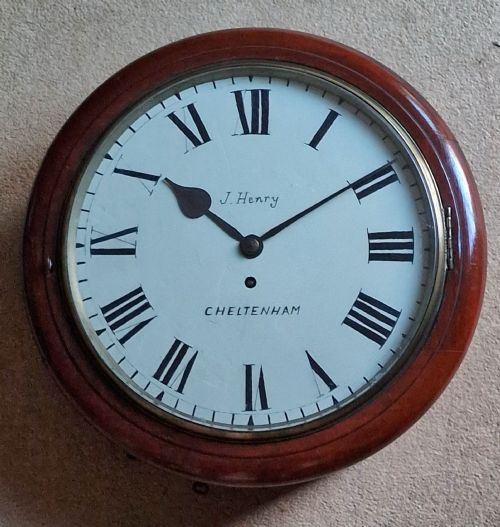
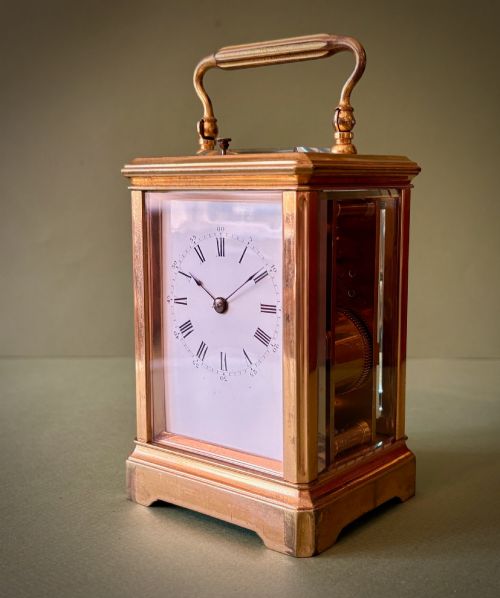
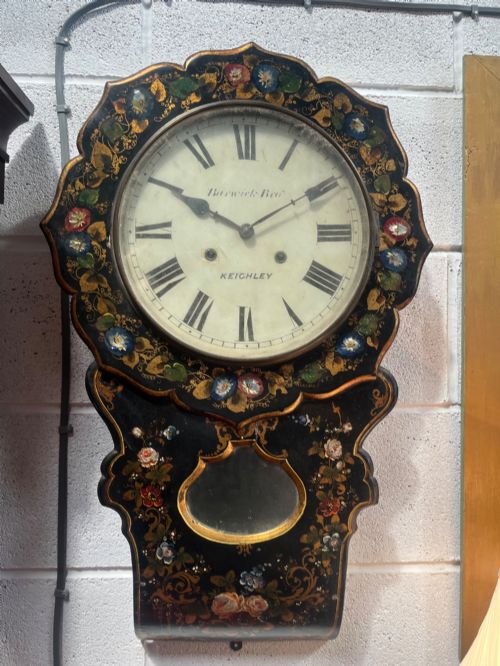
Wall Clock, 19th Century
Priced at £1,250 from Midwinter Antiques
Early back boxes feature tight hand-cut dovetails on the corners.
Movement plates were cast in thick brass and hand-finished with files before being drilled for the gear pivots.
The shift to spring-driven fusee mechanisms allowed makers to discard heavy weights and build much slimmer cases.
"The white background paint often contains zinc oxide. This keeps the dial bright and legible in poorly lit Victorian rooms."
"Some railway stations painted inventory numbers on the dial backs. It kept track of which clock belonged in which waiting room."
"These heavy cast brass bezels lock shut with small integrated latches to keep inquisitive fingers away from the delicate hands."
Based on almost 25 years of Sellingantiques UK antique market data, Antique Dial Clocks appeared 4677 times (out of 1,100,000 antiques) which gives it a rarity score of 39/100.
This score measures scarcity within the Sellingantiques archive only and is not a survey of the entire antiques market, so these statistics may not be indicative of the general availability of Antique Dial Clocks elsewhere.
Most antique dial clocks run on an eight-day cycle. You will need to wind them once a week using a traditional square-ended key.
Some larger public examples run for up to a month on a single wind, though these are less common. The weekly routine keeps the mainspring under consistent tension and ensures the time stays accurate.
You can regulate the speed yourself. Open the side or bottom door on the wooden case to reach the pendulum.
At the bottom of the pendulum bob sits a small threaded nut. Turn it to lower the bob slightly, which lengthens the pendulum and slows the clock down. Make tiny adjustments and check the time again the next day.
The dial iron expands and contracts with changes in room temperature. The rigid paint layer on top cannot flex at the same rate, causing fine stress fractures over decades.
Dealers call this crazing. It forms a normal part of the surface history.
Heavy ticking comes standard with these robust mechanisms. The thick brass plates and large escapements were designed to drive heavy hands visible across noisy public spaces.
You cannot easily quieten an antique dial clock. Some fusee movements tick less aggressively than weight-driven versions, but they all produce a steady mechanical beat.
Hanging the case on a solid masonry wall rather than a hollow stud partition helps absorb some vibration.
Please note: This Antique Dial Clocks guide and its associated pricing data are provided for general informational purposes only. It does not constitute formal financial, investment, or appraisal advice and should not be relied upon as the sole basis for any commercial activity, purchasing, or sales decisions. Sellingantiques.co.uk accepts no liability for any actions taken in reliance on this information. Always consult with a qualified professional or independent appraiser.
