
A 2026 Guide by Sellingantiques

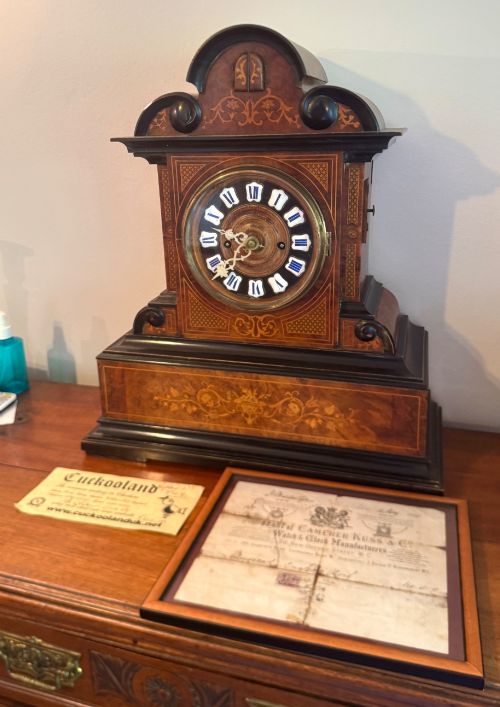
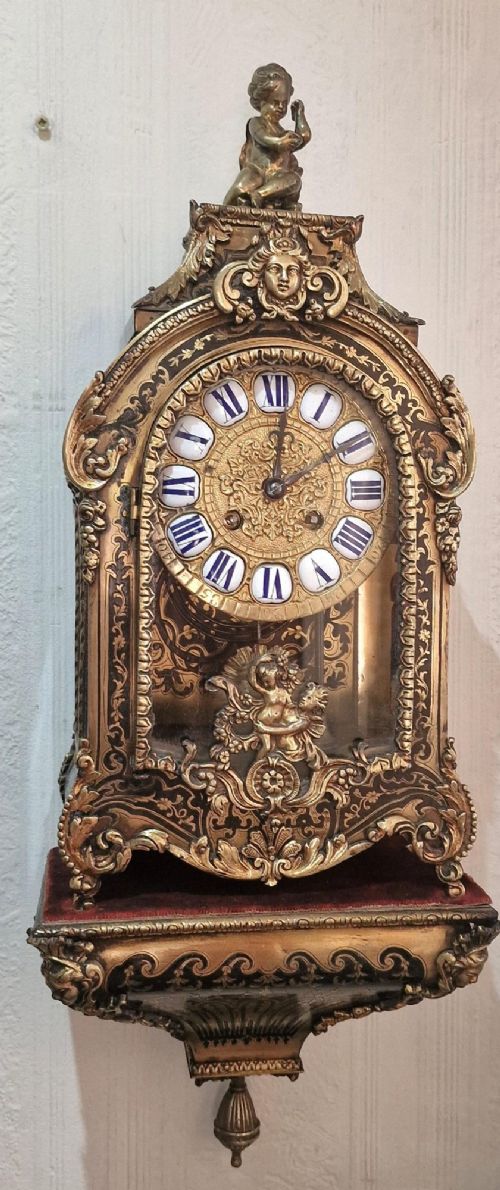
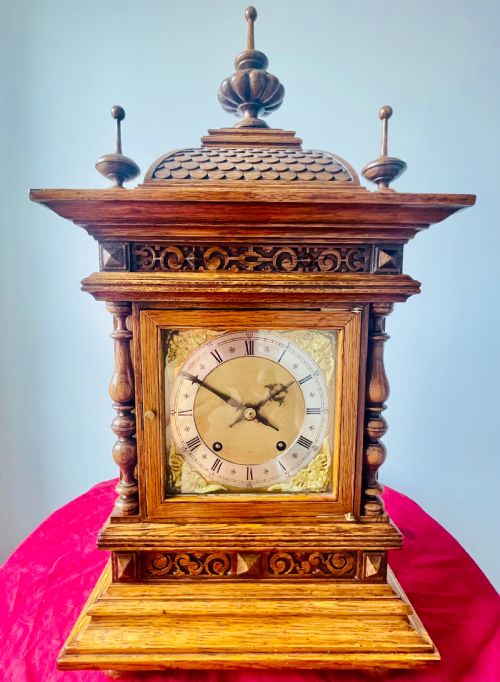
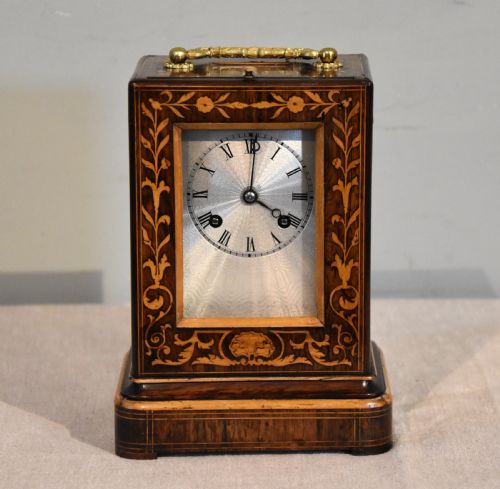
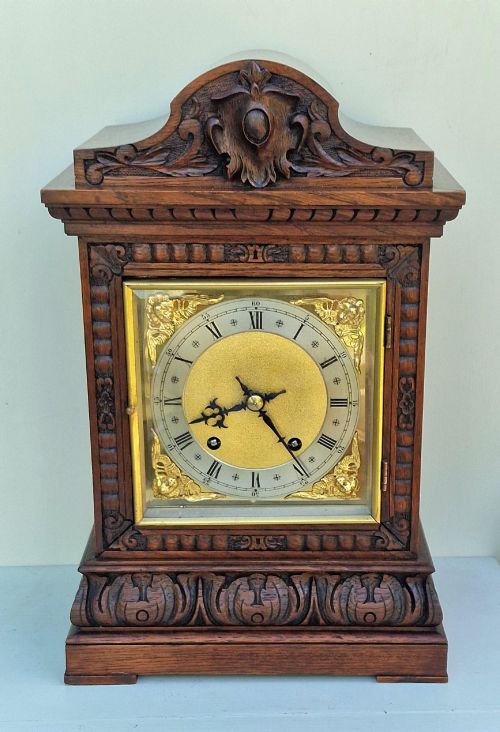
Cathedral-arch, Quarter-striking, 8 Bells, Bracket Clock., 1880
Priced at £1,850 from Masons Antiques
Early examples from the late seventeenth century relied on the invention of the pendulum to keep accurate time.
Moving these heavy items upstairs at night required the sturdy brass handle fitted to most cases.
Development of the spring barrel allowed antique bracket clocks to work without long descending weights.
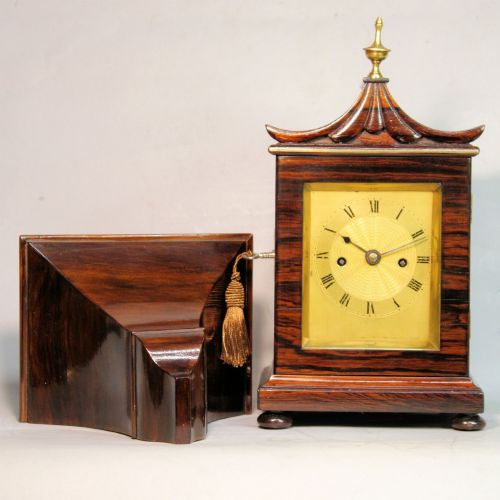
Look out for matching original wall brackets, though they rarely survive together with the clock.
Thomas Tompion produced hundreds of spring-driven clocks from his Fleet Street workshop in the late seventeenth century.
Cases housing movements by George Graham often display severe architectural lines without extra decoration.
Provincial makers bought in rough brass castings from city foundries to finish in their own local workshops.
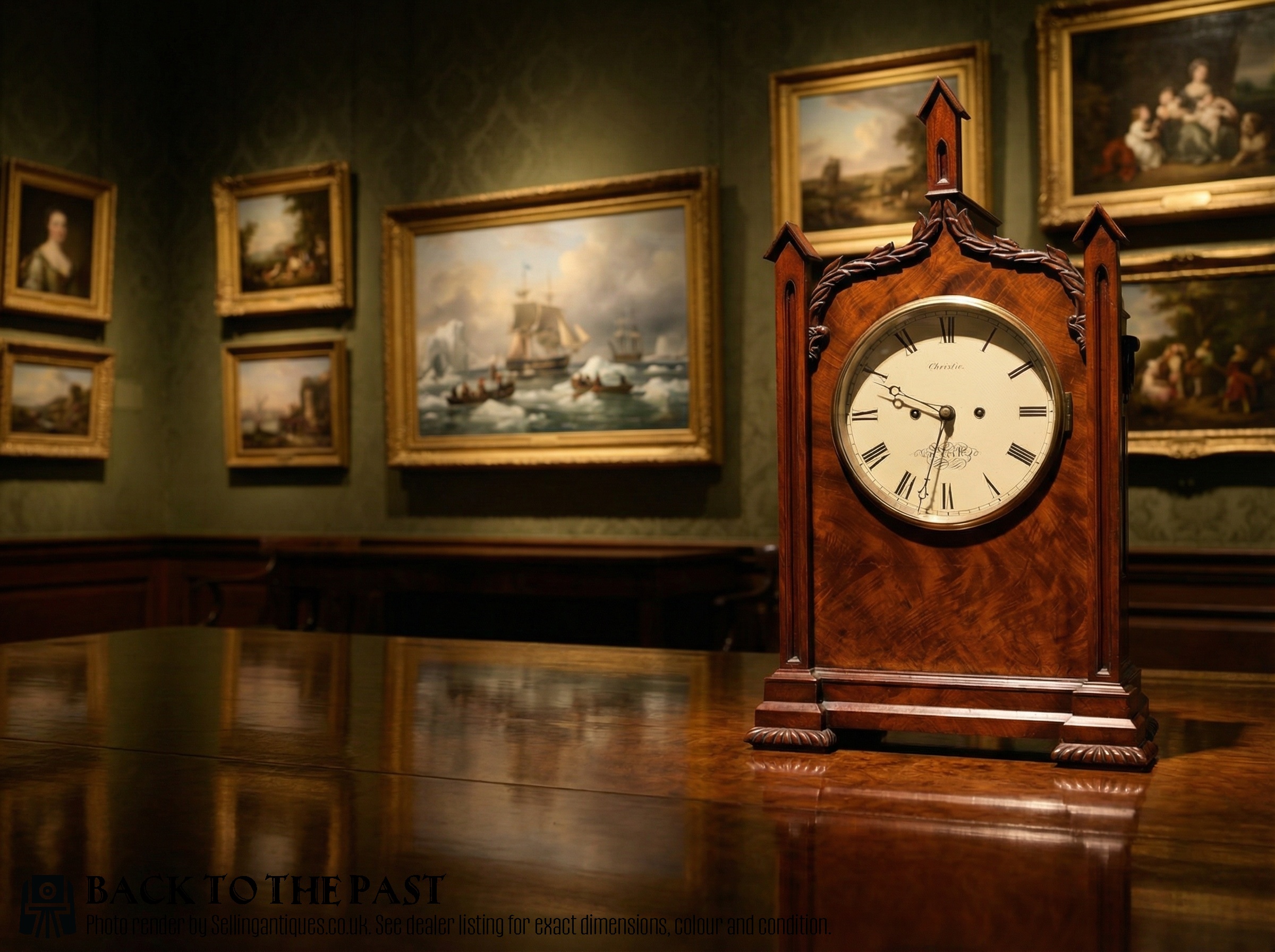
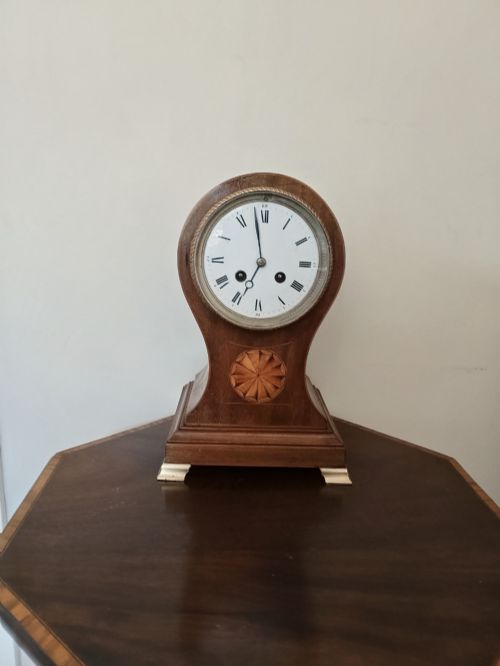
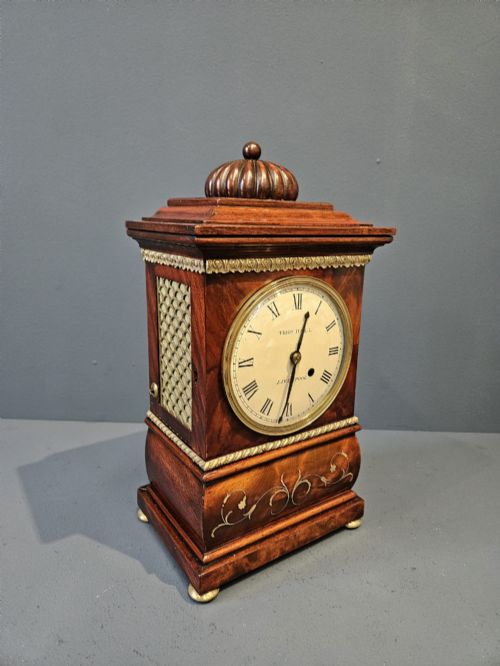
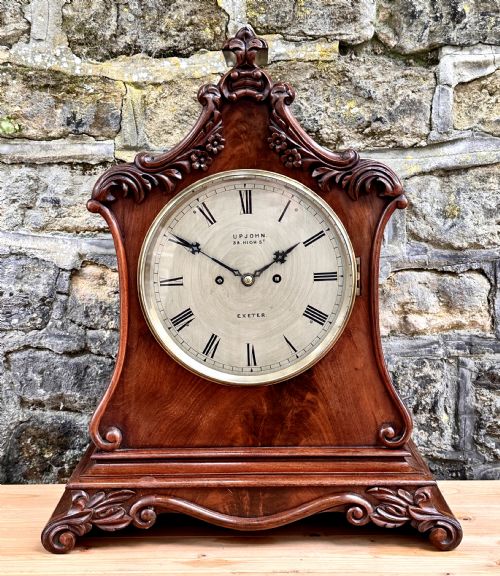
Christie of Perth Bracket Clock, Victorian
Priced at £1,250 from Sinclairs Antiques and Interiors
The 2026 retail price guide for Antique Bracket Clocks is drawn from a proprietary archive of over 1.1 million retail prices indexed by Sellingantiques since 2003. This guide relies exclusively on their own internal data; no external sources or auction records are used.
Analysing nearly 25 years of UK antique market history alongside current retail values, the data indicates that typical UK retail prices for Antique Bracket Clocks range between £900 and £5,900. Entry-level prices generally fall under £900 and premium examples upwards of £5,900.
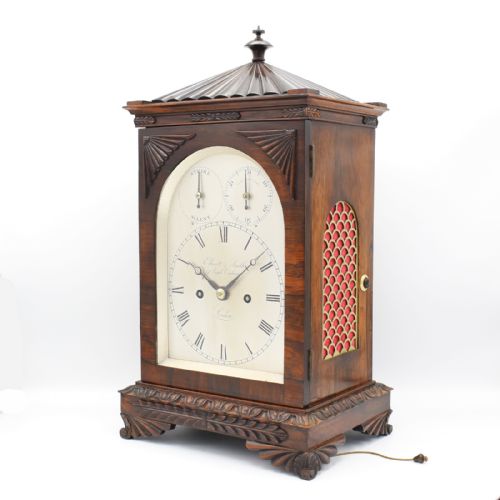
Strike/silent dials appear in the arch of the main face to stop the bell ringing overnight.
Glass panels in the back door.
Pull the repeat cords hanging down the side to strike the nearest hour in the dark.

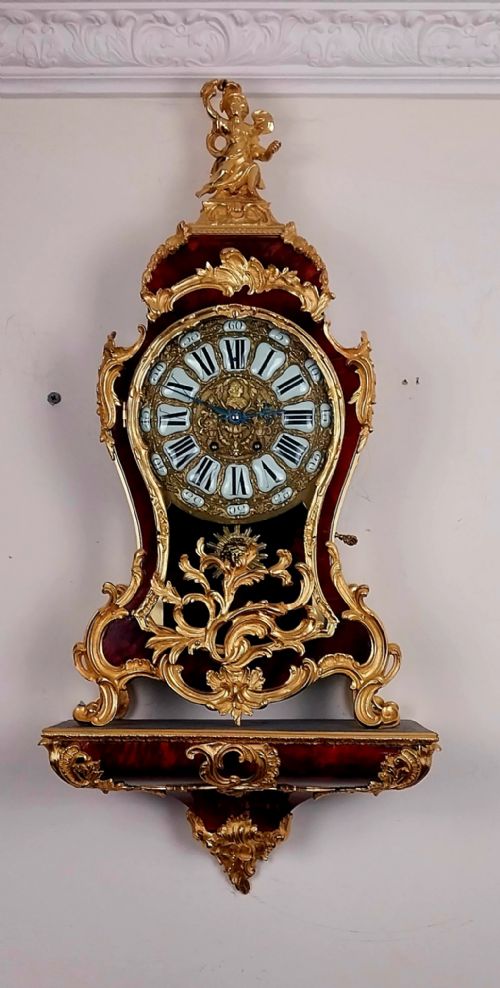
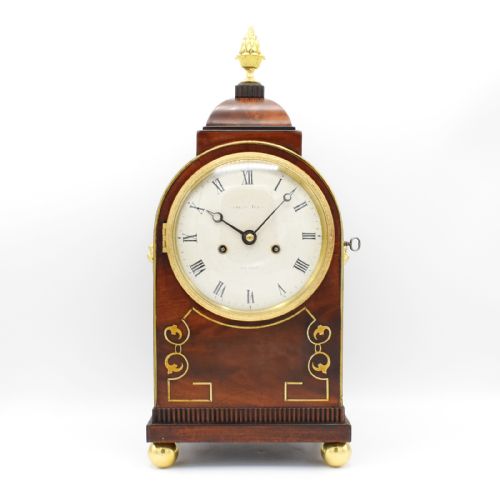
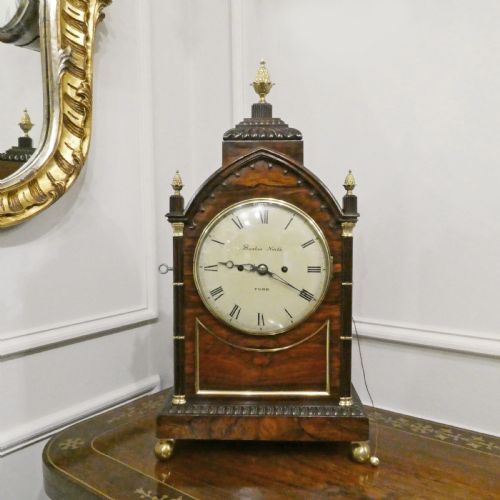
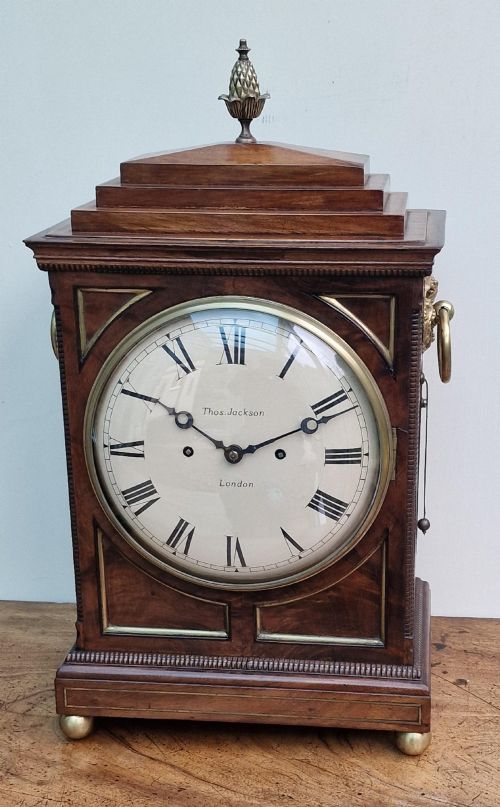
Victorian Mahogany Double Fusee Bracket Clock by Geo. Carter, Hackney, Victorian
Priced at £1,250 from Sinclairs Antiques and Interiors
Cabinet makers constructed the timber carcase separately from the brass movement made by the horologist.
Dial engraving required specialised craftsmen who cut the numerals and signatures into the brass plate.
Bell profiles changed shape over time to alter the pitch and resonance of the strike.
"Transporting a pendulum clock meant wedging the mechanism tight to stop it breaking the suspension spring."
"You'll find engraved backplates served no functional purpose other than looking good when reflected in a mirror behind the clock."
"Some complex movements play different tunes on a nest of bells at the quarter hours."
Based on almost 25 years of Sellingantiques UK antique market data, Antique Bracket Clocks appeared 3238 times (out of 1,100,000 antiques) which gives it a rarity score of 52/100.
This score measures scarcity within the Sellingantiques archive only and is not a survey of the entire antiques market, so these statistics may not be indicative of the general availability of Antique Bracket Clocks elsewhere.
Dust in the movement creates friction. Oils dry out over the decades and form a sticky paste in the pivot holes. This stops the gears turning freely.
Servicing involves taking the plates apart. The horologist cleans every wheel and applies fresh synthetic clock oil to get it running again.
Letting the movement run down isn't a problem. The mainspring simply sits relaxed inside its brass barrel until you next wind it.
Keep the case door shut when it sits idle. This stops dust settling on the oiled pinions.
Most antique bracket clocks run for eight days.
Wind them once a week on the same day.
The strike mechanism gets confused if you move the hands backwards past the hour. It counts the wrong number of blows for the time shown on the dial.
Move the minute hand forward to the hour and count the strikes. Push the hour hand to match the number of bells you just heard. It just pushes on a friction fit.
Please note: This Antique Bracket Clocks guide and its associated pricing data are provided for general informational purposes only. It does not constitute formal financial, investment, or appraisal advice and should not be relied upon as the sole basis for any commercial activity, purchasing, or sales decisions. Sellingantiques.co.uk accepts no liability for any actions taken in reliance on this information. Always consult with a qualified professional or independent appraiser.