
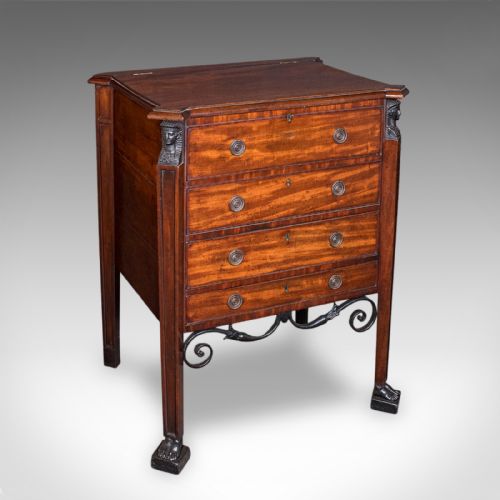


A 2026 Guide by Sellingantiques
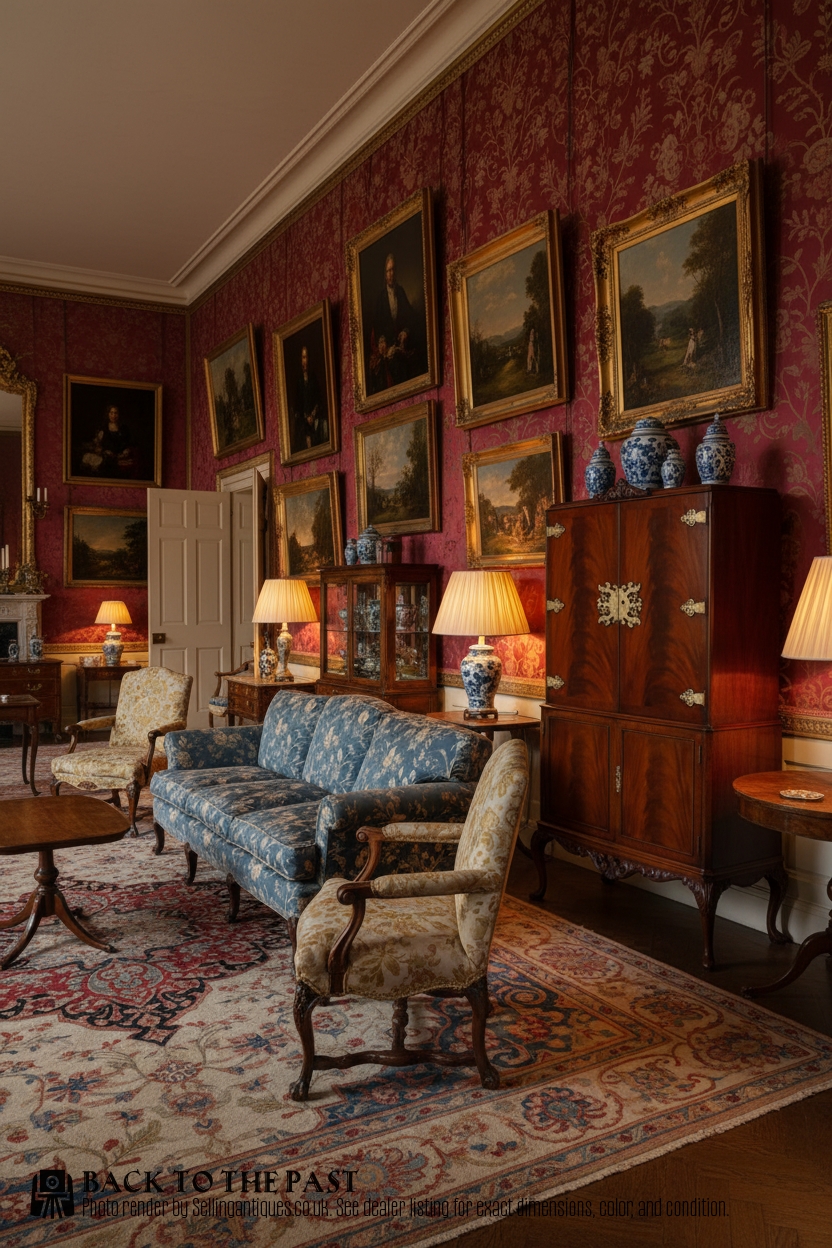
Queen Anne Style Mahogany Cocktail Cabinet, 1930
Priced at £895 from Philip Hunt Antiques
Prohibition in America drove the creation of domestic drinking furniture across the Atlantic.
Early antique cocktail cabinets often masqueraded as traditional sideboards or writing desks to keep their true purpose discreet.
Look for the explosion of purpose-built forms during the Art Deco period.
Post-war examples reflect the shift towards open plan living and frequent informal entertaining.
Harry and Lou Epstein produced many of the rounded, heavily veneered Art Deco examples in London during the 1930s.
Neil Morris of Glasgow manufactured innovative post-war cabinets using shaped laminated woods.
Most mid-century pieces emerged from large commercial workshops without individual maker's marks attached.
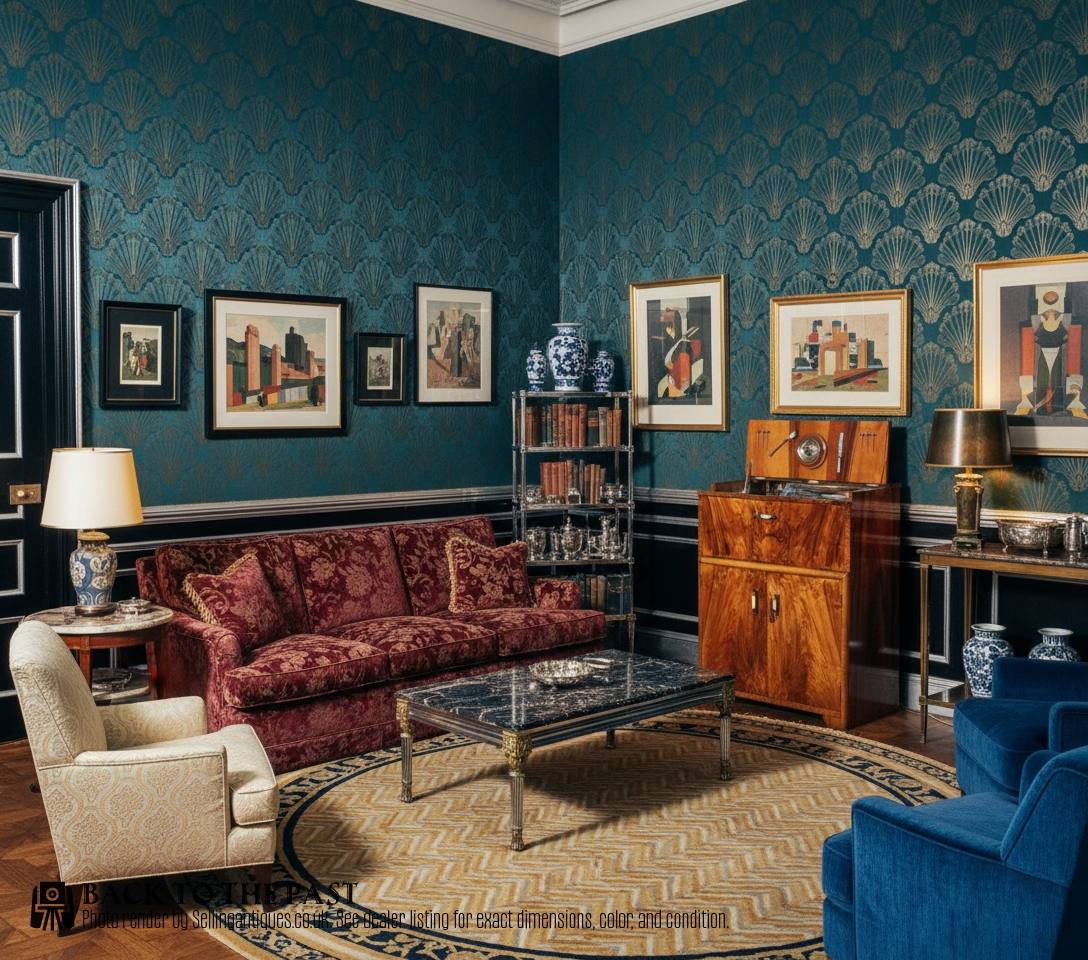
Art Deco Walnut Cocktail Cabinet, C1930, 1930
Priced at £1,895 from Art Deco World
The 2026 retail price guide for Antique Cocktail Cabinets is drawn from a proprietary archive of over 1.1 million retail prices indexed by Sellingantiques since 2003. This guide relies exclusively on their own internal data; no external sources or auction records are used.
Analysing nearly 25 years of UK antique market history alongside current retail values, the data indicates that typical UK retail prices for Antique Cocktail Cabinets range between £900 and £4,800. Entry-level prices generally fall under £900 and premium examples upwards of £4,800.
Pull-out mixing slides give the host a dedicated surface for preparing drinks.
Automatic lighting triggers when the main doors open, illuminating the glassware.
Check the internal door faces for fitted racks designed to secure metal citrus squeezers and cocktail picks.
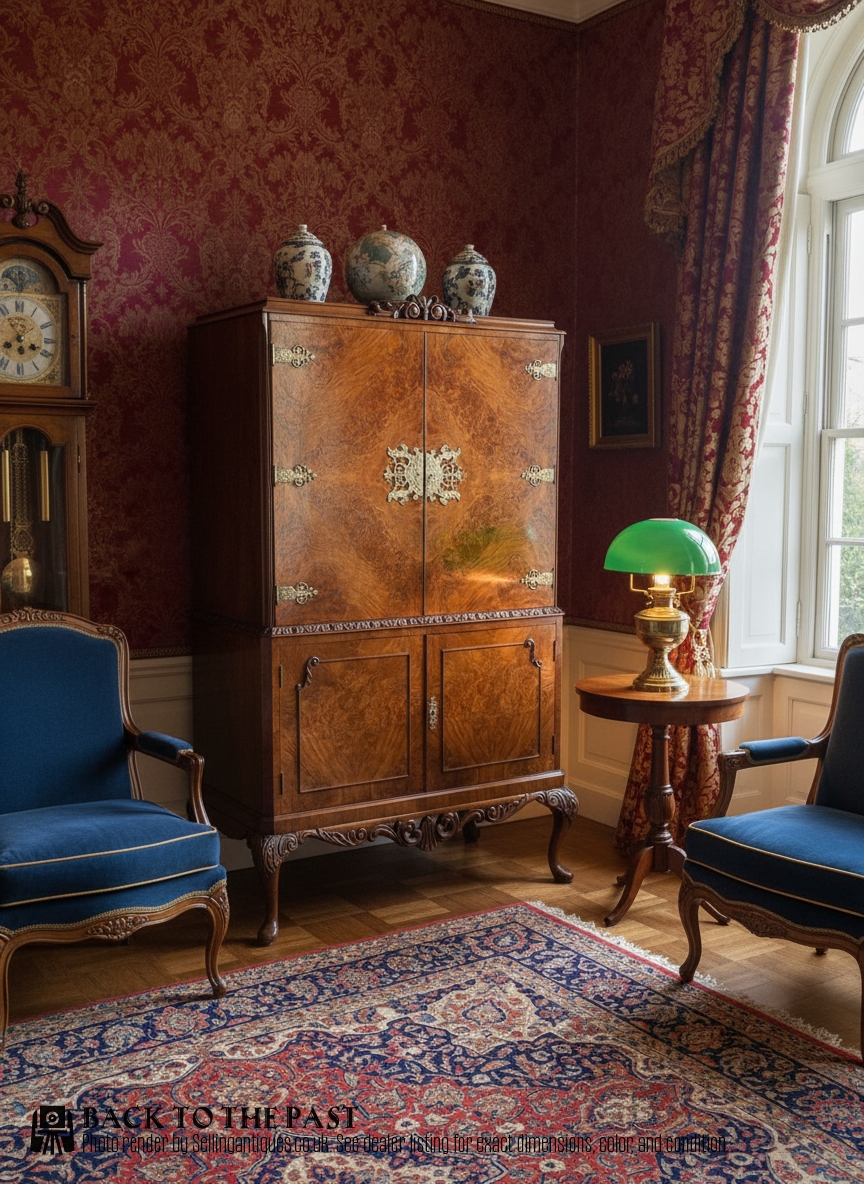
Outstanding Quality Antique Burr Walnut Cocktail Cabinet, 1920
Priced at £3,400 from London City Antiques
Crossbanding framing the drawer fronts requires thin strips of veneer cut across the grain and applied by hand.
Notice the curved doors on high-end models, formed by pressing thin timber layers around a solid mould.
Factory production methods introduced spray-applied cellulose finishes that gave a harder gloss than traditional French polish.
"Some models include an insulated zinc-lined drawer specifically for storing blocks of ice."
"The mirrored interiors were originally designed to double the visual impact of a small liquor collection."
"You'll sometimes find original juicers and olive pins still sitting in their bespoke interior clips."
Based on almost 25 years of Sellingantiques UK antique market data, Antique Cocktail Cabinets appeared 1135 times (out of 1,100,000 antiques) which gives it a rarity score of 80/100.
This score measures scarcity within the Sellingantiques archive only and is not a survey of the entire antiques market, so these statistics may not be indicative of the general availability of Antique Cocktail Cabinets elsewhere.
Use a soft cloth slightly dampened with warm water. Don't use commercial glass sprays as the liquid can seep behind the edges and damage the silvering further.
Dry the surface immediately with a second clean cloth. Any lingering moisture will speed up the foxing process on old mirror plates.
Yes, a qualified electrician can update the wiring safely.
Ask them to preserve the original automatic door switches where possible. These mechanical triggers are part of the original character.
Disguising a bar as traditional furniture was common practice in the early decades of the twentieth century. Makers built them to resemble everything from Georgian tallboys to writing bureaus.
This allowed homeowners to keep their drinking habits private in more conservative households. Once the doors opened, the brightly lit sycamore interiors contrasted sharply with the traditional mahogany or walnut exteriors.
Start by checking the runners for dried spillages. Sugary drink residue from decades ago often glues the wooden guides together.
Wipe the tracks with a damp cloth and a mild soap solution. Let the timber dry out thoroughly before testing the movement again.
Rubbing a standard wax candle along the runners will lubricate the friction points. This provides a smooth glide without attracting dust the way liquid oils do.
Please note: This Antique Cocktail Cabinets guide and its associated pricing data are provided for general informational purposes only. It does not constitute formal financial, investment, or appraisal advice and should not be relied upon as the sole basis for any commercial activity, purchasing, or sales decisions. Sellingantiques.co.uk accepts no liability for any actions taken in reliance on this information. Always consult with a qualified professional or independent appraiser.
