
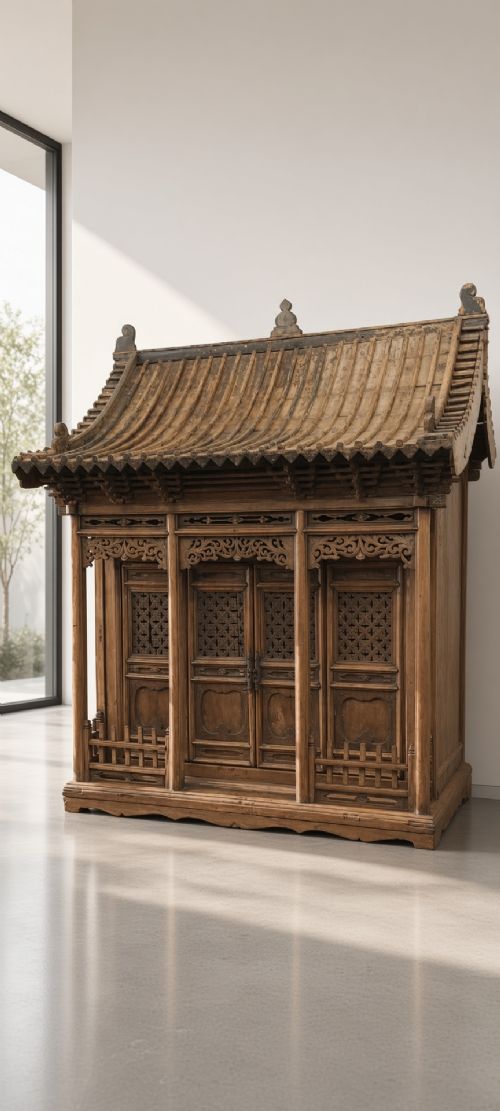


A 2026 Guide by Sellingantiques

Mid C19th Chinese Chippendale Revival Style Mahogany Glazed China Display Cabinet on Stand ., 19th Century
Priced at £1,850 from M Lees and Sons
Most early examples date to the Ming and Qing dynasties. Furniture shifted from low platforms to taller pieces as seating habits changed.
Regional styles emerged across different provinces. Northern provinces favoured robust, heavy frames while southern areas produced lighter, more intricately carved profiles.
Check the overall form. Tapered A-line silhouettes define the classic Ming style.
Hanging garments upright was not the norm in traditional households. Antique Chinese cabinets held clothes folded flat on shelves, along with textiles and boxed items.
Export trade influenced later pieces heavily. Port cities adapted traditional shapes to suit western tastes, adding shelves or altering proportions for foreign markets.
Unsigned pieces. The traditional trade relied on anonymous guild workshops rather than celebrated individual craftsmen.
Beijing workshops supplied the imperial court with heavy, highly polished dark wood variants. These government-controlled ateliers set trends that provincial makers later copied.
Coastal carpenters in Guangdong dominated the export market during the nineteenth century. They modified local construction methods to produce pieces specifically for merchant ships.
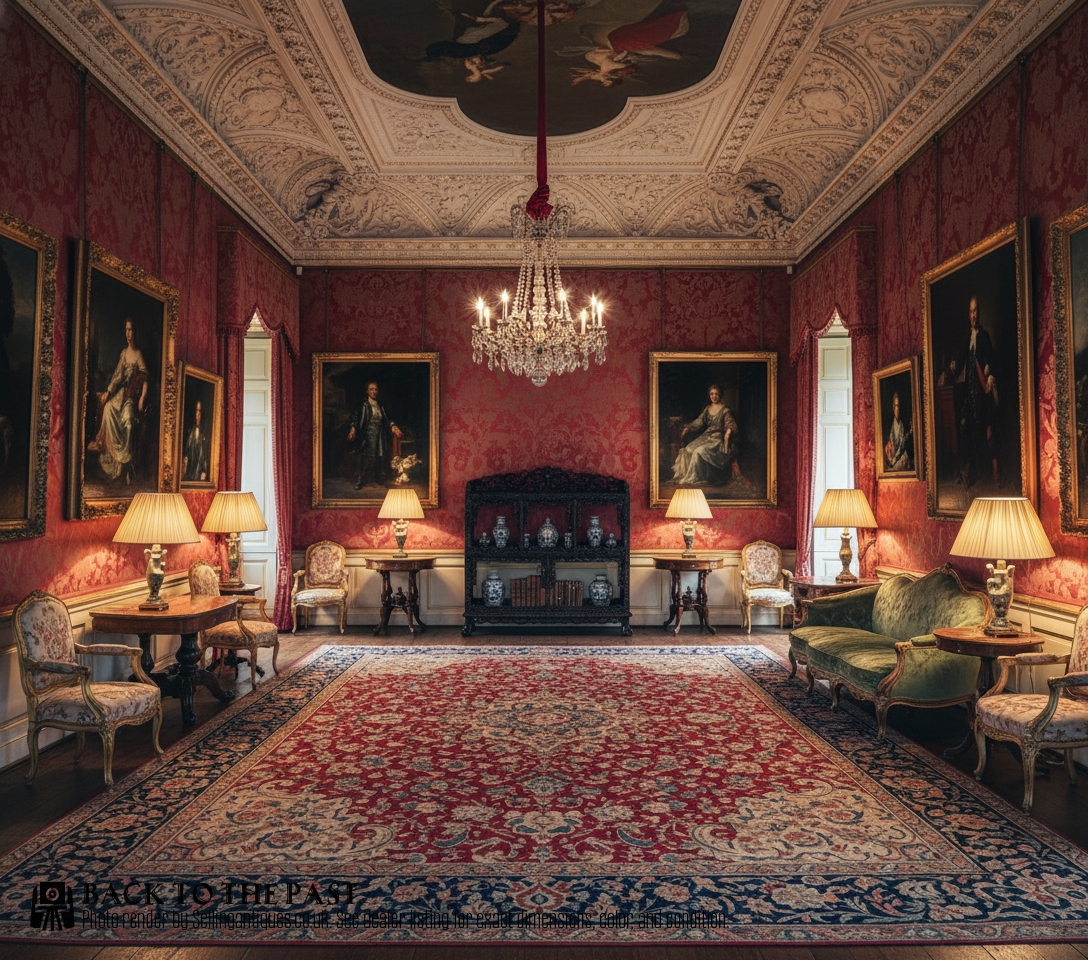
Fine Late C19th Chinese Qing Dynasty Profusely-carved Hardwood or Rosewood Dwarf Side-cabinet or ‘Shodana’ ., 1880
Priced at £2,850 from M Lees and Sons
The 2026 retail price guide for Antique Chinese Cabinets is drawn from a proprietary archive of over 1.1 million retail prices indexed by Sellingantiques since 2003. This guide relies exclusively on their own internal data; no external sources or auction records are used.
Analysing nearly 25 years of UK antique market history alongside current retail values, the data indicates that typical UK retail prices for Antique Chinese Cabinets range between £800 and £4,300. Entry-level prices generally fall under £800 and premium examples upwards of £4,300.
Flush, wooden-hinged doors are standard on many round-corner cabinets. They pivot on wooden pegs fitted into sockets in the frame rather than using metal butt hinges.
Removable central stiles often divide the main doors. This vertical post allowed owners to store wider objects without catching on the frame.
Look for the hidden base compartment. Many square-corner designs feature a concealed storage well behind the bottom apron, covered by a removable floorboard.
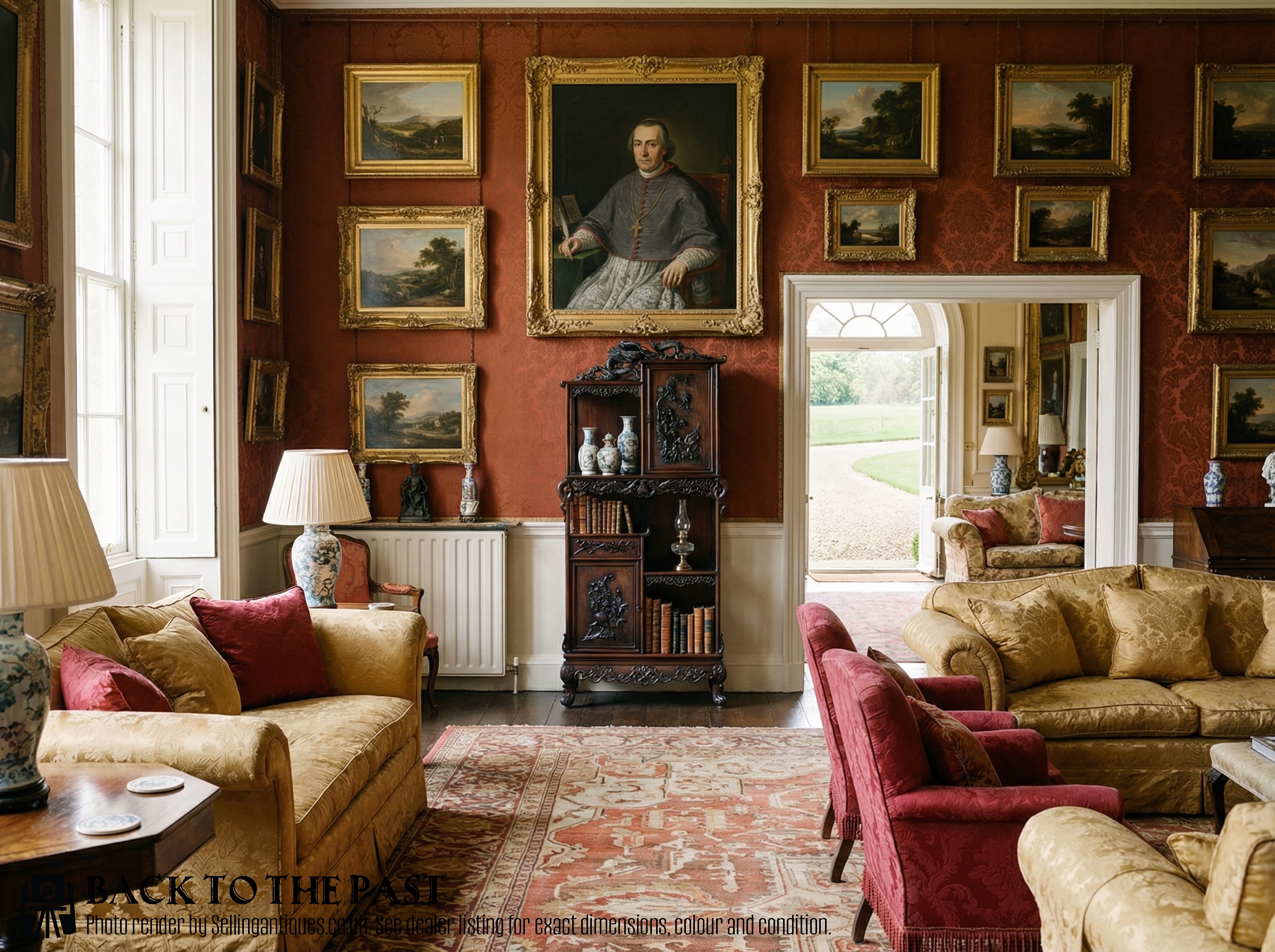
19th Century Chinese Cabinet, 19th Century
Priced at £8,500 from Martlesham Antiques
Craftsmen shaped the interlocking joints to hold the entire frame under tension. Pegs lock the pieces together, allowing the cabinet to be dismantled for transport.
Raw wood surfaces rarely survive untouched. Workshops applied layers of raw lacquer to seal the grain, building up a hard, glossy finish that darkens over time.
Examine the leg profile. Early pieces often feature plain, rounded posts, while later centuries introduced square sections with moulded edges and complex carved aprons.
"Many designs function as flat-pack furniture. The complex wedged joints allow a massive wardrobe to break down into flat panels for moving across the country."
"The brass faceplates serve a dual purpose. Beyond holding the lock, they prevent dirty hands from marking the polished wood when pushing the doors shut."
"Secret compartments exist in quite a few provincial pieces. False bottoms or sliding rear panels provided secure hiding places for silver ingots and family documents."
Based on almost 25 years of Sellingantiques UK antique market data, Antique Chinese Cabinets appeared 800 times (out of 1,100,000 antiques) which gives it a rarity score of 85/100.
This score measures scarcity within the Sellingantiques archive only and is not a survey of the entire antiques market, so these statistics may not be indicative of the general availability of Antique Chinese Cabinets elsewhere.
Most period pieces built from dense tropical hardwoods weigh a considerable amount. A standard two-door wardrobe can easily require three or four people to move safely.
The weight comes from both the thick frame members and the dense nature of timbers like elm or huanghuali. Softwood examples from the northern provinces weigh significantly less.
Camphor wood was a highly popular choice for lining storage furniture. Makers favoured it because the natural oils repel moths and insects, protecting expensive silk garments stored inside.
The scent lingers for centuries inside closed environments. If a piece retains its original internal timbers, that strong aromatic smell is an entirely normal feature of the design.
You can, but many dealers prefer to leave the metal alone.
The dark surface provides a good contrast against the timber.
That central stile is designed to be removed. You will normally find a small wooden peg near the top or bottom mortise that releases it from the frame.
Slide it out to load bulky items, then slot it back into place. It provides a secure resting point for the doors to close against and helps keep the whole frame rigid.
Please note: This Antique Chinese Cabinets guide and its associated pricing data are provided for general informational purposes only. It does not constitute formal financial, investment, or appraisal advice and should not be relied upon as the sole basis for any commercial activity, purchasing, or sales decisions. Sellingantiques.co.uk accepts no liability for any actions taken in reliance on this information. Always consult with a qualified professional or independent appraiser.
