

A 2026 Guide by Sellingantiques

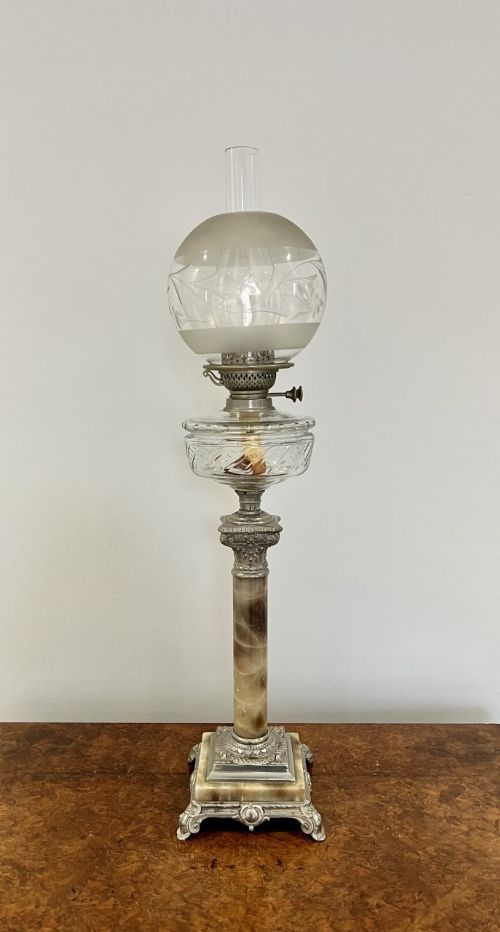
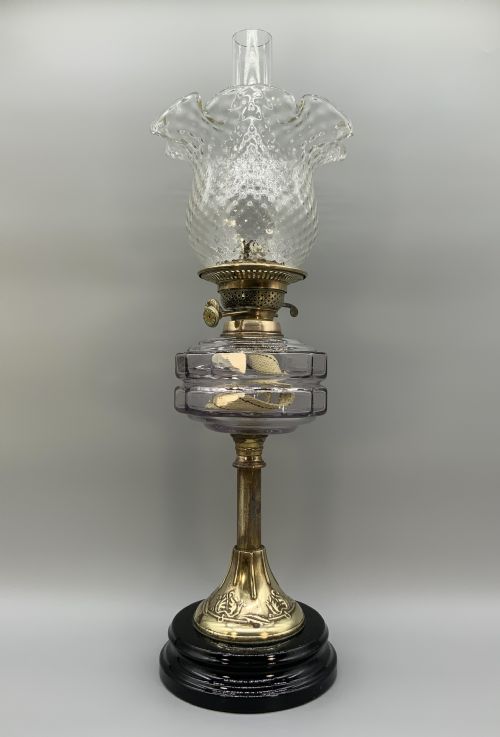
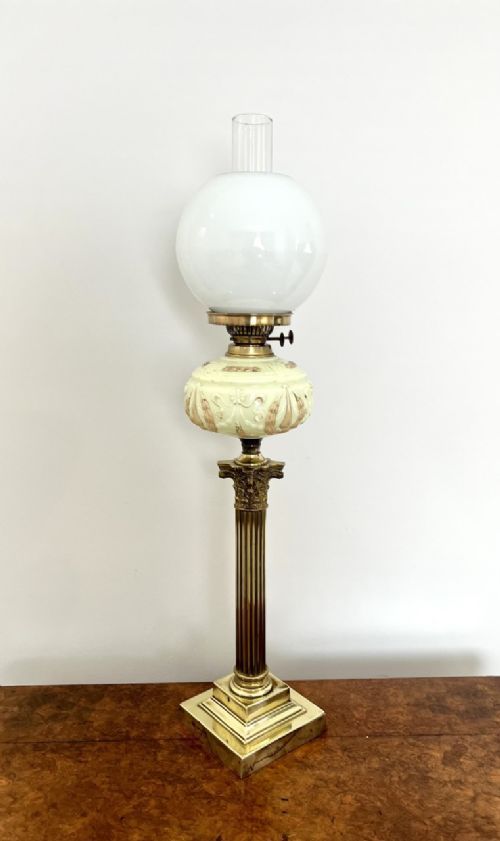
Victorian Crystal Oil / Paraffin Lamp, Victorian
Priced at £450 from Sinclairs Antiques and Interiors
Early lighting relied on basic open wicks. The shift to Argand burners drastically improved how an antique oil lamp performed.
Paraffin arrived in the mid-nineteenth century. Cheaper fuel turned these into household staples everywhere.
Look at the wick mechanisms. Flat wicks gave way to circular draught designs for brighter flames.
Electricity pushed them out of cities by the twentieth century. Rural homes kept them much longer.
Hinks & Son operated in Birmingham from the mid-nineteenth century. They patented the duplex burner, which changed how much light a standard room received.
Messenger & Sons supplied elaborate brass fittings. Their classical column lamps turn up frequently in drawing rooms.
Search for F. & C. Osler pieces. They cut thick crystal for high-end bases during the late Victorian period.

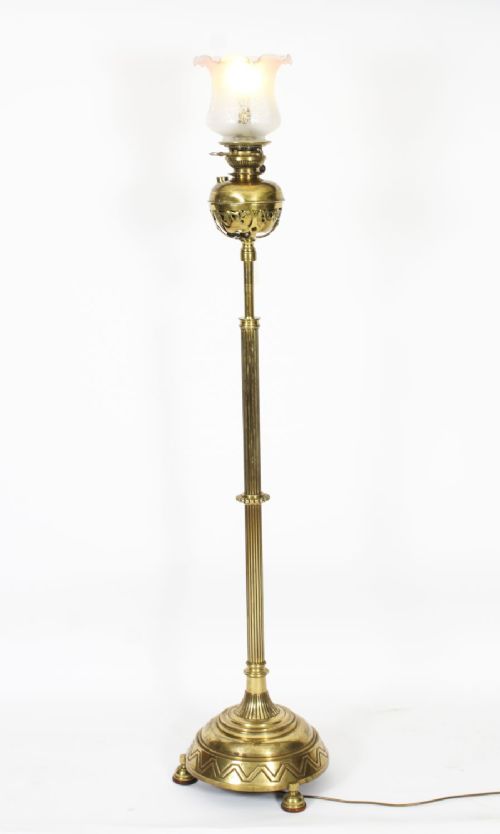
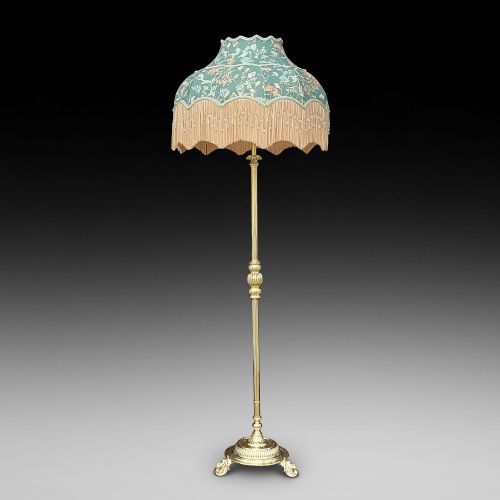
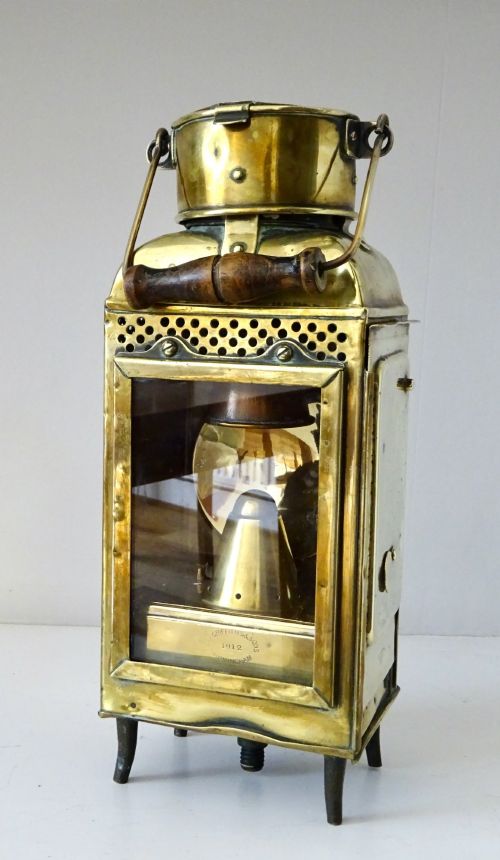
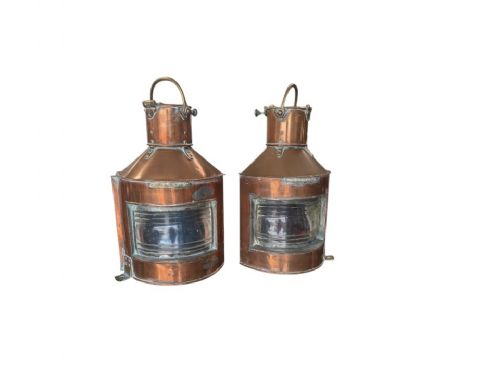
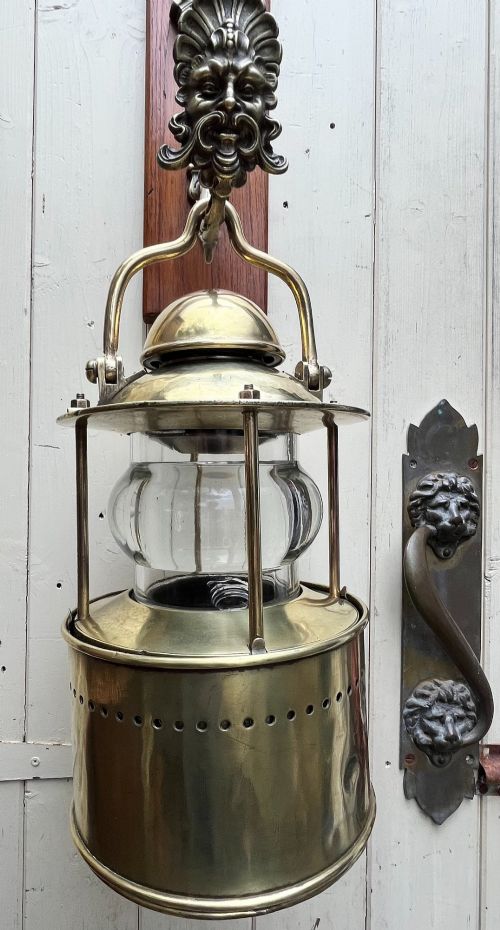
British Made Brass Oil / Paraffin Lamp, Victorian
Priced at £225 from Sinclairs Antiques and Interiors
The 2026 retail price guide for Antique Oil Lamps is drawn from a proprietary archive of over 1.1 million retail prices indexed by Sellingantiques since 2003. This guide relies exclusively on their own internal data; no external sources or auction records are used.
Analysing nearly 25 years of UK antique market history alongside current retail values, the data indicates that typical UK retail prices for Antique Oil Lamps range between £300 and £1,400. Entry-level prices generally fall under £300 and premium examples upwards of £1,400.
The burner thread determines what fits. Duplex burners have two parallel wicks for a wider flame.
Turn the wick winder. Knobs often carry the maker's stamp or a patent date.
Weighted bases keep table models stable. Cast iron inserts hidden inside stamped brass feet do most of the heavy lifting.
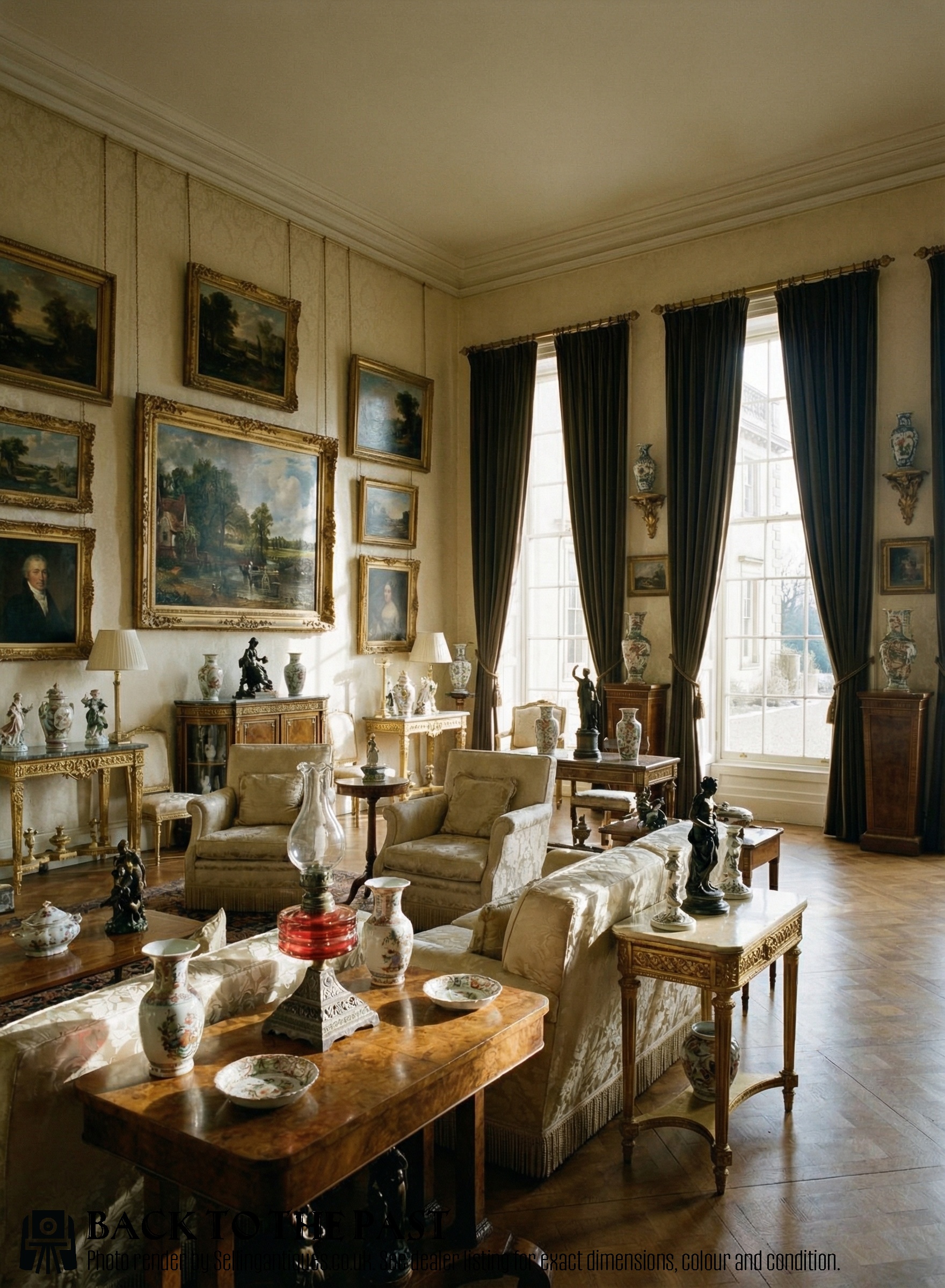
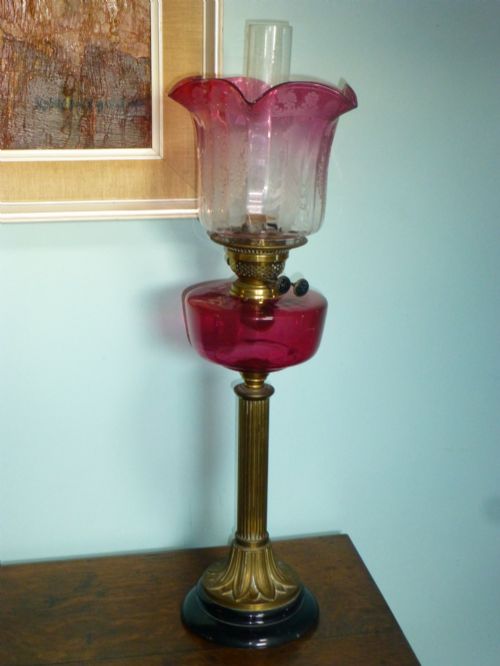
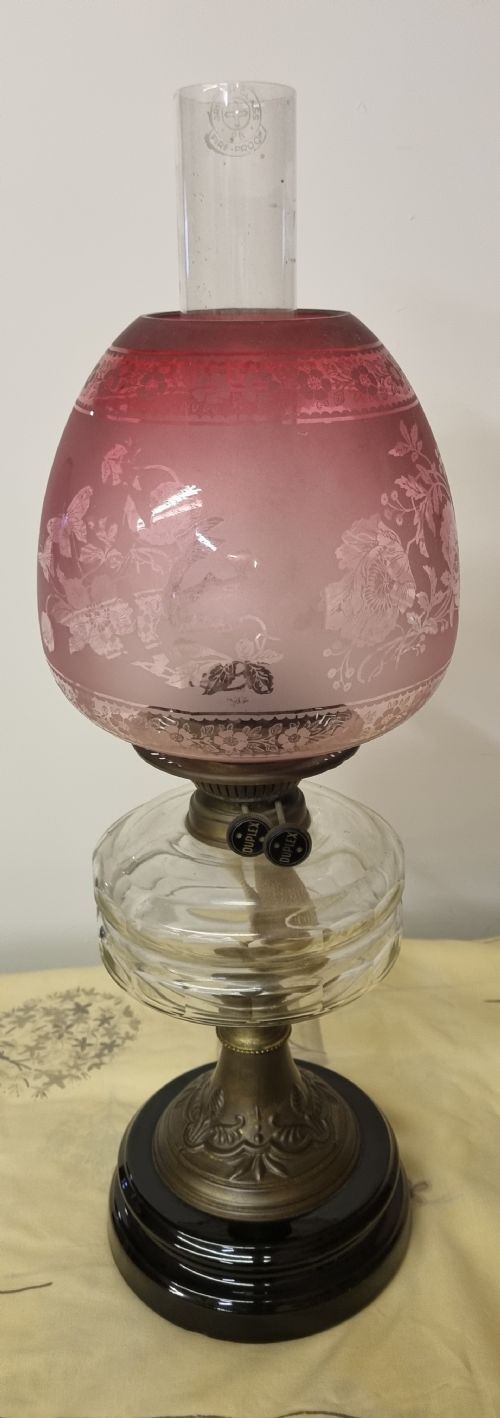
Pretty Antique Victorian Cranberry Glass Oil Lamp, 1880
Priced at £365 from Unique Antiques by Emma Jade
Early bases used heavy cast brass. Mid-Victorian production shifted to spinning sheet metal on a lathe, forming lighter bodies.
Observe the seams on glass founts. Mould-pressed glass replaced hand-blown reservoirs to speed up output.
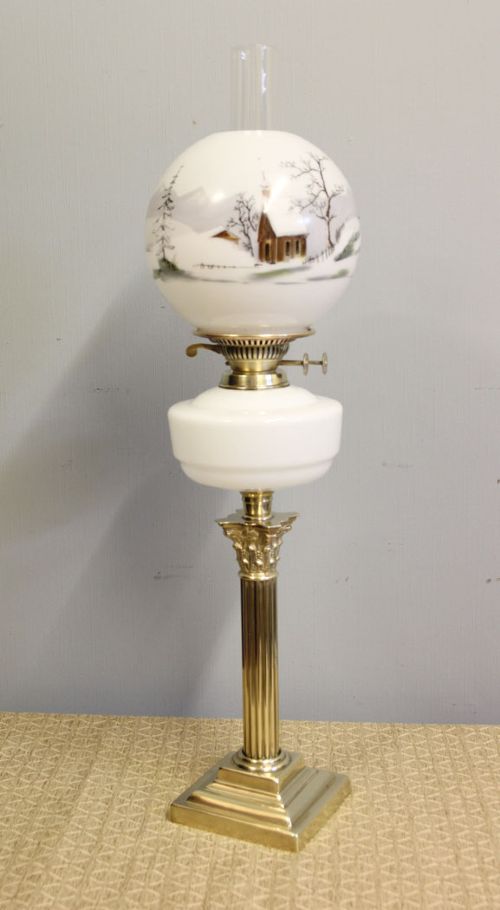
Enamel decoration required skill. Workers painted floral motifs onto opaque glass bodies before firing them to set the design.
"Many founts hold a hidden inner reservoir. This clever double-wall design catches drips and stops fuel from ruining the table if the outer shell breaks."
"Colza oil was pressed from rapeseed. It offered a clean burn that smelled much sweeter in a confined parlour than early animal fats."
"Notice the tinted shades. Pale blue glass was often chosen because it filtered out the harsh yellow glare."
Based on almost 25 years of Sellingantiques UK antique market data, Antique Oil Lamps appeared 1988 times (out of 1,100,000 antiques) which gives it a rarity score of 67/100.
This score measures scarcity within the Sellingantiques archive only and is not a survey of the entire antiques market, so these statistics may not be indicative of the general availability of Antique Oil Lamps elsewhere.
Use a soft brush to remove loose soot from the air vents. The gallery slots need to stay clear for a good flame.
A mild metal polish works for the exterior brass. Avoid getting paste inside the wick gears, as it dries out and jams the mechanism.
Old paraffin turns into a tough varnish over time. It binds the cotton wick to the brass tube and locks the gears solid.
Applying a few drops of penetrating fluid down the wick slot often helps. Give it a day to soak in before trying the thumb-wheel again.
Never force a stuck wheel. The small teeth on the winder strip easily, which means sourcing a replacement burner.
Modern lamp oil is the safest choice for indoor use. It burns without producing much soot.
Avoid citronella or scented oils. They clog old cotton wicks very quickly.
Heat expansion is the main issue here. When the burner warms up, the glass shade expands slightly, and existing stress lines can travel further.
A small rim chip rarely causes trouble. A running crack near the base where heat concentrates is much riskier.
Keep the flame low if you do light it. Sudden temperature changes are what finally break compromised glass.
Please note: This Antique Oil Lamps guide and its associated pricing data are provided for general informational purposes only. It does not constitute formal financial, investment, or appraisal advice and should not be relied upon as the sole basis for any commercial activity, purchasing, or sales decisions. Sellingantiques.co.uk accepts no liability for any actions taken in reliance on this information. Always consult with a qualified professional or independent appraiser.
