
A 2026 Guide by Sellingantiques
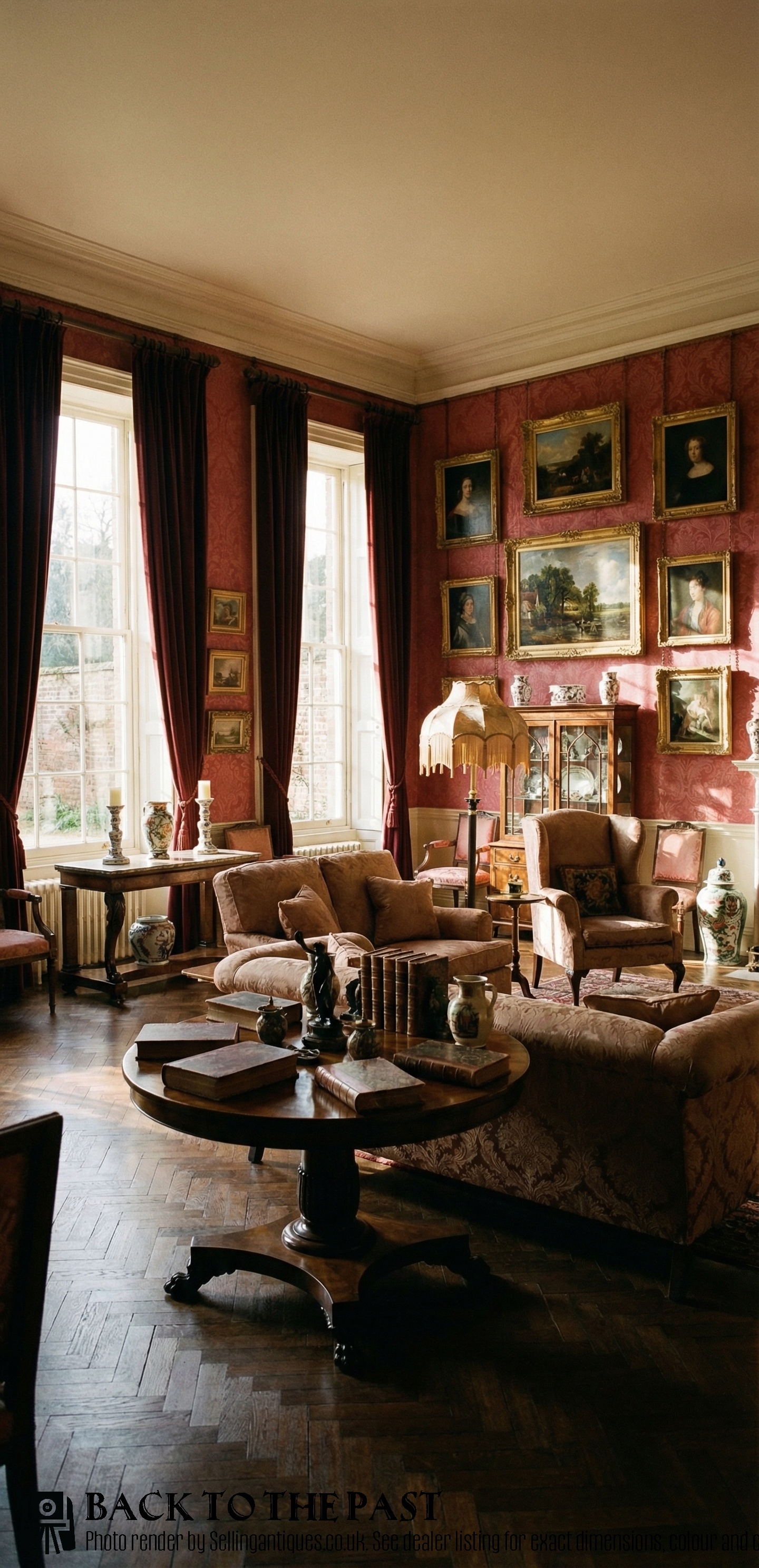
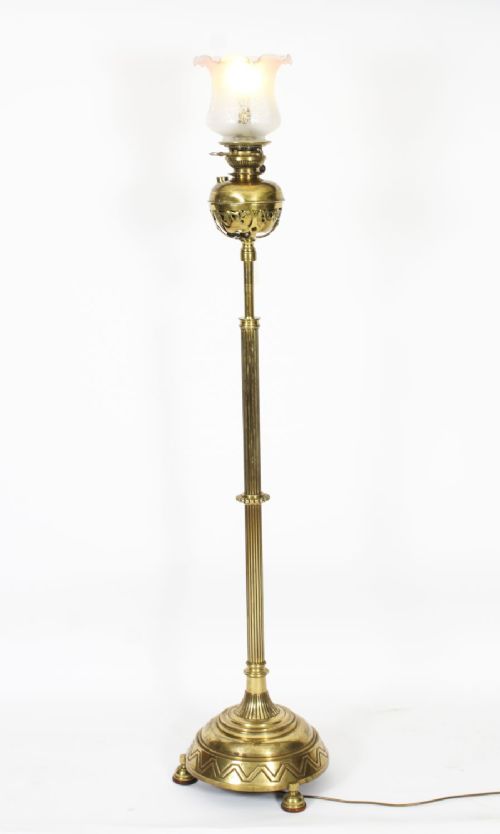
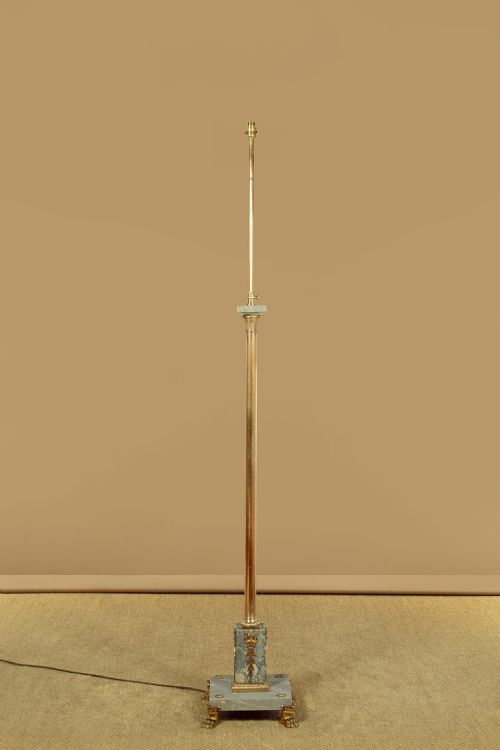
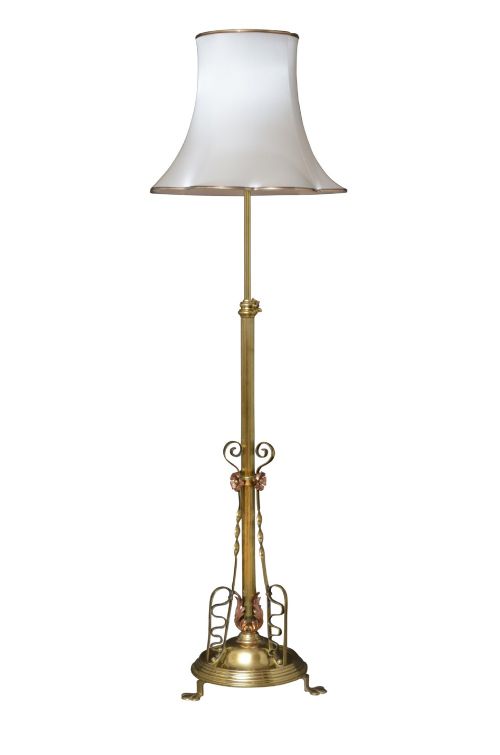
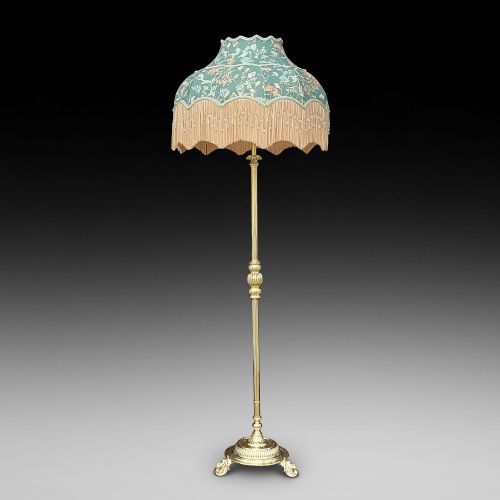
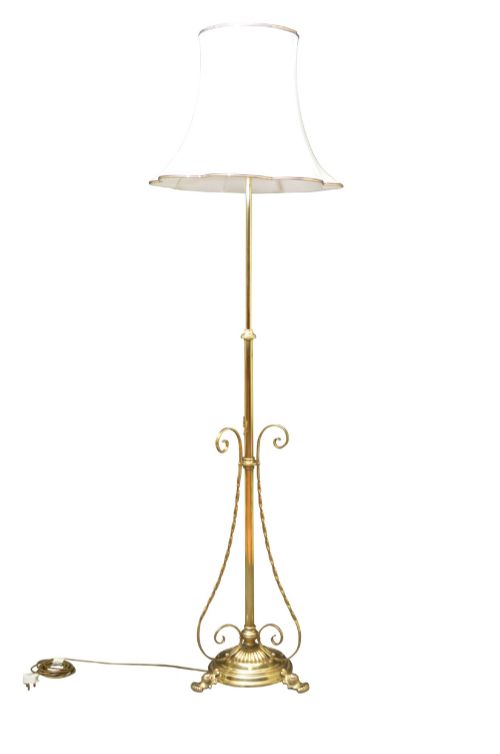
Antique Gilt Bronze Floor Standard Lamp, 19th Century
Priced at £975 from Andrew Lovatt Antiques
Gas lighting originally paved the way for these fixtures during the Victorian era.
Adapted forms. Many early examples were older torchères converted from holding candles.
Expect widespread electrification in the early twentieth century to have made antique floor lamps a domestic staple.
Look for heavy cast iron weights hidden inside the bases, added to stop them toppling over.
They're often Edwardian. Most surviving examples belong to the early twentieth century.
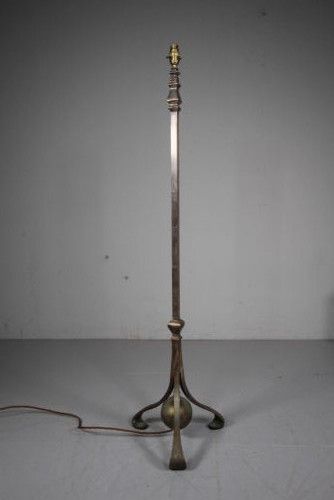
W.A.S. Benson produced highly distinctive brass and copper lighting during the Arts and Crafts period.
His workshop frequently incorporated leafy motifs and articulated joints into their metalwork designs.
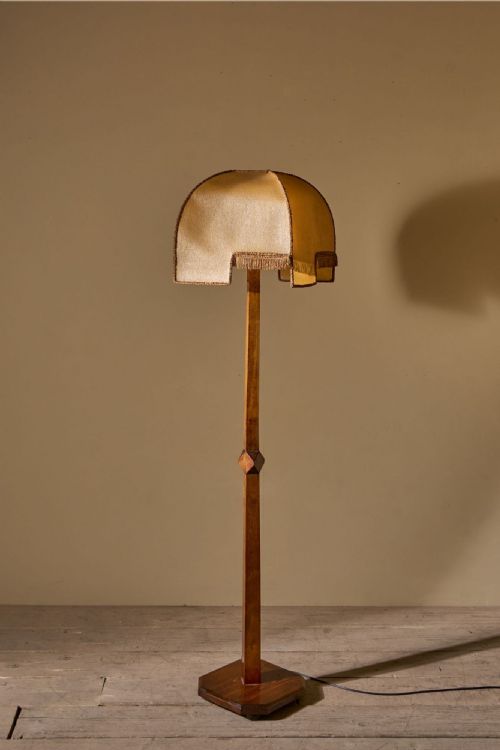
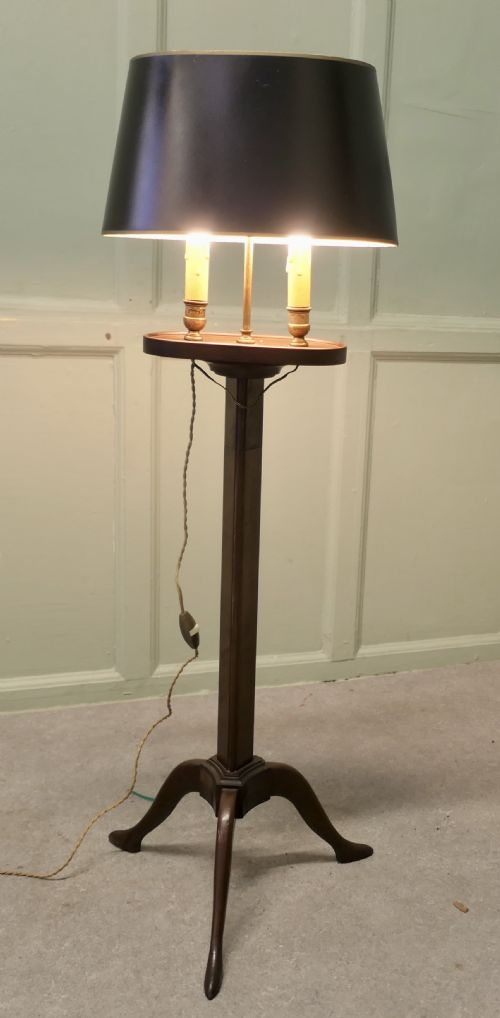
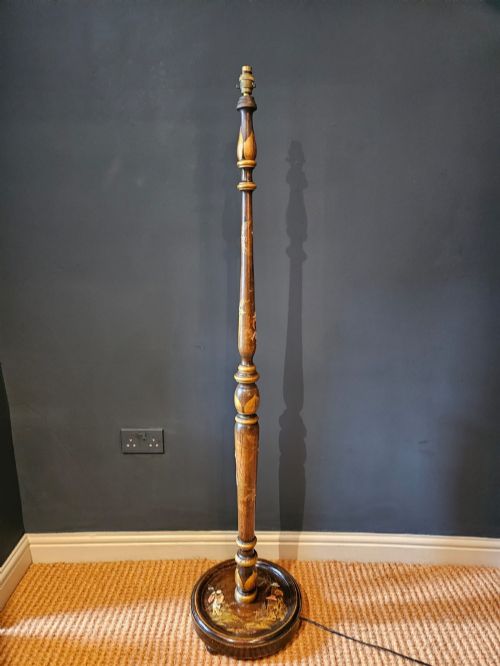
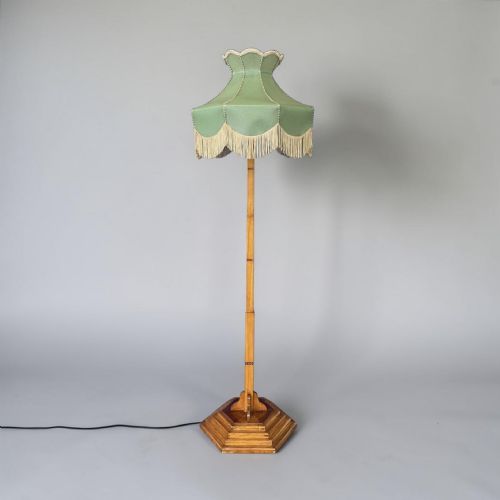
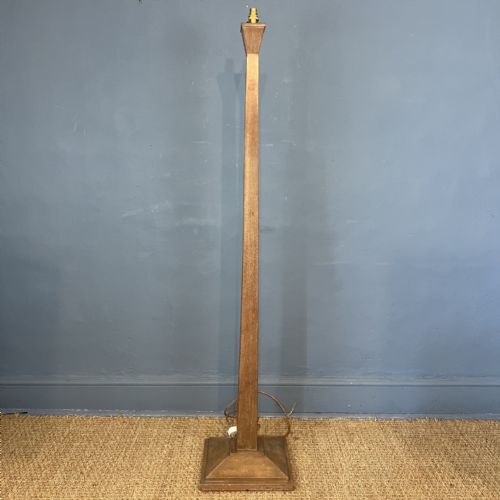
Regional tradesmen built most wooden standard lamps. They're rarely stamped with a maker's mark.
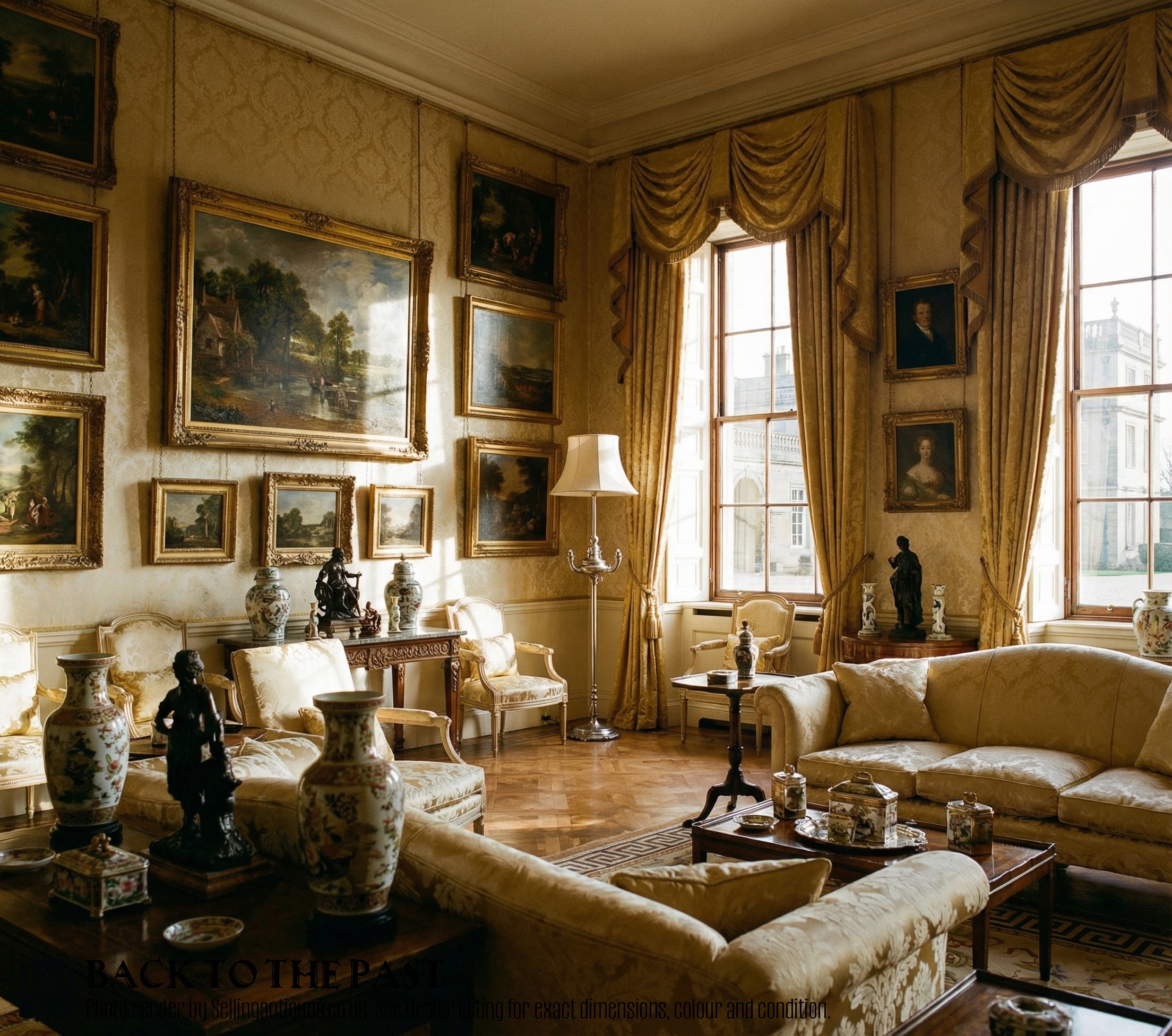
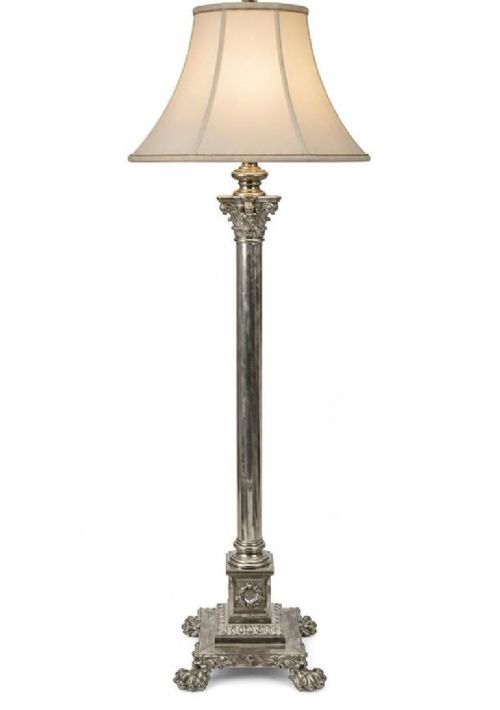
Silvered Standard Lamp, 1920
Priced at £745 from Shackladys Antiques
The 2026 retail price guide for Antique Floor Lamps is drawn from a proprietary archive of over 1.1 million retail prices indexed by Sellingantiques since 2003. This guide relies exclusively on their own internal data; no external sources or auction records are used.
Analysing nearly 25 years of UK antique market history alongside current retail values, the data indicates that typical UK retail prices for Antique Floor Lamps range between £500 and £1,800. Entry-level prices generally fall under £500 and premium examples upwards of £1,800.
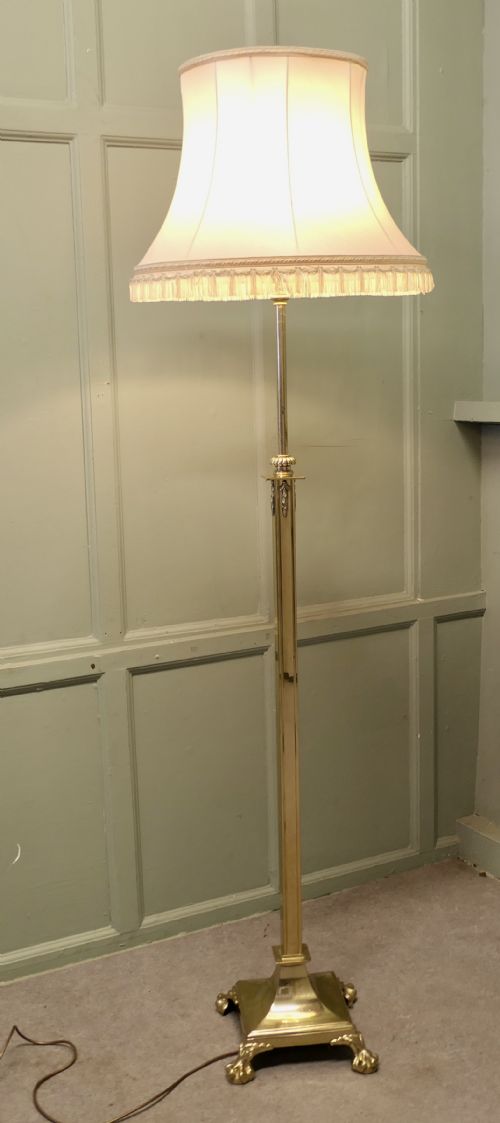
Adjustable telescopic brass tubes let you raise or lower the bulb height for reading.
Heavy circular or tripod bases anchor the long vertical column safely to the floor.
Notice the switched lamp holders. Older versions sometimes retain push-bar mechanisms rather than modern toggles.
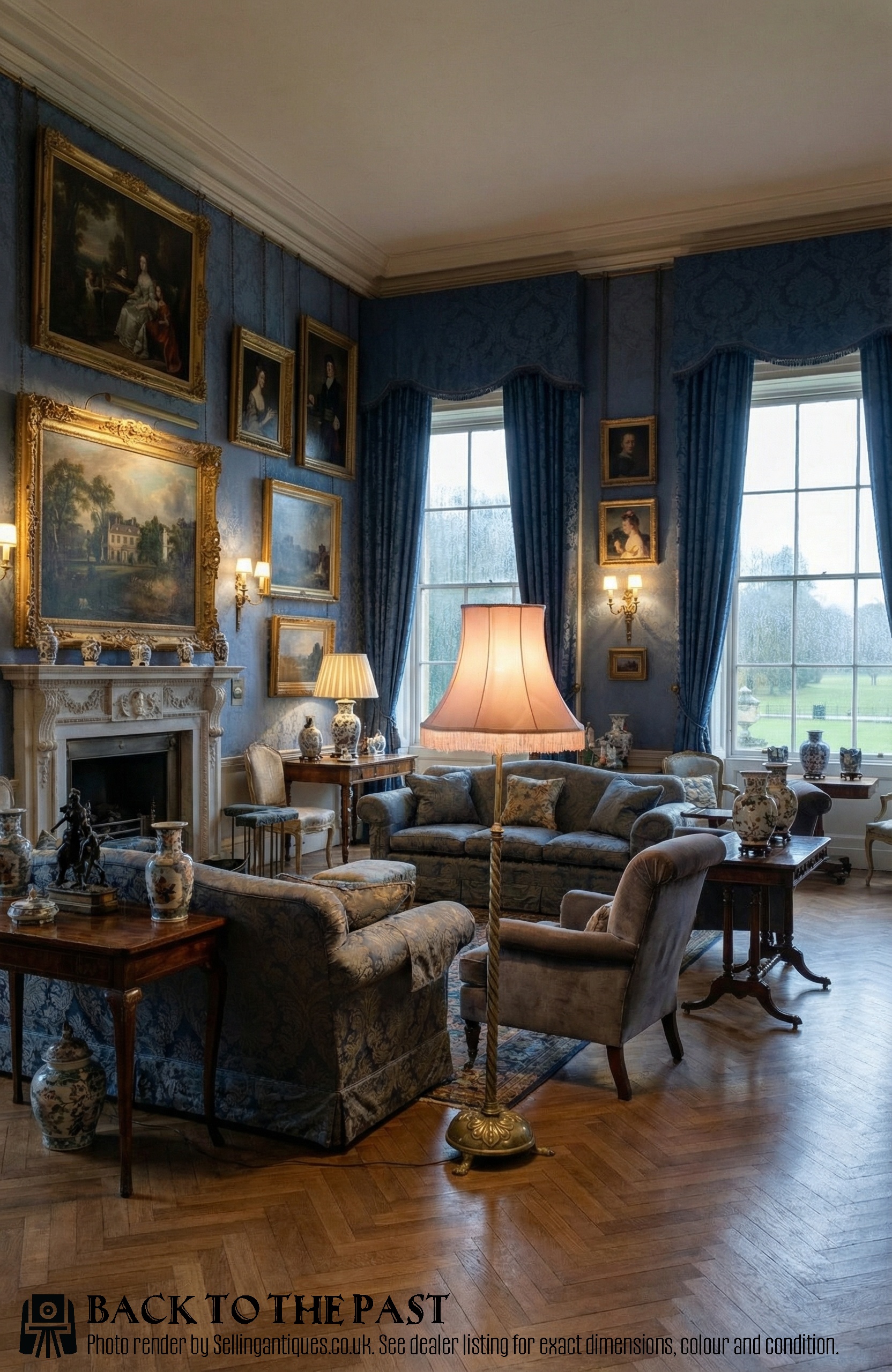
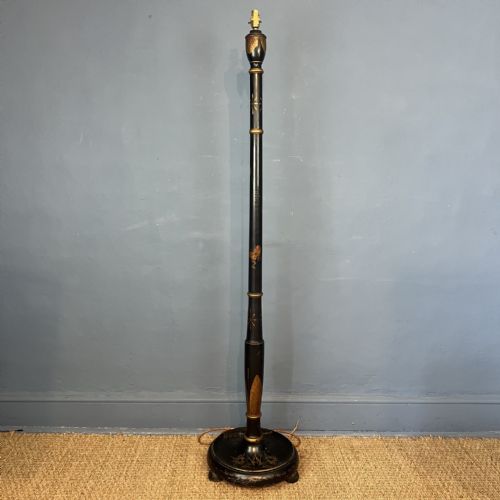
Arts and Crafts Telescopic Brass Floor Lamp, 1920
Priced at £650 from Elmgarden
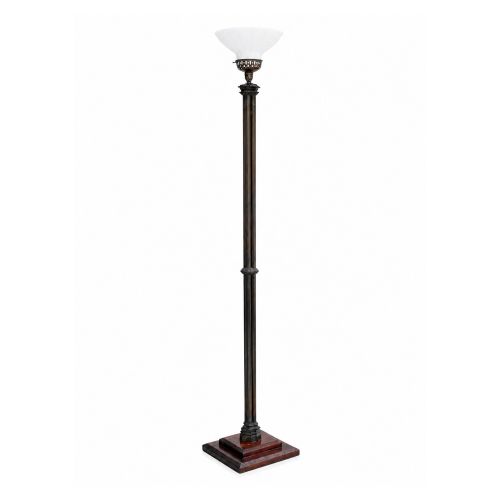
Turners shaped long wooden columns on pole lathes, matching the classical architectural orders with distinct plinths and capitals.
Metal founders cast heavy brass sections in sand moulds before threading them together on a central iron rod.
Arts and Crafts makers shifted away from classical woodturning, opting instead for forged iron tripods and hammered copper.
"Early wooden standards often started life as four-poster bed pillars before clever dealers repurposed them into tall lighting."
"Drilling the hollow channel down the middle of a wooden column required exceptional skill with a long shell auger."
"Some telescopic metal designs double as music stands. You'll find fold-out rests hidden halfway up the brass stem."
Based on almost 25 years of Sellingantiques UK antique market data, Antique Floor Lamps appeared 1023 times (out of 1,100,000 antiques) which gives it a rarity score of 81/100.
This score measures scarcity within the Sellingantiques archive only and is not a survey of the entire antiques market, so these statistics may not be indicative of the general availability of Antique Floor Lamps elsewhere.
Rewiring requires a qualified electrician to ensure everything meets current regulations. They'll pull a new three-core flex up through the central channel and install an earthed metal lampholder at the top.
Wooden columns sometimes have very narrow holes drilled down the centre. The electrician might need to use a flexible rod to guide the fresh cable through without snagging on internal splinters.
The dark surface is a natural patina built up over decades of air exposure. Many buyers prefer this aged look on antique floor lamps, as it shows the history of the brass.
Polishing it back to bare metal requires chemical cleaners and abrasive rubbing. If you do choose to polish it, the brass will eventually darken again unless sealed with a clear lacquer.
A tall standard lamp usually needs a substantial shade to look balanced. Base widths of sixteen to twenty inches often work well.
Check the fitting type before buying. Some attach to a gimbal frame, while others fix directly to the lampholder.
A leaning column usually points to a loose connection at the base. Turn the lamp over and look for a large central nut or wooden thread underneath.
Tightening this joint often pulls the standard back upright. If the base itself is warped, placing a felt pad under one edge corrects the stance on hard floors.
Please note: This Antique Floor Lamps guide and its associated pricing data are provided for general informational purposes only. It does not constitute formal financial, investment, or appraisal advice and should not be relied upon as the sole basis for any commercial activity, purchasing, or sales decisions. Sellingantiques.co.uk accepts no liability for any actions taken in reliance on this information. Always consult with a qualified professional or independent appraiser.
