





A 2026 Guide by Sellingantiques
Pieces emerged as a standard practice after the English Civil War.
Royal deaths often triggered widespread production. Queen Victoria popularised the wearing of black mourning items for decades following Albert's passing.
Look at Georgian examples for earlier memento mori motifs like skulls.
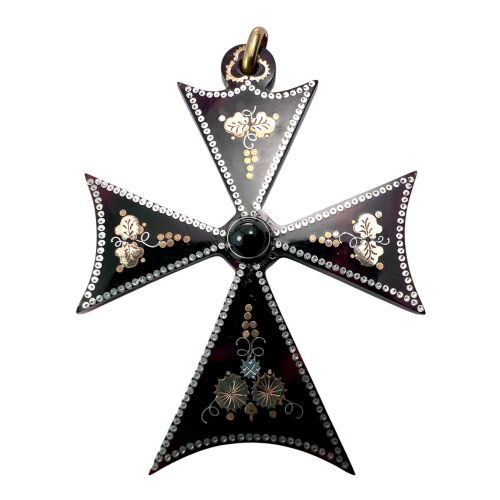
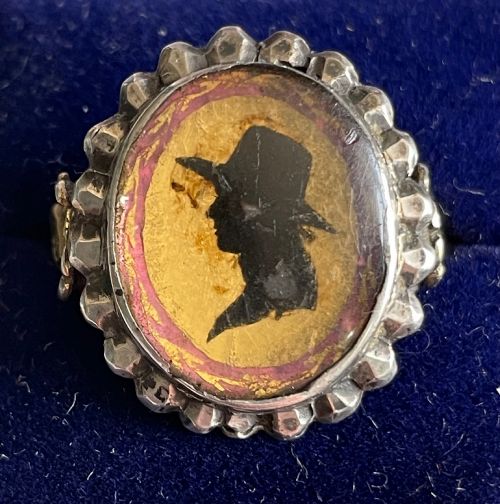
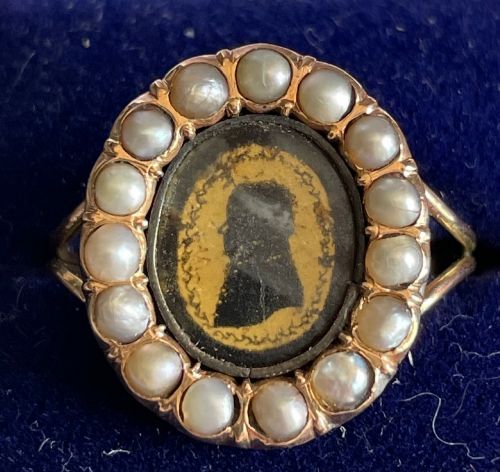
Widespread custom across the nineteenth century meant nearly every social class commissioned antique mourning jewellery.
Much antique mourning jewellery lacks a specific maker's mark.
Regional goldsmiths handled the bulk of production, adding personalised engraving to standard cast blanks sent from larger provincial centres.
Hair artists advertised in trade directories, working independently to weave complex designs before sending them back for mounting.
The 2026 retail price guide for Antique Mourning Jewellery is drawn from a proprietary archive of over 1.1 million retail prices indexed by Sellingantiques since 2003. This guide relies exclusively on their own internal data; no external sources or auction records are used.
Analysing nearly 25 years of UK antique market history alongside current retail values, the data indicates that typical UK retail prices for Antique Mourning Jewellery range between £300 and £1,800. Entry-level prices generally fall under £300 and premium examples upwards of £1,800.
Names, ages, and exact dates of death often sit engraved on the reverse of the setting.
Check the central compartment. Many pieces retain a carefully arranged lock of hair bound with fine gold wire.
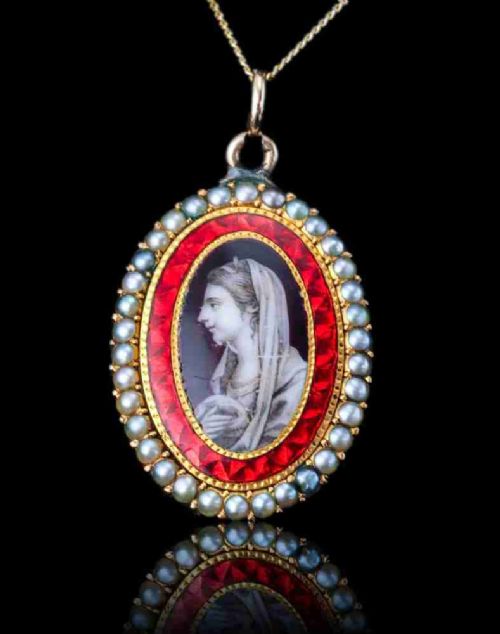
White enamel indicates the deceased was unmarried or a child.
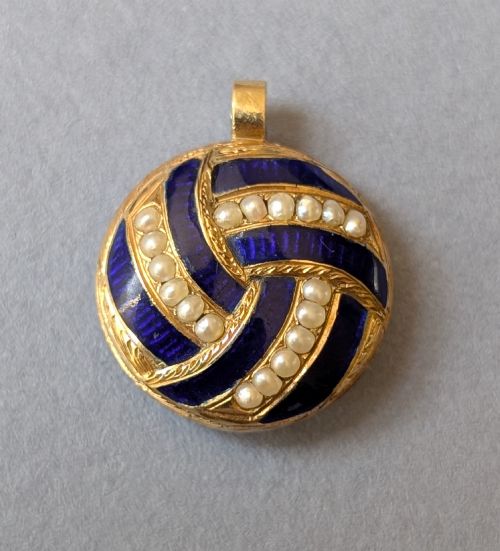
Early enamelling required firing glass powder onto gold frames in small kilns.
Notice the evolution of hairwork. It shifted from simple loops secured with thread to three-dimensional structures requiring wire armatures.
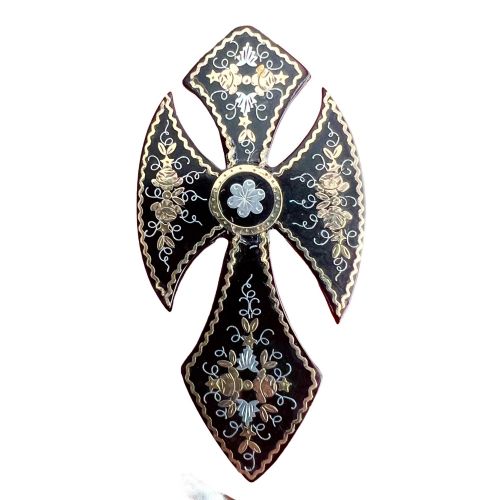
Carved jet demanded specific bench tools to cut the brittle material without shattering the deep relief details.
"Many pieces were funded by the deceased, having left instructions and money in their wills to provide rings for friends."
"Surviving ledgers show hairworkers were highly skilled tradeswomen operating busy independent workshops."
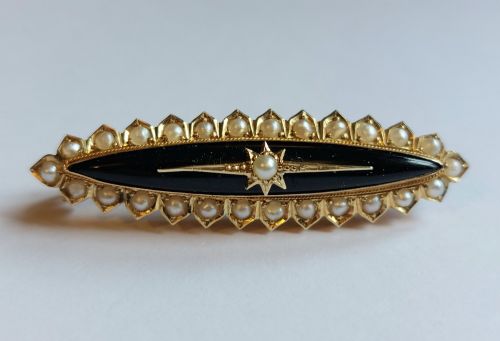
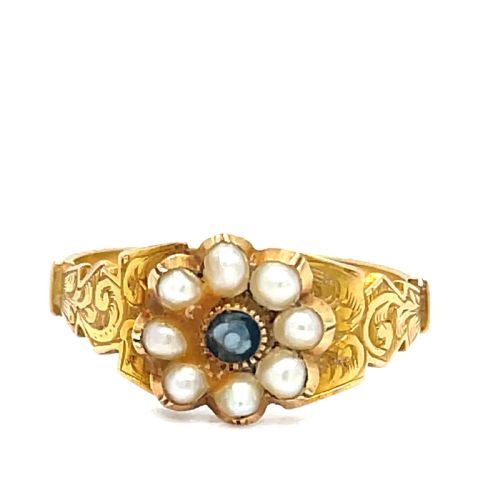
"The inclusion of seed pearls specifically represented tears within the design language of the period."
Based on almost 25 years of Sellingantiques UK antique market data, Antique Mourning Jewellery appeared 505 times (out of 1,100,000 antiques) which gives it a rarity score of 90/100.
This score measures scarcity within the Sellingantiques archive only and is not a survey of the entire antiques market, so these statistics may not be indicative of the general availability of Antique Mourning Jewellery elsewhere.
It is the standard dedication found on nineteenth-century pieces. The phrase is usually followed by the name and date of death.
Jewellers kept pre-enamelled bands with this wording in stock. They engraved the inside with the specific personal details once a customer ordered it.
Jet is a fossilised wood that feels warm against the skin. It is noticeably lighter than glass or stone. You often find it carved with deep floral motifs.
Vulcanite is an early rubber used as a substitute. It also feels warm and light but tends to turn slightly brown when exposed to sunlight over decades.
Keep liquids away from the hair compartment. Moisture can seep under the glass and cause the hair to rot or unglue.
Use a dry jeweller's cloth on the metal sections. A soft brush is enough to remove dust from the crevices.
Not all hair jewellery was made for mourning. Much of it functioned as a simple token of affection given between living family members or separated lovers.
Without an inscription or black enamel, it is safer to treat it as sentimental rather than mourning. These plain lockets were standard items for Victorian goldsmiths.
Please note: This Antique Mourning Jewellery guide and its associated pricing data are provided for general informational purposes only. It does not constitute formal financial, investment, or appraisal advice and should not be relied upon as the sole basis for any commercial activity, purchasing, or sales decisions. Sellingantiques.co.uk accepts no liability for any actions taken in reliance on this information. Always consult with a qualified professional or independent appraiser.
