
A 2026 Guide by Sellingantiques
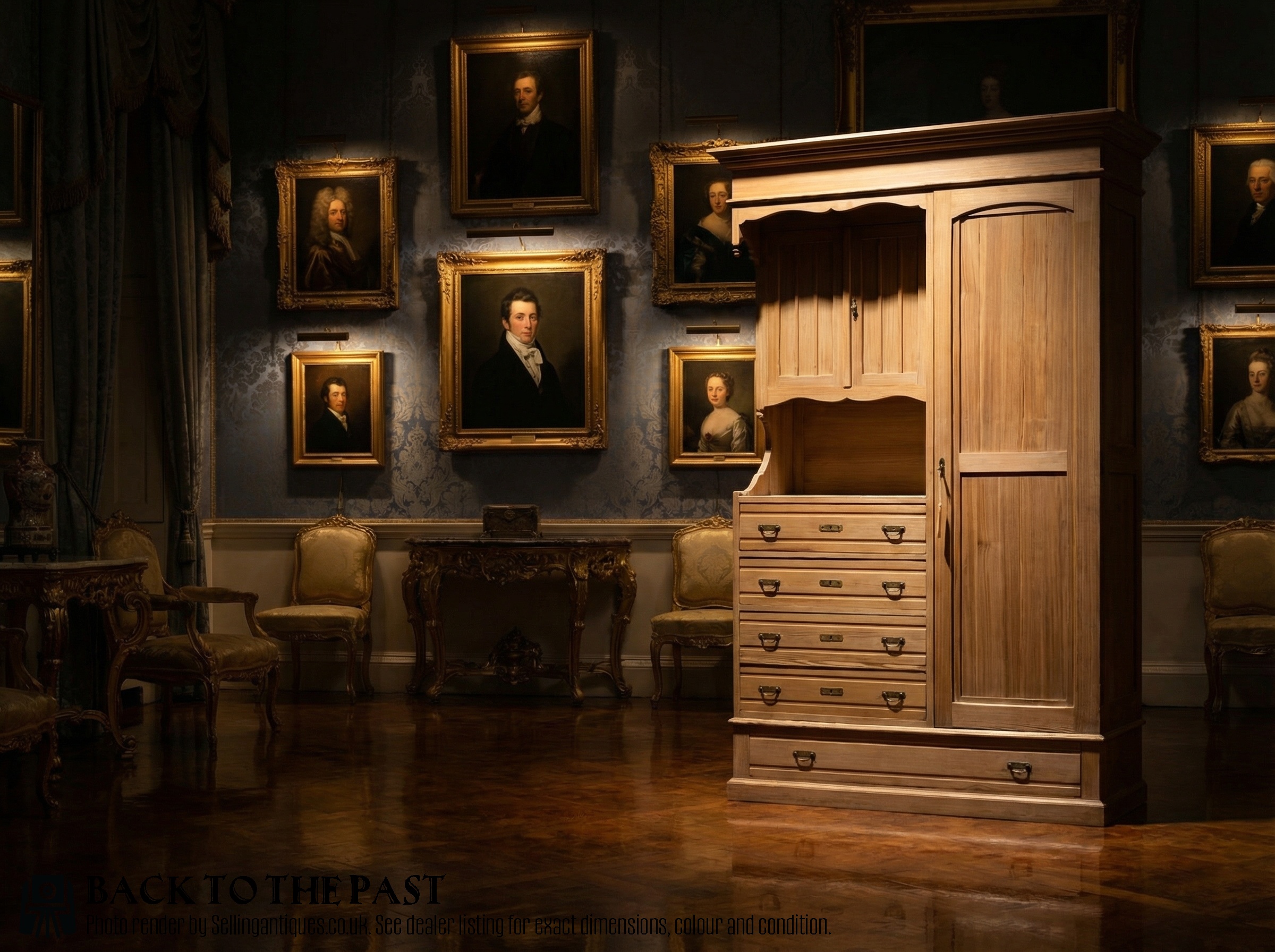
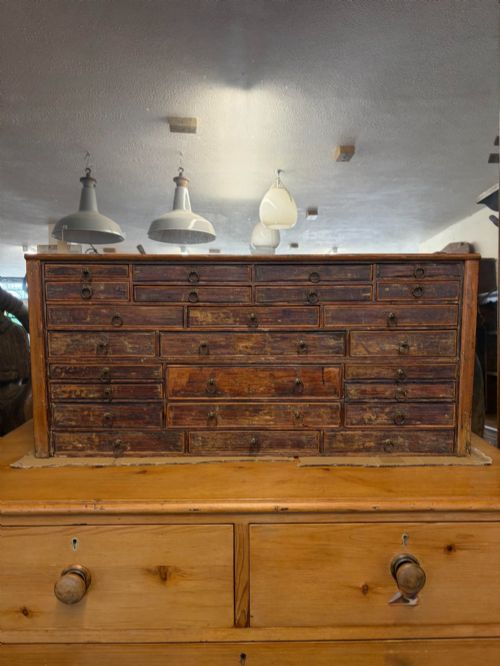
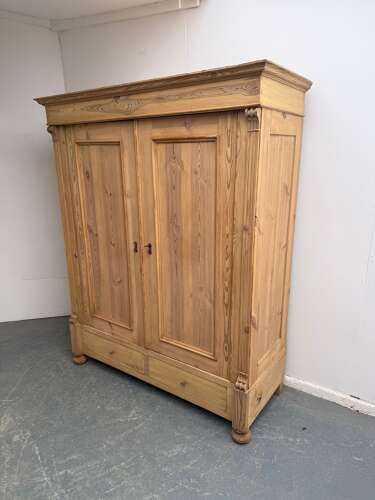
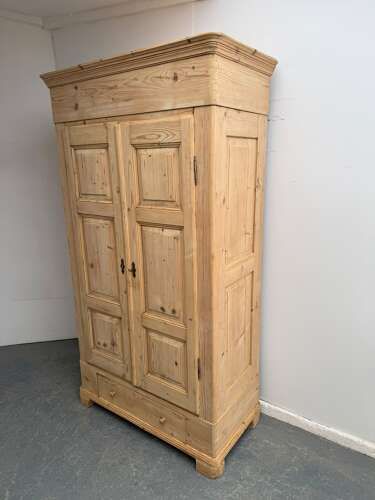
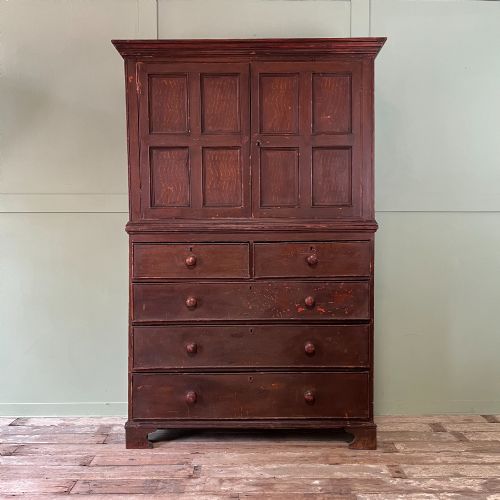
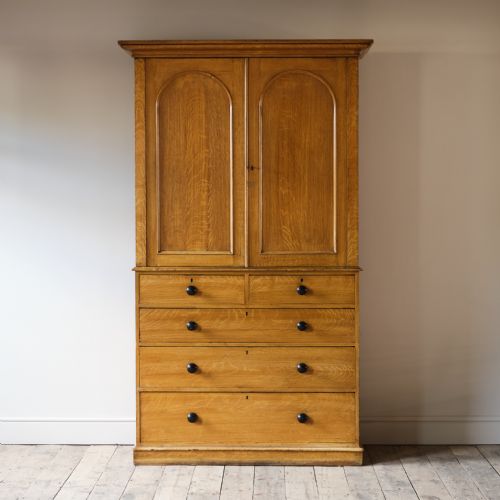
Very Quirky Antique Pine Cupboard Unit with Drawers (Partially Dismantles), 1920
Priced at £1,500 from Pinefinders
A staple of nineteenth-century domestic life, these antique pine cupboards lived below stairs far from formal rooms.
Most survive from the Victorian and Edwardian periods, when imported timber became widely available.
Look closely at the exterior finish. Many started out painted to look like better wood or just to handle damp spaces.
Stripping carcases to bare wood became a huge trade practice later in the twentieth century.
Named makers almost never appear on these. Antique pine cupboards belong to the vernacular tradition.
Local carpenters knocked them together for specific spaces in provincial homes. Every town had joiners building basic frameworks.
Regional variations dictate the shape more than a specific workshop style. Dresser bases in Wales look different to eastern counties.
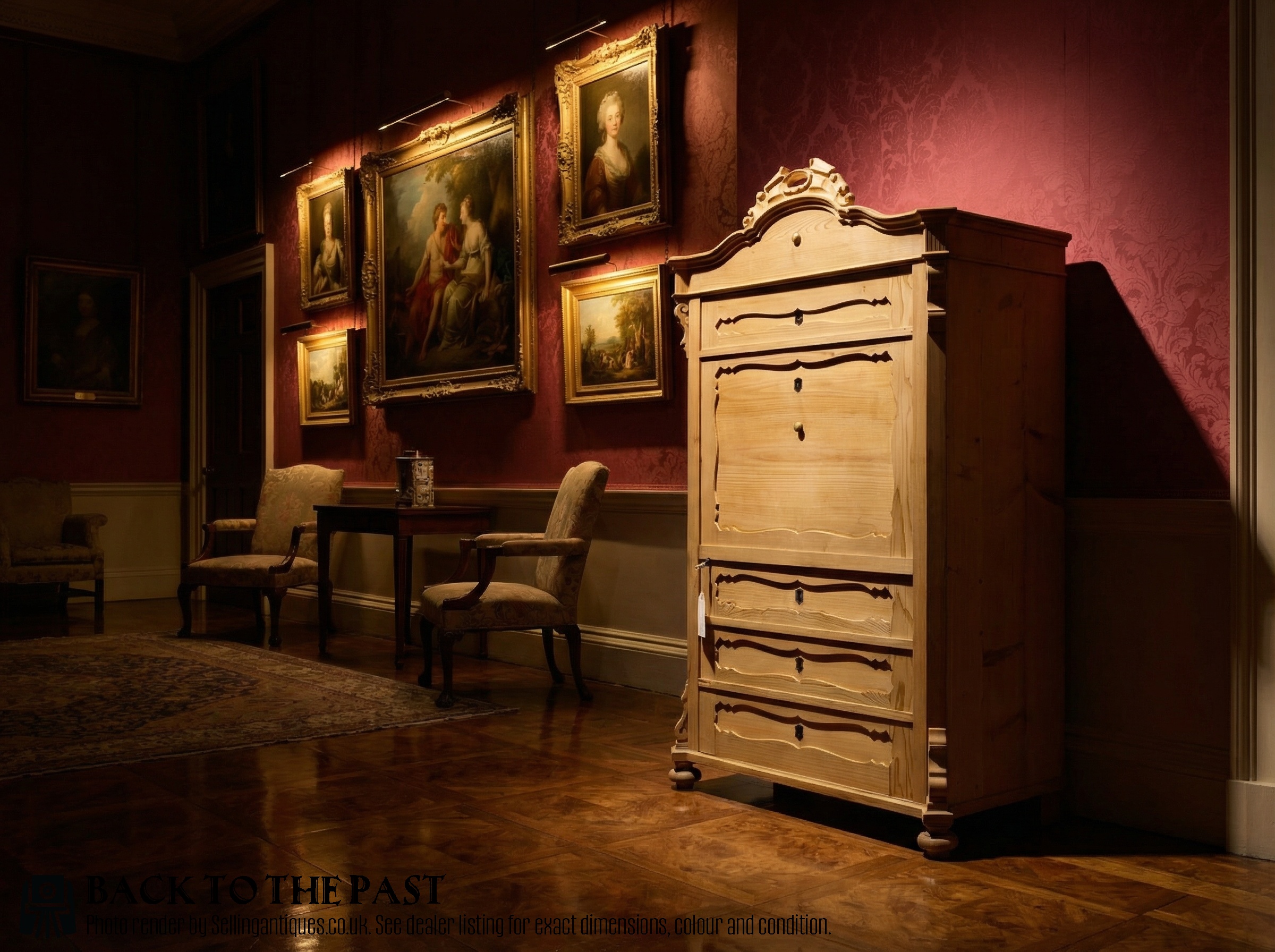
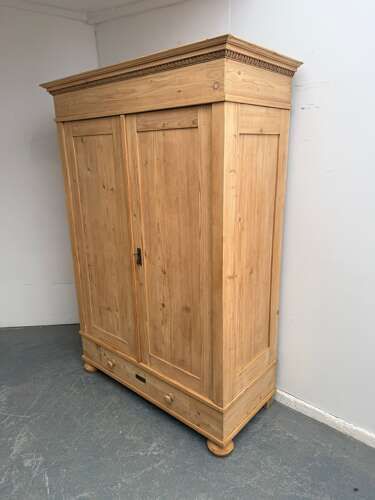
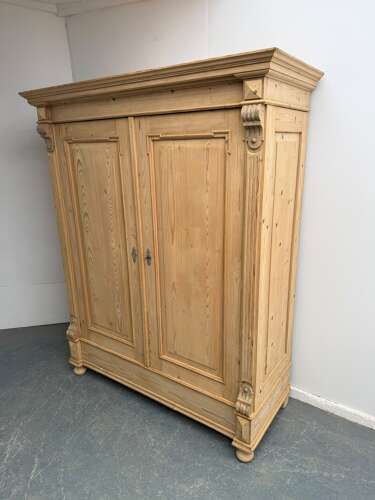
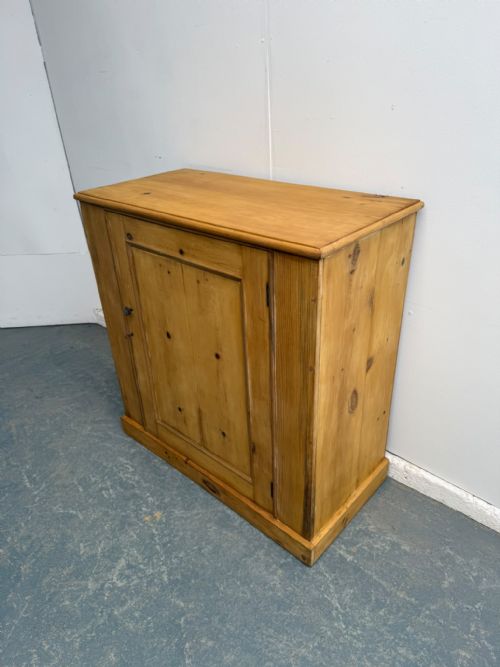
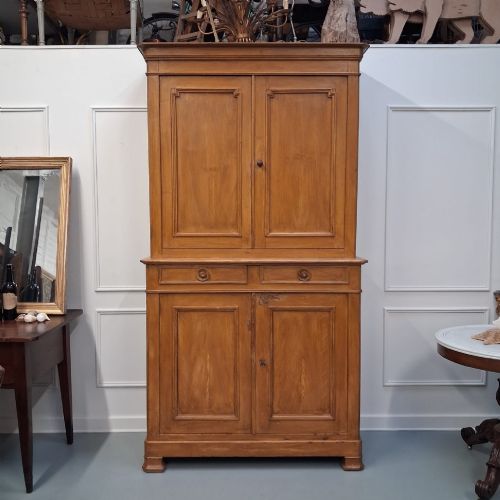
Large Decorative Single Door Antique Pine Cupboard, 1900
Priced at £560 from Pinefinders
The 2026 retail price guide for Antique Pine Cupboards is drawn from a proprietary archive of over 1.1 million retail prices indexed by Sellingantiques since 2003. This guide relies exclusively on their own internal data; no external sources or auction records are used.
Analysing nearly 25 years of UK antique market history alongside current retail values, the data indicates that typical UK retail prices for Antique Pine Cupboards range between £400 and £1,900. Entry-level prices generally fall under £400 and premium examples upwards of £1,900.
Plinth bases sit directly on the floor. They stop dust gathering underneath and keep out mice.
Check the shelving arrangement. Fixed boards usually slot straight into grooves cut into the side panels.
Turned wooden knobs are standard hardware on the doors, rather than brass drops or fancy escutcheons.
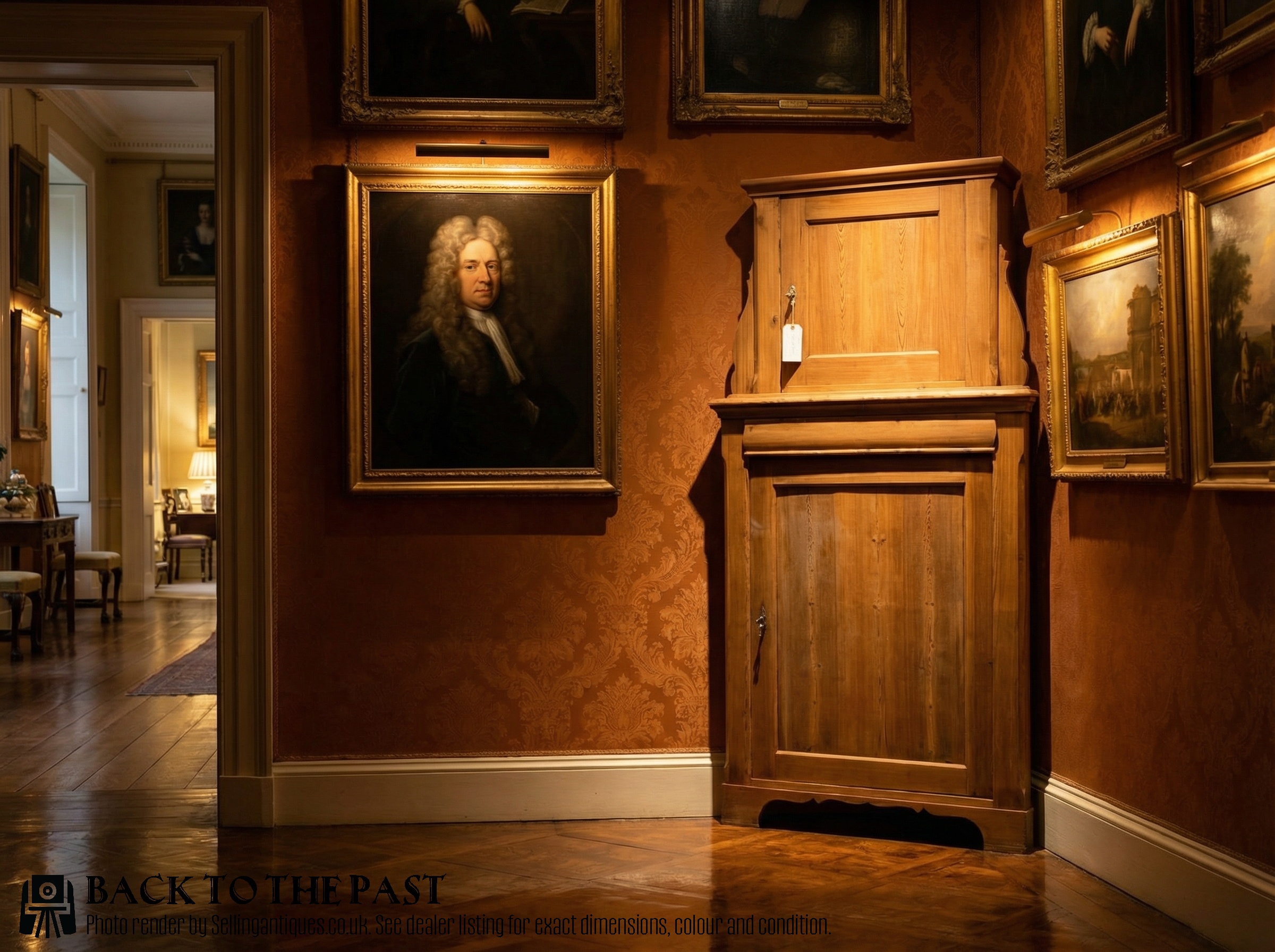
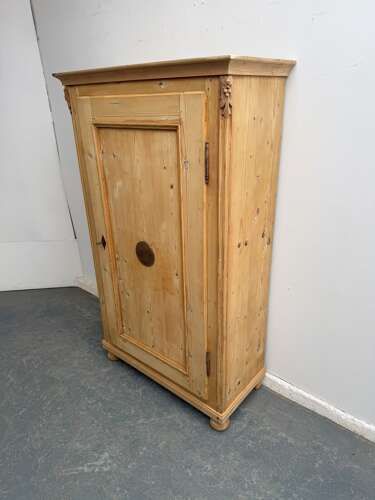
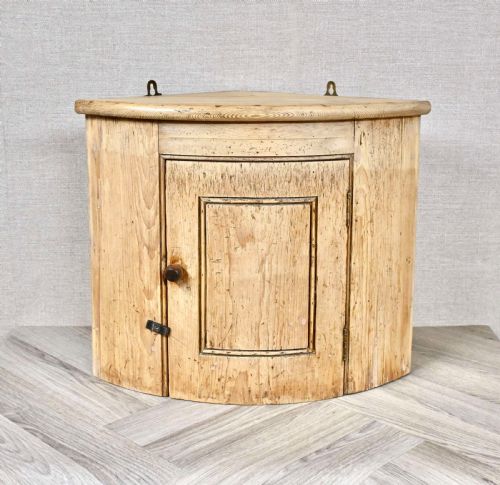
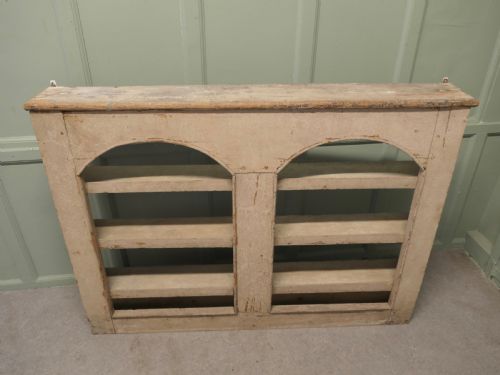
Large Tall Antique Pine Corner Cupboard, 1910
Priced at £700 from Pinefinders
Pegged mortise and tenon joints hold the earliest examples together. Wooden dowels lock the frame tight.
Machine-cut dovetails show up later. Factories began turning out drawer boxes much faster this way.
Frame and panel construction prevents the solid wood from splitting as it shrinks. The centre floats loose.
"The warm honey colour everyone associates with these pieces comes from later waxing. Freshly stripped wood looks quite dry."
"Some bases hide secret compartments behind a false bottom drawer. People kept household silver out of sight in the kitchen."
"Pitch pine versions carry a distinct scent. The high resin content acts as a natural deterrent against woodworm."
Based on almost 25 years of Sellingantiques UK antique market data, Antique Pine Cupboards appeared 4391 times (out of 1,100,000 antiques) which gives it a rarity score of 42/100.
This score measures scarcity within the Sellingantiques archive only and is not a survey of the entire antiques market, so these statistics may not be indicative of the general availability of Antique Pine Cupboards elsewhere.
Many started out painted anyway. Scumble glaze and lead paints were common practice in Victorian sculleries.
Applying a fresh coat now will not hurt an unstripped piece. Just make sure the surface is clean and free of old wax before you prime it.
Antique carcases twist when they sit on an uneven surface. Pine is a flexible softwood, so the whole frame will lean if one corner drops into a dip in the floorboards.
Slide some thin wooden wedges under the lowest corners. Watch the door gaps as you lift the base. Once the gaps look even and the binding stops, trim the wedges flush with the plinth.
That sticky feeling usually means a build-up of old wax and kitchen grease. Over time, the surface attracts dust and creates a tacky residue that regular dusting will not shift.
Use a soft cloth dampened with white spirit. Rub gently along the grain to lift the dirty wax without damaging the wood underneath. Once it dries, apply a thin coat of fresh beeswax and buff it out.
Back boards often sit loosely in rebates rather than being nailed hard into the frame. Wood expands and contracts with changes in humidity. Giving the boards room to move stops them cracking down the middle during winter.
Sometimes the original small brads rust or loosen up. If the rattling bothers you, tap in a few small panel pins. Do not glue them, or the boards will split when the heating comes on.
Please note: This Antique Pine Cupboards guide and its associated pricing data are provided for general informational purposes only. It does not constitute formal financial, investment, or appraisal advice and should not be relied upon as the sole basis for any commercial activity, purchasing, or sales decisions. Sellingantiques.co.uk accepts no liability for any actions taken in reliance on this information. Always consult with a qualified professional or independent appraiser.
