



A 2026 Guide by Sellingantiques
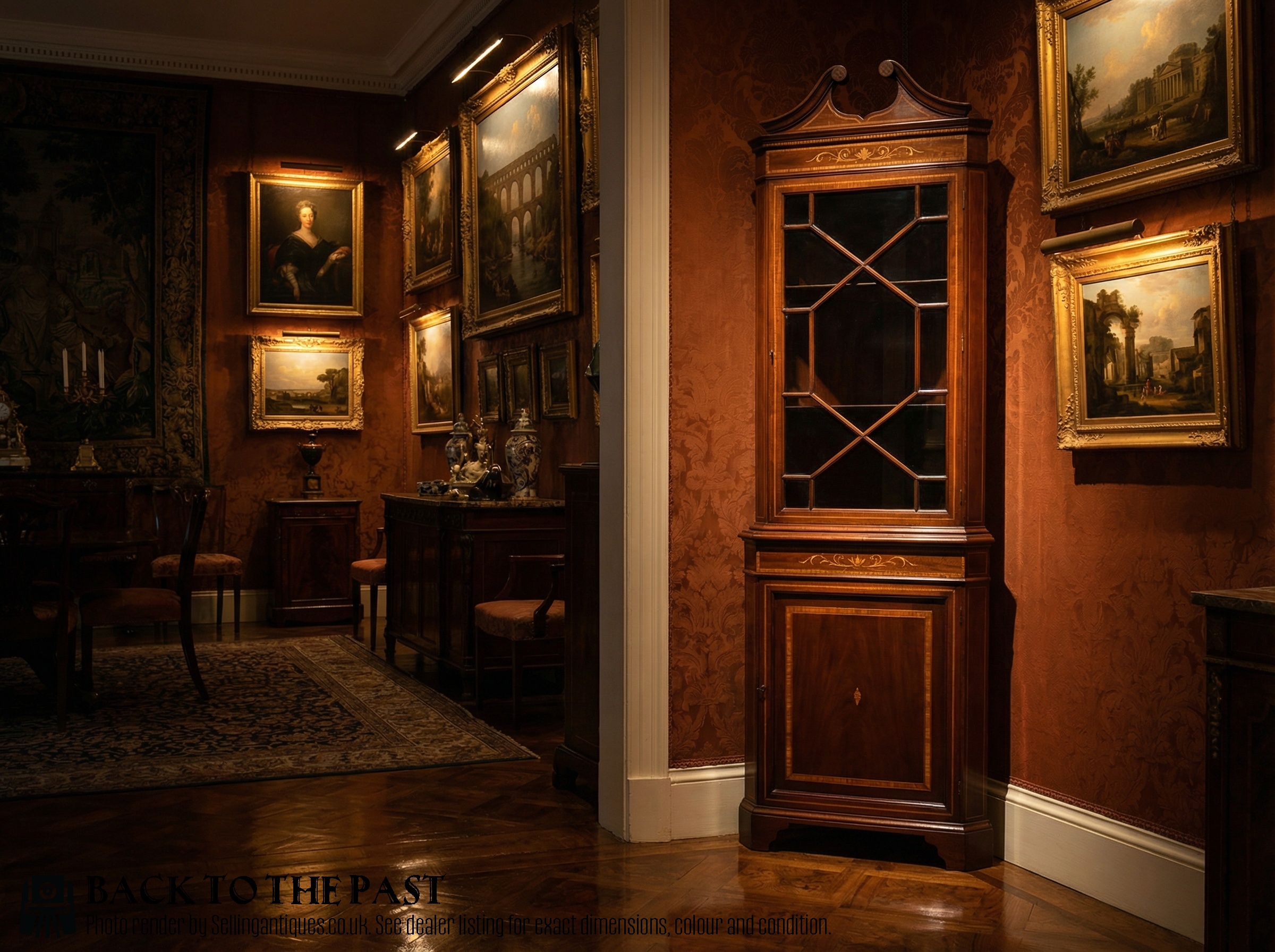
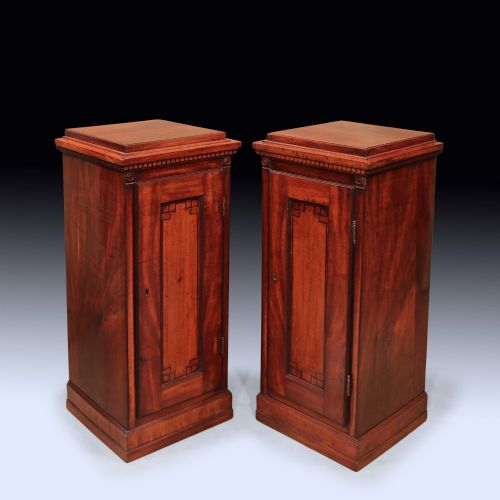
An Edwardian Mahogany and Inlaid Corner Cupboard., Edwardian
Priced at £795 from Long Melford Antiques
Look at the shift in the mid-eighteenth century. Cabinet makers moved away from oak as imported mahogany flooded the market.
They replaced traditional coffers for household storage. Upright doors made reaching folded linens much easier.
Townhouses built with alcoves dictated the scale. Narrower proportions evolved to fit tight recesses alongside chimney breasts.
Regional variations emerged as coastal ports received timber shipments first. Inland workshops adopted the new wood later.
Some pieces served dual roles in the dining room. Food and serving equipment sat neatly behind tall panelled doors, hiding domestic clutter from guests during formal evening meals.
Thomas Chippendale supplied grand examples. His surviving workshop accounts list substantial clothes presses.
Gillows of Lancaster stamped some late eighteenth-century storage furniture. They sent large quantities of well-made pieces to London.
Provincial cabinet makers constructed most pieces. Few signed their work, leaving domestic cupboards mostly anonymous today. You will rarely find a maker's mark on everyday storage.
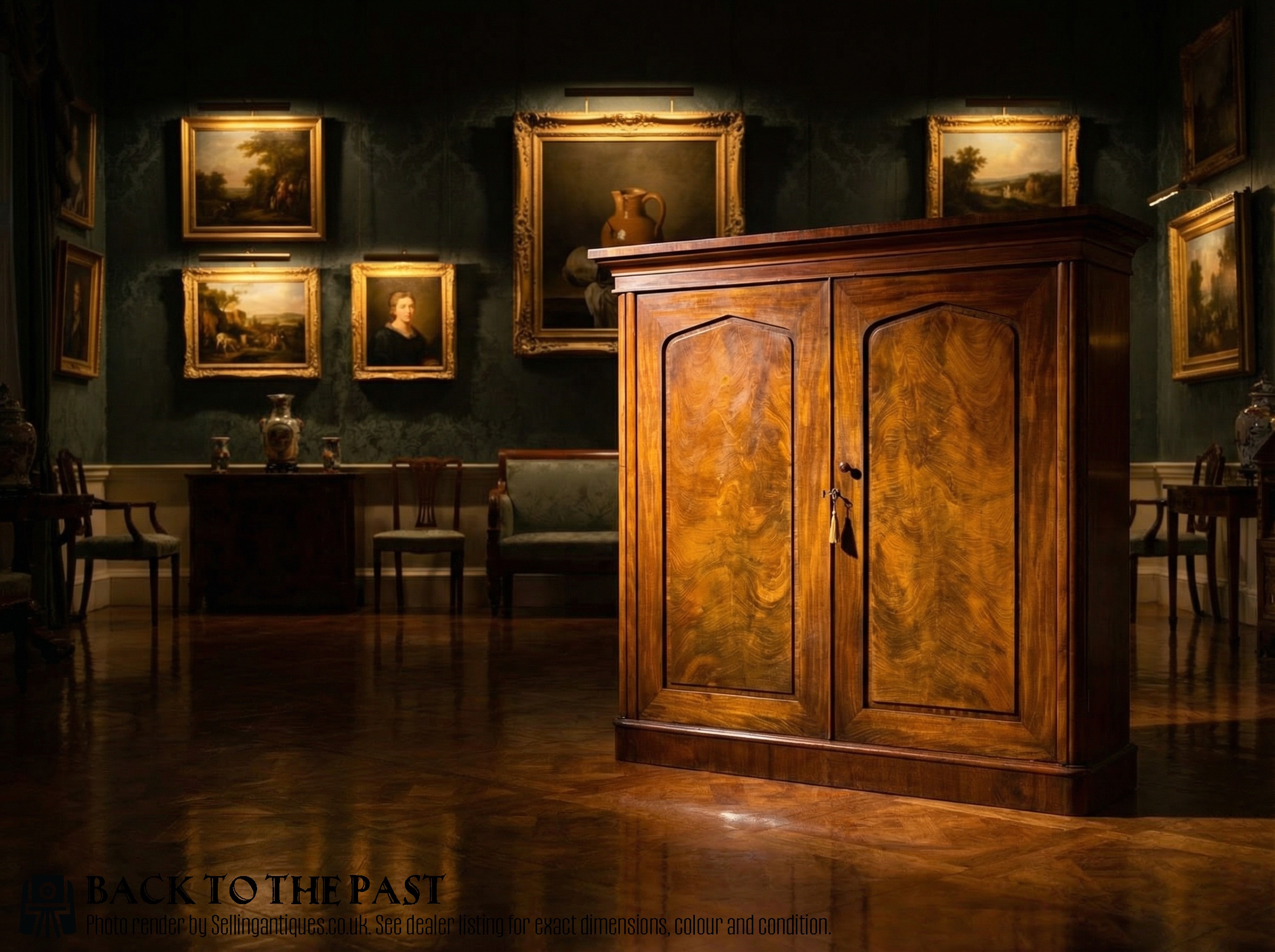
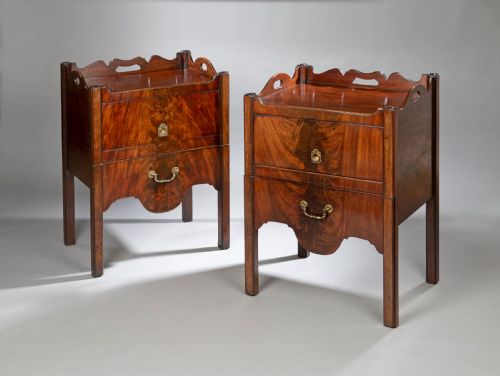
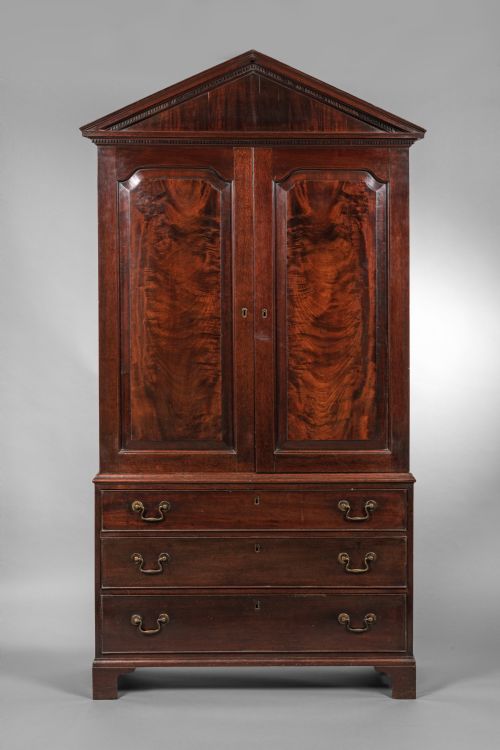
C19th Flame Mahogany Country House Library Cupboard, 1850
Priced at £950 from Beresford Antiques LTD
The 2026 retail price guide for Antique Mahogany Cupboards is drawn from a proprietary archive of over 1.1 million retail prices indexed by Sellingantiques since 2003. This guide relies exclusively on their own internal data; no external sources or auction records are used.
Analysing nearly 25 years of UK antique market history alongside current retail values, the data indicates that typical UK retail prices for Antique Mahogany Cupboards range between £500 and £2,800. Entry-level prices generally fall under £500 and premium examples upwards of £2,800.
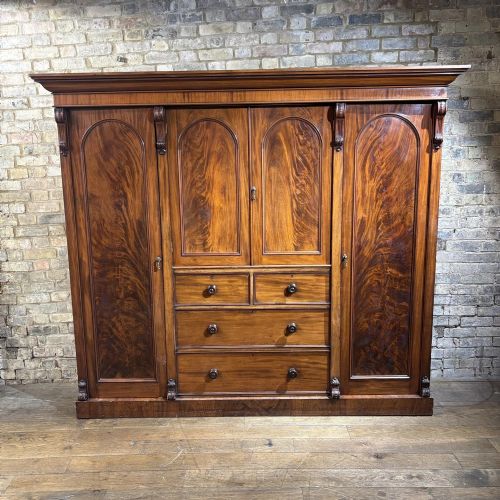
Flaring cornice mouldings top most antique mahogany cupboards. They create a strong architectural finish to the heavy rectangular box.
Panelled doors keep large expanses of wood stable. Floating central boards expand without splitting the surrounding frame.
Bracket feet carry the weight. A shaped wooden profile covers sturdy hidden blocks that actually take the massive load of the packed shelves above.
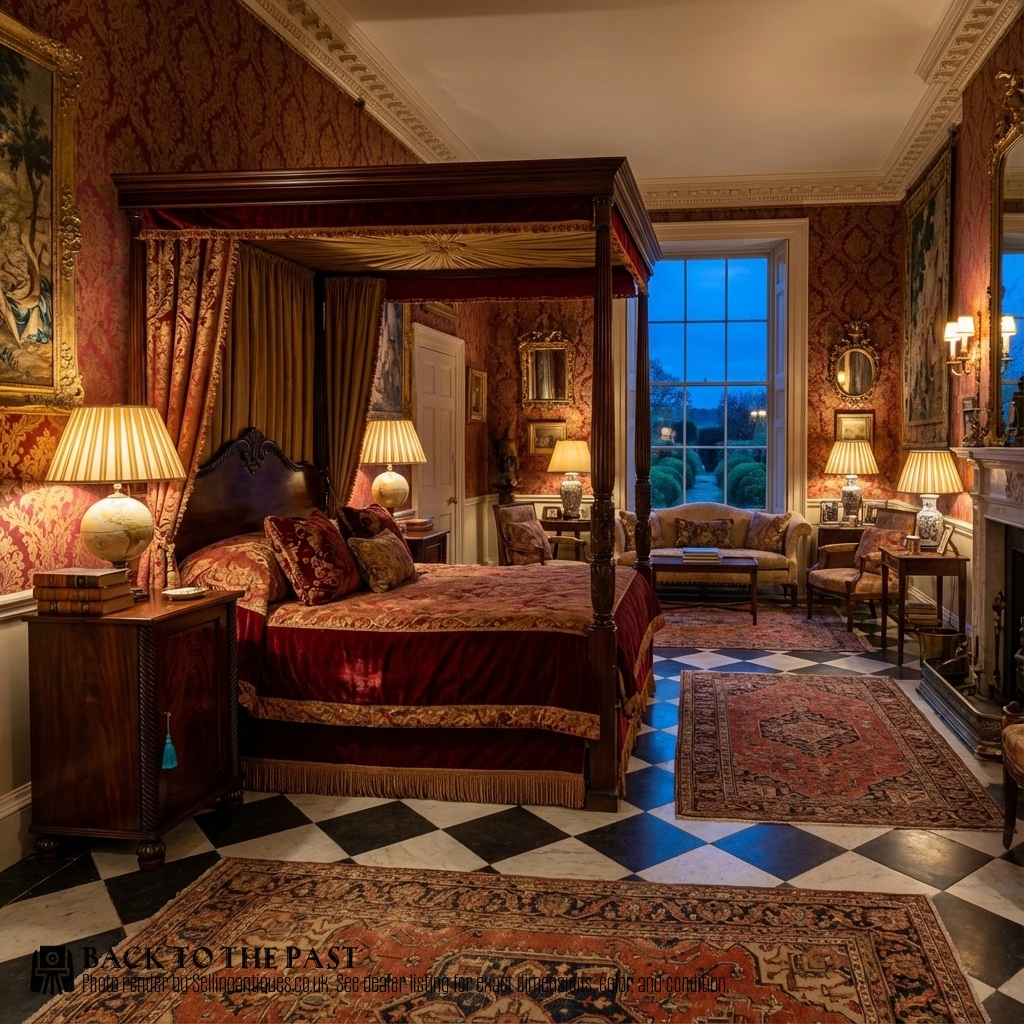
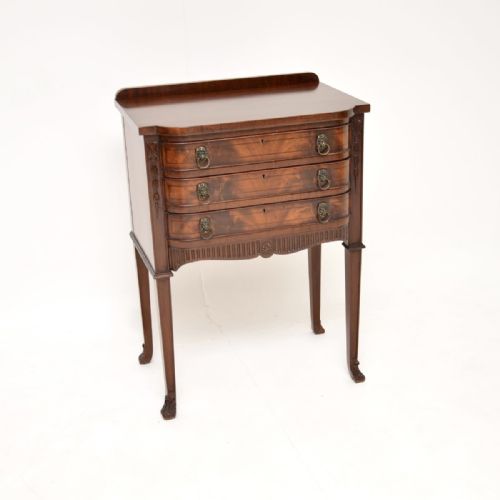
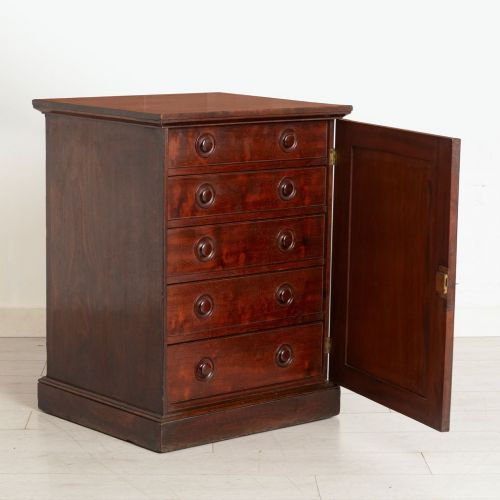
19th Century Mahogany Bedside Cupboard, 19th Century
Priced at £1,450 from Treasury Antiques
Hand-cut dovetails lock the drawer corners together. Early examples feature thick pins, while later joints become finer and narrower.
Frame and panel construction dominates the heavy doors. Mortise and tenon joints keep them rigid.
Veneering over pine carcases allowed makers to use figured flame mahogany on the front. This saved the most expensive imported timber for the public-facing surfaces.
"Many split horizontally into two halves. This allows easy movement up narrow twisting townhouse staircases."
"Brass locks often carry stamped letters indicating the monarch's reign. This helps place the hardware in a specific era, though locks were sometimes updated later."
"The rich red tone was partly deliberate. Georgian finishers applied an alkanet root wash to unify boards."
Based on almost 25 years of Sellingantiques UK antique market data, Antique Mahogany Cupboards appeared 8483 times (out of 1,100,000 antiques) which gives it a rarity score of 18/100.
This score measures scarcity within the Sellingantiques archive only and is not a survey of the entire antiques market, so these statistics may not be indicative of the general availability of Antique Mahogany Cupboards elsewhere.
Start with a soft damp cloth to lift surface dust. Wipe the timber gently and dry it immediately with a clean cotton duster. Avoid modern spray polishes as they leave a silicone residue on the surface.
For ingrained grime, a specialist furniture reviver works well. Apply it sparingly with fine wire wool in the direction of the grain. Finish with a good quality beeswax polish.
Solid timber constantly reacts to the humidity of the room it occupies. Central heating dries the air and pulls moisture out of the mahogany, causing large doors to bow outward over time.
Moving the piece to a cooler room away from radiators often helps. The wood may slowly settle back into its original shape once the local climate stabilises. Some conservators use custom-cut wedges or magnetic catches to hold stubborn doors flat against the carcase.
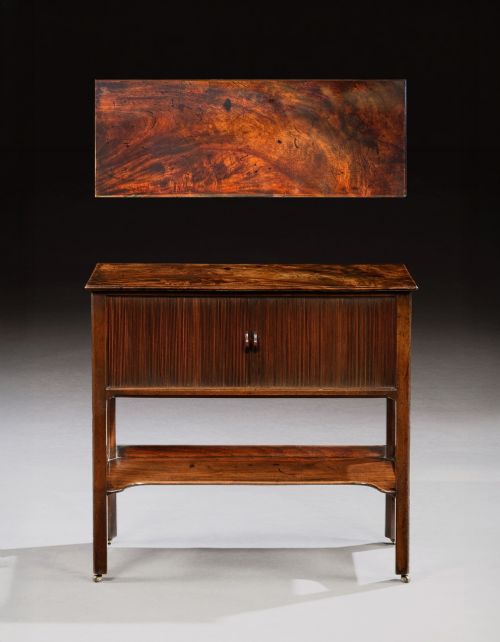
Households stored folded bedsheets, blankets, and table linens on the sliding wooden trays. The deep drawers below held heavier clothing or seasonal textiles.
Some examples also housed personal garments. Before built-in wardrobes became standard, a wealthy household relied on these large cupboards to keep expensive fabrics flat and protected from dust.
Cabinet makers routinely used cheaper secondary timbers where they hide from view. Solid pine backboards kept the overall weight down and reduced workshop costs.
The sides of antique mahogany cupboards often feature a plainer cut of mahogany than the front doors. Workshops saved their expensive figured veneers for the prominent areas guests would actually notice.
Please note: This Antique Mahogany Cupboards guide and its associated pricing data are provided for general informational purposes only. It does not constitute formal financial, investment, or appraisal advice and should not be relied upon as the sole basis for any commercial activity, purchasing, or sales decisions. Sellingantiques.co.uk accepts no liability for any actions taken in reliance on this information. Always consult with a qualified professional or independent appraiser.
