
A 2026 Guide by Sellingantiques
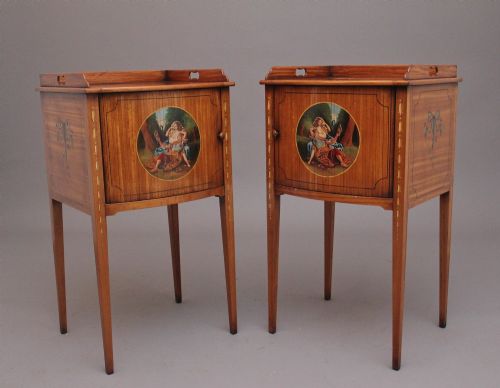
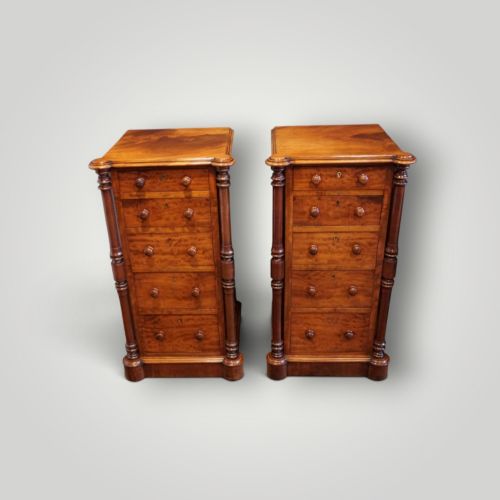
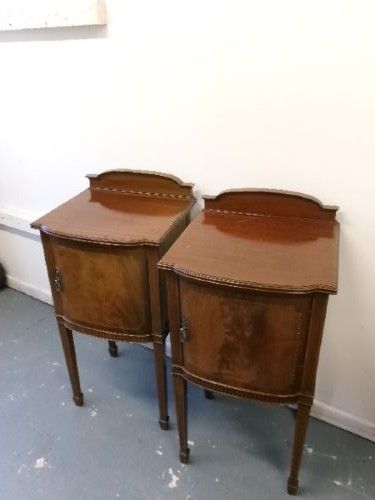
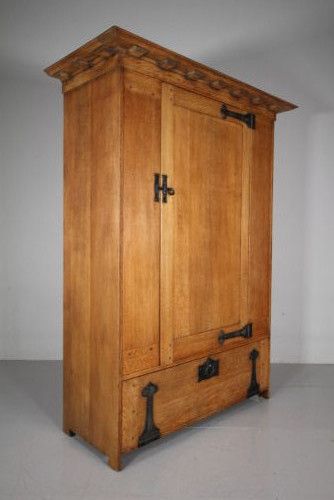
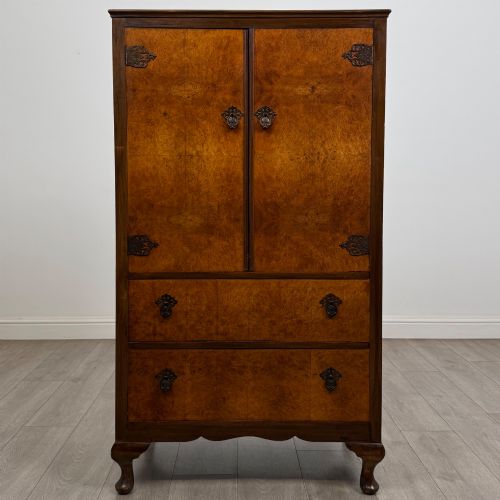
Pair of Edwardian Satinwood Bedside Cupboards, Edwardian
Priced at £780 from Ropeworks Antiques
The period covers a brief span between 1901 and 1910. Lots of these pieces reflect the shift from heavy Victorian rooms to lighter domestic interiors.
Look for influences from the Arts and Crafts movement or Sheraton revival styles. Both were popular during this decade.
Antique Edwardian cupboards provided essential organisation before built-in wardrobes became standard in British homes.
Mass production really picked up speed here. Machinery turned out timber panels fast, supplying a growing middle-class market with affordable furniture.
Maple & Co dominated the London retail market. Their factories produced thousands of high-standard domestic cupboards with stamped locks.
Liberty & Co sometimes commissioned simpler, oak-built storage furniture. These appeal directly to the Arts and Crafts taste.
Provincial firms supplied the bulk of regional demand. Many solid pieces carry no maker's mark at all.

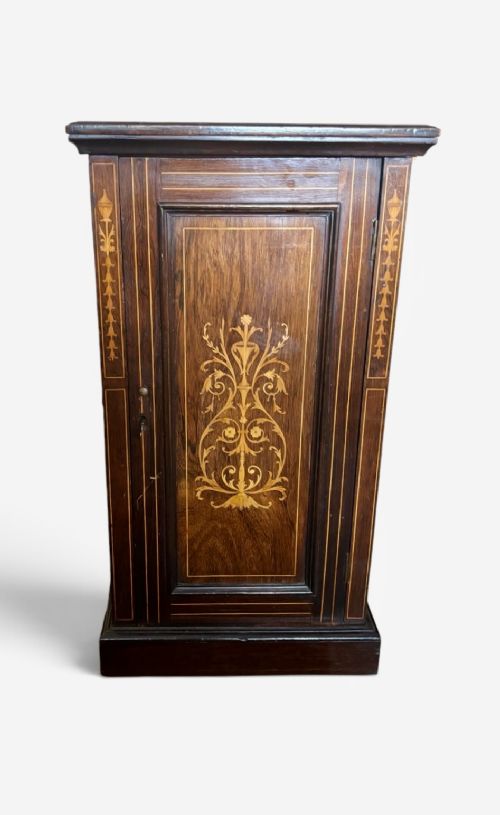
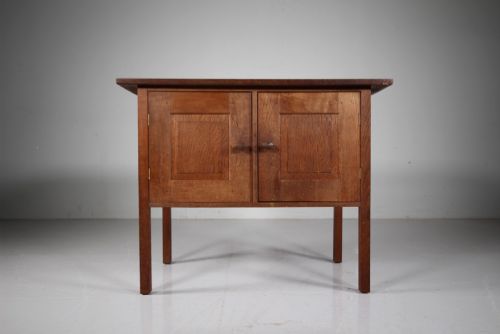
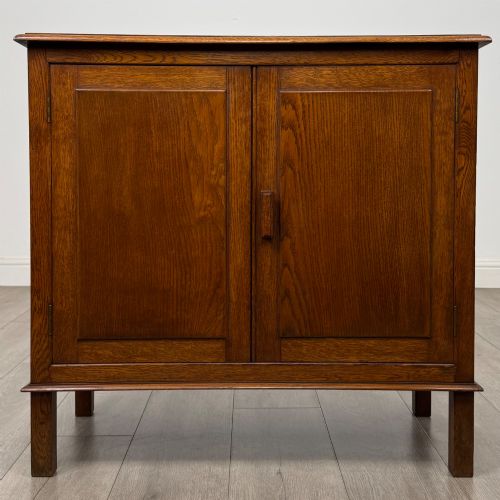
Antique Edwardian Maple & Co Mahogany Inlaid Bedside Cupboard, Edwardian
Priced at £355 from Lincoln Restorations
The 2026 retail price guide for Antique Edwardian Cupboards is drawn from a proprietary archive of over 1.1 million retail prices indexed by Sellingantiques since 2003. This guide relies exclusively on their own internal data; no external sources or auction records are used.
Analysing nearly 25 years of UK antique market history alongside current retail values, the data indicates that typical UK retail prices for Antique Edwardian Cupboards range between £400 and £1,900. Entry-level prices generally fall under £400 and premium examples upwards of £1,900.
Tapered legs ending in spade feet show up frequently. They give these antique Edwardian cupboards a raised, lighter stance.
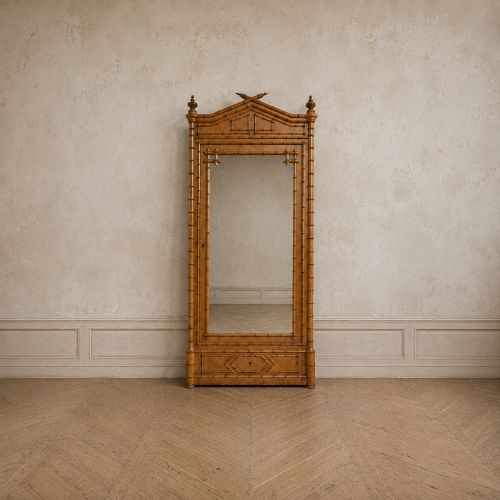
Glazing bars on display models follow geometric or astragal patterns. Shield shapes and ovals are common motifs.
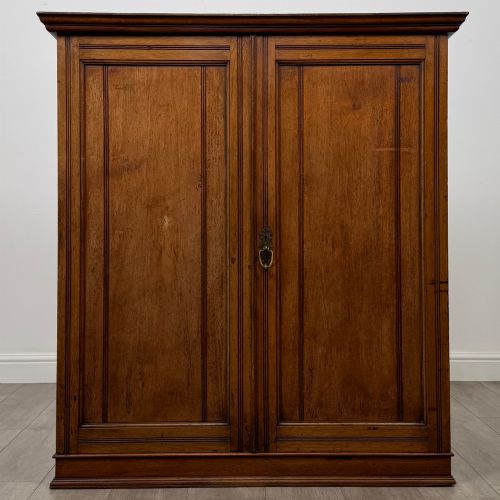
Cornices tend to be flat or slightly stepped. You rarely see the heavy, overhanging crowns typical of the previous century.
Circular saws and mechanical planers shaped the primary components. This mechanisation kept the boards uniform across large factory runs.
Thin decorative veneers glued over cheaper solid bases became standard. The slicing technology had improved significantly by the 1900s.
Check how the internal framing is fixed. Cabinet makers used hide glue and wooden dowels, saving screws for the brass hinges.
"Modern homes suit them well. The shallower depth of Edwardian proportions fits easily into narrow hallways and tight alcoves."
"Old-growth timber quality from that era has a tight, rich grain you rarely find today."
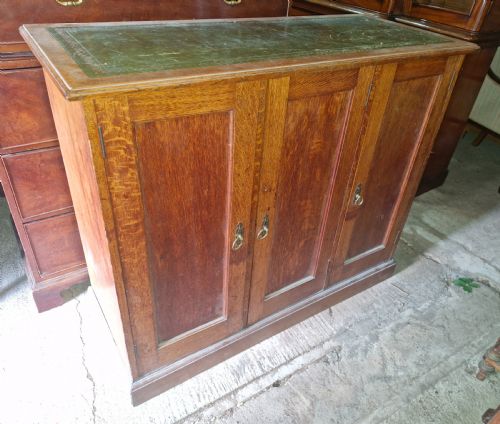
"Pay attention to the hardware. Those stamped brass hinges and locks are robust enough to keep doors swinging smoothly after a century of use."
Based on almost 25 years of Sellingantiques UK antique market data, Antique Edwardian Cupboards appeared 2408 times (out of 1,100,000 antiques) which gives it a rarity score of 62/100.
This score measures scarcity within the Sellingantiques archive only and is not a survey of the entire antiques market, so these statistics may not be indicative of the general availability of Antique Edwardian Cupboards elsewhere.
Most standard domestic cupboards from this era stay in one piece. The carcase is glued and dowelled tightly together at the factory.
Larger wardrobes or specific modular bookcases might separate into a base, a central section, and a cornice. If you see visible screws under the top moulding, it might break down.
Always check the joints before lifting. Forcing a solid carcase will split the old hide glue.
Stripping dark varnish changes the character of the piece entirely. Edwardian manufacturers often applied tinted finishes to unify different cuts of wood or to make mahogany look richer.
Chemical strippers lift the original patina and dry out the underlying veneer. If the piece has satinwood inlay, harsh chemicals can dissolve the glue holding those delicate lines in place.
A gentle clean with white spirit and a coat of beeswax is a safer route. It feeds the timber without destroying the historic surface.
Adjustable shelving turns up frequently inside Edwardian glazed cabinets. You usually find wooden sawtooth racks fitted inside the side panels to hold timber cross-supports.
Some simpler models have fixed shelves glued directly into rebates. Do not hit these with a mallet trying to loosen them.
Sticking doors usually mean the cabinet is not sitting level on the floor. Old floorboards dip, twisting the rigid carcase slightly out of square and pinching the door frames.
Try slipping a thin wedge under one of the front feet. Watch the top gap as you lift the corner. The door often swings free once the base sits flat.
If the wood has swelled from damp, leave it in a dry room for a few weeks before sanding any edges.
Please note: This Antique Edwardian Cupboards guide and its associated pricing data are provided for general informational purposes only. It does not constitute formal financial, investment, or appraisal advice and should not be relied upon as the sole basis for any commercial activity, purchasing, or sales decisions. Sellingantiques.co.uk accepts no liability for any actions taken in reliance on this information. Always consult with a qualified professional or independent appraiser.
