


A 2026 Guide by Sellingantiques
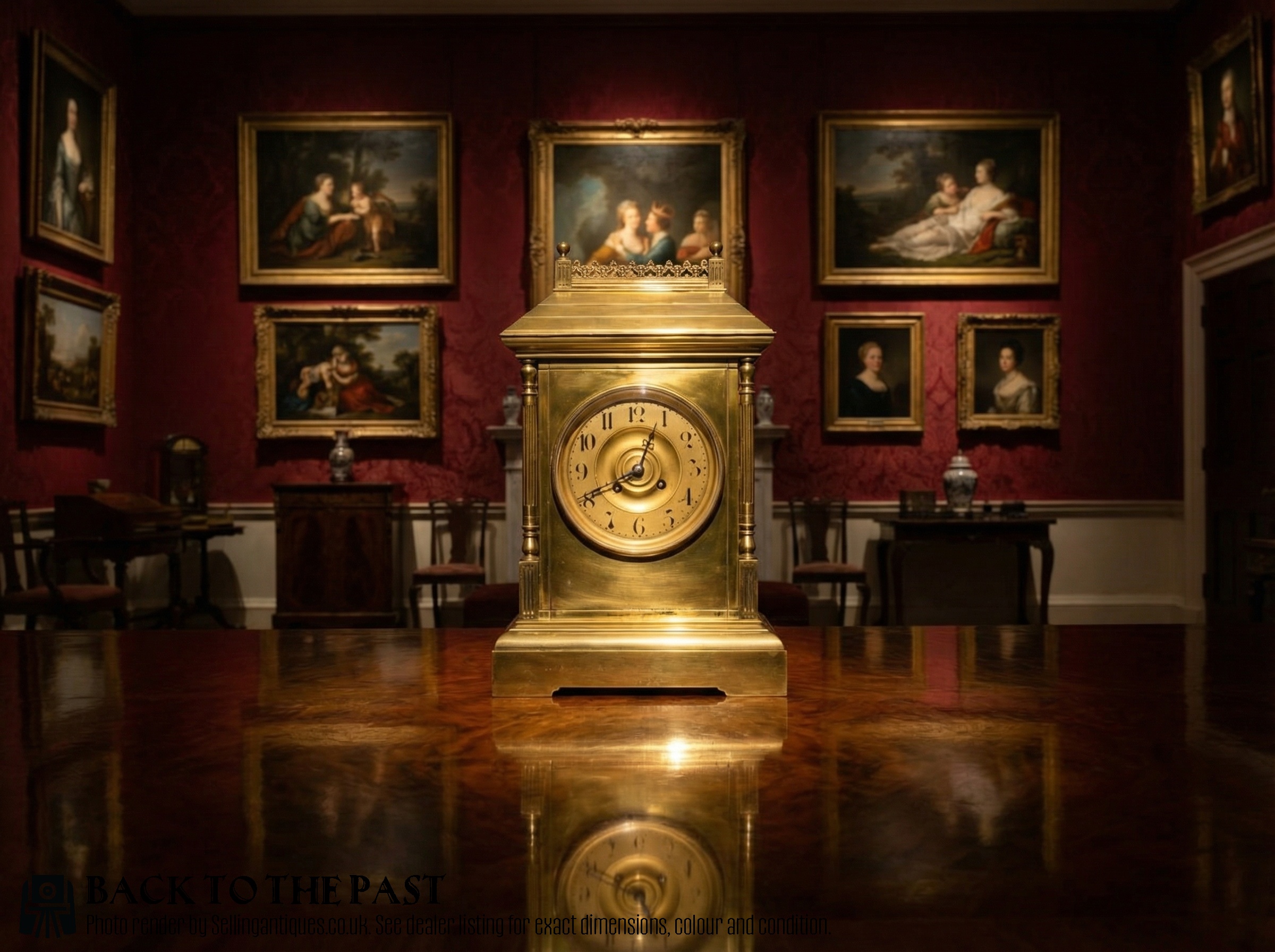
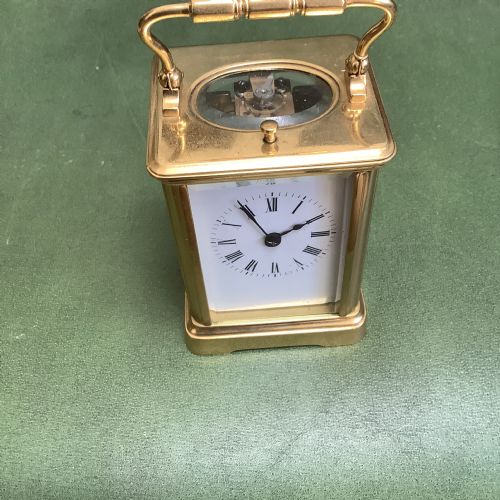
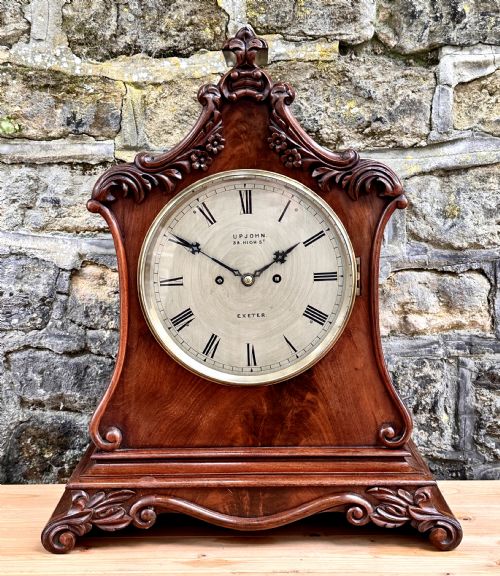
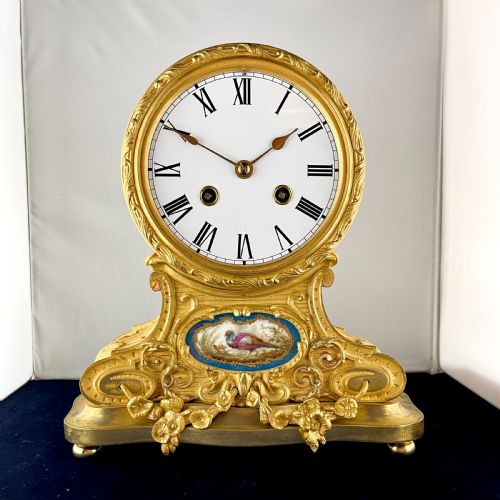
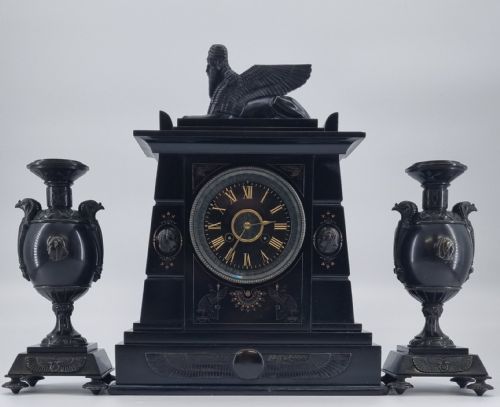
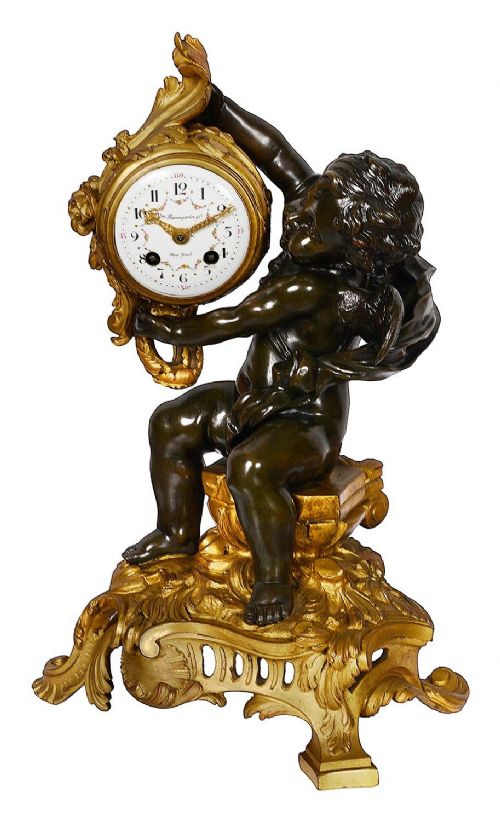
A Victorian Brass Mantle Clock Labelled H. Bilton, 19th Century
Priced at £450 from Lee Hawkins Antiques & Interiors
Production methods shifted dramatically. It brought timekeeping out of elite hands and into ordinary homes.
The arrival of the railway network forced the country to run on standard time.
Check the dial name. They're often just provincial retailers who bought complete movements from large centres like Clerkenwell.
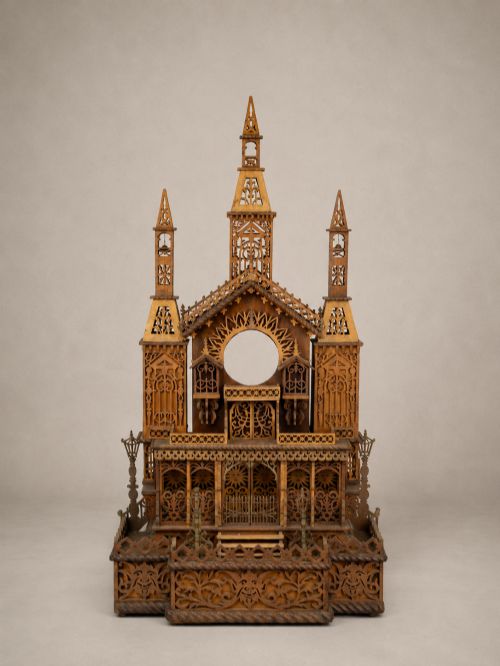
Heavy architectural cases reflect the era. You'll see elements borrowed from Gothic and Renaissance revivals.
Thomas Mercer began producing marine chronometers in London during this period. His firm became a major supplier to the Admiralty.
Dent of London built the great clock for the Palace of Westminster. They also made high-grade domestic regulators.
Many French movements found their way into British cases. Japy Frères exported thousands of robust striking mechanisms across the Channel.

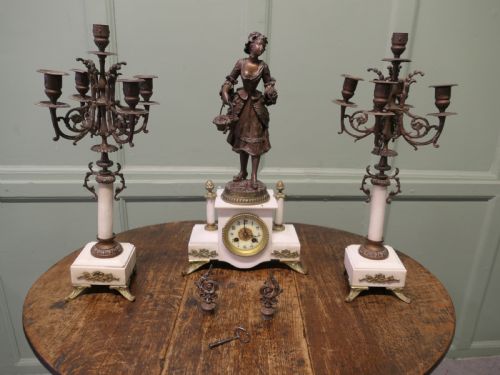
Quality Antique Victorian Eight Day Marble Mantle Clock, 1860
Priced at £595 from Rebecca Sarah Antiques
The 2026 retail price guide for Victorian Clocks is drawn from a proprietary archive of over 1.1 million retail prices indexed by Sellingantiques since 2003. This guide relies exclusively on their own internal data; no external sources or auction records are used.
Analysing nearly 25 years of UK antique market history alongside current retail values, the data indicates that typical UK retail prices for Victorian Clocks range between £600 and £3,300. Entry-level prices generally fall under £600 and premium examples upwards of £3,300.
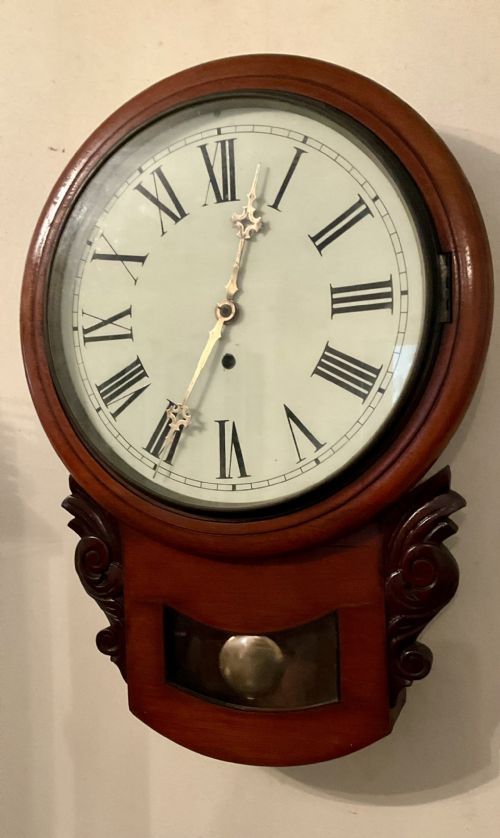
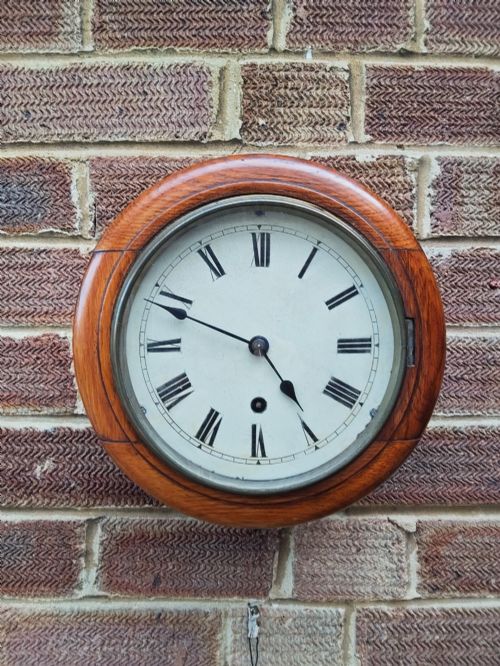
White painted dials with thick Roman numerals are standard across most domestic models.
Look for heavy glass doors protecting the pendulum. Many wall regulators feature these to keep dust away from the moving parts.
Striking mechanisms usually sound on a coiled wire gong or a cast bell.

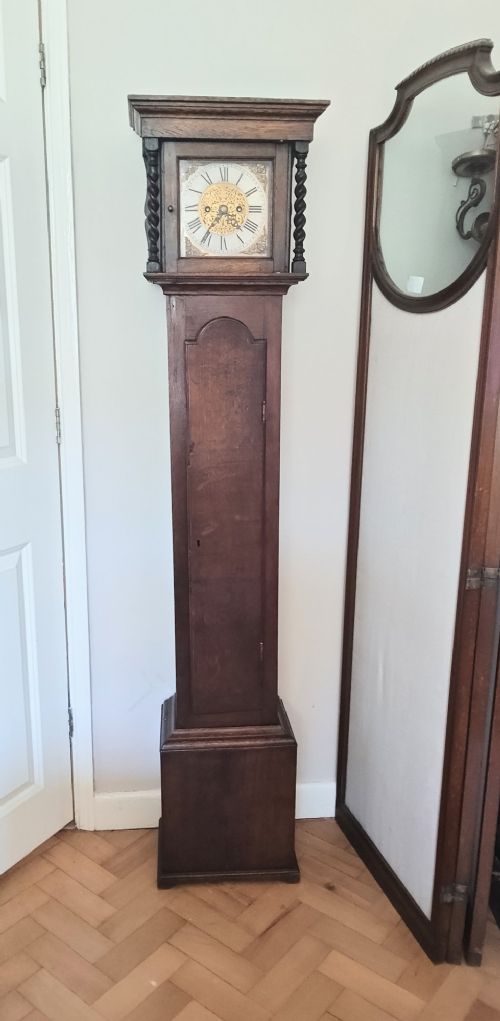
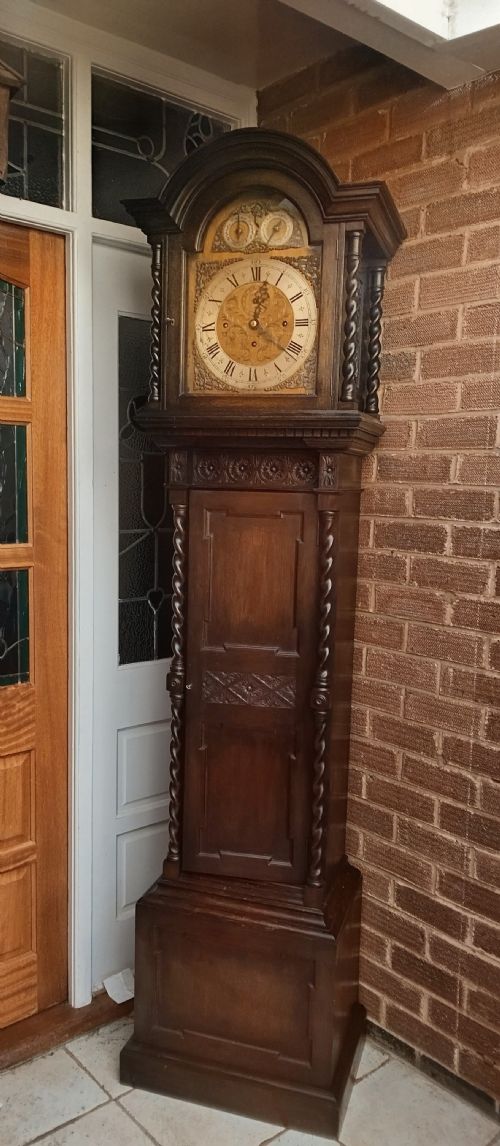
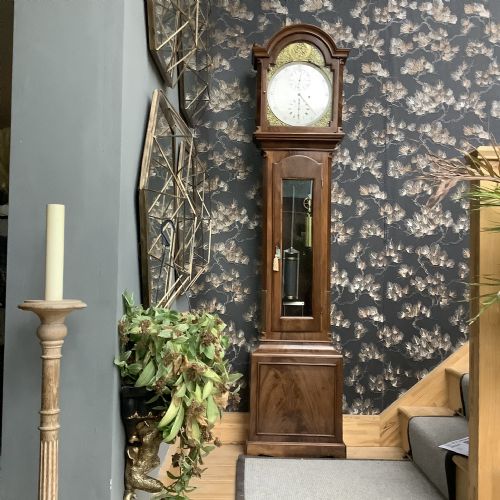
Outstanding Quality Antique Victorian Figured Mahogany Grandfather Clock with Painted Arched Dial and Moon Roller, 1850
Priced at £4,250 from London City Antiques
Early examples rely on hand-finished plates. You'll see later mechanisms showing the distinct marks of machine stamping.
Pinions shifted from solid steel cut by hand to drawn wire construction. It lowered costs on cheaper models.
Examine the case construction. Mass-produced bracket clocks started using thinner veneers glued over machined base timbers.
"Some heavy slate models incorporate actual fossils visible in the polished stone."
"The winding keys supplied with these often carry their own intricate maker stamps and decorative casting."
"Hidden dust covers sometimes reveal faint pencil signatures from the craftsmen who originally serviced them a century ago."
Based on almost 25 years of Sellingantiques UK antique market data, Victorian Clocks appeared 3224 times (out of 1,100,000 antiques) which gives it a rarity score of 52/100.
This score measures scarcity within the Sellingantiques archive only and is not a survey of the entire antiques market, so these statistics may not be indicative of the general availability of Victorian Clocks elsewhere.
Most domestic examples run for eight days on a full wind. You should aim to wind it once a week on the same day.
Turn the key smoothly until you feel firm resistance. Don't force it once the spring feels tight.
The mechanism is likely out of beat. The tick and tock need to be exactly even for the escapement to maintain momentum.
Listen closely to the sound. If the rhythm sounds like a galloping horse rather than a steady march, the case needs levelling. You can adjust this by placing thin shims under one side of the base.
This usually means the striking train isn't matching the hands. It happens frequently if they're moved backwards past the hour.
You can often realign it by moving the minute hand to the hour and counting the strikes. Then gently remove the hour hand and push it back onto the central shaft pointing at the correct number.
Don't force the hands if they resist. The brass components bend easily and replacing them requires a specialist cutter.
That is a regulation dial. It alters the speed of the mechanism without you needing to open the main case door.
Turning the hand towards the higher numbers makes the clock run faster. It allows you to fine-tune the timekeeping to match seasonal changes.
Please note: This Victorian Clocks guide and its associated pricing data are provided for general informational purposes only. It does not constitute formal financial, investment, or appraisal advice and should not be relied upon as the sole basis for any commercial activity, purchasing, or sales decisions. Sellingantiques.co.uk accepts no liability for any actions taken in reliance on this information. Always consult with a qualified professional or independent appraiser.
