


A 2026 Guide by Sellingantiques

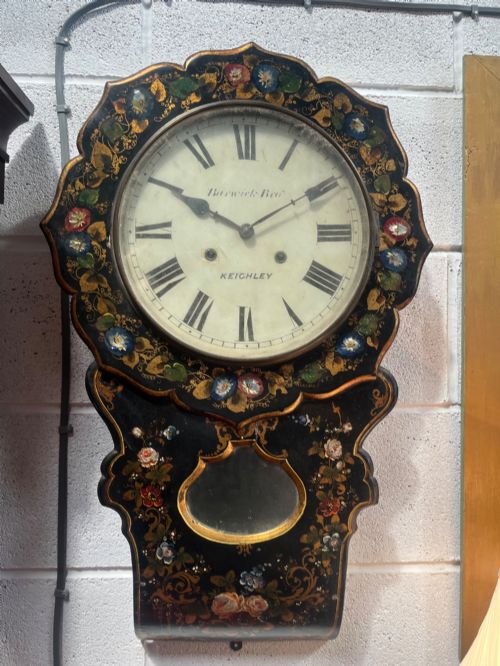
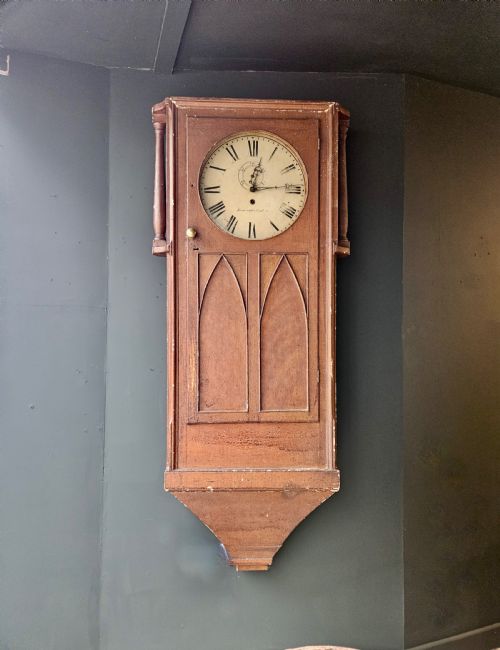
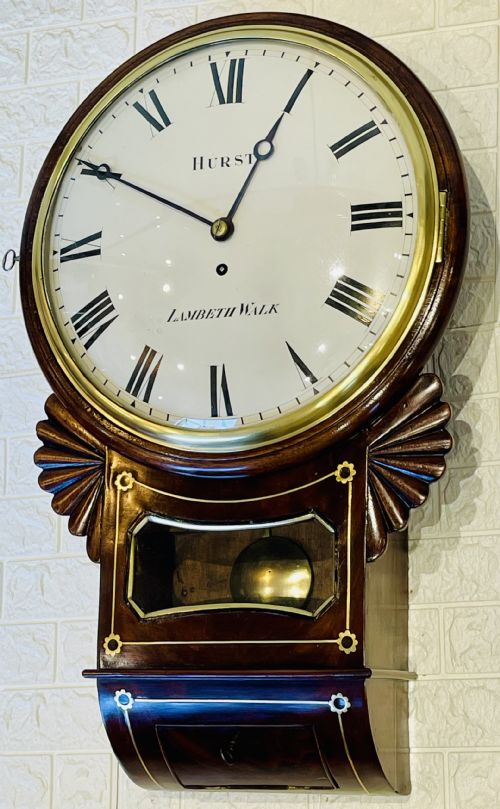
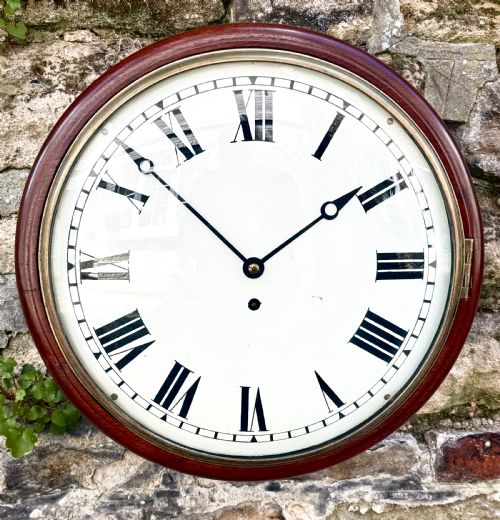
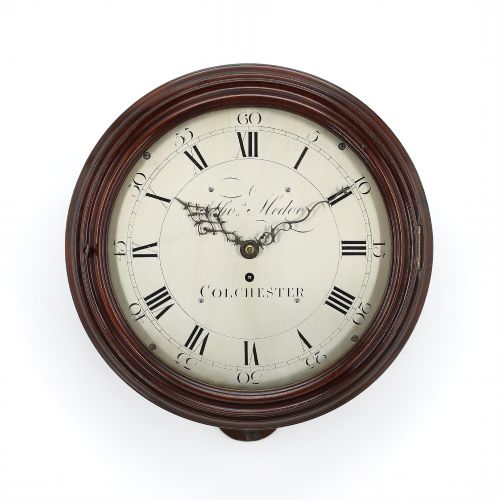
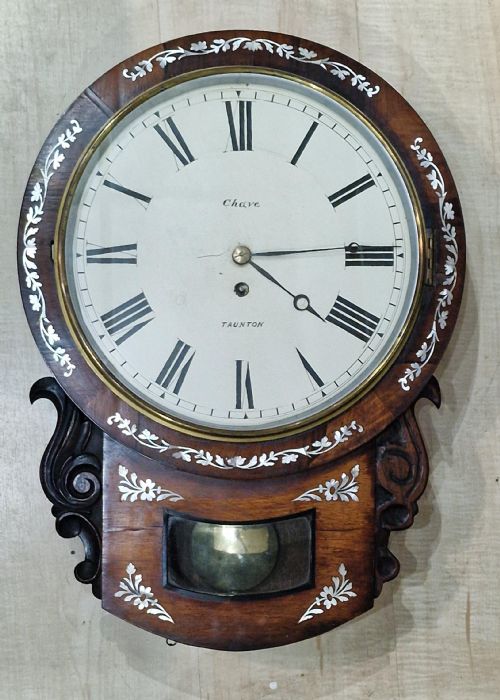
Mahogany Tavern Clock / Wall Clock, 1850
Priced at £1,100 from Athey Antiques
Coaching inns needed a reliable timekeeper for stagecoach departures during the eighteenth century.
They're often called Act of Parliament clocks because a heavy tax fell on domestic timepieces in 1797.
Publicans bought these large antique tavern clocks so patrons could easily check the time without owning a pocket watch.
Most actually predate the parliamentary tax by several decades.
Thwaites supplied blank movements to many provincial names who painted their own signatures on the dial.
London workshops often finished the wooden carcase with black lacquer and gilt chinoiserie scenes.
William Allam produced fine weight-driven movements for these large wall clocks in the mid-eighteenth century.
The 2026 retail price guide for Antique Tavern Clocks is drawn from a proprietary archive of over 1.1 million retail prices indexed by Sellingantiques since 2003. This guide relies exclusively on their own internal data; no external sources or auction records are used.
Analysing nearly 25 years of UK antique market history alongside current retail values, the data indicates that typical UK retail prices for Antique Tavern Clocks range between £1,700 and £10,400. Entry-level prices generally fall under £1,700 and premium examples upwards of £10,400.
Look for a face that spans at least two feet across, painted directly onto the wood.
Spade hands are the standard pattern for most antique tavern clocks.
You'll often find shield-shaped or octagonal profiles rather than simple rounds on earlier cases.
Crafting the dial required gluing thin strips of canvas over the timber joints before painting.
Pinions were cut by hand using rudimentary dividing plates in early workshops.
The transition from weight-driven trains to spring barrels allowed the lower trunk to shrink noticeably over time.
"The bold black and gold paint scheme served to make the hands visible through a haze of pipe smoke."
"Winding was only required once a week, making them highly practical for busy publicans."
"Many provincial clockmakers used these antique tavern clocks as permanent advertisements for their high street workshops."
Based on almost 25 years of Sellingantiques UK antique market data, Antique Tavern Clocks appeared 103 times (out of 1,100,000 antiques) which gives it a rarity score of 98/100.
This score measures scarcity within the Sellingantiques archive only and is not a survey of the entire antiques market, so these statistics may not be indicative of the general availability of Antique Tavern Clocks elsewhere.
Most use a seconds pendulum with a heavy lead bob. The total weight approaches three or four pounds.
The heavy bob helps the clock overcome the friction of a large movement. It keeps a steady beat despite vibrations in a busy room.
Black grounds provided high contrast against gilded numerals. Dirt and smoke hid easily against a dark background in rooms lit by open fires.
You'll sometimes find white dials on later nineteenth-century pieces.
Tax changes didn't prompt mass repainting. Flaking isn't a historical anomaly. It is a mechanical failure caused by pine boards expanding and contracting at different rates to the hard paint layers above them.
Restorers in the twentieth century often stripped and re-gilded dials. This accounts for the harsh look of some pieces. Finding undisturbed original paint is rare.
Worn gears don't speed up a clock. They stop the movement. A clock running noticeably fast usually means the pendulum is too short or the suspension spring is broken.
Check where the pendulum hangs. If it swings freely without engaging the escapement, the crutch might be bent. A clockmaker can adjust the crutch and fit a proper suspension spring.
Please note: This Antique Tavern Clocks guide and its associated pricing data are provided for general informational purposes only. It does not constitute formal financial, investment, or appraisal advice and should not be relied upon as the sole basis for any commercial activity, purchasing, or sales decisions. Sellingantiques.co.uk accepts no liability for any actions taken in reliance on this information. Always consult with a qualified professional or independent appraiser.
