





A 2026 Guide by Sellingantiques

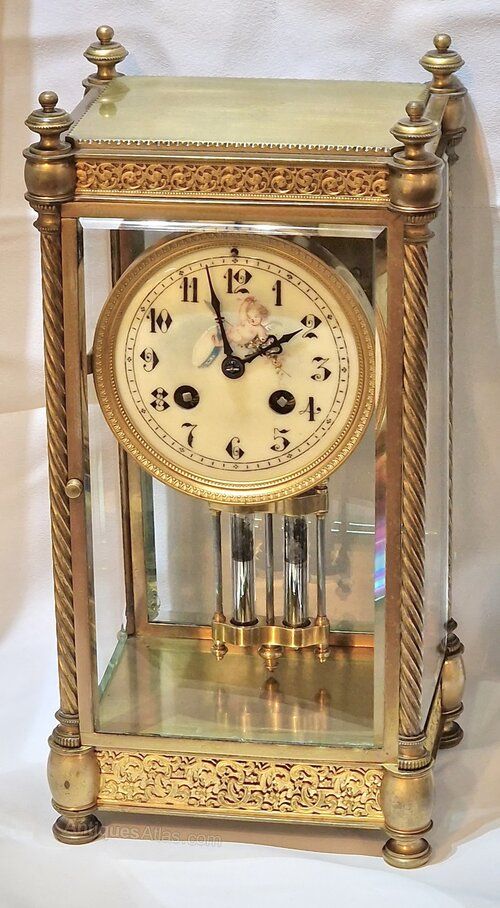
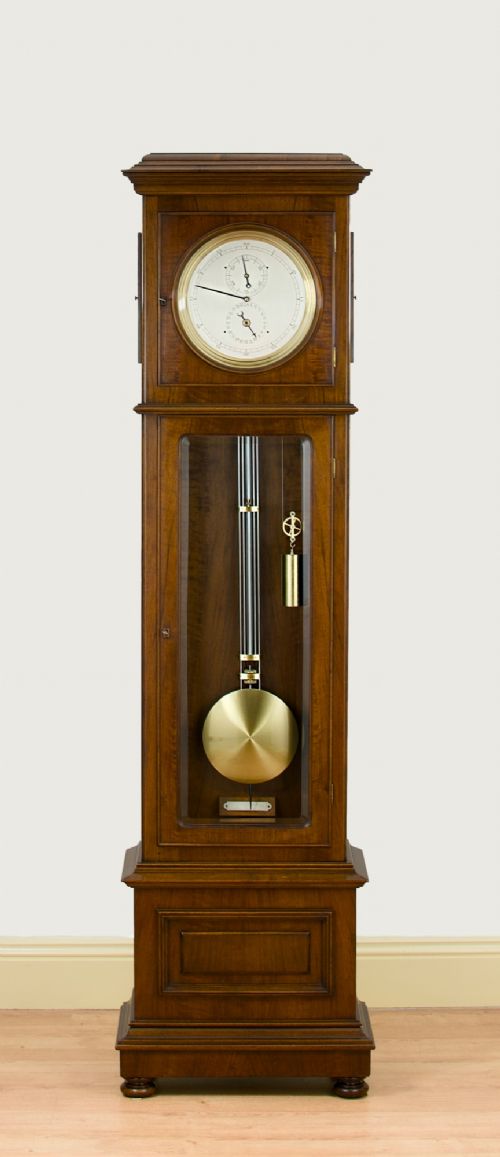
A French Crystal Regulator Clock C1900 by Samuel Marti Et Cie, 1900
Priced at £495 from Marlborough Antiques & Interiors
Watchmakers needed a standard. These provided a constant, reliable time source for regulating shop stock.
Built for pure function rather than domestic display. The cases of antique regulator clocks reflect this working heritage.
Observatories relied on them heavily during the eighteenth and nineteenth centuries to map the transit of stars.
Look for earlier examples from London. The provincial trade picked up the form later as railway timetables demanded better synchronization.
Thomas Earnshaw made exceptional examples in London during the late eighteenth and early nineteenth centuries.
Benjamin Vulliamy supplied regulators to the Crown and various observatories during the late eighteenth century.
Many fine pieces bear the names of provincial retailers rather than the actual manufacturer.

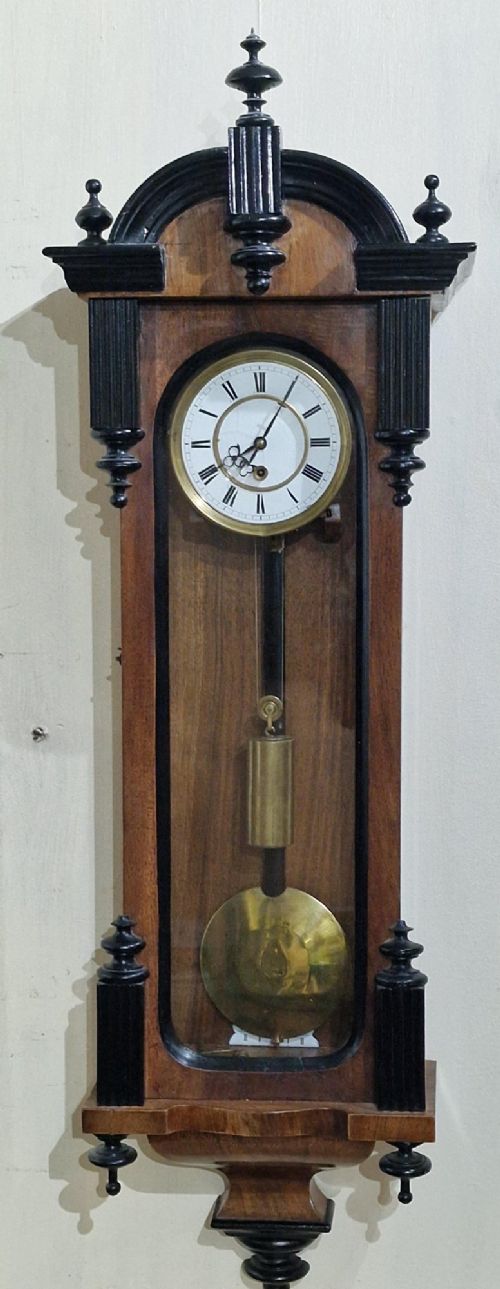
Longcase Regulator Clock, 19th Century
Priced at £6,500 from Athey Antiques
The 2026 retail price guide for Antique Regulator Clocks is drawn from a proprietary archive of over 1.1 million retail prices indexed by Sellingantiques since 2003. This guide relies exclusively on their own internal data; no external sources or auction records are used.
Analysing nearly 25 years of UK antique market history alongside current retail values, the data indicates that typical UK retail prices for Antique Regulator Clocks range between £900 and £9,900. Entry-level prices generally fall under £900 and premium examples upwards of £9,900.
Separate chapter rings for hours, minutes and seconds. This dial layout prevented the hands from overlapping and obscuring the time.
Check the pendulum. They usually feature heavy bobs with a wood or mercury rod to compensate for temperature shifts.
A maintaining power mechanism is standard. It keeps the clock running smoothly while being wound.

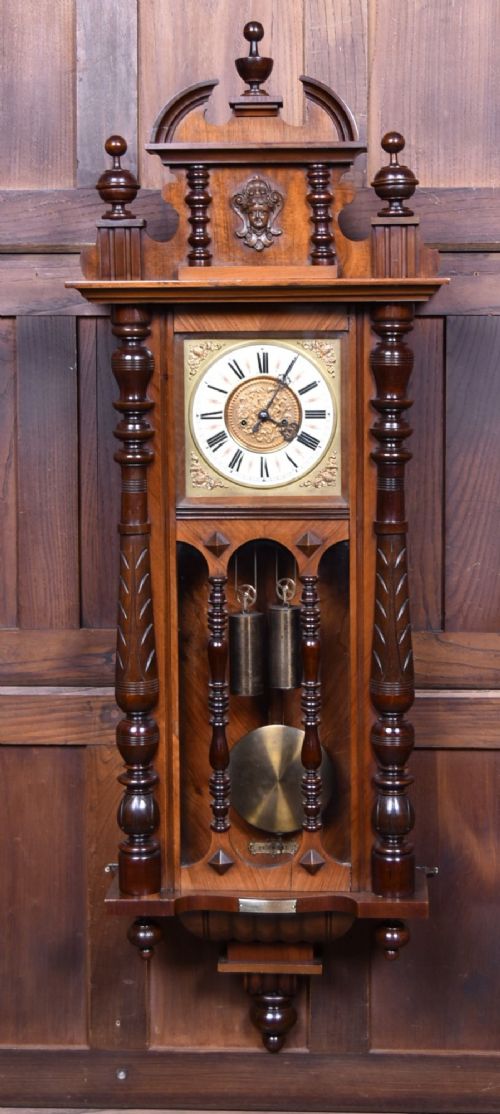
Regulator Longcase Clock, 19th Century
Priced at £7,950 from Athey Antiques
Makers cut the gear teeth by hand. They spent days finishing the profiles to ensure smooth power transmission.
Early cases feature simple architectural hoods. Later Victorian workshops added heavy mouldings and thick bevelled glass doors.
The backboards are unusually thick. A rigid mounting surface stops the heavy pendulum's swing from moving the case.
"Small floor-standing models exist. Journeyman clockmakers built scaled-down versions as masterpieces to prove their skills to the guild."
"Some wall-mounted variations survive. They sit high on brackets to give the weight enough drop for an eight-day run."
"The glass in the door is often the original cylinder glass. It retains a slight, attractive ripple."
Based on almost 25 years of Sellingantiques UK antique market data, Antique Regulator Clocks appeared 927 times (out of 1,100,000 antiques) which gives it a rarity score of 83/100.
This score measures scarcity within the Sellingantiques archive only and is not a survey of the entire antiques market, so these statistics may not be indicative of the general availability of Antique Regulator Clocks elsewhere.
That is mercury.
Clockmakers used it because it expands when heated.
This keeps the timekeeping constant in warm rooms.
Most antique regulator clocks need winding once a week. They are eight-day movements, designed to be wound on the same day each week.
You will occasionally find month-duration examples. These require a much heavier drive weight and larger barrel to keep the mechanism running for thirty days.
You are looking at a regulator dial. The hours, minutes and seconds run on separate tracks.
Watchmakers needed to read the exact second without confusion. If a clock had standard hands, the hour hand would occasionally cover the second hand.
This layout prevents that overlap. It makes a precise reading possible at any time of day.
The mercury inside the pendulum jar is toxic if mishandled. However, it is sealed safely inside the heavy glass.
You should never try to empty it yourself.
If you are moving the clock, hire a specialist horologist to remove and transport the pendulum safely.
Please note: This Antique Regulator Clocks guide and its associated pricing data are provided for general informational purposes only. It does not constitute formal financial, investment, or appraisal advice and should not be relied upon as the sole basis for any commercial activity, purchasing, or sales decisions. Sellingantiques.co.uk accepts no liability for any actions taken in reliance on this information. Always consult with a qualified professional or independent appraiser.
