


A 2026 Guide by Sellingantiques

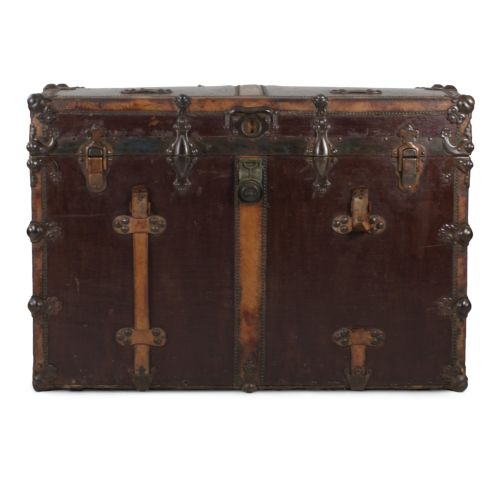
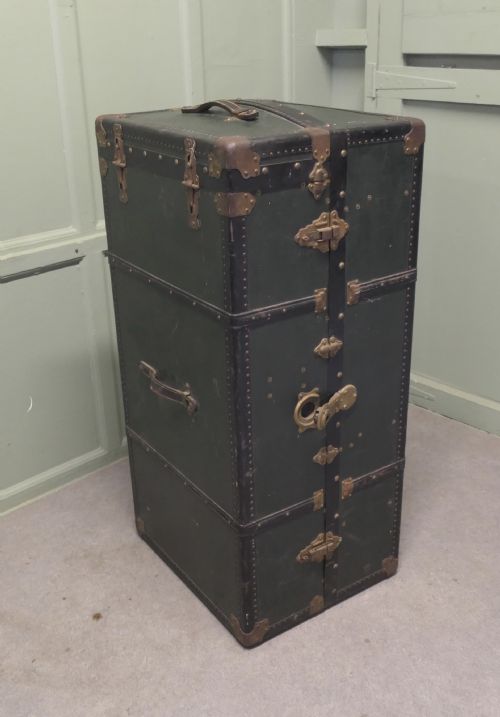
Antique Steamer Trunk, 1920
Priced at £250 from Antiquus
Look at the height constraint. Steamer trunks maxed out around fourteen inches high to fit standard maritime cabin regulations.
Luggage for a specific era of travel. The era of steamship liners drove demand from the late nineteenth century into the 1930s.
Early versions often accompanied immigrants crossing the Atlantic, holding their household goods.
Replaced eventually by lighter suitcases as commercial air travel took over.
Martin Maier of Detroit built premium oak slat trunks from the 1870s until the early 1900s.
French houses like Louis Vuitton and Goyard dominated the luxury end of the late nineteenth-century market.
Notice the hardware stamps. Corbin Cabinet Lock Company supplied locks to countless regional builders across America.

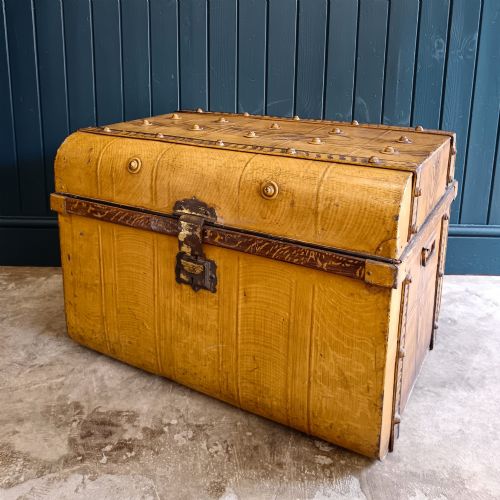
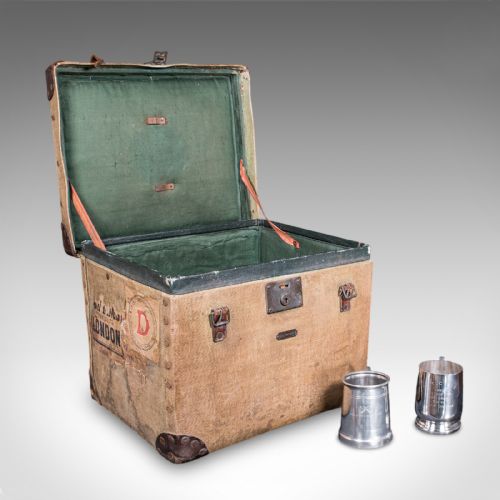
Polished Oak and Canvas Dome Top Chest, 19th Century
Priced at £450 from Elmgarden
The 2026 retail price guide for Antique Steamer Trunks is drawn from a proprietary archive of over 1.1 million retail prices indexed by Sellingantiques since 2003. This guide relies exclusively on their own internal data; no external sources or auction records are used.
Analysing nearly 25 years of UK antique market history alongside current retail values, the data indicates that typical UK retail prices for Antique Steamer Trunks range between £400 and £2,000. Entry-level prices generally fall under £400 and premium examples upwards of £2,000.
Flat tops define this category. Domed shapes couldn't slide under a bed.
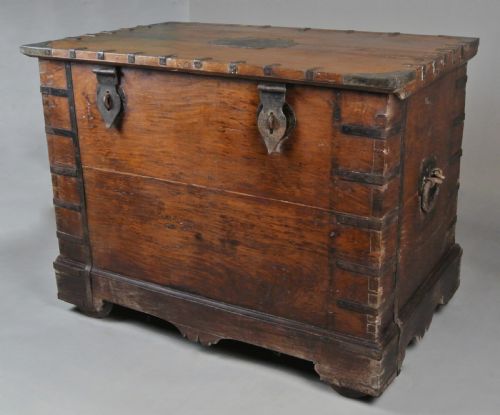
Heavy metal lock plates and twin draw-bolts on the front panel.
Open the lid to find shallow removable trays sitting on interior wooden battens.
Early makers relied on thick hide bindings and heavy iron plates to protect the timber carcase.
Look closely at the evolution of materials. Vulcanised fibre eventually replaced canvas for a tougher shell.
Plywood introduction in the twentieth century reduced weight while maintaining structural strength.
"Many models hide secret compartments built into the floor of the removable trays."
"Lithograph paper lining. Interiors often feature detailed Victorian prints of landscapes or floral motifs."
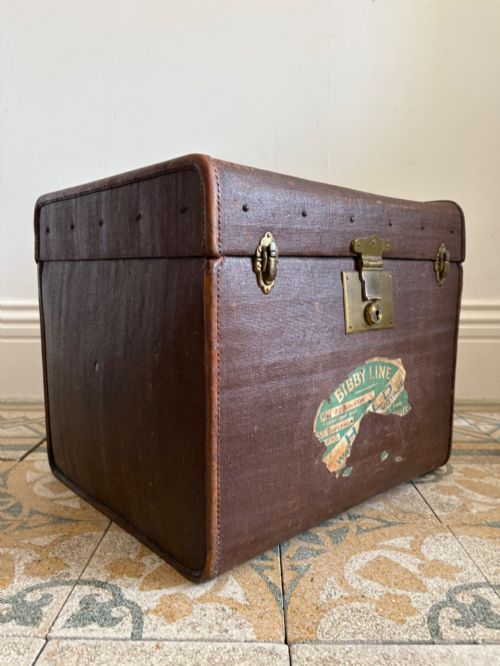
"Take a look at the travel labels. These paper stickers map out a trunk's specific global journey over decades."
Based on almost 25 years of Sellingantiques UK antique market data, Antique Steamer Trunks appeared 410 times (out of 1,100,000 antiques) which gives it a rarity score of 92/100.
This score measures scarcity within the Sellingantiques archive only and is not a survey of the entire antiques market, so these statistics may not be indicative of the general availability of Antique Steamer Trunks elsewhere.
Most people replace them entirely. You can buy slotted leather handles that slip into the original metal end caps.
Check the pins holding those caps to the timber. If the metal remains solid, swapping the leather loop only takes a few minutes.
Getting rid of that musty odour takes time. Start by leaving the lid open in a dry, well-ventilated room for a few days to let the timber breathe out the damp.
Brush out any loose dust or flaking paper. Some people leave a bowl of baking soda inside with the lid shut for a week to absorb lingering smells.
Avoid soaking the interior. If the paper lining is beyond saving, you'll have to strip it back to the bare wood.
Canvas kept the pine carcase dry. Ship holds and dockyards weren't dry environments.
Makers treated the fabric with sizing. This sealed the weave against sea spray and dirt.
Leave the labels alone. They provide a physical record of the journeys the trunk made and the ports it visited.
Collectors look for original travel stickers. They show the item functioned exactly as intended during a specific era of ocean travel.
If you want to clean the exterior, work around them. Light dusting is usually enough to keep the surface looking right.
Please note: This Antique Steamer Trunks guide and its associated pricing data are provided for general informational purposes only. It does not constitute formal financial, investment, or appraisal advice and should not be relied upon as the sole basis for any commercial activity, purchasing, or sales decisions. Sellingantiques.co.uk accepts no liability for any actions taken in reliance on this information. Always consult with a qualified professional or independent appraiser.
