


A 2026 Guide by Sellingantiques
Long before built-in wardrobes became standard, households relied on these boxes to store seasonal textiles.
Antique cedar chests often served as hope chests for young women gathering a trousseau before marriage.
Colonial settlers brought the concept across the Atlantic, finding abundant local timber to build them.
Demand peaked during the early twentieth century as mass production made them widely available.
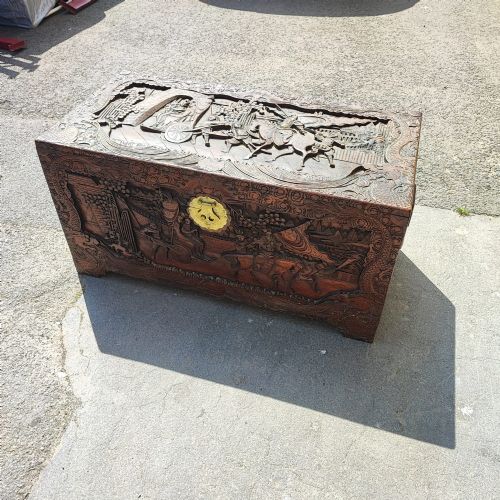
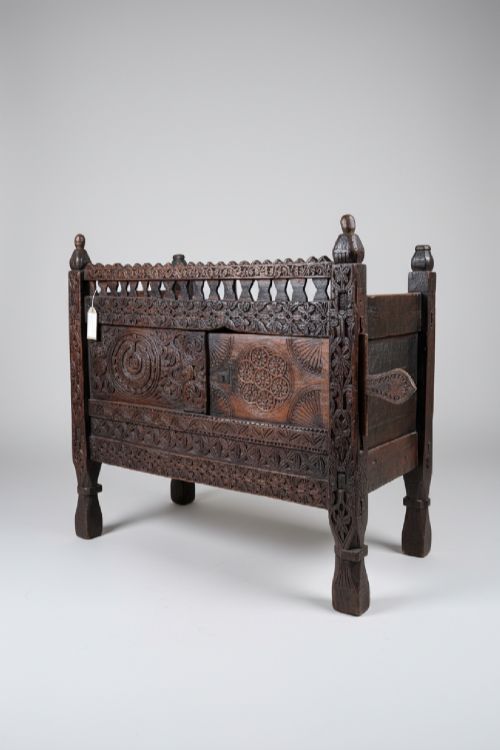
Watch for regional variations, especially in areas with strong immigrant cabinetmaking traditions.
The Lane Company dominated production in the twentieth century, stamping their name and serial numbers inside the lids.
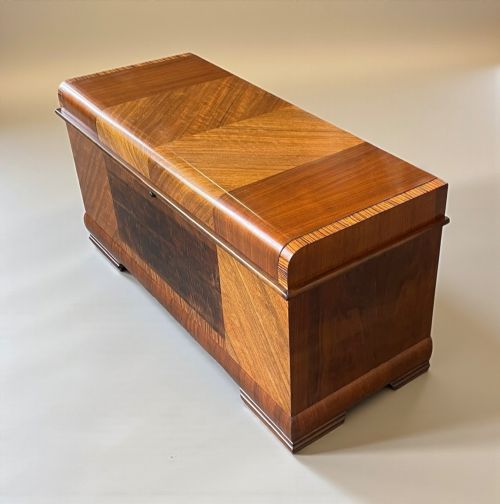
Roos Manufacturing also built thousands of these during the same period, often featuring elaborate exterior veneers.
Earlier examples rarely carry a maker's mark, relying instead on local joiners and regional cabinet shops.
The 2026 retail price guide for Antique Cedar Chests is drawn from a proprietary archive of over 1.1 million retail prices indexed by Sellingantiques since 2003. This guide relies exclusively on their own internal data; no external sources or auction records are used.
Analysing nearly 25 years of UK antique market history alongside current retail values, the data indicates that typical UK retail prices for Antique Cedar Chests range between £700 and £2,700. Entry-level prices generally fall under £700 and premium examples upwards of £2,700.
Most feature a sturdy hinged lid that sits flush or slightly proud of the main box body.
Look for heavy carry handles mounted on the side panels to help move the bulky carcase.
Bracket feet often elevate the chest off cold floors, keeping damp away from stored textiles.
Early antique cedar chests relied on thick timber joined by robust dovetails.
Makers later shifted to applying decorative walnut or mahogany veneers over a cedar core.
Notice the transition from simple iron strap hinges to internal brass stays that hold the lid open automatically.
"You can revive the dormant aromatic scent in older pieces with a light sanding of the interior wood."
"Many twentieth-century designs include hidden push-button locks that snap shut securely when you drop the lid."
"Natural oils in the timber repel moisture alongside moths, keeping textiles fresh for years."
Based on almost 25 years of Sellingantiques UK antique market data, Antique Cedar Chests appeared 85 times (out of 1,100,000 antiques) which gives it a rarity score of 98/100.
This score measures scarcity within the Sellingantiques archive only and is not a survey of the entire antiques market, so these statistics may not be indicative of the general availability of Antique Cedar Chests elsewhere.
Many people paint the exteriors, especially if the original veneer has water stains. You will not harm the structural integrity of the piece by altering the outside finish.
Keep the interior raw. Paint on the inside will seal the wood pores, trapping the natural oils and ruining the moth-repellent qualities.
Most standard antique trunk locks are relatively simple mechanisms. A local locksmith can usually pick them open in minutes without causing damage to the surrounding timber.
If dealing with a mid-century Lane chest, their old locks often snap shut automatically. You can order replacement safety locks that prevent accidental lock-ins once you gain access.
Start with a vacuum cleaner attachment to remove loose dust and fabric fibres.
Avoid liquid cleaners and waxes. Moisture will warp the raw timber, while oils clog the wood grain.
Storage boxes put strain on their base joints when dragged. Years of lateral movement will eventually loosen the hide glue holding the lower sections together.
You can usually lift the main carcase off the base to inspect the damage. A restorer can clear the old glue and clamp the loose joints back together.
Please note: This Antique Cedar Chests guide and its associated pricing data are provided for general informational purposes only. It does not constitute formal financial, investment, or appraisal advice and should not be relied upon as the sole basis for any commercial activity, purchasing, or sales decisions. Sellingantiques.co.uk accepts no liability for any actions taken in reliance on this information. Always consult with a qualified professional or independent appraiser.
