




A 2026 Guide by Sellingantiques

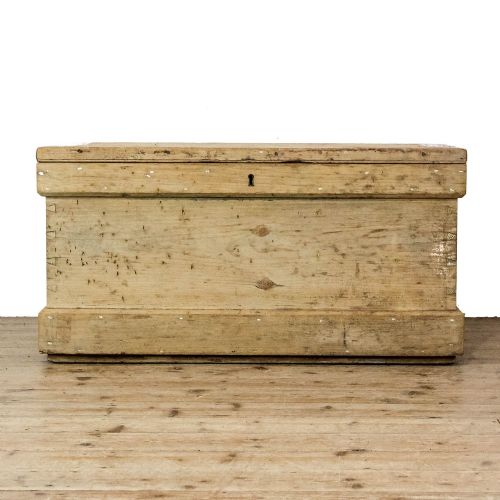
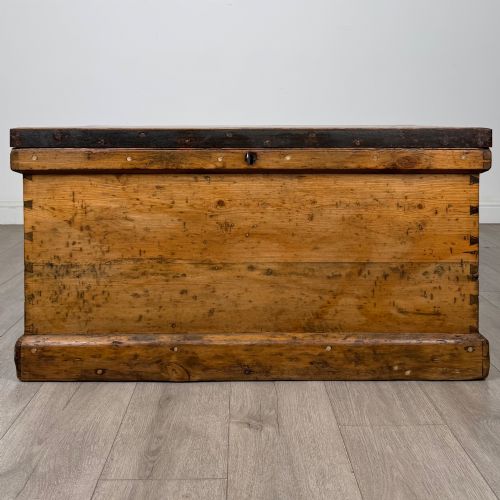
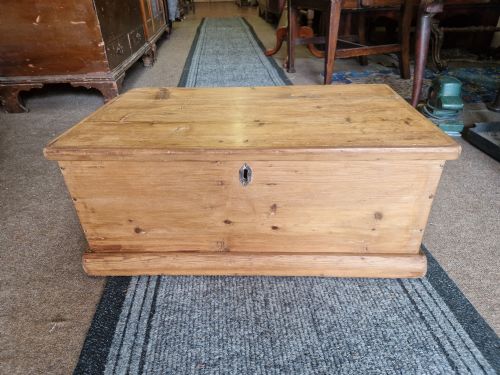
Antique Shipwright’s Tool Chest, English, Ebonised, Workman’s Trunk, Victorian, Victorian
Priced at £695 from London Fine Antiques
Carpenters and cabinetmakers built these to secure their livelihoods on busy jobsites.
A completed antique tool chest often served as a masterwork to demonstrate a young journeyman's skill to prospective employers.
Industrialisation changed the trade entirely. Men started working in static factory roles, meaning massive floor-standing chests gave way to smaller boxes.
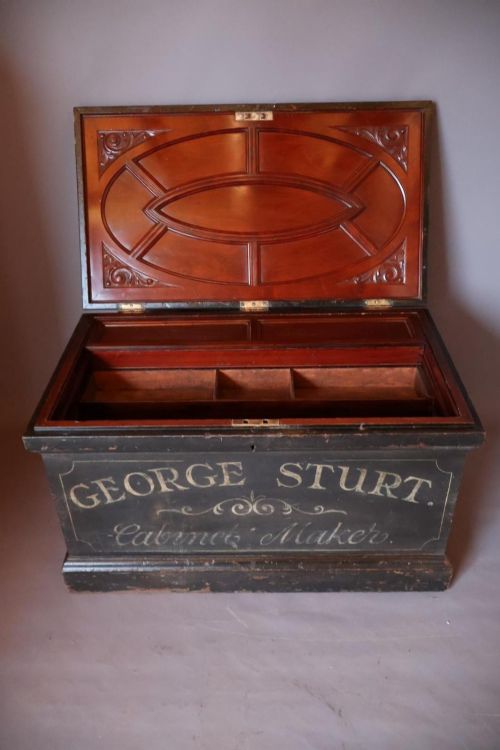
Look for painted names or brass plaques on the lids. Owners marked their property clearly when working alongside dozens of other tradesmen.
Most antique tool chests were made by the tradesmen who used them. You rarely find a maker's stamp on the woodwork itself.
Christopher Gabriel supplied complete sets of tools in London during the late eighteenth century. His chests occasionally turn up intact.
Inspect the locks and hinges for names. Firms like I. Sorby or Marples stamped their brass hardware, even if they didn't build the chest.
The 2026 retail price guide for Antique Tool Chests is drawn from a proprietary archive of over 1.1 million retail prices indexed by Sellingantiques since 2003. This guide relies exclusively on their own internal data; no external sources or auction records are used.
Analysing nearly 25 years of UK antique market history alongside current retail values, the data indicates that typical UK retail prices for Antique Tool Chests range between £300 and £1,500. Entry-level prices generally fall under £300 and premium examples upwards of £1,500.
Complex sliding tills define the interior. Multiple shallow trays run on wooden tracks to organise chisels and marking gauges.
Check for the saw till. Racked blocks fixed against the front or back wall hold hand saws securely during transit.
The underside of the lid often holds a surprise. Elaborate veneered panels or crossbanding gave craftsmen a showpiece to impress clients.
Look at the corners. Hand-cut dovetails lock the main boards together, providing the mechanical strength required for a heavy working life.
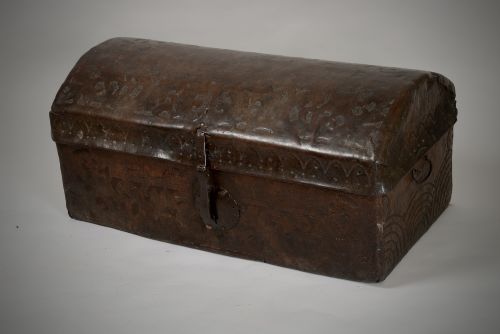
Seventeenth-century examples rely on nailed boards and heavy forged iron straps. By the Victorian era, you see refined cabinetmaking techniques inside.
Dark exterior paint acted as a vital weather shield. Tradesmen frequently applied a scumble glaze to imitate mahogany or oak grain.
"Secret compartments turn up regularly. Craftsmen hid shallow drawers behind removable panels to stash their savings or valuable measuring tools."
"The paint on the inside is often original. While exteriors got repainted constantly, the interior finish remained untouched for generations."
"Some lids feature mirrored glass panels inside. These caught the workshop light and helped brighten a dark, dusty site."
Based on almost 25 years of Sellingantiques UK antique market data, Antique Tool Chests appeared 126 times (out of 1,100,000 antiques) which gives it a rarity score of 98/100.
This score measures scarcity within the Sellingantiques archive only and is not a survey of the entire antiques market, so these statistics may not be indicative of the general availability of Antique Tool Chests elsewhere.
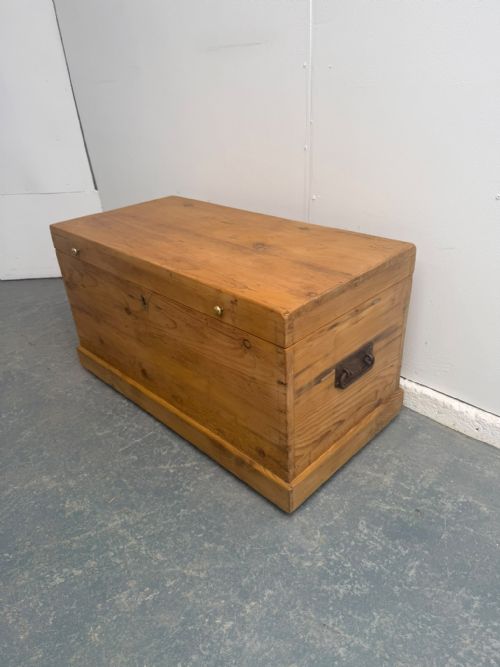
An empty antique tool chest easily weighs between thirty and fifty kilograms. Solid pine boards, thick bottom panels and heavy cast iron hardware add up quickly.
You'll usually need two people to lift a full-sized example. Once loaded with hand tools, they become virtually impossible to move without a cart.
Leave the paint exactly as it is. That dark brown layer is likely a traditional scumble glaze, applied by the original owner to protect the softwood from damp sites.
Stripping the exterior ruins the historic surface and removes the visual character. Buyers want to see the authentic wear from its working life, not bare, sanded pine.
Missing tills pose a common problem. Tradesmen often pulled them out to use on a bench and simply lost them over the years. You are left with empty wooden runners fixed to the internal walls.
Finding replacements that fit the existing runners is nearly impossible. Many buyers choose to have a cabinetmaker build new trays to match the old carcase.
Craftsmen did this from the start. The inside of the lid provided a large, flat canvas protected from the weather.
Young cabinetmakers used this space to show off. A complex compass star proved they could handle delicate inlay work, acting as a visual CV.
Please note: This Antique Tool Chests guide and its associated pricing data are provided for general informational purposes only. It does not constitute formal financial, investment, or appraisal advice and should not be relied upon as the sole basis for any commercial activity, purchasing, or sales decisions. Sellingantiques.co.uk accepts no liability for any actions taken in reliance on this information. Always consult with a qualified professional or independent appraiser.
